
VIRUSES Explained in 9 Slides
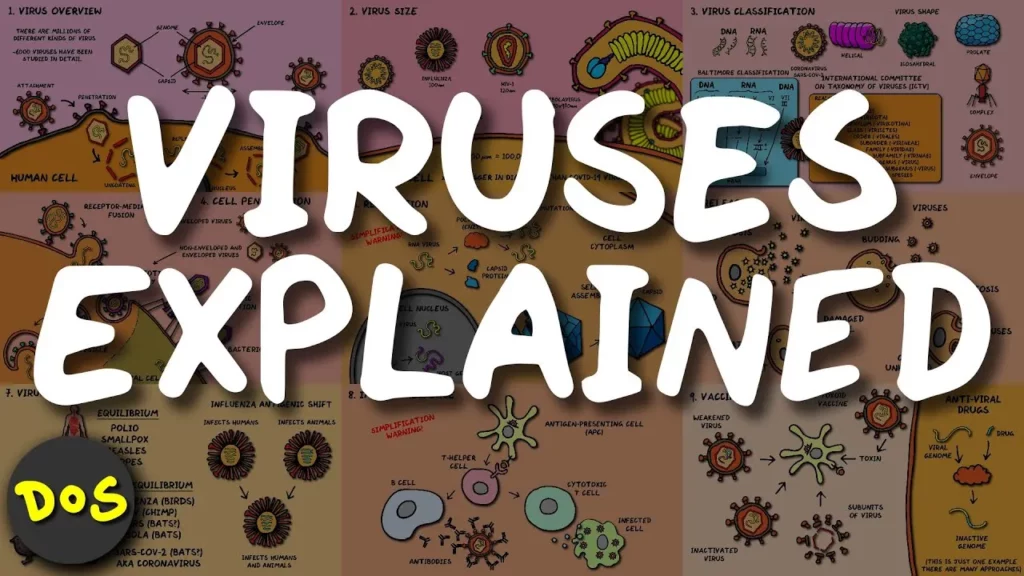
The lesson on viruses provides a comprehensive overview of their nature, structure, classification, and interaction with host cells. It explains that viruses, though the most common form of life on Earth, are not considered living organisms because they cannot reproduce independently; instead, they invade host cells to replicate. The lesson also covers how viruses enter cells, their replication process, the immune response to infections, and the importance of vaccines and antiviral treatments in managing viral diseases.
Why the SpaceX NASA Mission is a Landmark For Astronaut Spaceflight

The SpaceX NASA mission set to launch on May 27, 2020, marks a historic milestone in space travel as it represents the first crewed mission to the International Space Station operated by a private company. This mission not only showcases advancements in safety and technology, such as the Integrated Launch Escape System and reusable rocket components, but also signifies the beginning of commercial human spaceflight, paving the way for future endeavors in space tourism and exploration. With experienced astronauts at the helm and the potential for a new era in space access, this mission is a pivotal moment for both NASA and the future of space travel.
Quantum Gravity Explained in 9 Slides
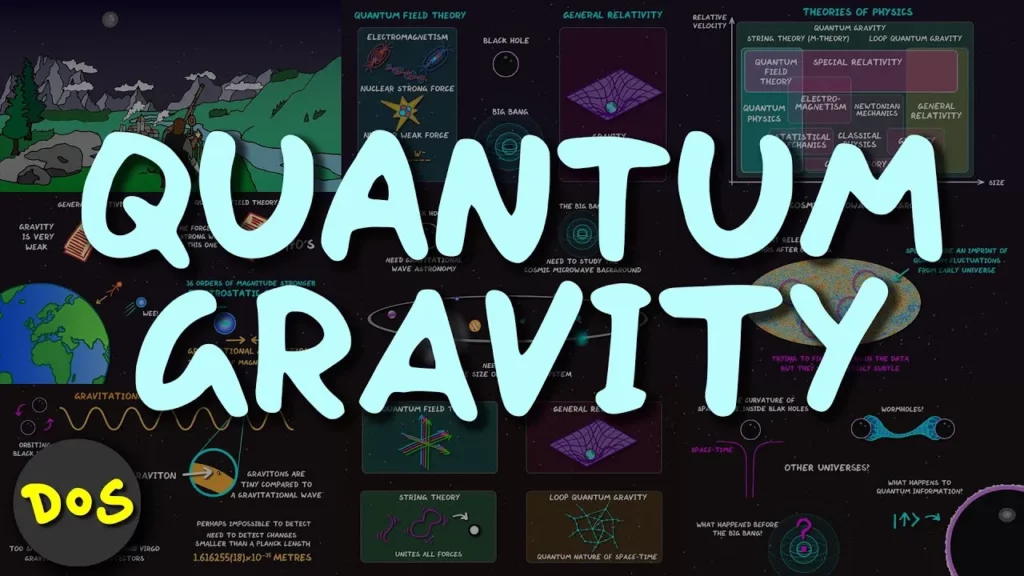
The lesson on quantum gravity explores the challenge of unifying quantum field theory and general relativity, two fundamental theories that describe the universe but do not integrate seamlessly. It highlights the quest for a theory of quantum gravity, with candidates like string theory and loop quantum gravity, and discusses the difficulties in experimental validation due to the weak nature of gravity compared to other forces. The potential impact of discovering a unified theory could revolutionize our understanding of phenomena such as black holes and the origins of the universe, while also paving the way for transformative technologies.
The Map of Quantum Physics
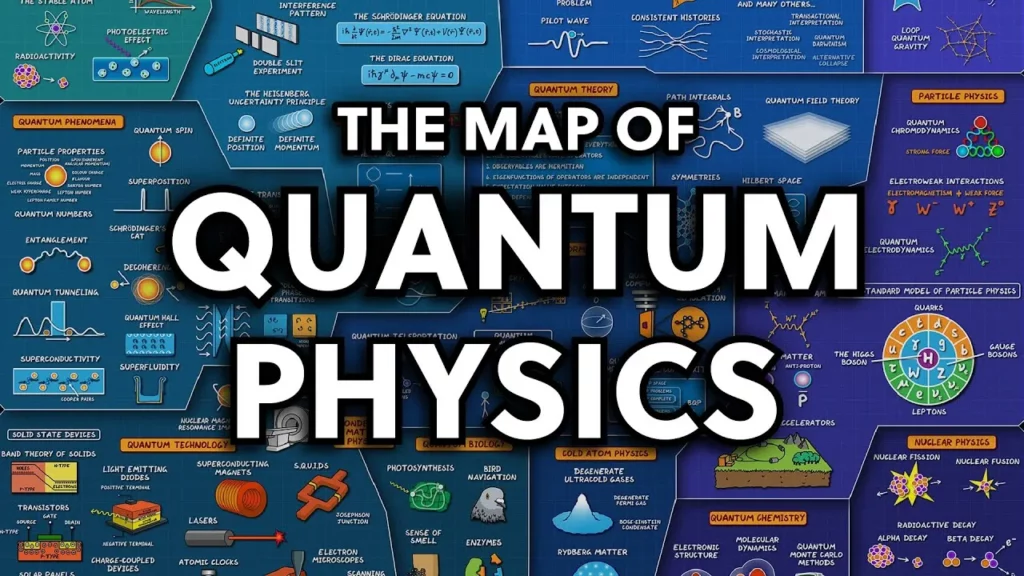
The lesson on quantum physics provides an engaging overview of its core concepts, phenomena, and applications, illustrating the field’s complexity and significance. It introduces foundational ideas such as wave-particle duality, superposition, and entanglement, while also highlighting the technological advancements driven by quantum mechanics, including lasers and quantum computing. Ultimately, the lesson emphasizes the ongoing evolution of quantum theory and its potential to reshape our understanding of the universe.
Atomic Spectroscopy Explained in 9 Slides
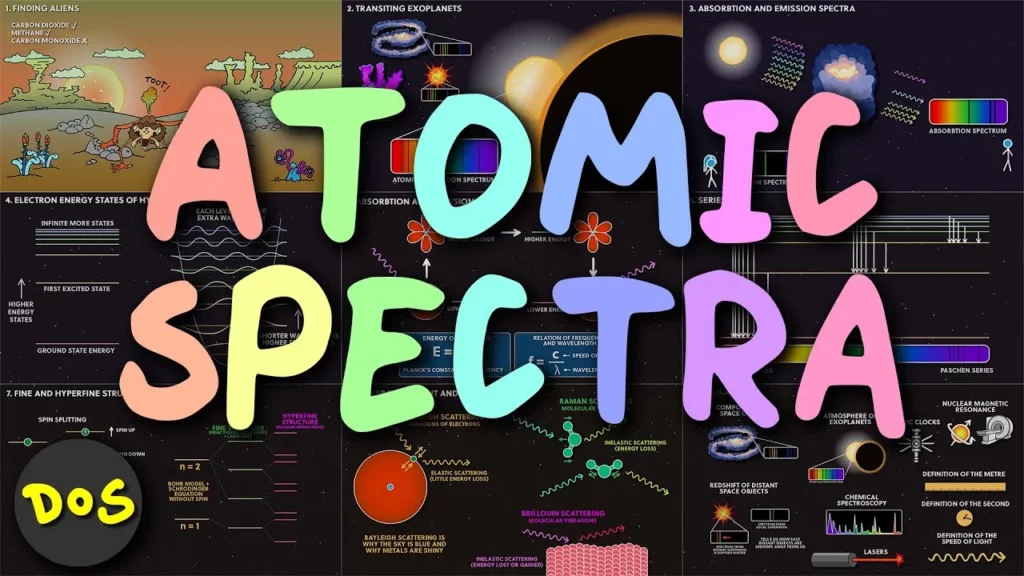
The lesson on atomic spectroscopy explains how scientists can detect signs of life on distant planets by analyzing their atmospheric gases through a technique called atomic spectroscopy. By studying the unique absorption and emission spectra of light from these planets, researchers can identify the chemical composition of their atmospheres, which may indicate the presence of microbial life. The lesson also covers the principles of light-matter interactions, the significance of spectral lines, and the various applications of atomic spectra in fields like astrophysics and chemistry.
The Speed of Light is NOT Fundamental. But THIS is.

The lesson emphasizes that while fundamental constants like the speed of light are crucial in physics, they are not the most fundamental aspects of our universe. Instead, dimensionless constants, particularly the fine structure constant, play a more significant role in defining the relationships between various physical quantities and the structure of the universe. The exploration of these constants reveals deeper mysteries in physics and highlights the ongoing quest to understand their specific values and implications.
The Map of Doom | Apocalypses Ranked
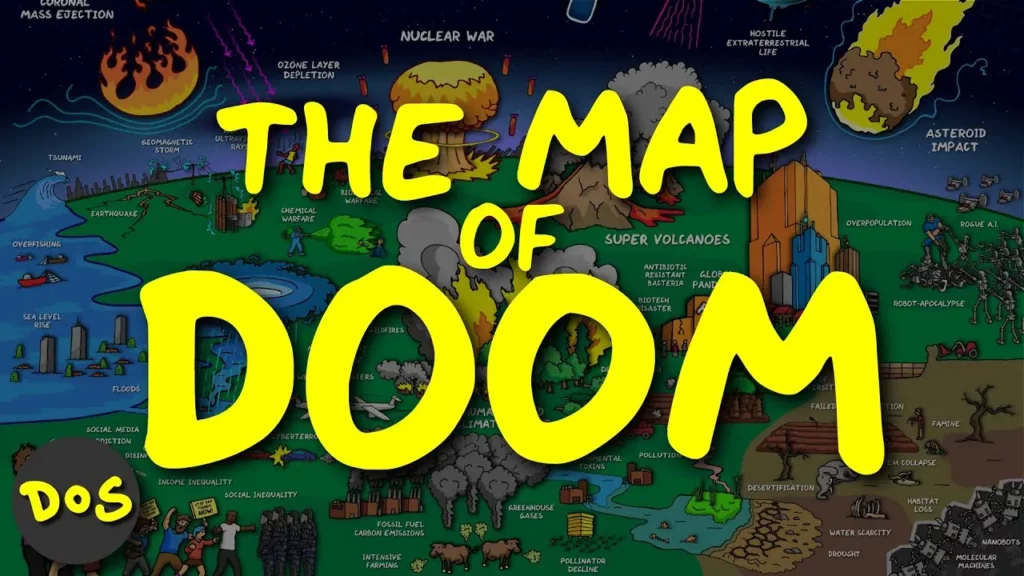
The lesson titled “The Map of Doom: Ranking Apocalyptic Threats” explores various potential disasters that humanity faces, such as asteroid impacts, pandemics, and climate change, and evaluates them based on their likelihood and potential casualties. By creating a “doom chart,” the lesson visualizes these threats, categorizing them into quadrants to help prioritize which disasters require more attention and preventive measures. Ultimately, it encourages reflection on the most significant risks to humanity and the importance of preparedness in the face of these challenges.
Quantum Simulation Explained in 9 Slides
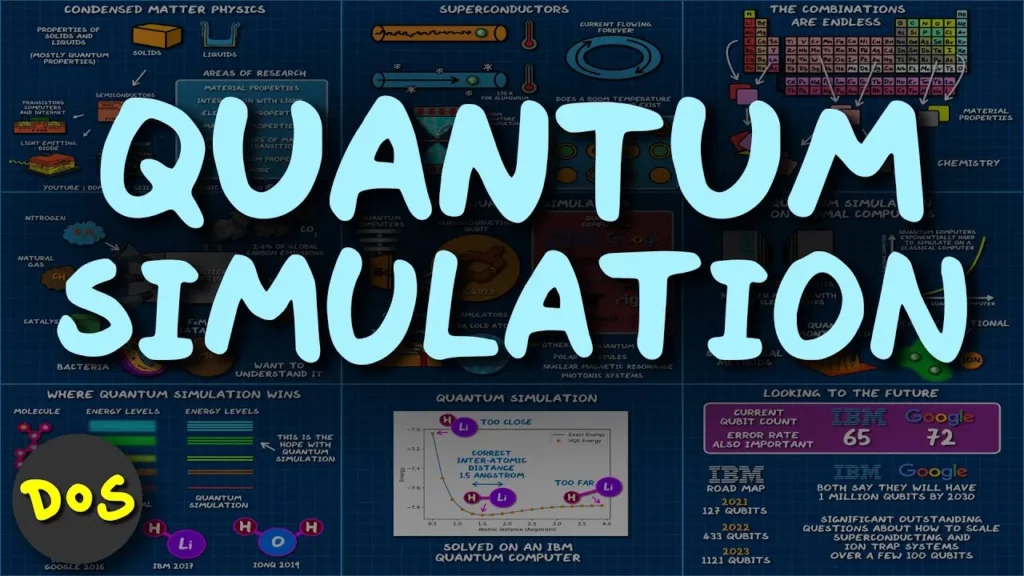
The lesson on quantum simulation highlights its transformative potential in discovering new materials with unique properties, particularly in condensed matter physics. It emphasizes the advantages of quantum simulators over classical computers in accelerating material research and solving complex chemical reactions, while also showcasing practical applications through tools like IBM’s Qiskit. The future of quantum computing looks promising, with ongoing advancements aimed at increasing qubit counts and improving their quality, paving the way for significant technological breakthroughs.
The Schrödinger Equation Explained in 60 Seconds
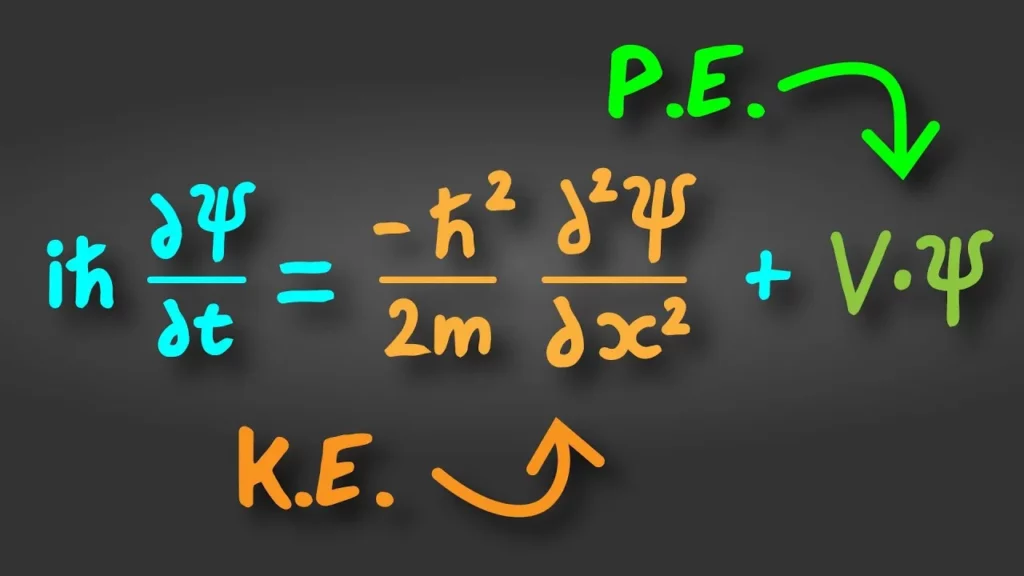
The Schrödinger Equation is fundamental to quantum physics, providing a mathematical framework to describe the wave-like behavior of particles, particularly electrons, at a microscopic level. It allows for the prediction of quantum behavior by determining the wavefunction that governs the system’s energy dynamics, incorporating both kinetic and potential energies. This equation not only challenges classical intuitions but also underpins key quantum phenomena such as superposition and entanglement, with significant implications for fields like quantum computing and cryptography.
How To Read Feynman Diagrams
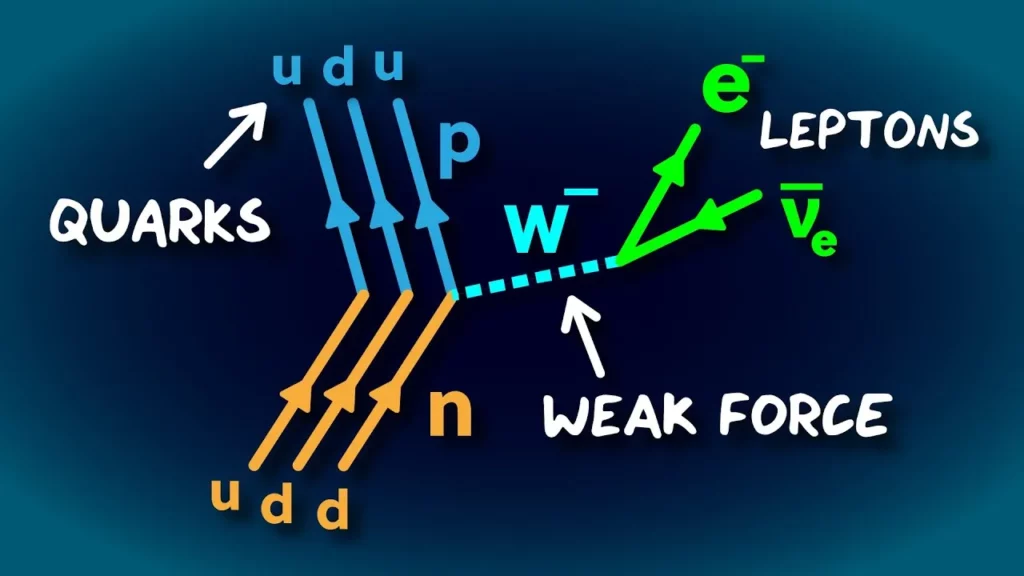
In this lesson, we explored how to interpret Feynman diagrams, which are crucial for visualizing particle interactions in physics. Key components include understanding the types of lines representing different particles, the direction of arrows indicating matter and antimatter, and the significance of vertices where particles interact. By grasping these concepts, you can begin analyzing Feynman diagrams and the conservation rules that govern particle interactions.