
The Quantum Wavefunction Explained
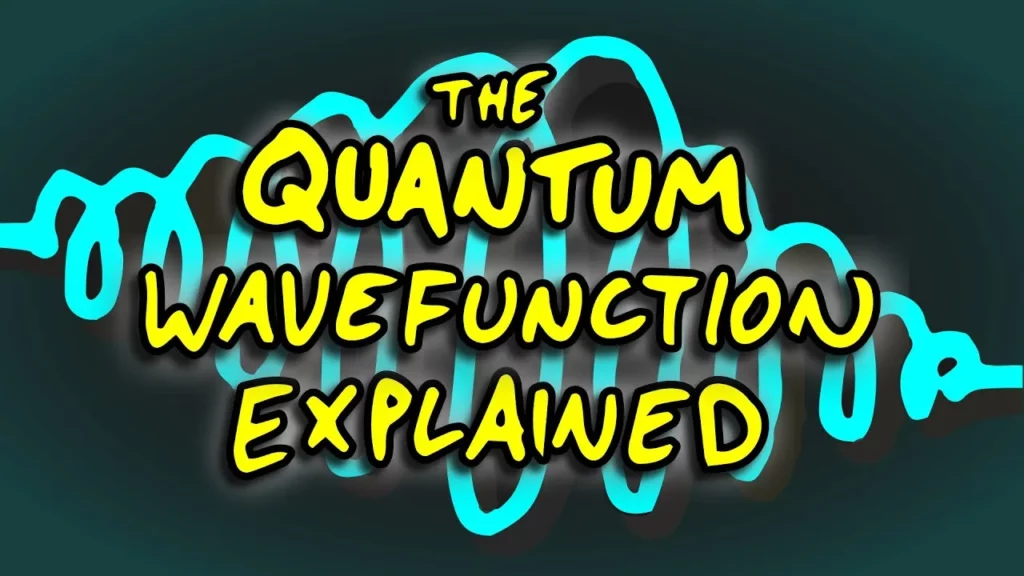
The lesson on “The Quantum Wavefunction Explained” delves into the nature of quantum wave functions, which describe the behavior of particles in quantum mechanics through the Schrödinger equation. Unlike physical waves, quantum wave functions represent probability amplitudes rather than measurable entities, allowing us to calculate the likelihood of finding a particle in a given state. The lesson also highlights key concepts such as the conditions wave functions must satisfy, the principle of superposition, and the relationship between wave functions and other physical quantities like momentum and energy.
The Map of Particle Physics | The Standard Model Explained
The lesson on “The Map of Particle Physics” introduces the Standard Model, a framework that categorizes the fundamental particles and interactions in the universe, distinguishing between fermions (the building blocks of matter) and bosons (force carriers). It highlights key concepts such as spin, the Pauli exclusion principle, and conservation laws, while also addressing the limitations of the Standard Model in explaining phenomena like dark matter and gravity. Ultimately, the lesson emphasizes the importance of the Standard Model as a foundation for ongoing research and discovery in particle physics.
The Map of Superconductivity
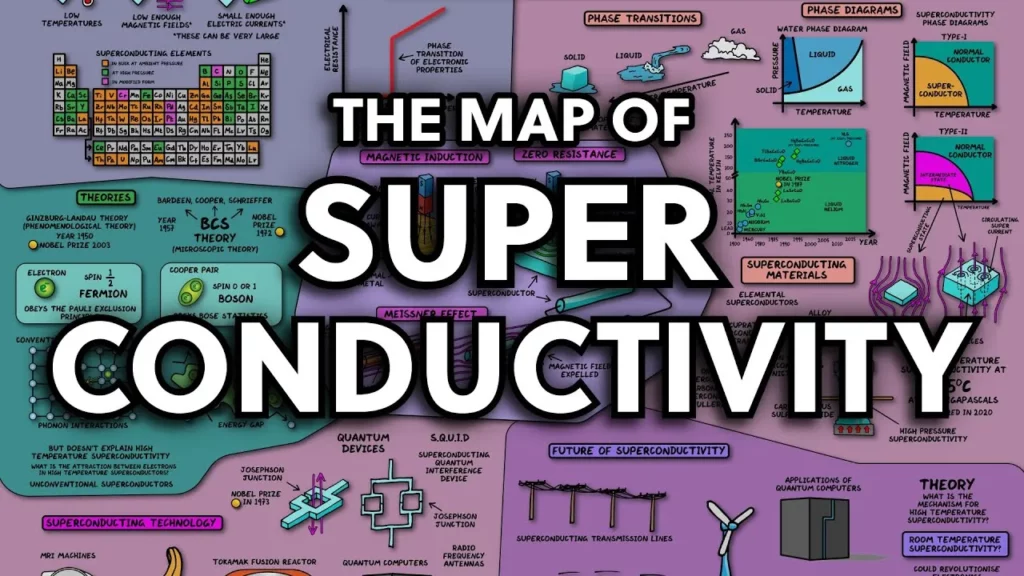
This lesson explores superconductivity, a remarkable phenomenon where certain materials conduct electricity without resistance at low temperatures, leading to zero energy loss. It covers the fundamental properties of superconductors, including the Meissner effect and types of superconductors, as well as their applications in technology such as MRI machines and quantum devices. The lesson also highlights future research directions, particularly the quest for room-temperature superconductors, which could revolutionize energy systems and electronics.
The Map of Black Holes | Black Holes Explained
In this lesson, Dom explores the intriguing concept of black holes, detailing their formation, classification, and the theoretical foundations rooted in Einstein’s theory of relativity. He explains how black holes warp spacetime, the evidence supporting their existence, and the ongoing mysteries surrounding them, such as the nature of singularities and the potential for time travel. The lesson emphasizes the need for further theoretical advancements, particularly in quantum gravity, to fully understand these enigmatic cosmic phenomena.
The Map of Plastic Waste
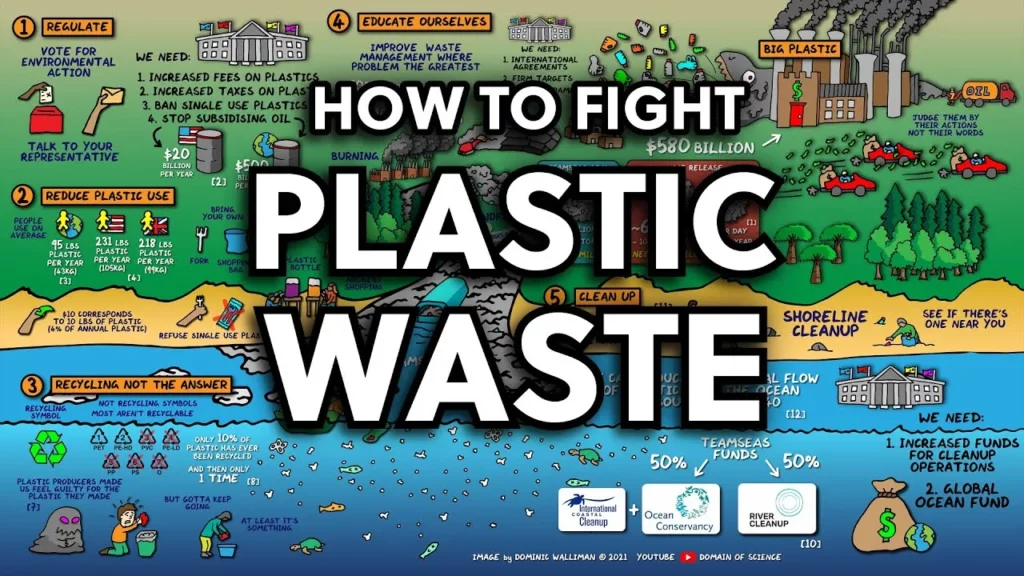
The lesson emphasizes that while initiatives like TeamSeas aim to clean up plastic waste from our waters, they only address a fraction of the larger plastic pollution crisis, which sees millions of tonnes dumped daily. It advocates for a multi-faceted approach to combat plastic pollution, including government regulation, reducing plastic use, and improving waste management, while also highlighting the importance of individual actions and informed donations to effective organizations. Ultimately, collective efforts from governments, companies, and individuals are crucial to significantly reduce plastic waste entering the oceans.
What’s The Probability You Have Seen A Neutrino?
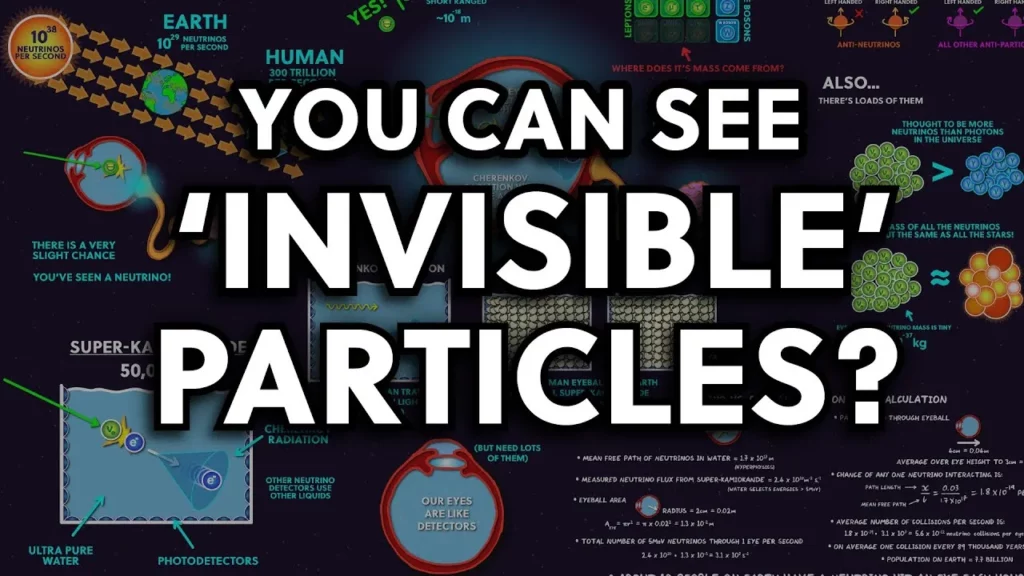
In this lesson, we explored the intriguing world of neutrinos, fundamental particles produced in vast quantities during the Sun’s fusion reactions. Despite their abundance, neutrinos interact weakly with matter, making them difficult to detect; however, there is a small chance that a neutrino could collide with an atom in our eyes, potentially causing a faint blue flash of light. We also discussed the unique properties of neutrinos, including their ability to change types and the mystery surrounding their mass, as well as the methods scientists use to study these elusive particles.
The Map of Quantum Computing – Quantum Computing Explained
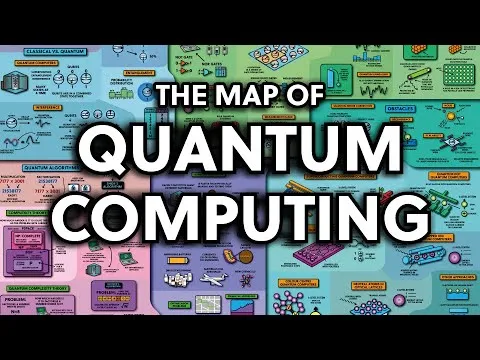
The lesson on quantum computing provides a comprehensive overview of the field, highlighting its evolution since the 1980s and the significant investments driving its growth. It explains the fundamental differences between quantum and classical computers, focusing on key concepts such as superposition, entanglement, and interference, which enable quantum computers to solve complex problems more efficiently. The lesson also discusses various quantum computing models, potential applications, and the future of the technology, emphasizing the need for cautious optimism regarding its capabilities.
Who Has The Best Quantum Computer?
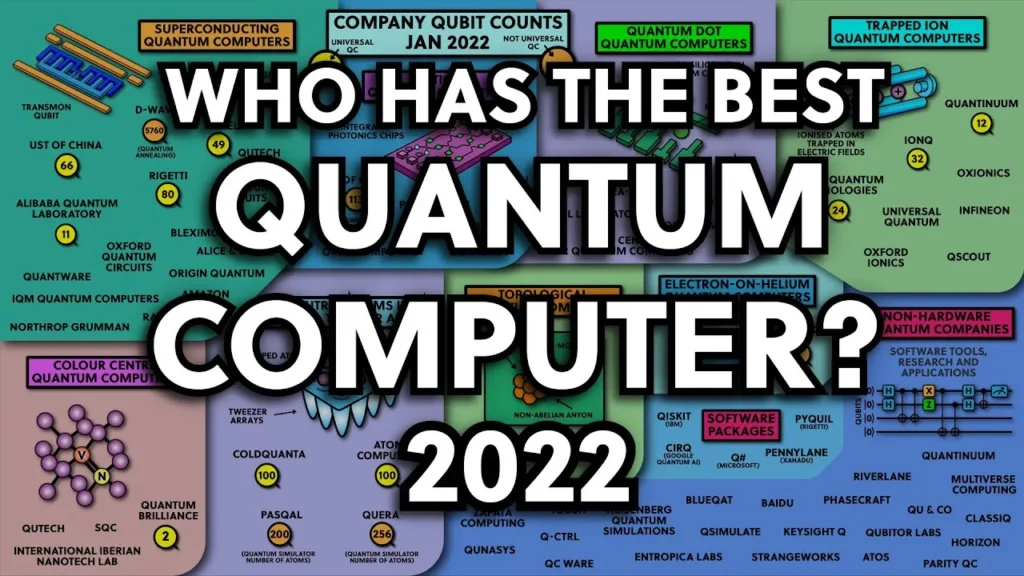
The lesson discusses the current landscape of quantum computing, highlighting key companies and their advancements in qubit technology. It emphasizes that while qubit counts are often used to gauge performance, they are not the sole indicator of a quantum computer’s effectiveness; metrics like quantum volume provide a more comprehensive assessment. The article also outlines the challenges ahead for developing practical quantum computers and the ambitious goals set by leading companies in the field.
The Map of Engineering
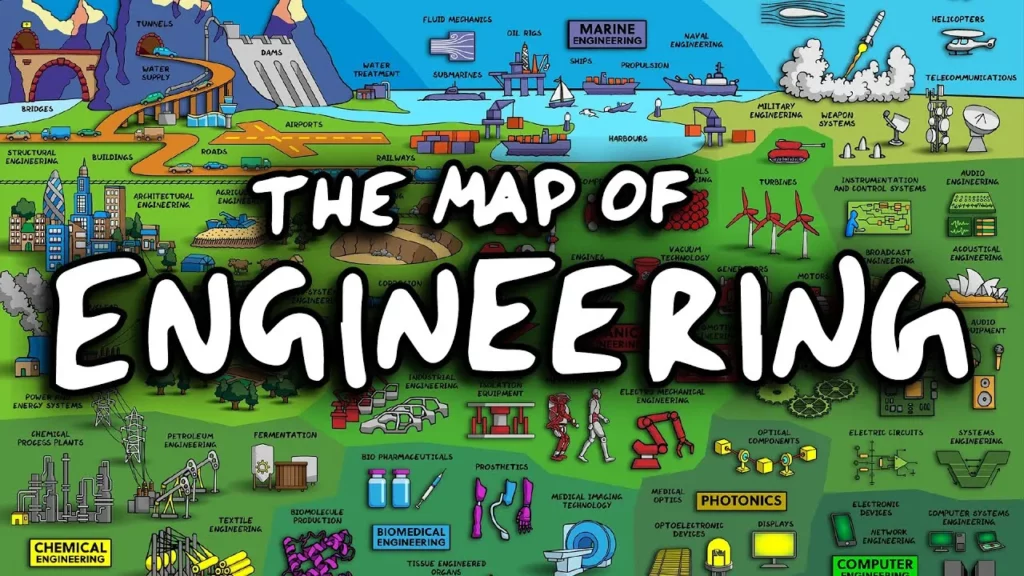
The lesson on “The Map of Engineering” emphasizes the vital role engineering plays in our daily lives, from infrastructure to technology. It provides an overview of various engineering branches, such as civil, mechanical, electrical, and bioengineering, highlighting their interconnections and contributions to society. The lesson underscores the interdisciplinary nature of engineering and its impact on improving quality of life through advancements in areas like energy, healthcare, and environmental sustainability.
The Comprehensive Map of Medicine
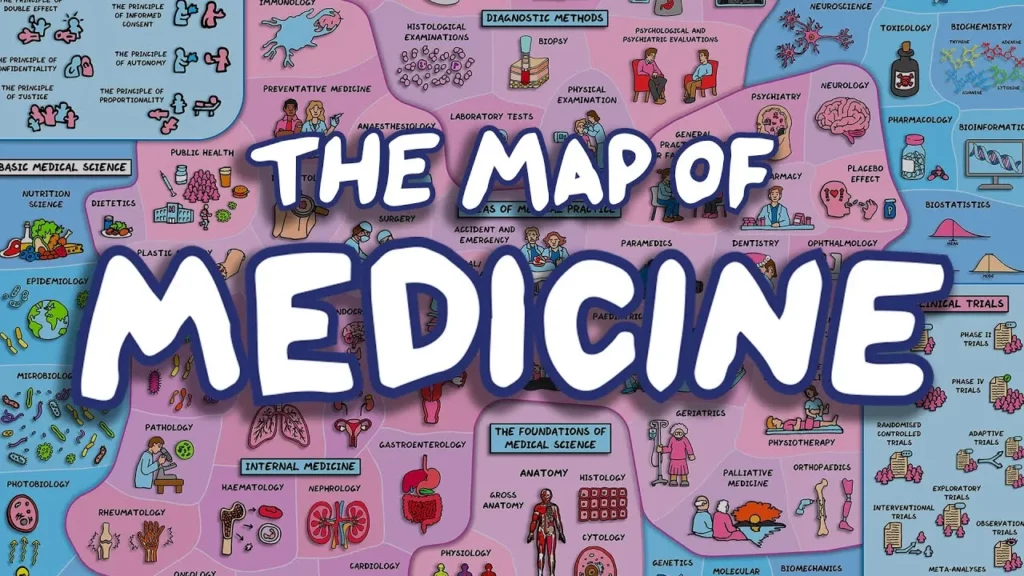
In this lesson, Dominic explores the vast field of medicine, emphasizing its core principles, medical practices, and the supporting sciences. Key principles include the importance of non-malfeasance, informed consent, and justice in healthcare, while various medical interventions range from emergency care by paramedics to specialized treatments in fields like surgery and psychiatry. The lesson also highlights the significance of supporting sciences such as pharmacology and epidemiology, illustrating the complexity and interconnectedness of medical practice.