
Napoleonic Wars: Retreat from Moscow 1812
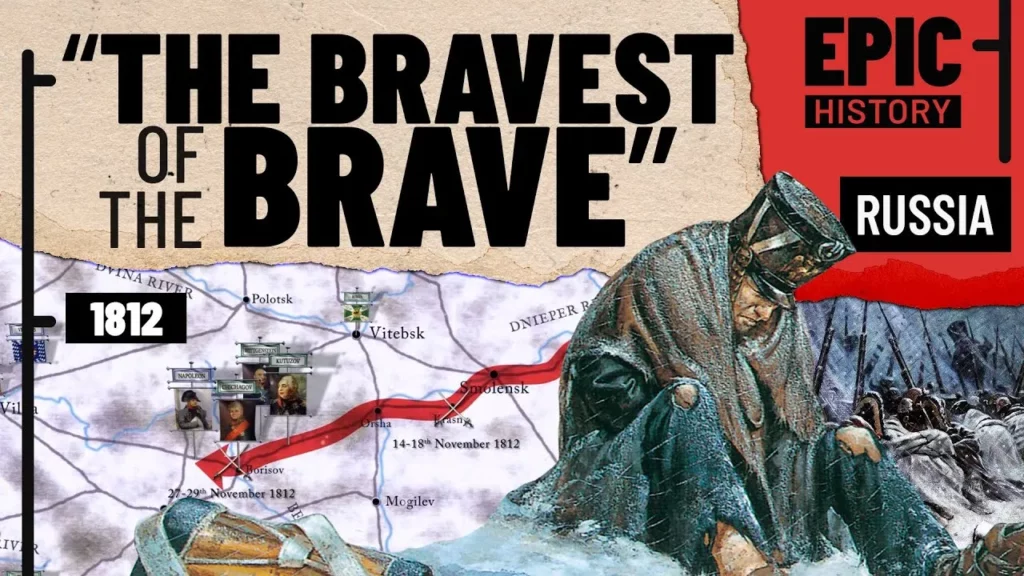
The lesson on the Napoleonic Wars, specifically the retreat from Moscow in 1812, illustrates the catastrophic consequences of overconfidence and poor planning in military campaigns. Despite initially entering Moscow with a large army, Napoleon faced unexpected resilience from Russian forces and harsh winter conditions, leading to a disastrous retreat that decimated his troops. This event underscores the importance of preparation, adaptability, and the human cost of warfare, serving as a cautionary tale in military history.
World's greatest castles

The lesson on “World’s Greatest Castles” explores the significance and uniqueness of medieval castles, highlighting their roles as military fortresses and cultural symbols. Notable examples such as Crac des Chevaliers, Dover Castle, and Malbork Castle illustrate the architectural diversity and historical importance of these structures. Through this exploration, we gain insight into the medieval period and the stories embedded within these remarkable edifices.
Napoleon's last chance for peace?
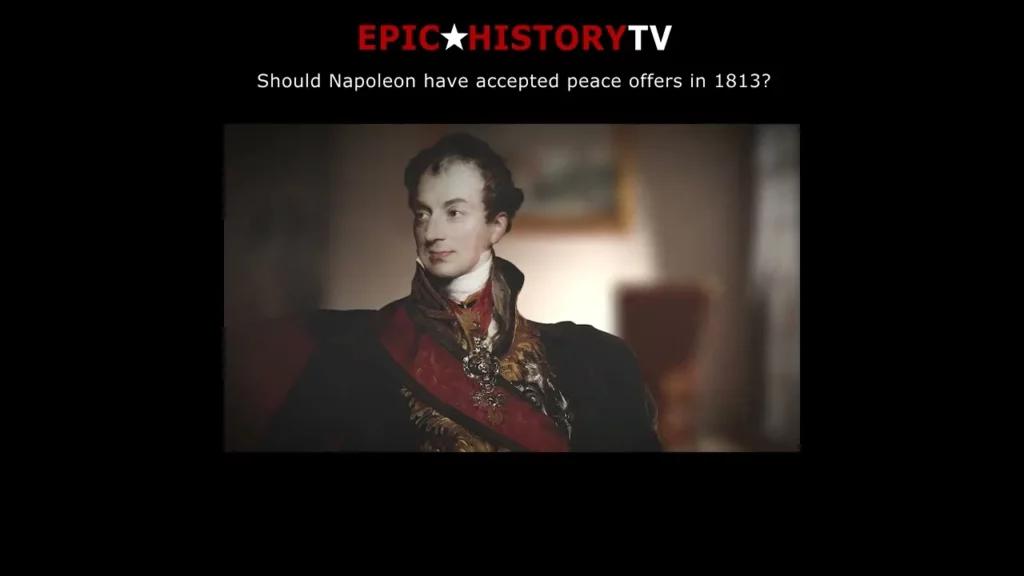
The lesson explores the diplomatic efforts of Clemens Von Metternich during the early 19th century as he sought to negotiate peace with Napoleon Bonaparte amidst Europe’s turmoil. Despite Metternich’s attempts to secure concessions from Napoleon to maintain a balance of power, Napoleon’s stubborn refusal to compromise ultimately pushed Austria closer to the Allied powers, setting the stage for greater challenges for him. This historical episode underscores the significance of diplomacy and the impact individual decisions can have on the broader political landscape.
Belisarius fights his way up the Tiber to save Rome
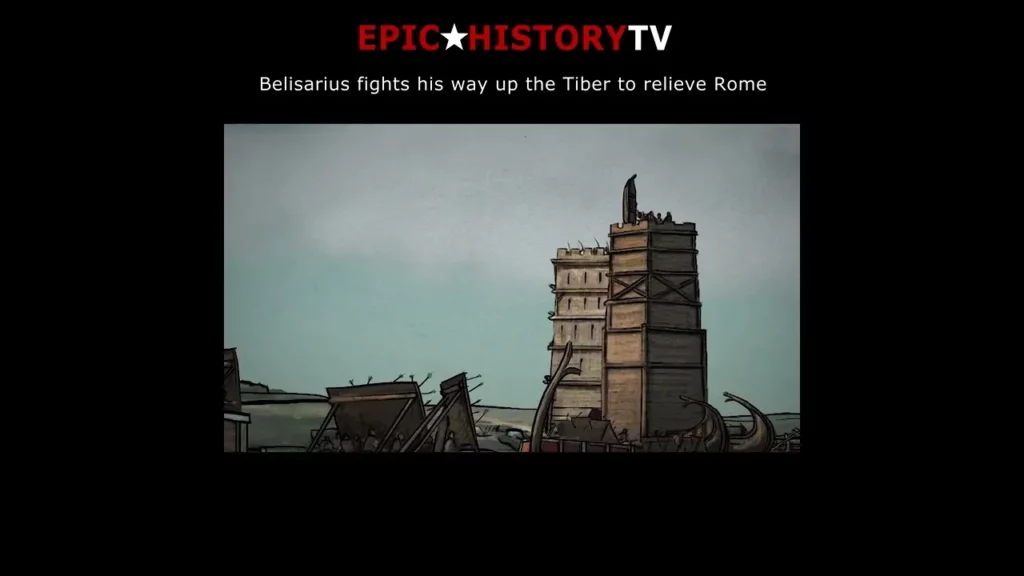
The lesson highlights the strategic brilliance of General Belisarius as he led a convoy of ships up the Tiber River to save Rome, overcoming significant obstacles such as an iron chain and a fortified bridge. Through careful planning and innovative tactics, including the construction of a floating tower and a fiery attack on enemy defenses, Belisarius exemplified how intelligence and strategy can triumph over brute force in warfare. This historical account serves as a reminder of the importance of leadership and creative problem-solving in both military and everyday challenges.
How did commanders communicate with troops in WW1?
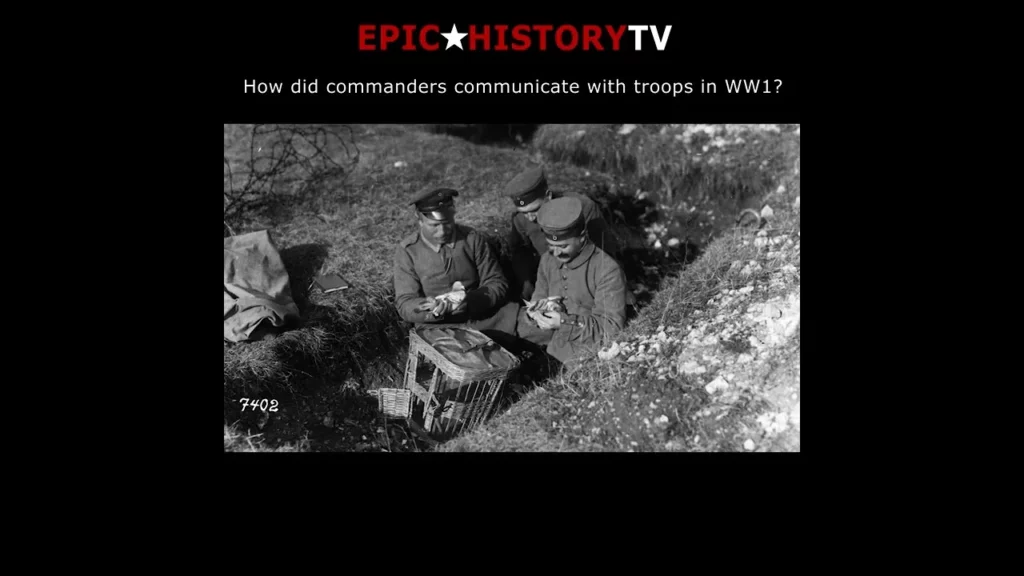
During World War I, commanders faced significant challenges in communicating with their troops due to the lack of reliable technology. They employed various methods such as messengers, flag signals, light signals, and homing pigeons, each with its own limitations and risks. The experiences of the war highlighted the need for effective communication and ultimately led to advancements in military communication technology for future conflicts.
The scandalous 'Secret History' of Procopius

The lesson explores Procopius’s controversial work, *The Secret History*, which reveals the hidden truths behind the public personas of influential figures in the Byzantine Empire, particularly Emperor Justinian and Empress Theodora. Through scandalous portrayals and personal anecdotes, Procopius critiques their character and relationships, while also highlighting his own motivations and biases as a court historian. Ultimately, the text serves as a reminder of the complexities of historical narratives and the necessity of critical evaluation of sources.
Murat's cavalry charge tips the scales at Austerlitz
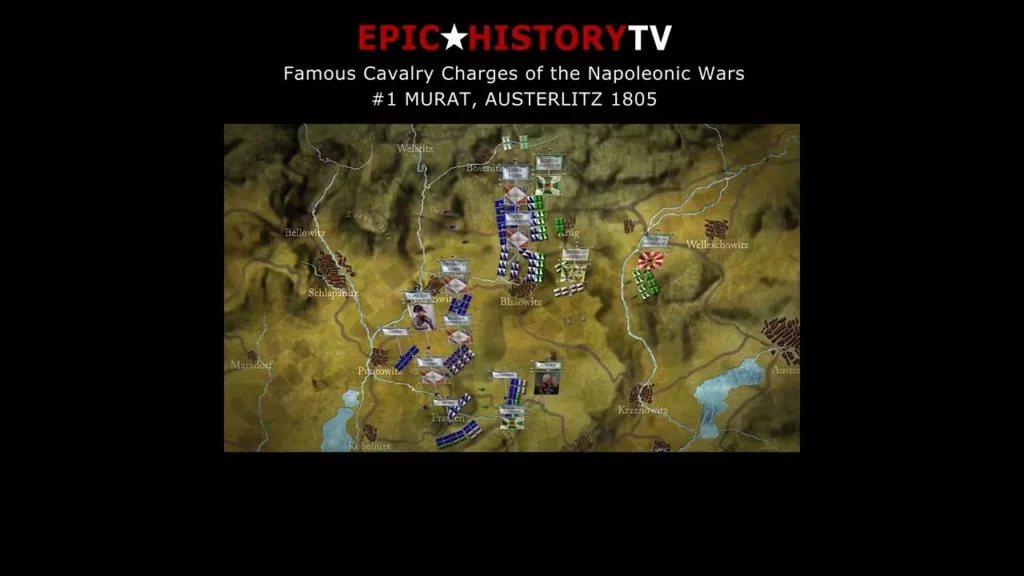
The lesson on Murat’s cavalry charge at the Battle of Austerlitz highlights the significance of strategic positioning and the effective use of cavalry in warfare. The French army’s ability to secure the high ground and execute a decisive cavalry charge not only turned the tide of the battle but also underscored the importance of discipline, leadership, and quick decision-making in military strategy. This historical event serves as a valuable case study for understanding the evolution of warfare and the complexities of historical conflicts.
Napoleon and the Cairo Revolt
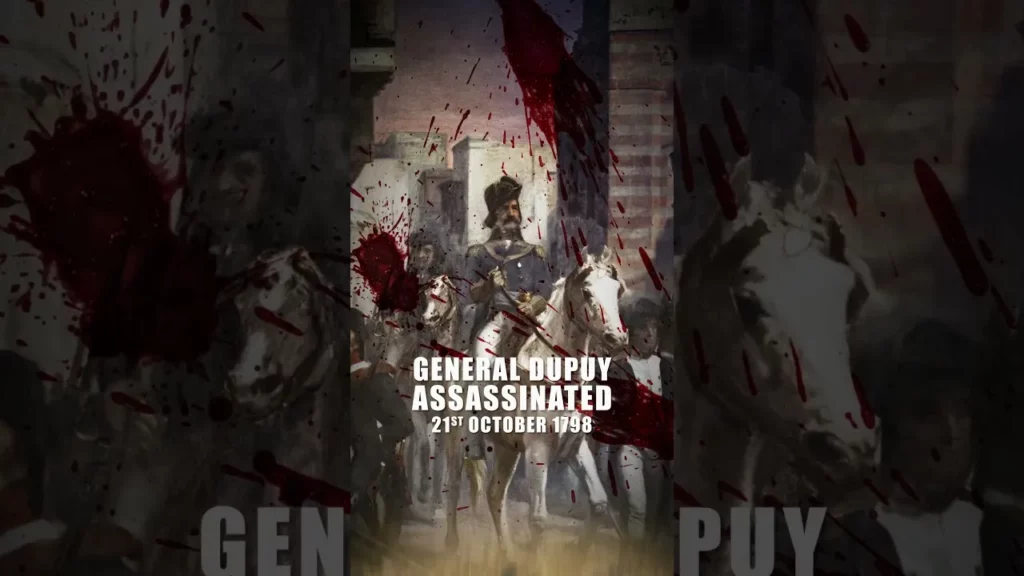
The lesson on “Napoleon and the Cairo Revolt” explores Napoleon Bonaparte’s 1798 invasion of Egypt, highlighting the initial military success against the Mamluks and the subsequent tensions that arose in Cairo as the local population resisted French occupation. The uprising, sparked by the killing of General Dupuy, led to a violent confrontation between French forces and Egyptian rebels, illustrating the complexities of foreign control and the Egyptians’ desire for independence. Additionally, the lesson notes the cultural exchange that occurred during this period, exemplified by the discovery of the Rosetta Stone, which facilitated the understanding of ancient Egyptian civilization.
The assassination of Theoderic the Great's daughter
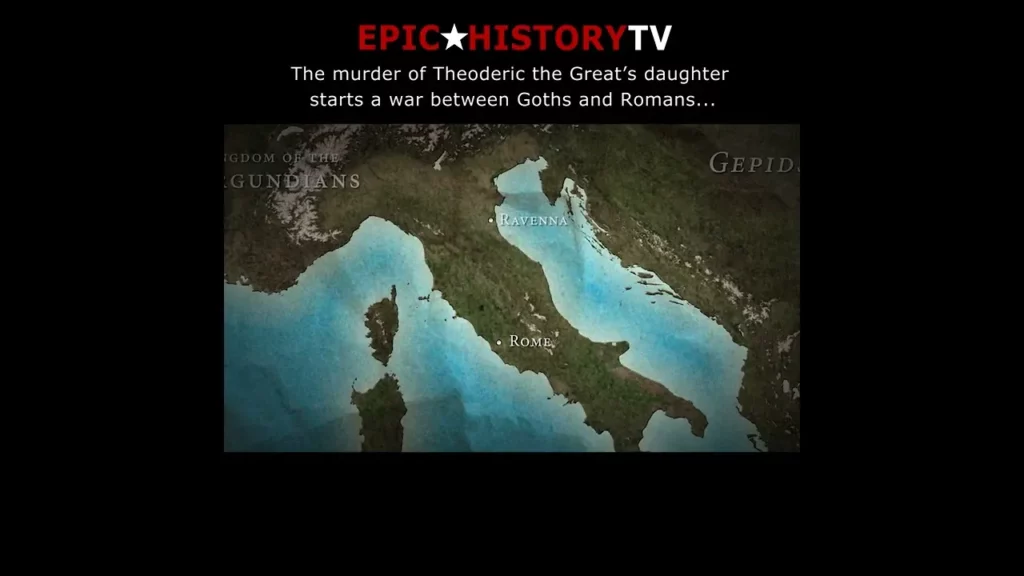
The lesson on the assassination of Amalasuntha, daughter of Theoderic the Great, illustrates the precarious nature of political power and the consequences of personal rivalries. After her cousin Theodahad imprisoned her, Amalasuntha was assassinated, an act that not only ended her life but also triggered significant political fallout, including conflict with the Byzantine Empire. This event underscores the importance of strategic alliances and the far-reaching impacts of individual actions in shaping historical events.
Procopius records the world's first plague pandemic

The lesson discusses the first recorded plague pandemic, which began in ancient Egypt around 541 AD and spread rapidly across the empire, reaching regions as far as Armenia and modern-day France. Historian Procopius documented the pandemic’s devastating effects on society, including loss of life and disruption of trade, emphasizing the importance of public health measures. The lesson underscores the relevance of studying historical pandemics to inform modern responses to health crises through early detection, communication, and international cooperation.