
Napoleonic Wars: Battle of Borodino 1812
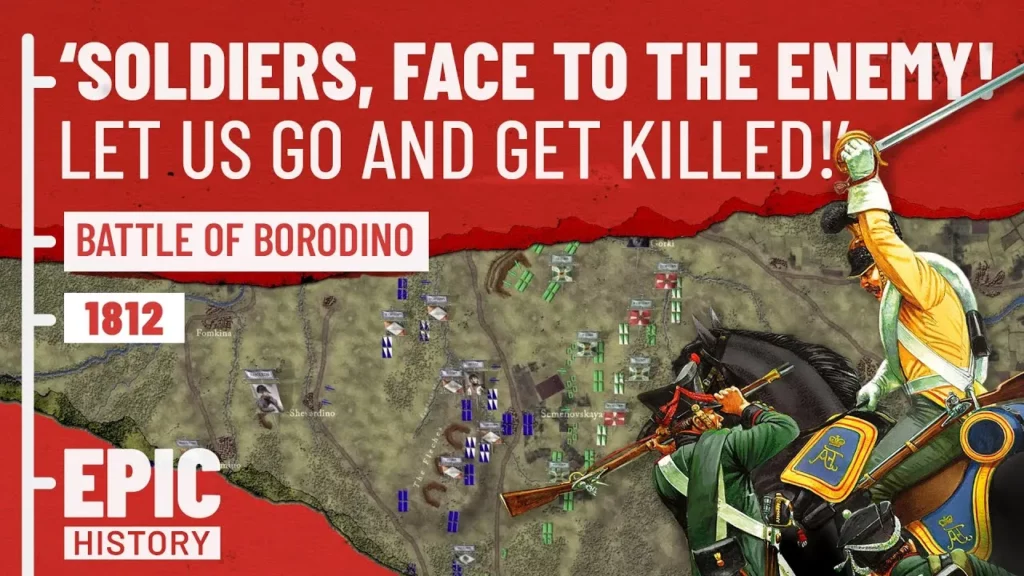
The Battle of Borodino in September 1812 was a pivotal and brutal confrontation during Napoleon’s ill-fated invasion of Russia, where both the French and Russian armies suffered heavy casualties. Despite initially capturing key positions, Napoleon’s forces faced fierce resistance from the Russians, ultimately leading to a strategic withdrawal by General Kutuzov after recognizing the significant losses on both sides. This battle not only highlighted the resilience of the Russian army but also marked the beginning of a challenging retreat for Napoleon, underscoring the unpredictability of military campaigns.
How did the Eastern Romans reorganise imperial defence?
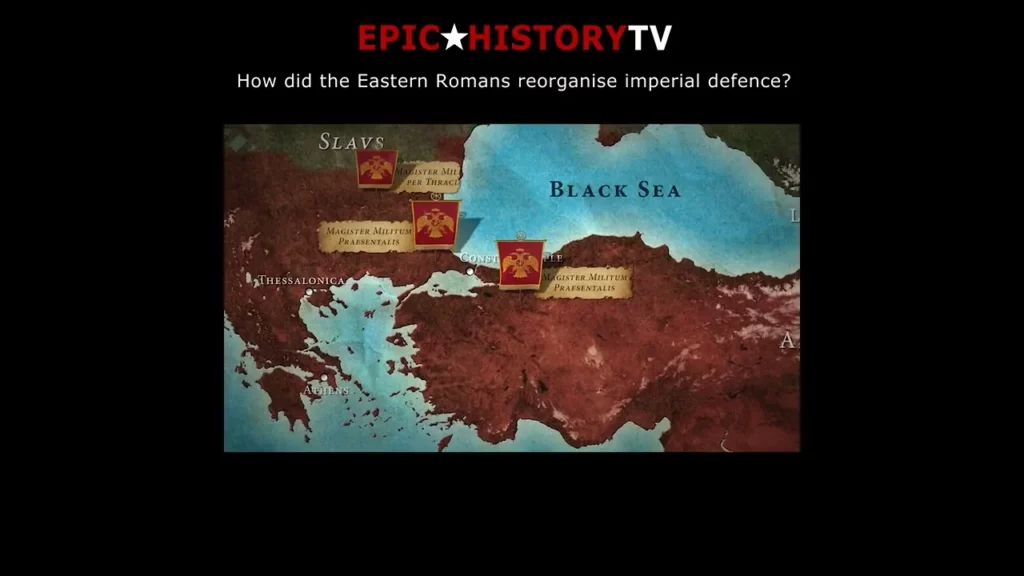
The Eastern Roman Empire, or Byzantine Empire, restructured its military organization to enhance its defense capabilities, focusing on the establishment of central field armies and regional rapid reaction forces. This strategic reorganization allowed for a swift response to threats, ensuring the protection of Constantinople and maintaining stability across the empire’s borders. Additionally, the limitanei, stationed at the frontiers, played a vital role in delaying enemy advances, highlighting the importance of a well-coordinated military structure in safeguarding the empire’s vast territories.
What was Napoleon's 'Continental System'?

Napoleon’s Continental System was an economic strategy designed to weaken Great Britain by prohibiting its trade with Europe, aiming to create financial turmoil that would force Britain into peace negotiations. However, the system faced significant enforcement challenges, leading to widespread smuggling and ultimately harming France’s economy as well. The failure of the Continental System illustrates the complexities of economic warfare and the unintended consequences that can arise from such strategies.
Napoleonic Wars: Downfall 1809 – 14
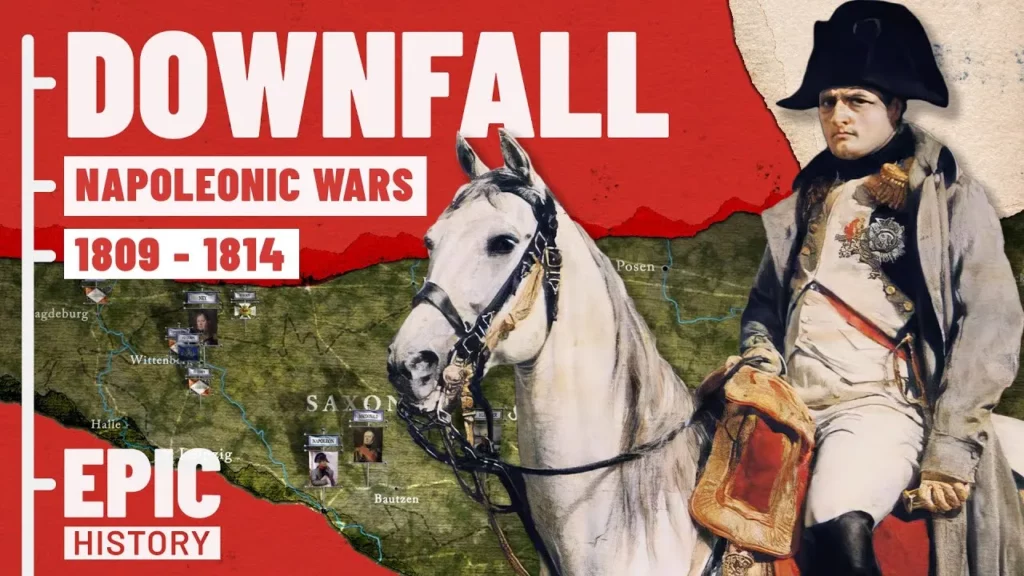
The lesson on the Napoleonic Wars from 1809 to 1814 highlights the decline of Napoleon Bonaparte’s power following his initial successes, particularly in Spain and Portugal. Despite early victories, such as the Battle of Talavera, the French faced significant challenges from British and Spanish forces, as well as guerrilla warfare that disrupted their supply lines. Ultimately, the combination of a prolonged conflict in Spain, the disastrous invasion of Russia, and the unification of Allied forces led to Napoleon’s defeat and abdication in 1814, marking a pivotal shift in European power dynamics.
How did Blackbeard die?

The lesson details the dramatic capture and death of the infamous pirate Blackbeard, also known as Edward Teach, orchestrated by Lieutenant Governor Alexander Spotswood and led by Lieutenant Maynard of the Royal Navy. Despite being heavily outnumbered, Blackbeard fought valiantly during the surprise attack at Ocracoke Island, ultimately succumbing to his injuries. His death was publicly confirmed by displaying his severed head on the Navy ship, marking a significant moment in the decline of piracy along the American coast.
Napoleonic Wars: Battle of Leipzig 1813
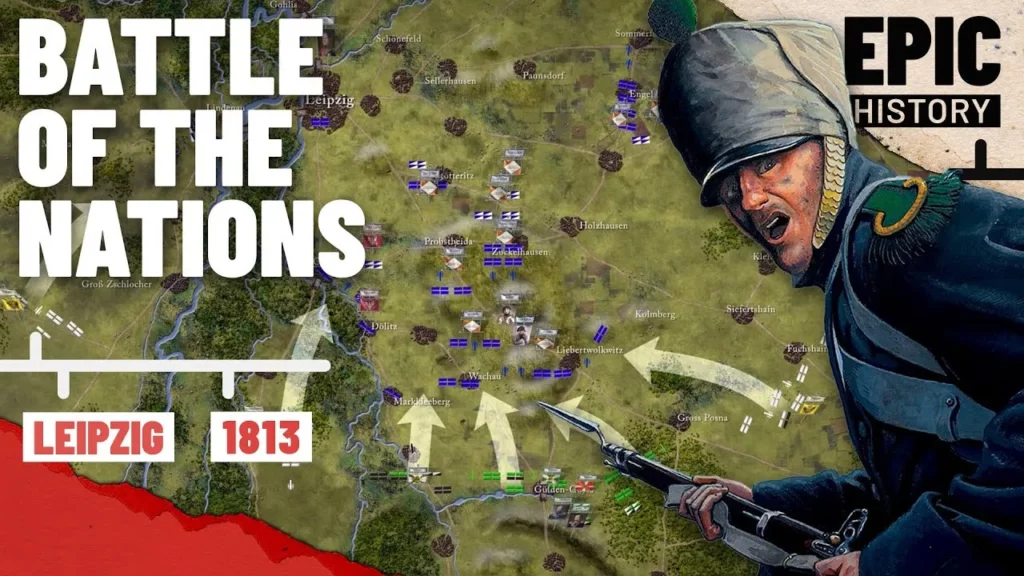
The Battle of Leipzig in October 1813 was a pivotal confrontation during the Napoleonic Wars, where Napoleon Bonaparte faced a formidable coalition of forces that outnumbered his troops nearly two-to-one. Despite initial resistance, the coordinated attacks from the Coalition ultimately overwhelmed the French defenses, leading to a disastrous defeat for Napoleon, with significant casualties on both sides. This battle marked a crucial turning point, signaling the decline of Napoleon’s empire and altering the course of European history.
Murat's charge at Leipzig nearly changed the course of history…
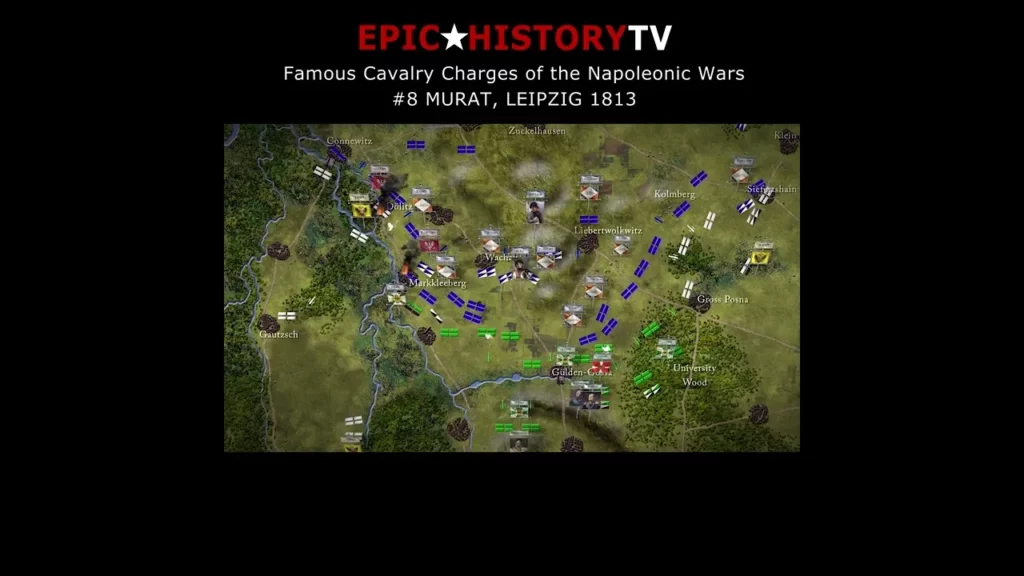
The lesson focuses on Murat’s pivotal cavalry charge during the Battle of Leipzig, a critical moment in the Napoleonic Wars. Despite the boldness and scale of the charge, which involved ten thousand horsemen, challenging terrain hindered its effectiveness, ultimately contributing to Napoleon’s defeat in the battle. This event illustrates how strategic decisions and battlefield conditions can significantly influence historical outcomes.
Murat's charge at Jena routs the Prussians

The lesson on Murat’s Charge at Jena highlights a pivotal moment in the battle where the French forces launched a decisive attack, leading to a chaotic retreat of the Prussian Army. Despite a brief resistance from General Rochelle’s divisions, the French effectively utilized their military tactics, including the strategic use of cavalry, to secure a significant victory that showcased their strength and adaptability in warfare. This battle serves as an important study in military strategy, emphasizing the critical roles of timing, leadership, and the evolution of tactics in shaping the outcomes of conflicts.
Napoleonic Wars: Battle for Germany 1813
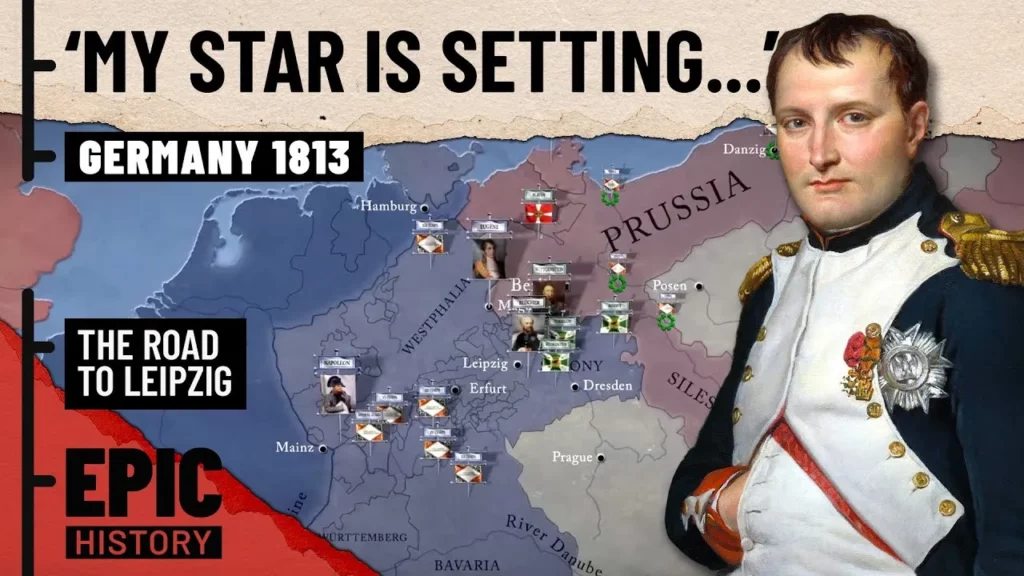
The lesson on the Napoleonic Wars, specifically the Battle for Germany in 1813, highlights the significant challenges Napoleon faced following his disastrous 1812 invasion of Russia, which left his forces weakened and vulnerable. As his allies deserted him and new coalitions formed against France, including the entry of Prussia and Austria into the conflict, Napoleon struggled to rebuild his army with inexperienced conscripts. The ensuing battles showcased the Allies’ strategic advantages and resilience, setting the stage for a pivotal confrontation that would determine the fate of Napoleon’s empire and the future of Europe.
Napoleon in Egypt: Battle of Aboukir 1799
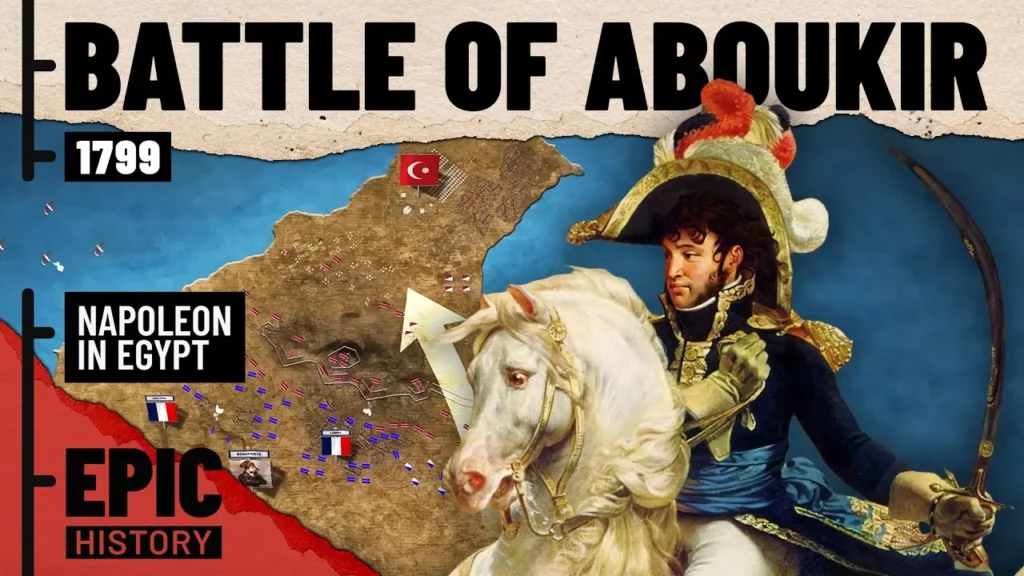
The lesson on Napoleon’s campaign in Egypt, particularly the Battle of Aboukir in 1799, illustrates the challenges he faced after initially conquering the region, including local revolts and a lack of reinforcements due to the destruction of his fleet. Despite setbacks during the siege of Acre and the outbreak of plague, Napoleon achieved a significant victory at Aboukir, which helped restore his reputation. Ultimately, the campaign ended in failure with the French surrendering in 1801, but it contributed to the field of Egyptology through discoveries like the Rosetta Stone.