
The charge of the French cavalry at Wagram
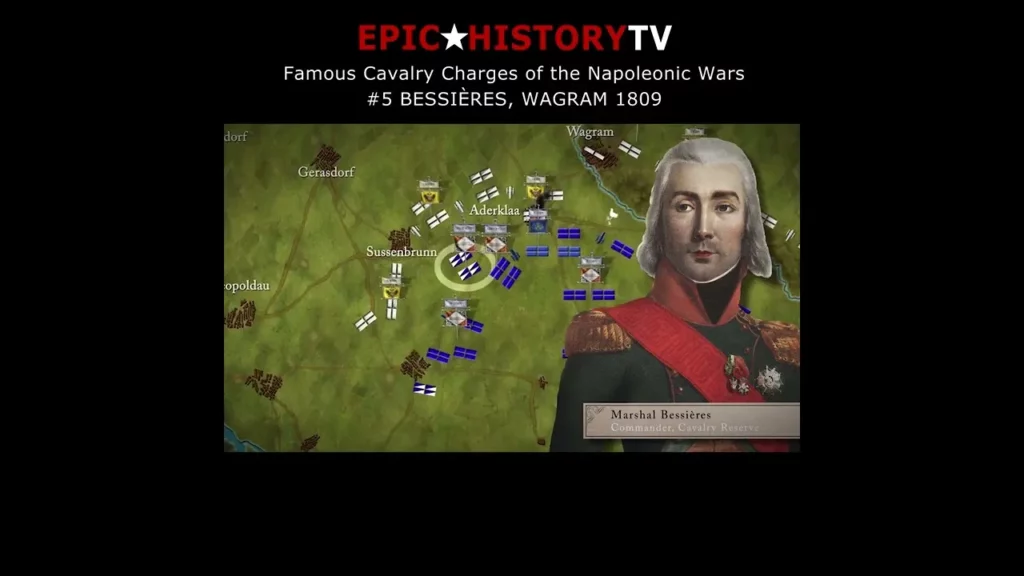
In the Battle of Wagram, Napoleon Bonaparte faced a dilemma in strengthening his army’s left flank while conserving his best troops for a later attack. To address this, he executed a bold strategy by sending Massena’s Fourth Corps to reinforce the left flank while Marshal Bessières led a daring cavalry charge to distract the enemy. This maneuver successfully diverted the enemy’s attention, allowing the French forces to gain a strategic advantage and ultimately contributing to their victory in the battle.
Salamis 480 BC: The Battle for Greece
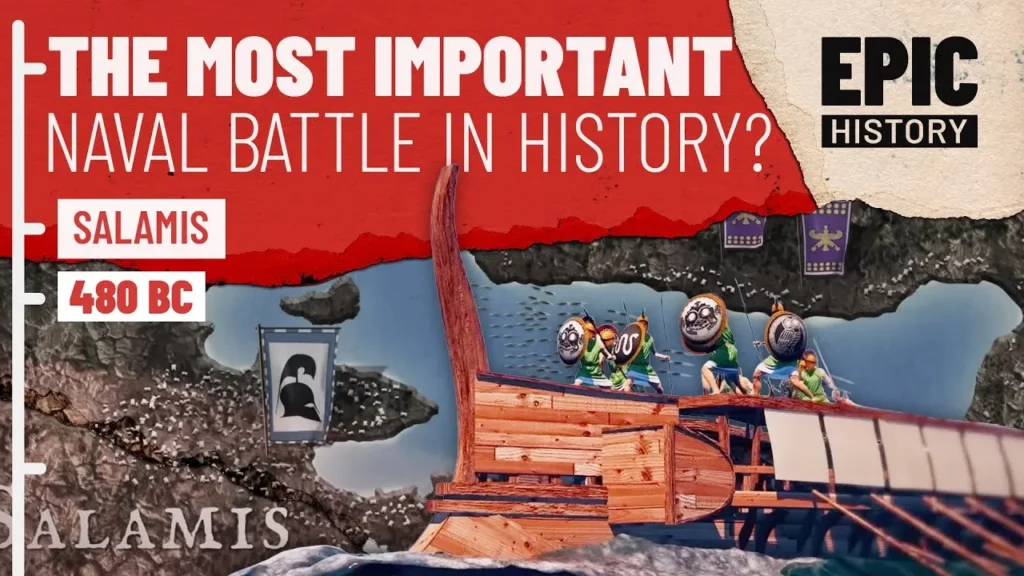
The lesson on the Battle of Salamis in 480 BC highlights the conflict between the powerful Persian Empire, led by King Xerxes, and the united Greek city-states, which sought to defend their autonomy. Following a series of confrontations, including the pivotal battles of Marathon and Thermopylae, the Greeks achieved a decisive victory at Salamis by leveraging their naval strategy in the narrow straits, ultimately thwarting Persian ambitions and laying the groundwork for the flourishing of Greek culture and democracy. This battle is celebrated as a significant turning point in Western civilization, symbolizing the struggle for freedom against tyranny.
Napoleonic Wars: The Peninsular War 1809 – 11

The Peninsular War (1809-1811) marked a significant conflict during the Napoleonic Wars, characterized by fierce resistance from Spanish and Portuguese forces against French rule, particularly after Napoleon installed his brother Joseph as king of Spain. British General Sir Arthur Wellesley played a crucial role, leading successful campaigns and forming alliances despite challenges, while guerrilla warfare by local civilians further strained French resources. Ultimately, the war highlighted the resilience of the Iberian peoples and contributed to the weakening of Napoleon’s military strength, setting the stage for future Allied victories.
How one Corporal's mistake cost Napoleon 30,000 men
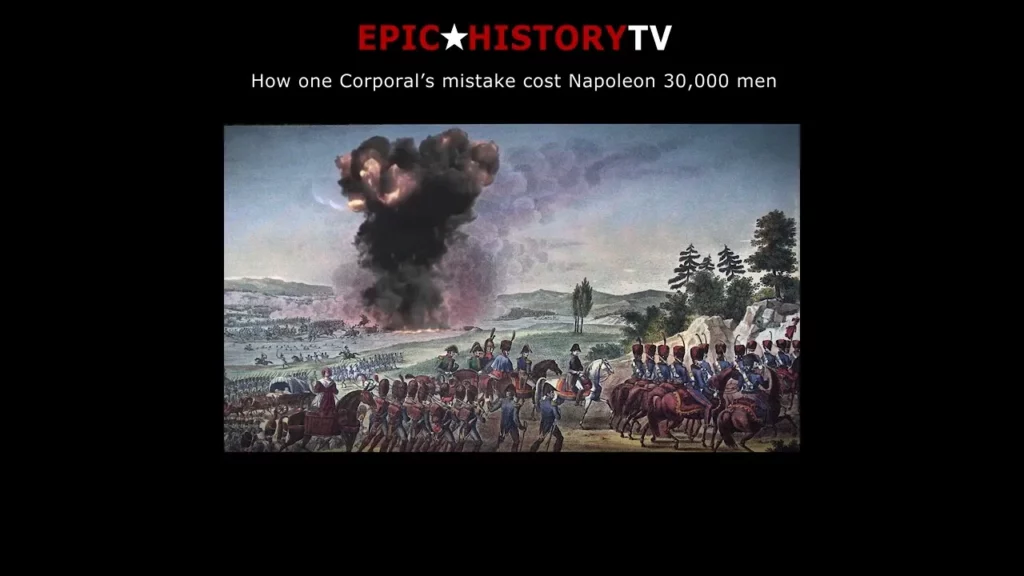
The lesson illustrates how a hasty decision by a Corporal during a critical military operation led to the premature destruction of a bridge, resulting in the isolation and capture of 30,000 of Napoleon’s troops. This incident underscores the importance of clear communication and precise timing in military strategy, as a single mistake can have catastrophic consequences. Ultimately, it serves as a reminder of the unpredictability of war and the significant impact individual actions can have on broader outcomes.
British cavalry destroy the French flank at Salamanca
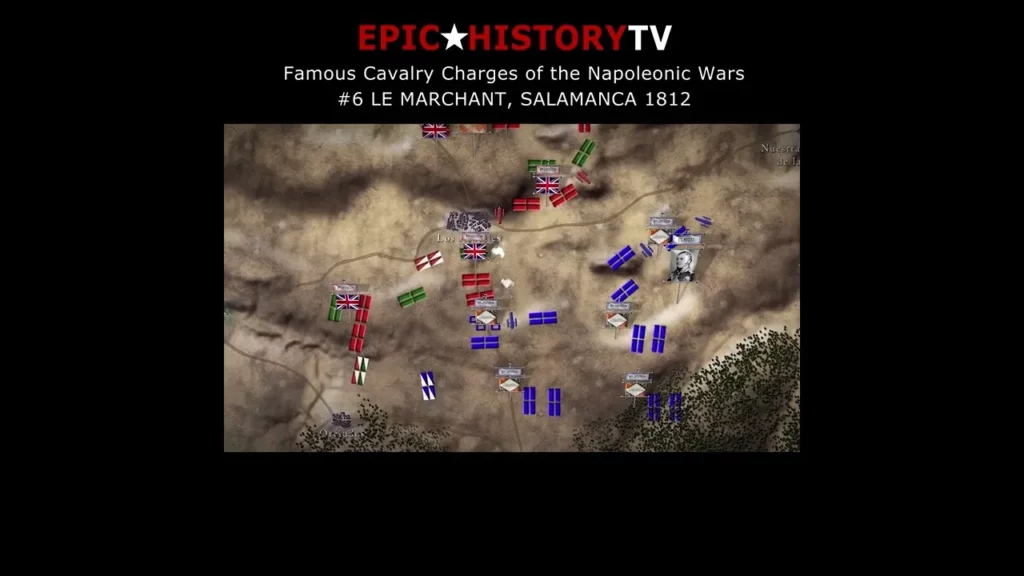
The Battle of Salamanca was a crucial engagement in the Peninsular War, where British forces, under the Duke of Wellington, capitalized on disarray within the French command following the wounding of Marshal Marmont. The British cavalry, supported by infantry and Portuguese brigades, executed a decisive attack that broke the French lines, leading to the collapse of the French Sixth Division and marking a significant turning point in the war. This victory not only bolstered British morale but also weakened French control in Spain, contributing to the decline of Napoleon’s empire.
Napoleonic Wars: Napoleon Invades Russia 1812
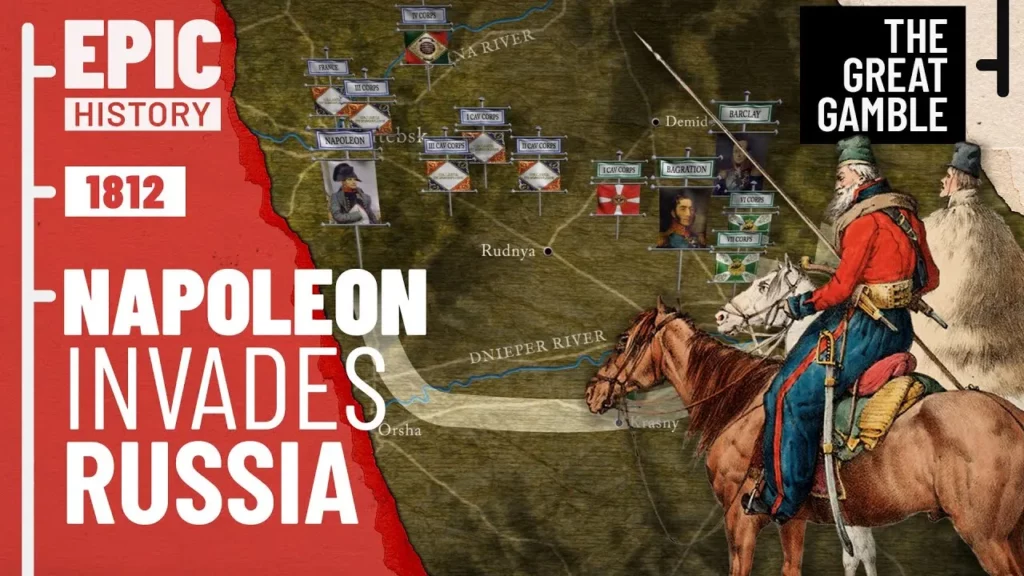
In 1812, Napoleon Bonaparte launched a massive invasion of Russia with the Grande Armée, aiming for a swift victory but facing fierce resistance and harsh winter conditions. Despite initial advances and capturing key locations like Smolensk, the campaign turned disastrous as the Russian strategy of retreat and scorched earth tactics depleted French resources. Ultimately, the invasion marked a significant turning point in the Napoleonic Wars, leading to a historic and catastrophic retreat for Napoleon’s forces.
Apollo Program: The Brink of Disaster

The Apollo Program was a pivotal initiative during the Cold War, aimed at surpassing Soviet space achievements, culminating in the historic moon landing of Apollo 11 in 1969. Despite facing numerous challenges, including near disasters in Apollo 12 and Apollo 13, the program successfully completed several lunar missions, contributing significantly to scientific knowledge. Ultimately, the Apollo missions laid the groundwork for future space exploration endeavors, including the development of the Space Shuttle and international collaborations like the Apollo-Soyuz Test Project.
3D Guide to Britain's Most Famous Warship (2/2)
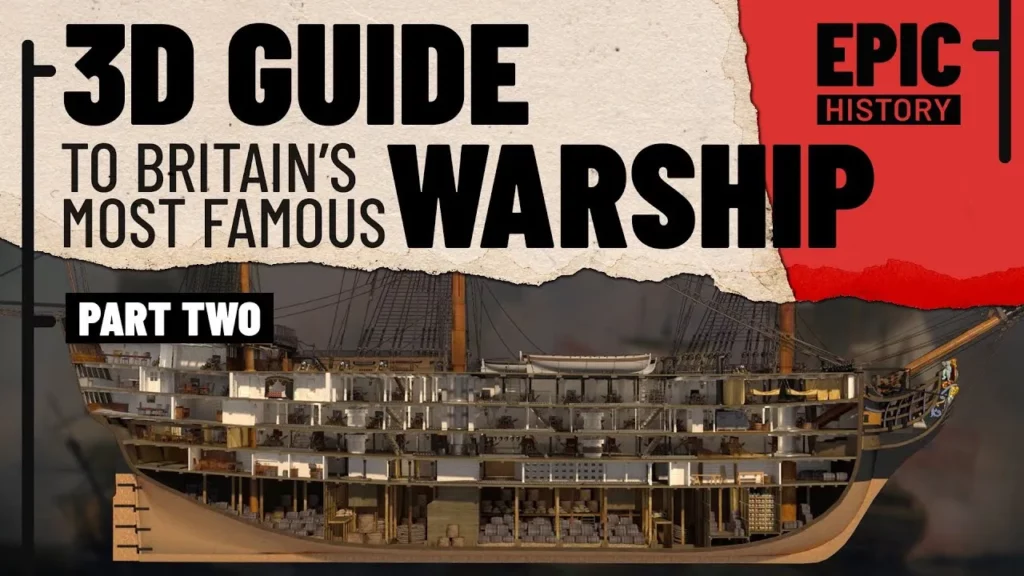
The lesson explores HMS Victory, one of Britain’s most renowned warships, which played a pivotal role during the Napoleonic Wars. It highlights the ship’s impressive crew composition, including both volunteers and those conscripted by press gangs, and details the structured life aboard, marked by strict routines and discipline. Ultimately, HMS Victory’s legacy endures as a museum ship, serving as a memorial to Britain’s naval history and the skilled sailors who manned its decks.
HMS Victory in 3D – The Total Guide
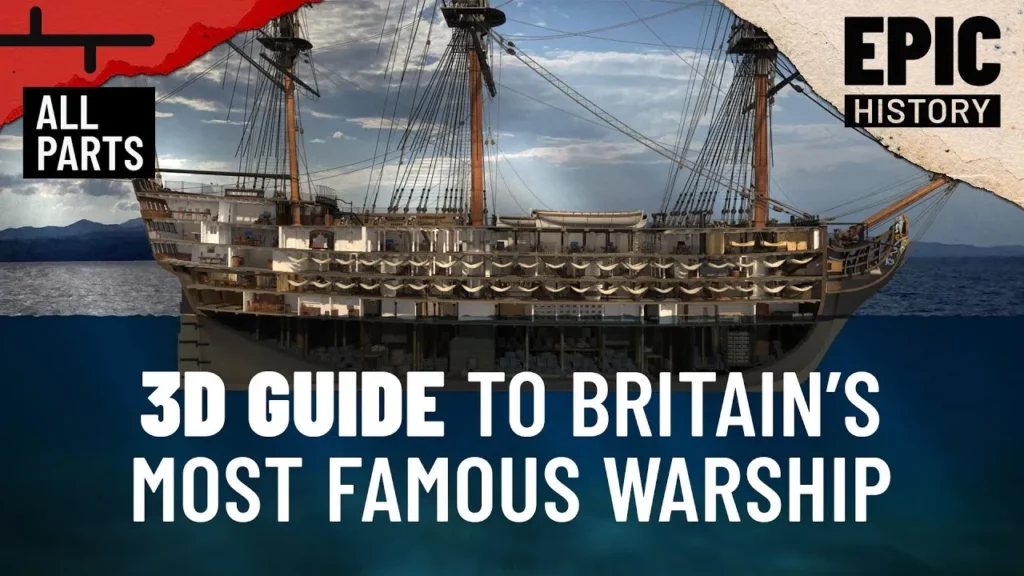
The lesson on HMS Victory highlights the ship’s pivotal role in Britain’s naval dominance during the Napoleonic Wars, particularly its involvement in the decisive Battle of Cape Trafalgar in 1805. It explores the life aboard the ship, detailing the diverse crew, daily routines, and the strategic importance of naval power in disrupting enemy trade and protecting British interests. Today, HMS Victory serves as a preserved museum ship, symbolizing Britain’s rich naval heritage and historical significance.
HMS Victory in 3D: Total Guide (1/2)
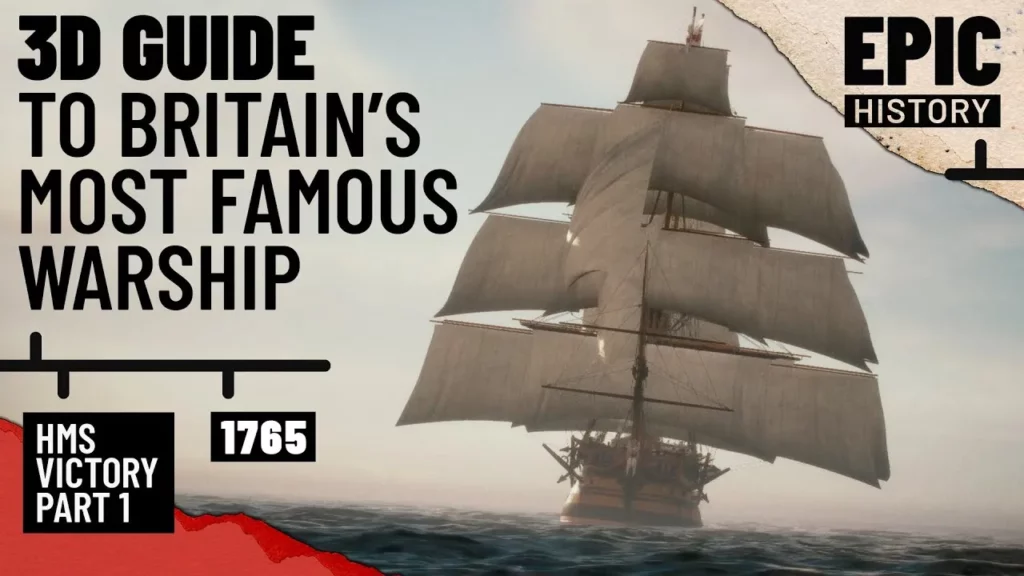
The lesson explores the significance of HMS Victory and the Royal Navy during the Napoleonic Wars, highlighting Britain’s naval dominance in 1805, particularly after the pivotal Battle of Trafalgar. HMS Victory, a remarkable warship with 104 guns and a crew of 820, played a crucial role in naval warfare and is now preserved as a historical symbol of British maritime power. The lesson also details the ship’s construction, life on board, and its ongoing conservation efforts to educate future generations.