
Suez Crisis (All Parts): Causes, Conflict and Global Repercussions
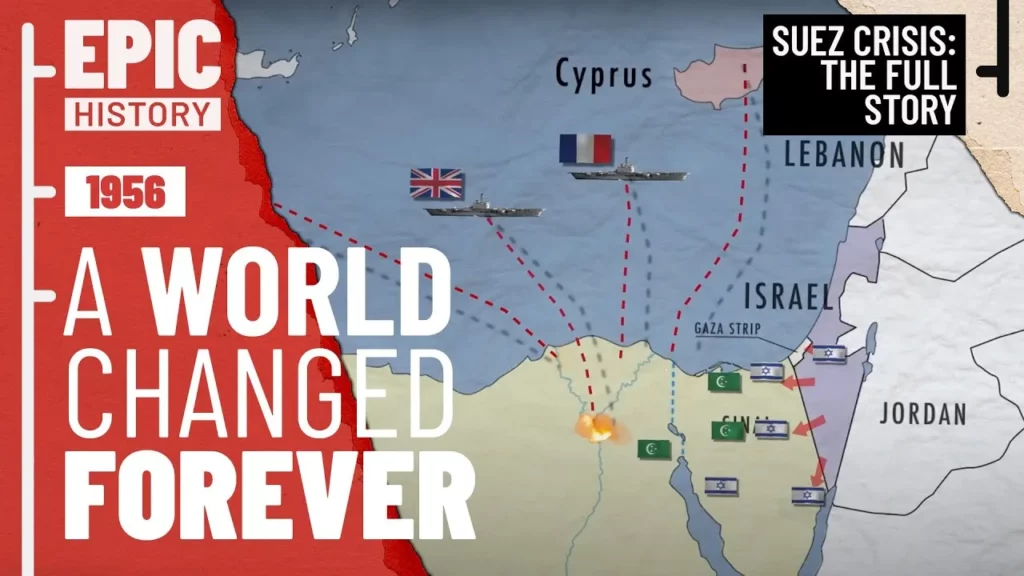
The Suez Crisis of 1956 marked a pivotal moment in global politics, highlighting the decline of European imperialism and the emergence of the United States and the Soviet Union as superpowers. Triggered by Egyptian President Gamal Abdel Nasser’s nationalization of the Suez Canal, the conflict involved Britain, France, and Israel, ultimately leading to their withdrawal under international pressure. This event not only solidified Nasser’s status as a hero in the Arab world but also shifted U.S. foreign policy towards a more active role in the Middle East, setting the stage for future regional conflicts.
Napoleonic Wars: Battle of Salamanca 1812
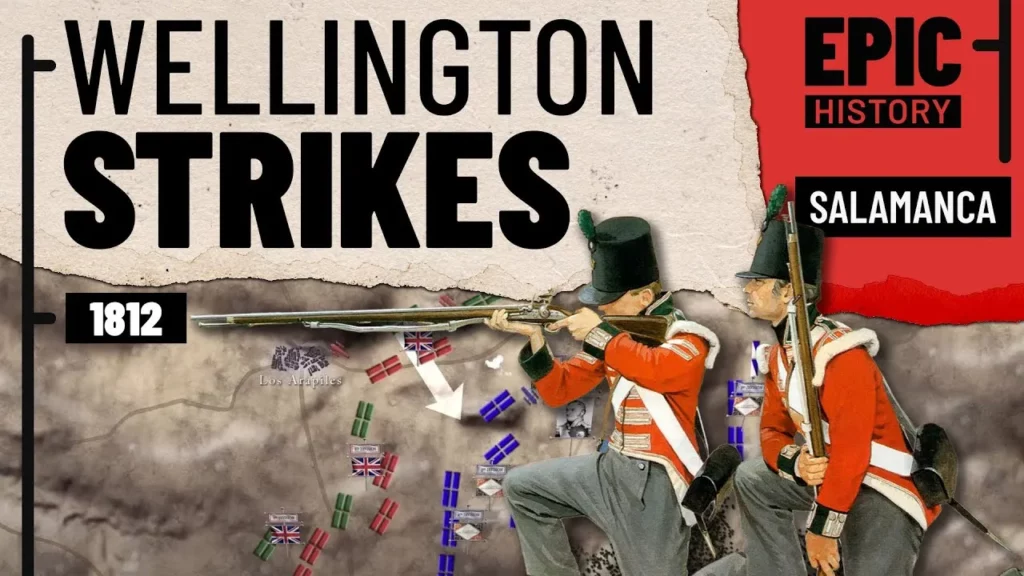
The Battle of Salamanca in 1812 marked a pivotal moment in the Peninsular War, as British forces under Lord Wellington capitalized on the overstretched French troops, who were struggling against guerrilla warfare and internal challenges. Wellington’s strategic maneuvers led to a decisive victory, inflicting heavy casualties on the French and allowing him to liberate Madrid, significantly weakening Napoleon’s control in Spain. This battle not only shifted the momentum in favor of the Allies but also foreshadowed further setbacks for Napoleon in his broader military campaigns.
Napoleon Crosses the Alps: The Road to Marengo
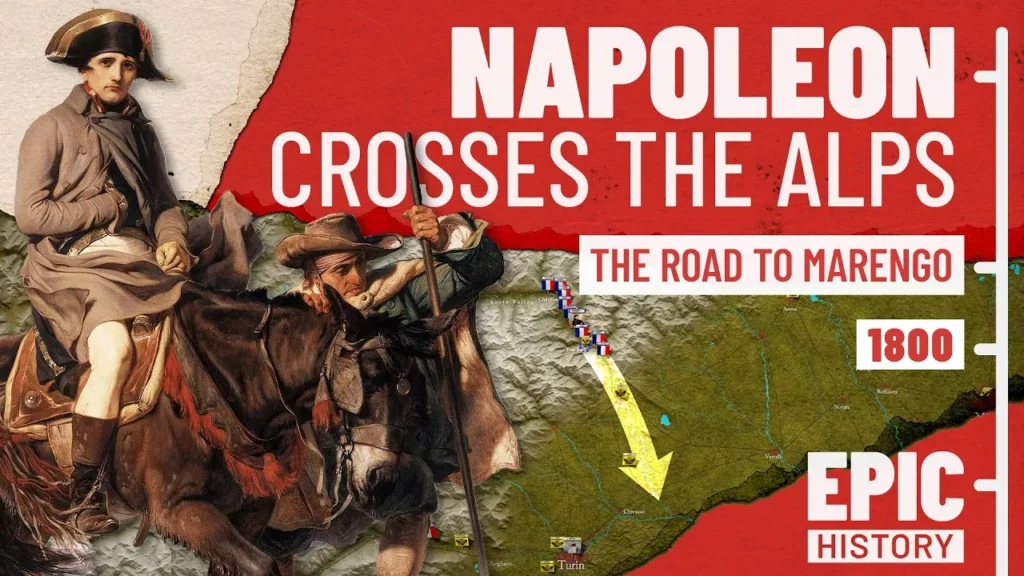
In the lesson “Napoleon Crosses the Alps: The Road to Marengo,” we explore Napoleon Bonaparte’s strategic maneuvers during the military crisis of 1800, as he sought to reclaim French dominance in Italy against Austrian forces. Despite facing significant challenges, including a precarious situation in Genoa and the formidable Alpine terrain, Napoleon executed a daring plan to cross the Alps with his newly assembled Army of the Reserve, ultimately leading to a series of victories that would bolster his reputation and solidify his power as First Consul. The lesson highlights both his military ingenuity and the risks associated with his ambitious strategies.
What is the Rosetta Stone?

The Rosetta Stone, discovered in 1799 during Napoleon’s expedition in Egypt, is a significant artifact that features the same message in three scripts: Demotic, Ancient Greek, and Hieroglyphs. Its importance lies in its role as a key to deciphering Egyptian hieroglyphs, which had been unreadable until then, allowing scholars to unlock the secrets of ancient Egyptian history and culture. Today, the stone resides in the British Museum, where it continues to be a vital resource for understanding the past.
Nelson's Battles in 3D: Cape St. Vincent
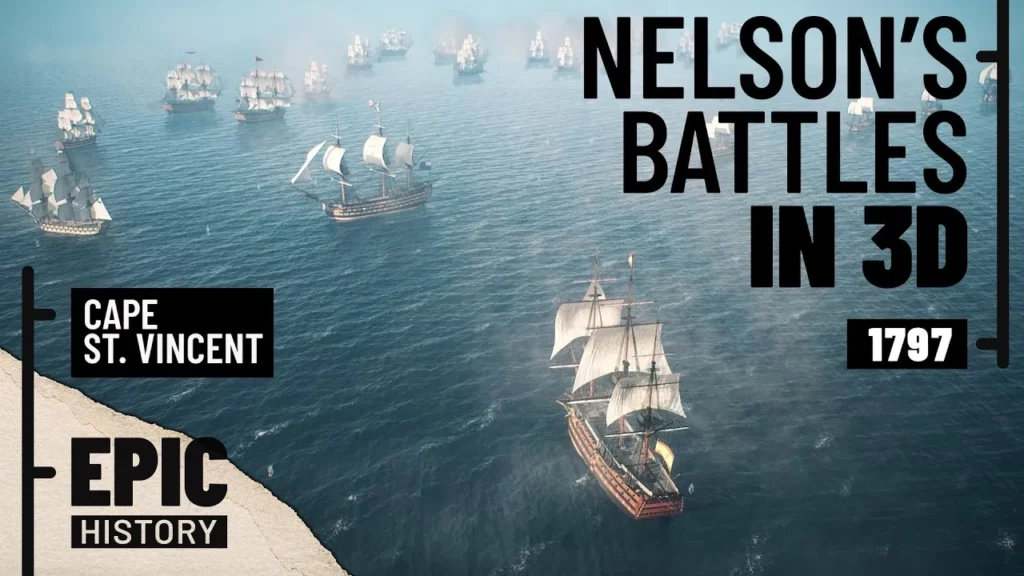
The lesson on “Nelson’s Battles in 3D: Cape St. Vincent” highlights the pivotal role of Admiral Horatio Nelson during the 1797 naval battle against the Spanish fleet amidst the broader context of the French Revolutionary Wars. Despite being outnumbered, Nelson’s bold tactics and decisive actions led to a significant British victory, capturing multiple Spanish ships and solidifying Britain’s naval dominance. This battle not only elevated Nelson to national hero status but also showcased the importance of strategic leadership in overcoming formidable challenges.
What made the Vikings so Dangerous? 5 Viking Deaths and What They Tell Us About the Viking Mindset
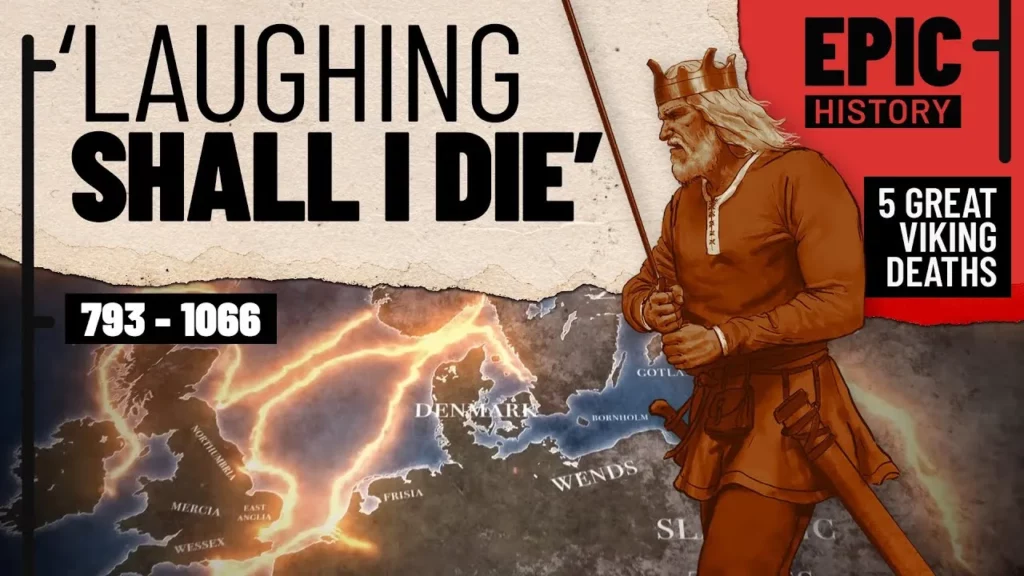
The lesson explores the Viking’s formidable nature, highlighting their surprise attacks, advanced longships, and unique mindset as depicted in their sagas. These narratives, while sometimes questioned for their accuracy, reveal a culture fascinated with death and marked by dark humor, illustrated through notable tales of Viking figures like Ragnar Lodbrok and Harald Hardrada. Ultimately, the Viking era concluded after centuries of raids, but their fearless attitude and cleverness in facing death distinguished them in history.
Napoleonic Wars: Battle of Wagram 1809
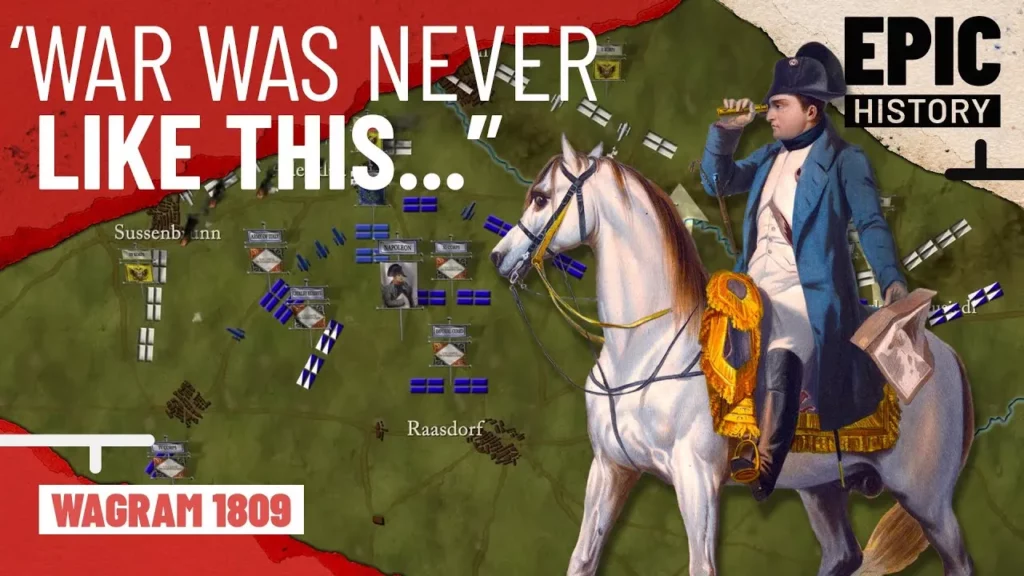
The Battle of Wagram in July 1809 marked a significant confrontation between Napoleon’s French forces and the Austrian army, following Austria’s earlier victory at Aspern. Despite initial setbacks and fierce resistance from the Austrians, Napoleon’s strategic use of artillery and reinforcements ultimately led to a costly French victory, with heavy casualties on both sides. The aftermath saw Austria forced to sign the Treaty of Schönbrunn, ceding territory to Napoleon, but the battle also highlighted vulnerabilities in his military strategy as he increasingly relied on inexperienced conscripts.
Napoleonic Wars: Battle of Aspern-Essling 1809
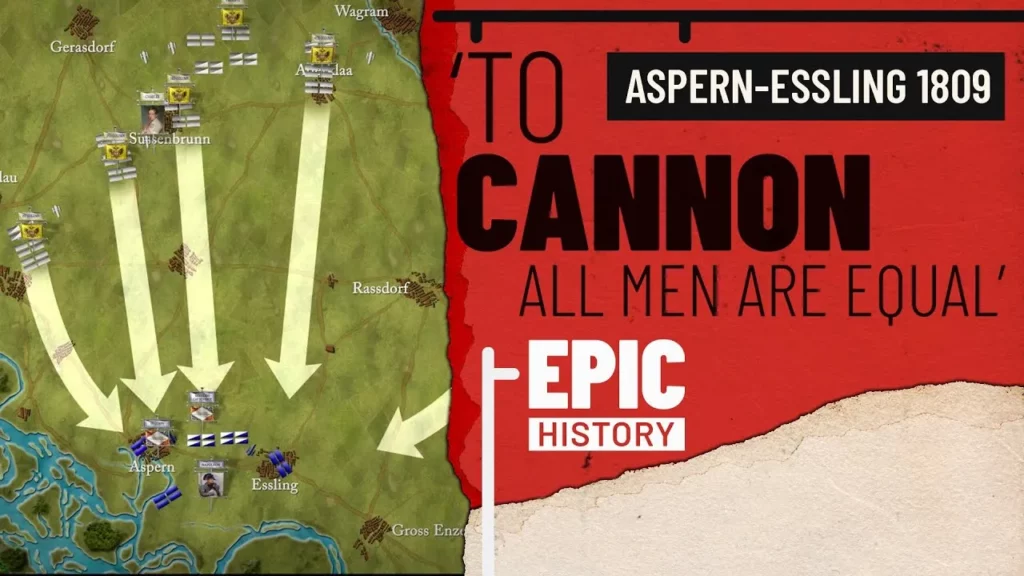
The Battle of Aspern-Essling in 1809 marked a significant turning point in the Napoleonic Wars, as Napoleon Bonaparte faced his first major defeat against the Austrian forces led by Archduke Charles. Despite initial successes and strategic maneuvers, Napoleon’s overconfidence and hasty planning led to heavy casualties for the French, ultimately forcing a retreat. This battle underscored the effectiveness of the reformed Austrian army and highlighted the challenges Napoleon faced as he sought to maintain his dominance in Europe amidst shifting military dynamics.
Kolchak & Russia's Civil War (All Parts)
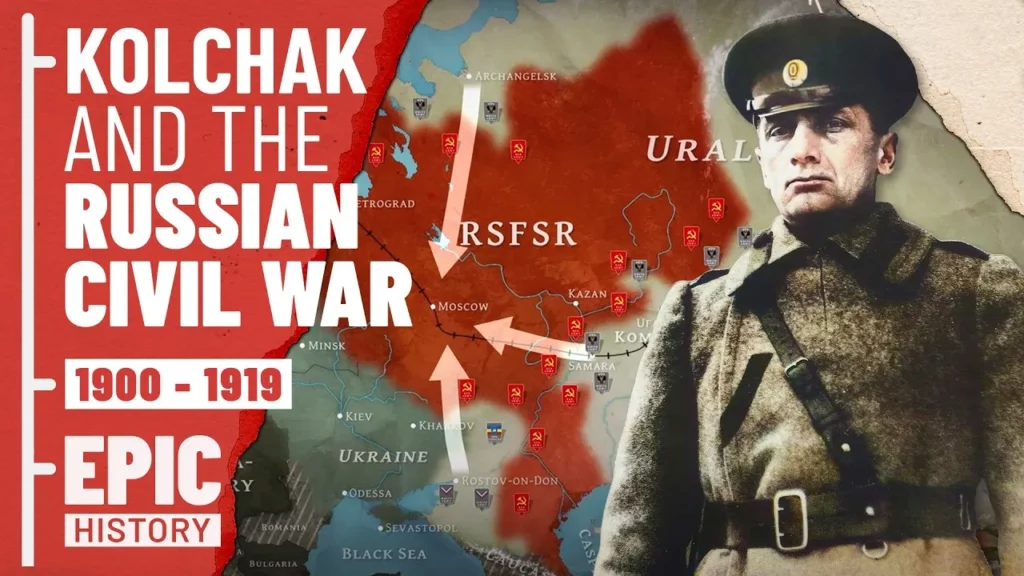
The lesson explores the tumultuous period of Russia’s Civil War following World War One, highlighting Admiral Alexander Kolchak’s rise as a prominent leader among the anti-Bolshevik forces known as the ‘Whites.’ Despite his military achievements and aspirations to restore stability to Russia, Kolchak faced significant challenges in uniting fragmented factions and gaining support, ultimately leading to a tragic legacy overshadowed by the chaos of the era. His journey reflects the complexities and struggles of a nation in turmoil during the early 20th century.
Napoleonic Wars: Battle of Jena-Auerstedt 1806
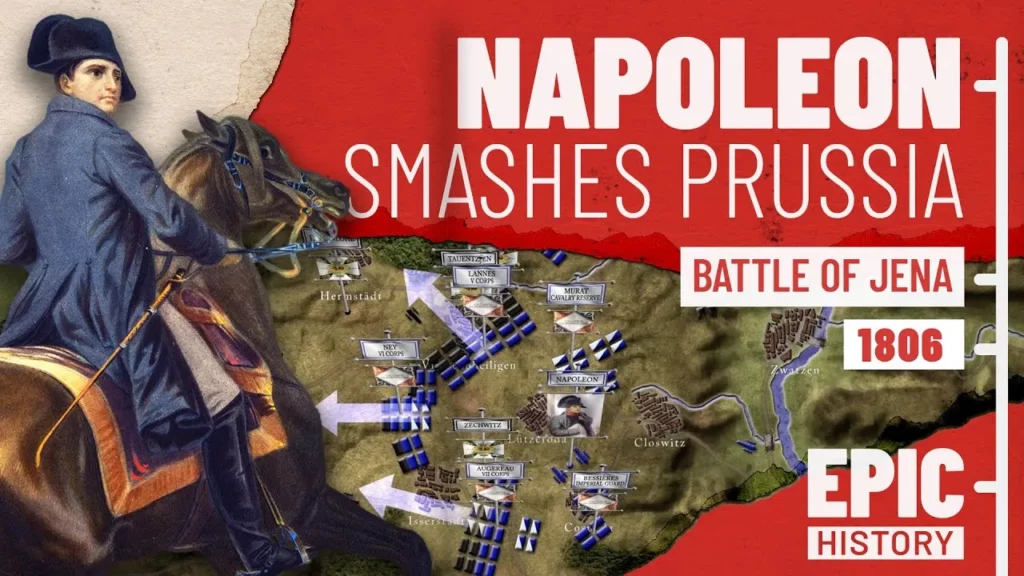
The lesson on the Battle of Jena-Auerstedt in 1806 highlights the significant military and political shifts in Europe following Napoleon’s rise to power. After his victory at Austerlitz, Napoleon’s aggressive strategies led to the dissolution of the Holy Roman Empire and increased tensions with Prussia, culminating in the decisive battles of Jena and Auerstadt, where French forces achieved a remarkable victory despite being outnumbered. These events solidified Napoleon’s dominance in Europe, although challenges remained as Prussia sought assistance from Russia to continue the conflict.