
How To Tell if a Dog Has a Fever
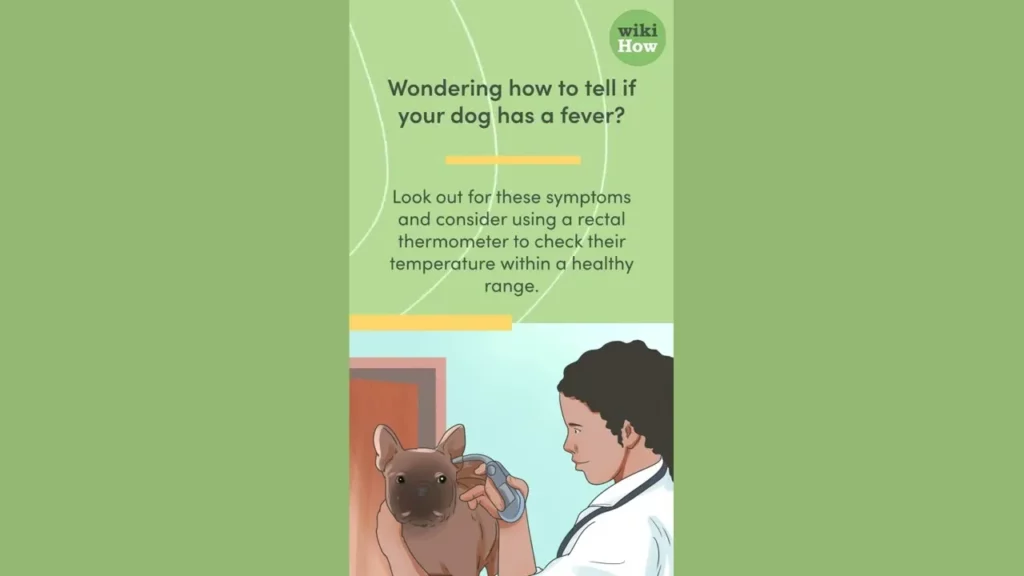
This lesson teaches dog owners how to identify signs of a fever in their pets, such as lethargy, decreased appetite, vomiting, and respiratory issues. It emphasizes the importance of checking a dog’s temperature with a rectal thermometer and highlights the normal temperature range of 100.5°F to 102.5°F. If a fever is suspected, contacting a veterinarian for further evaluation and treatment is recommended, along with general tips for maintaining a dog’s health.
How To Tell if an Avocado Is Ripe
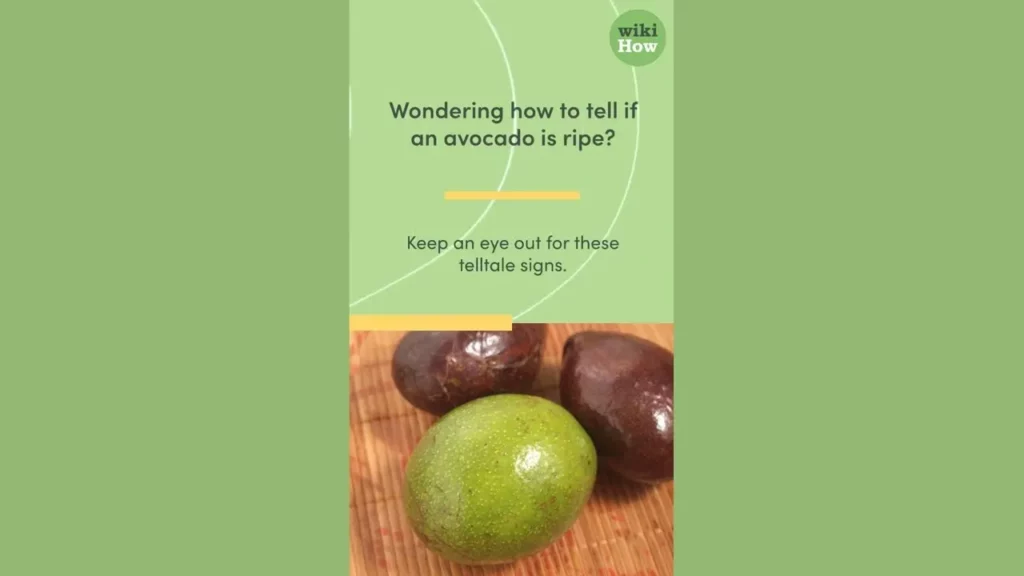
This lesson provides simple methods to determine if an avocado is ripe and ready to eat. Key techniques include gently squeezing the fruit, checking the color of the skin, and inspecting the stem for green or brown underneath. Additionally, it offers a tip for ripening avocados faster by placing them in a paper bag with a banana or apple.
How To Tell if a Cantaloupe Is Ripe
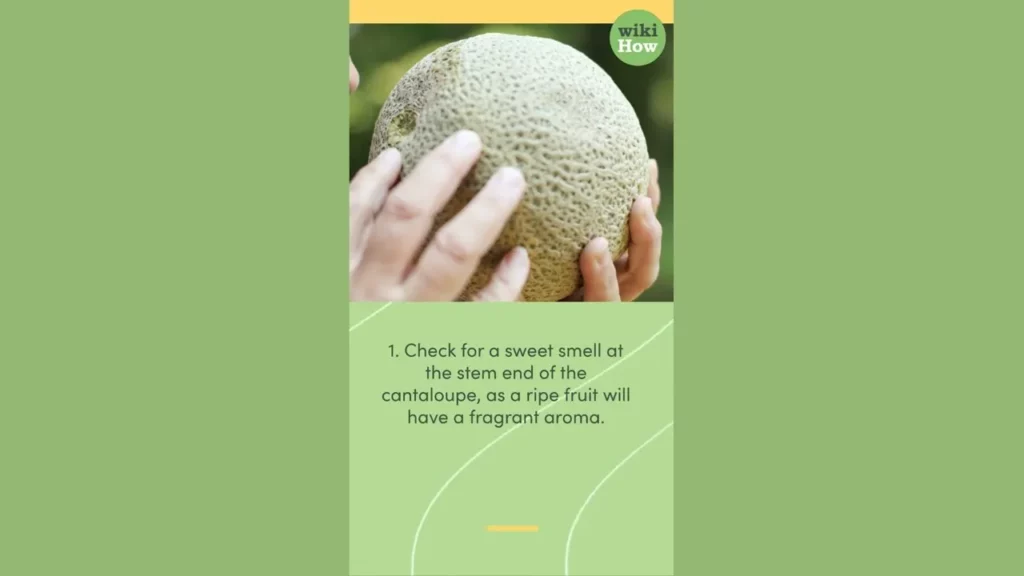
This lesson provides simple tips for selecting a ripe cantaloupe, emphasizing three key methods: smelling the stem end for a sweet aroma, gently pressing the blossom end to check for slight softness, and observing the skin color for a creamy yellow or golden hue. Additionally, it highlights the health benefits of cantaloupes, also known as muskmelons, which are rich in vitamins C and A. Happy fruit hunting!
How To Tell if Diamonds Are Real

This lesson outlines effective methods for determining the authenticity of diamonds, emphasizing the importance of certifications from reputable gemological laboratories, such as the GIA or AGS. It also highlights practical techniques like using a jeweler’s loupe to inspect for natural imperfections and conducting a thermal conductivity test to differentiate real diamonds from imitations. Additionally, the lesson encourages consulting with professional jewelers or gemologists for a definitive assessment, enhancing both the appreciation and protection of one’s investment in diamonds.
How To Wash a Comforter
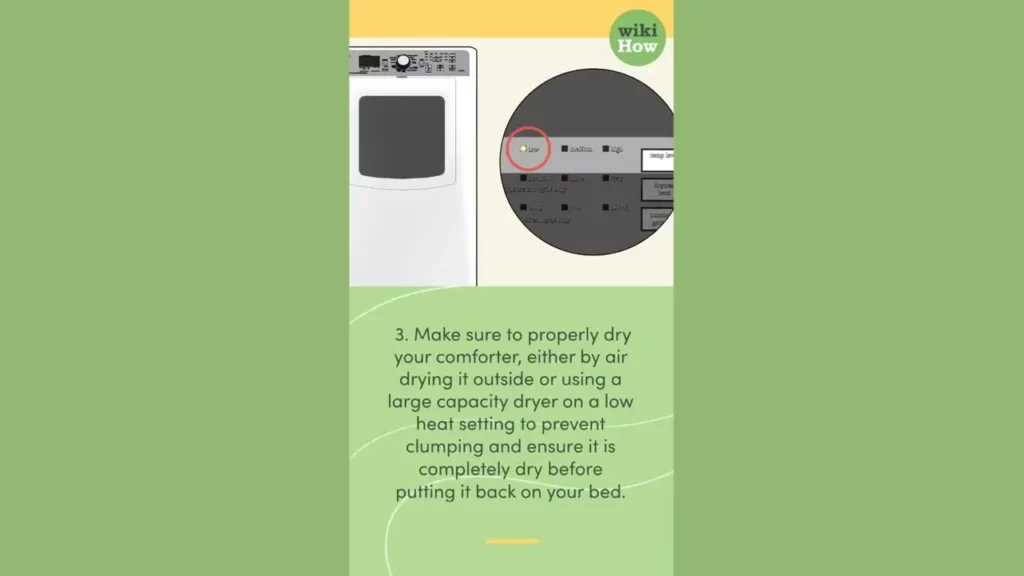
This lesson provides a simple guide on how to properly wash a comforter, emphasizing the importance of checking the care label for specific washing instructions. It advises using a mild detergent to avoid damaging the fabric and suggests drying the comforter on a low heat setting or air drying to maintain its fluffiness. Regular washing every few months is recommended to keep the comforter fresh and cozy.
How To Wash Hats
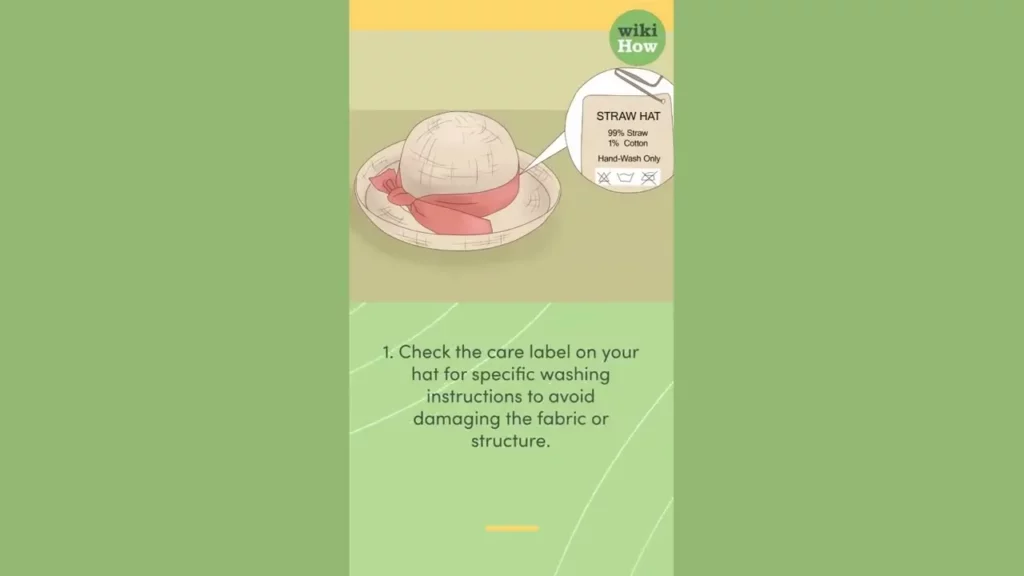
This lesson provides a simple guide on how to wash hats effectively while preserving their shape and fabric. It emphasizes the importance of checking the care label, using a gentle detergent for hand washing, and air drying the hat to prevent damage. Additional tips for hat care include proper storage and stain removal techniques to maintain their appearance.
How To Wash Pillows
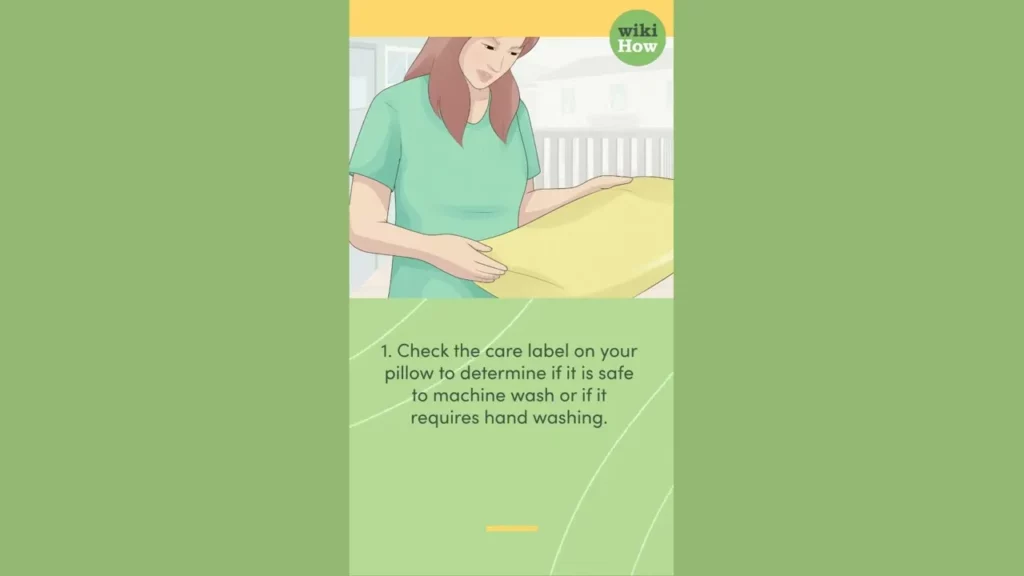
This lesson provides a simple guide on how to wash pillows effectively, emphasizing the importance of checking the care label, using gentle detergent, and drying them properly to maintain their quality. Additional tips include regularly fluffing pillows, using protectors to extend their lifespan, and knowing when to replace them for optimal comfort. Following these steps ensures your pillows remain fresh and cozy for a good night’s sleep.
How To Soften Butter Quickly
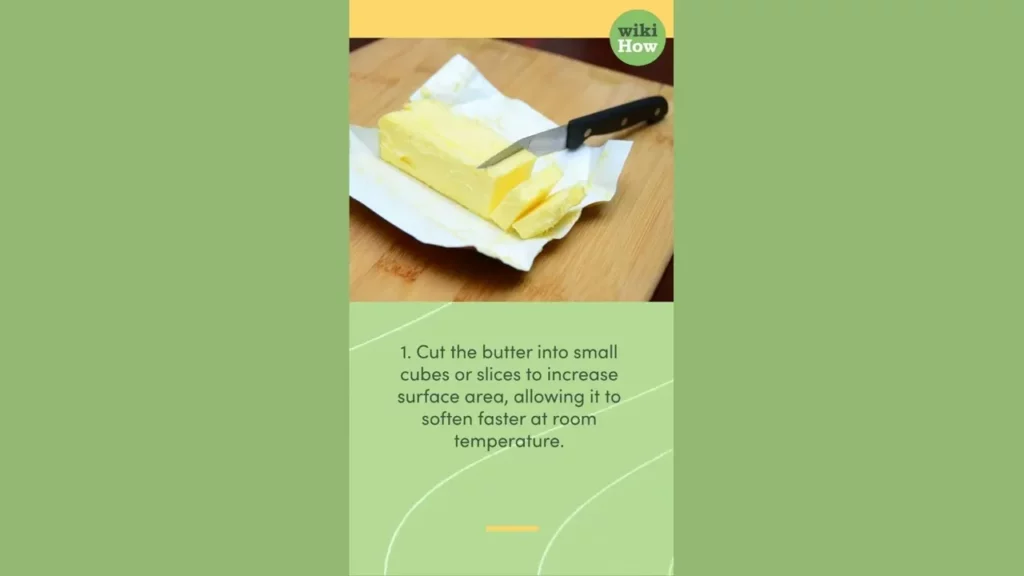
This lesson provides several quick and effective methods to soften butter for cooking and baking, including cutting it into small pieces, using the microwave in short bursts, and pounding it in a plastic bag. Soft butter is essential for achieving the right texture in recipes, as it blends more easily with other ingredients. Additionally, planning ahead by taking butter out of the fridge can save time when preparing meals.
How To Clean Outdoor Rugs
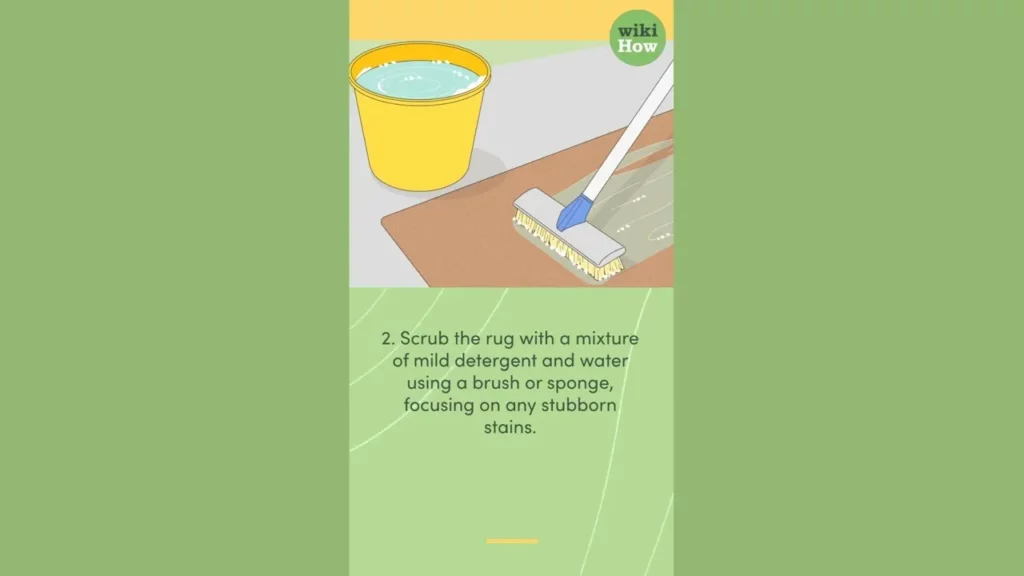
This lesson provides a simple guide on how to keep outdoor rugs clean and well-maintained. It outlines three main steps: shaking off dirt, scrubbing with a mild detergent, and rinsing thoroughly before air drying. Additionally, it offers extra tips for regular care, such as cleaning frequency and storage during bad weather, to ensure the longevity and freshness of outdoor rugs.
How To Clean an Oven Glass Window
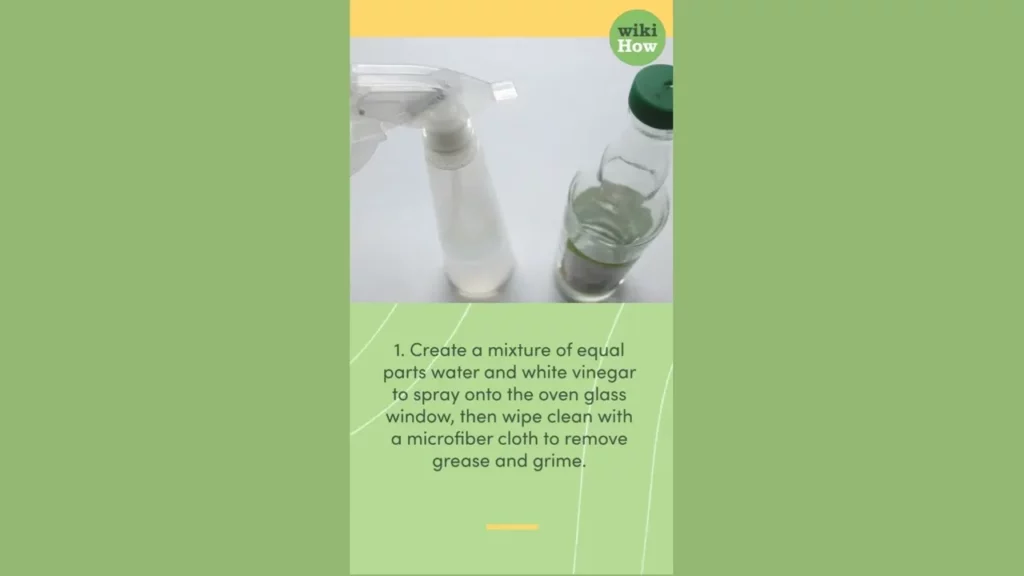
This lesson provides a step-by-step guide on how to effectively clean an oven glass window using simple methods. It outlines the preparation of a vinegar solution for general cleaning, the use of baking soda for tough stains, and the option of commercial cleaners for persistent grime. Additionally, it emphasizes the importance of regular maintenance and proper ventilation during the cleaning process to achieve a sparkling finish.