
Apollo Program: Tragedy and Triumph (All Parts)
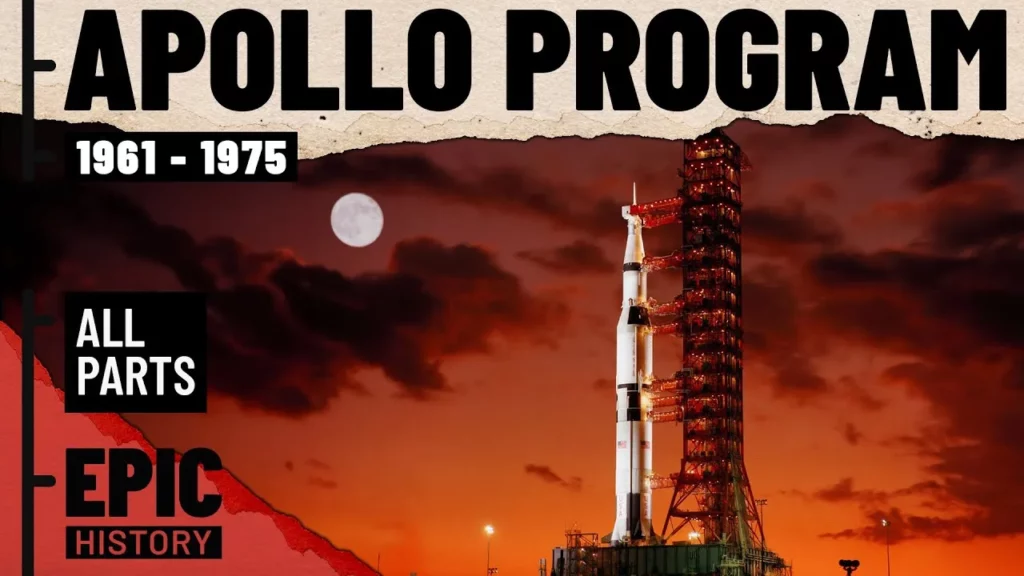
The Apollo Program, initiated in response to the Cold War space race, aimed to land a man on the Moon and return him safely to Earth, a goal set by President Kennedy in 1961. Despite facing significant challenges, including the tragic loss of astronauts in the Apollo 1 fire, the program achieved remarkable milestones, culminating in the historic Apollo 11 mission where Neil Armstrong became the first human to walk on the lunar surface in 1969. Following the Apollo missions, NASA has continued to advance space exploration with initiatives like the Artemis Program, which aims to return humans to the Moon and prepare for future missions to Mars.
Napoleonic Wars: Battle of Austerlitz 1805
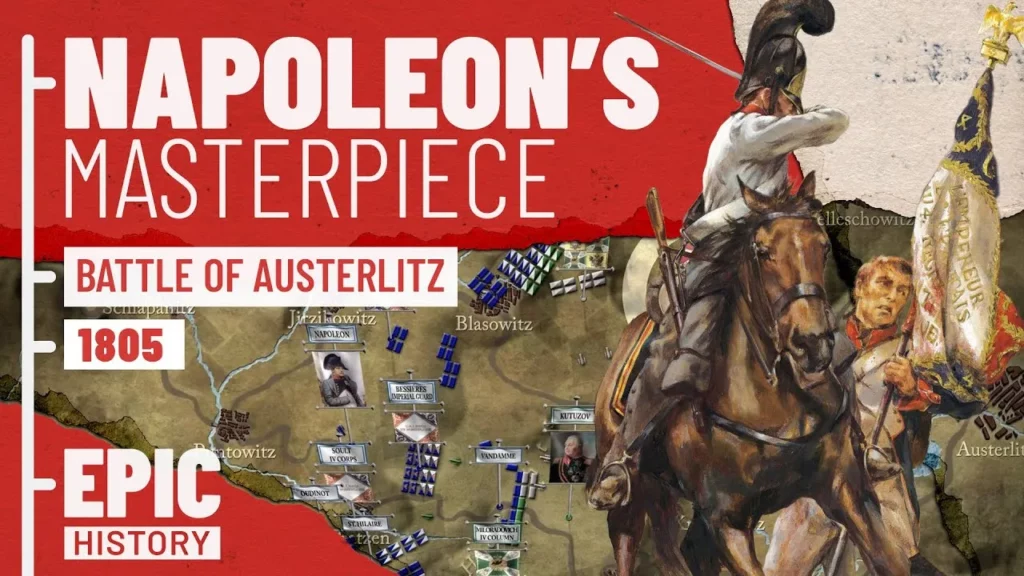
The lesson on the Battle of Austerlitz in 1805 highlights the strategic brilliance of a newly crowned ruler who, after rising to power amidst revolution, faced a coalition of monarchies and a powerful maritime nation. Through careful planning and decisive action, the ruler’s well-trained army achieved a significant victory on land, despite the ongoing naval dominance of the enemy. This battle not only showcased the ruler’s military acumen but also set the stage for continued conflict in Europe, as the struggle between land and naval powers persisted.
Napoleonic Wars: Battle of Waterloo 1815
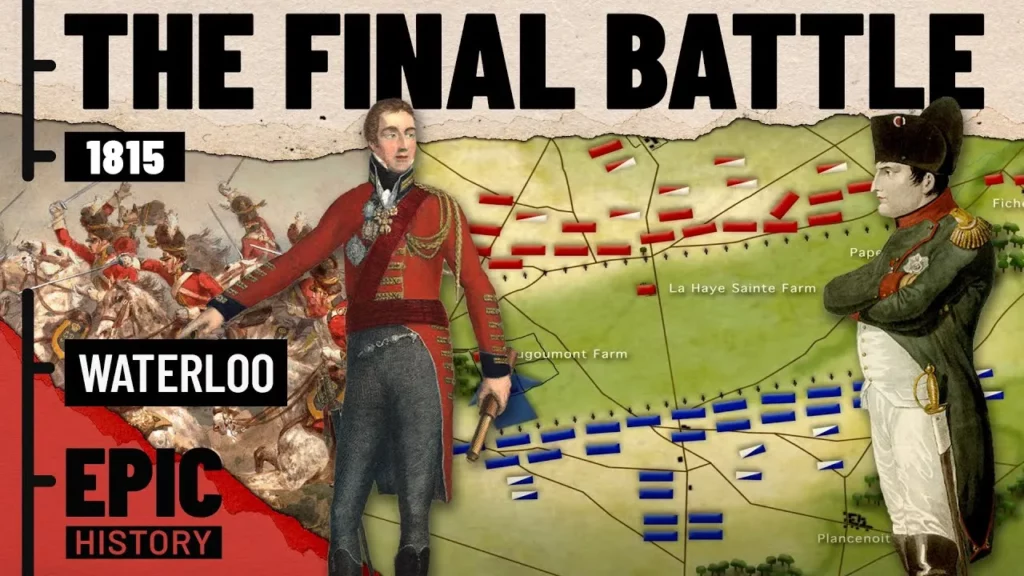
The Battle of Waterloo in 1815 marked the decisive defeat of Napoleon Bonaparte, who had returned from exile in Elba to reclaim power in France. Despite initial successes against coalition forces, Napoleon’s delayed attack and strategic miscalculations led to a catastrophic loss against the combined armies of the Duke of Wellington and Prince Blucher. This battle not only ended Napoleon’s rule but also ushered in a prolonged period of peace in Europe, lasting nearly 40 years.
Nelson's Battles in 3D: The Nile
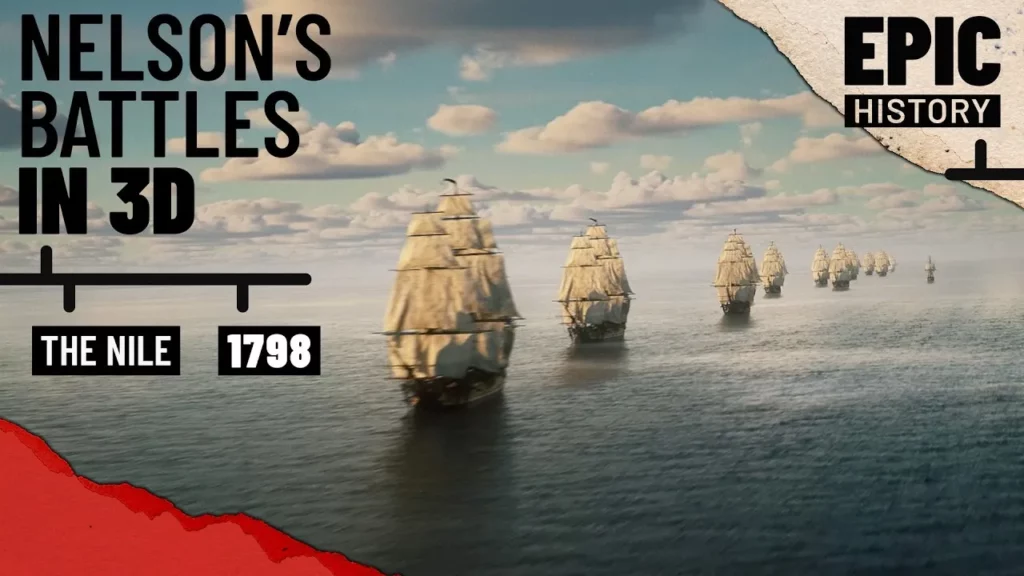
The lesson on “Nelson’s Battles in 3D: The Nile” explores the pivotal role of Admiral Horatio Nelson during the French Revolutionary Wars, particularly focusing on the Battle of the Nile in 1798. It highlights how Nelson’s strategic brilliance and bold tactics led to a decisive British victory against the French fleet, significantly altering the balance of naval power in the Mediterranean and crippling Napoleon’s campaign in Egypt. This battle not only solidified Nelson’s status as a national hero but also had far-reaching consequences for the ongoing conflict in Europe.
American Presidents: A Complete Timeline – Harrison to Obama (2/2)
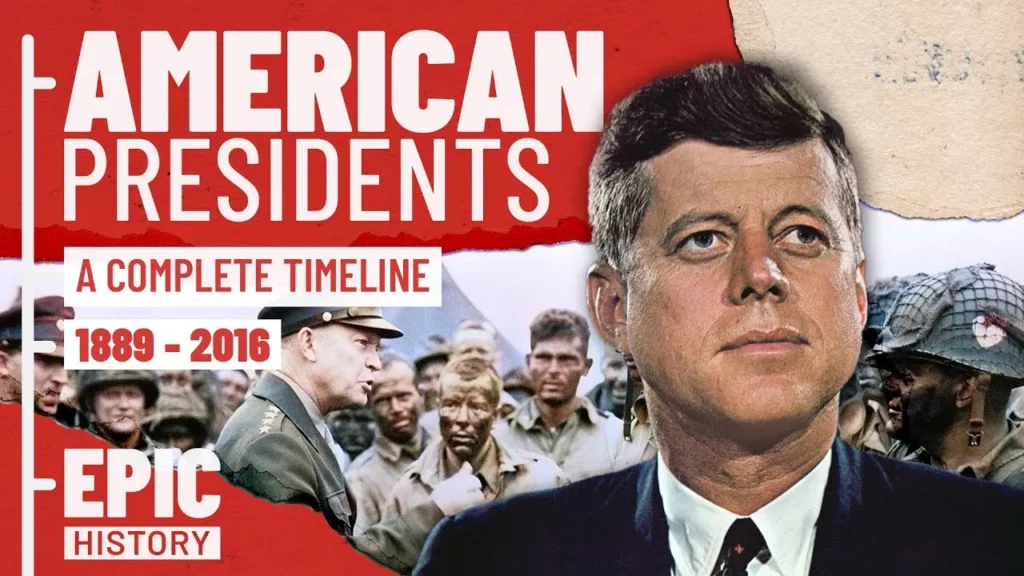
In this lesson, we explored the presidencies of Benjamin Harrison through Barack Obama, highlighting key events and challenges faced by each leader. From economic reforms and foreign wars to civil rights advancements and political scandals, each president contributed uniquely to the fabric of American history. The lesson emphasizes the diverse legacies of these leaders and their impact on the nation.
Battle of the Somme 1916
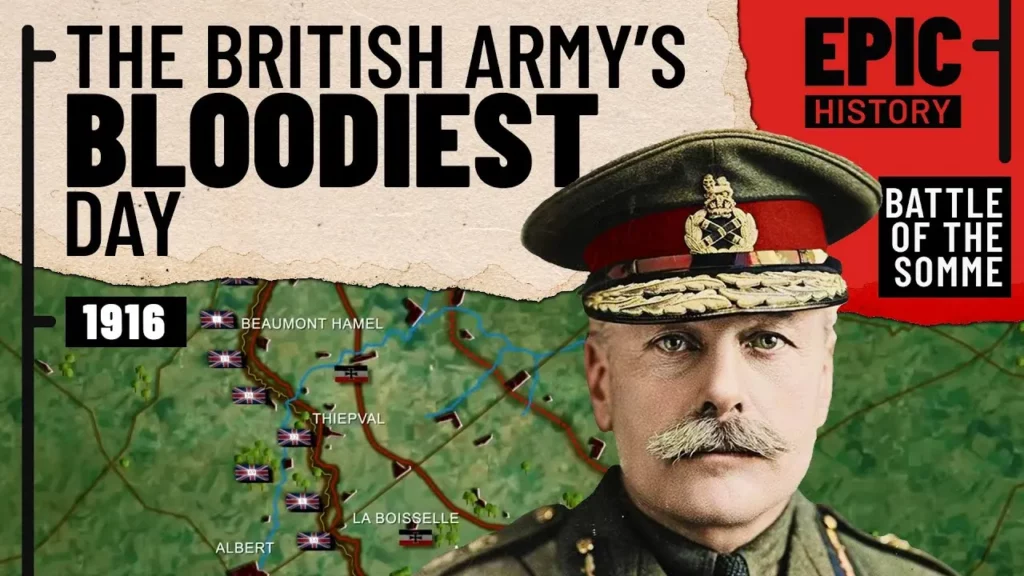
The Battle of the Somme, fought in 1916 during World War One, was a significant yet tragic military engagement characterized by a brutal stalemate on the Western Front. Despite extensive planning and a massive artillery bombardment, the British forces faced devastating casualties on the first day, which became the bloodiest in British Army history. Ultimately, while the battle highlighted the failures of military strategy and resulted in immense loss of life, it also played a crucial role in weakening the German forces and contributed to the eventual Allied victory.
Napoleon urges his men across the bridge at Lodi
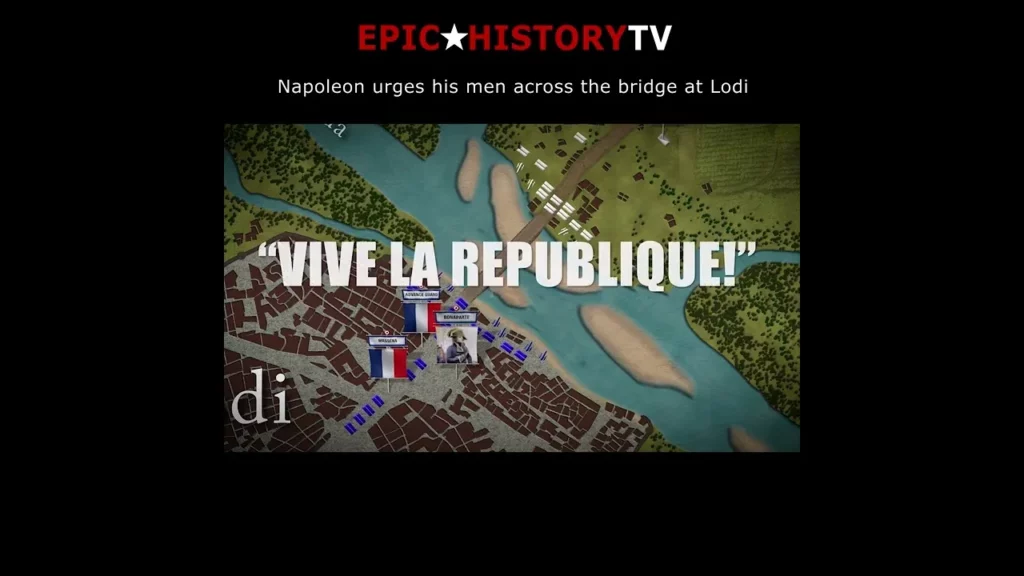
In the lesson “Napoleon Urges His Men Across the Bridge at Lodi,” we explore a pivotal moment during a fierce battle where Napoleon, bolstered by reinforcements, inspires his troops to charge across a bridge against Austrian forces. This event underscores the significance of strong leadership and teamwork, demonstrating how motivation and courage can lead to success in challenging situations. Ultimately, it highlights the enduring lessons of strategy, perseverance, and the power of collective effort in achieving common goals.
History of a Mediterranean Superpower: The Rise of Venice
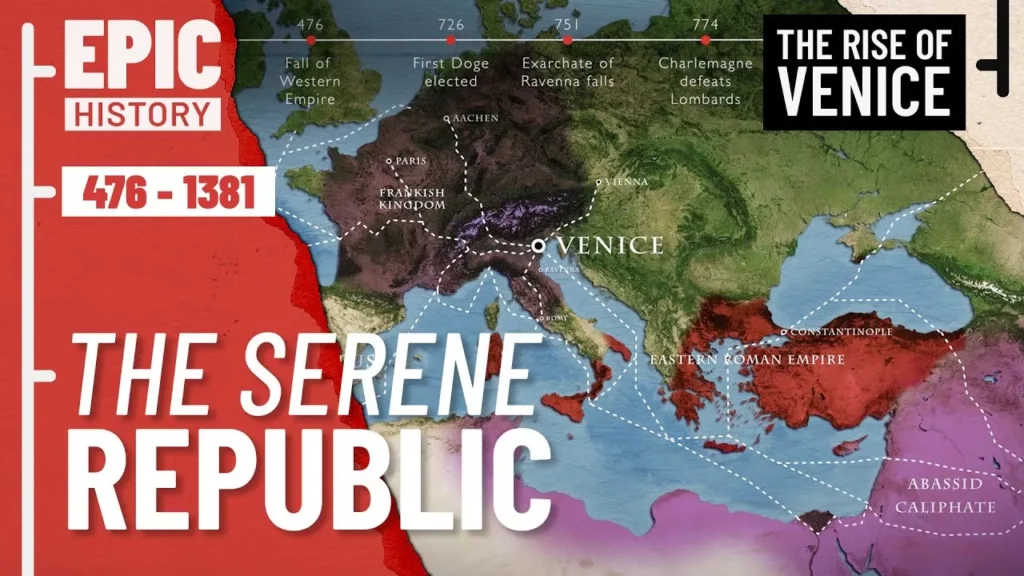
The lesson explores the rise of Venice as a Mediterranean superpower, detailing its origins as a refuge during the fall of the Roman Empire and its evolution into a major trading hub. Key factors in Venice’s success included its strategic location, naval strength, and effective governance, which allowed it to thrive amidst rivalries, particularly with Genoa, and to play a significant role during the Crusades. The city’s unique blend of democracy, oligarchy, and monarchy, along with a robust diplomatic network, contributed to its resilience and enduring influence in the region.
The legendary charge of the British cavalry at Waterloo
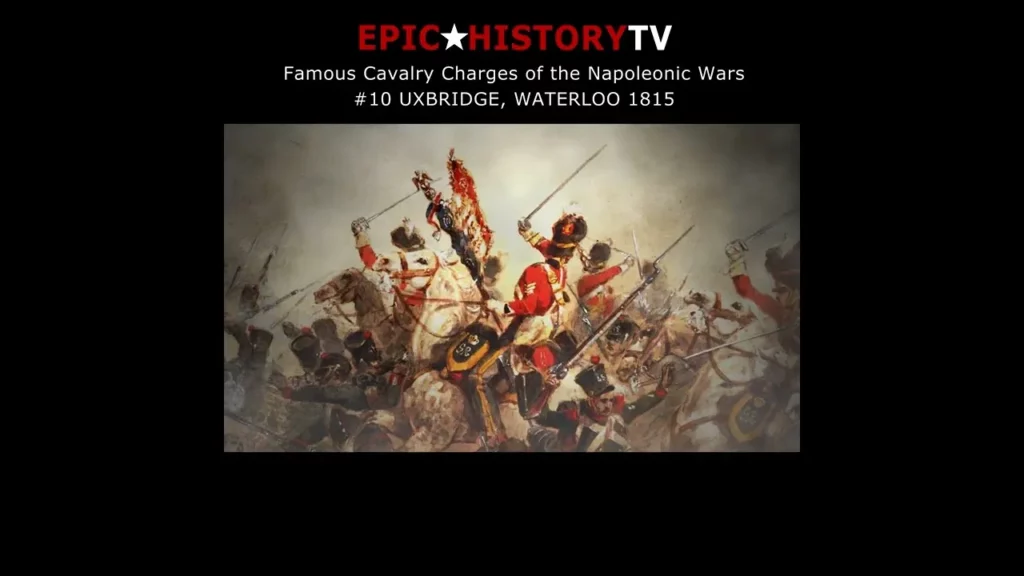
The charge of the British cavalry at the Battle of Waterloo exemplifies the balance between bravery and strategic discipline in warfare. Initially, the British cavalry’s powerful charge caught the French off guard and led to the capture of significant symbols, boosting British morale. However, their overzealous pursuit into enemy lines left them vulnerable to a counterattack, highlighting the critical lesson that success must be tempered with caution and awareness of one’s limitations in battle.
World War 1 – 1916
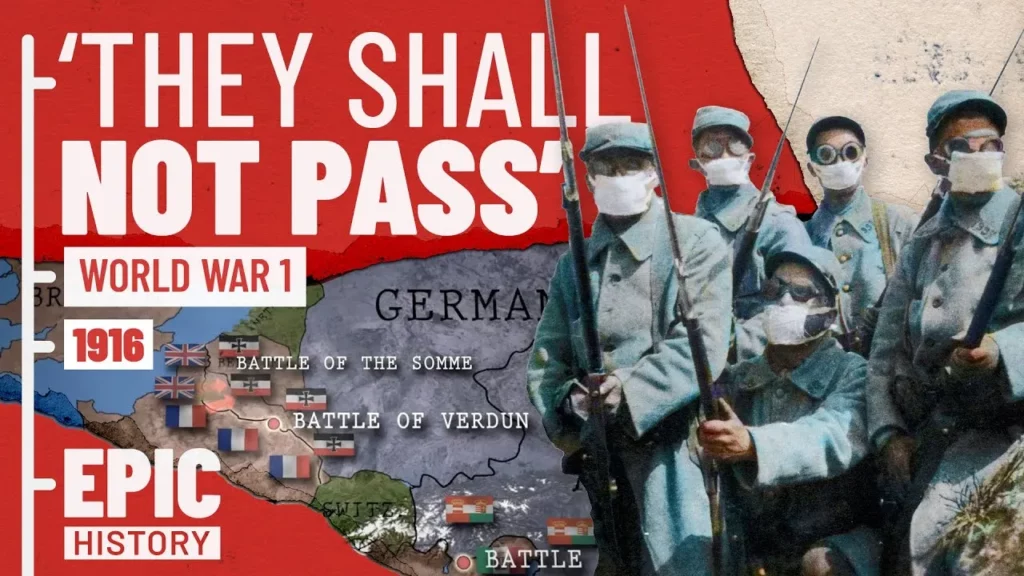
By 1916, World War I had transformed from an anticipated quick conflict into a prolonged and devastating war, resulting in millions of casualties and widespread shortages across Europe. Key battles, such as Verdun and the Somme, highlighted the brutal stalemate on the Western Front, while global dynamics shifted with new alliances and military strategies, including the introduction of conscription in Britain and the use of tanks. The year also saw significant political changes and continued efforts for peace, but the war showed no signs of ending.