
How To Freeze Ginger
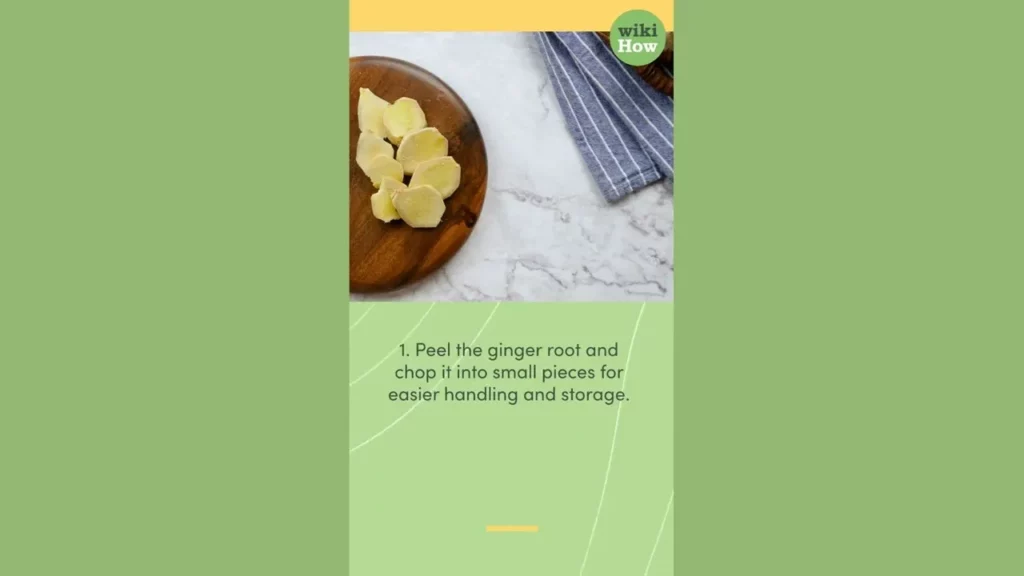
This lesson explains how to freeze ginger to keep it fresh for up to six months, ensuring it’s always available for cooking. The process involves peeling and chopping the ginger, packing it into a freezer-safe container, and then freezing it. Additionally, the lesson highlights the health benefits of ginger and encourages experimentation with its flavor in various dishes.
How To Freeze Garlic
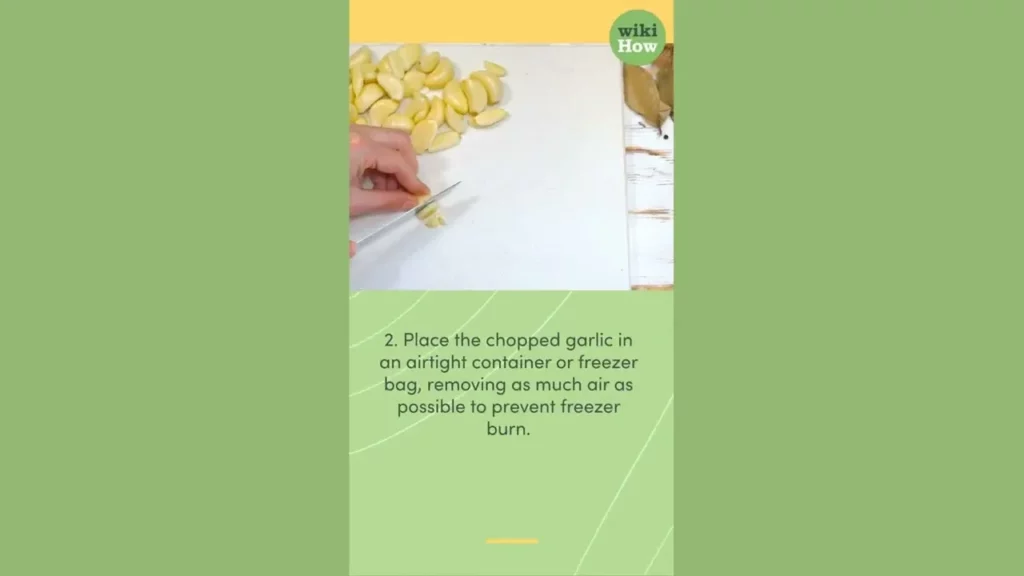
This lesson provides a simple guide on how to freeze garlic to maintain its freshness and flavor for up to six months. It outlines three key steps: peeling and chopping the garlic, packing it in an airtight container or freezer bag while removing excess air, and labeling the container with the date before freezing. Freezing garlic not only saves time and reduces waste but also ensures you have pre-chopped garlic ready for your cooking needs.
How To Freeze Fresh Green Beans
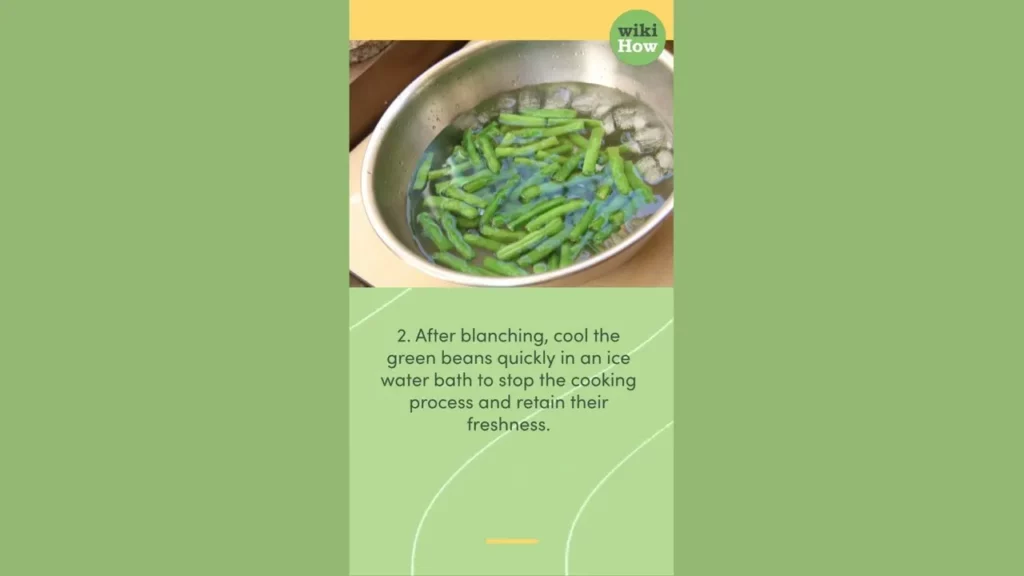
This lesson outlines the process of freezing fresh green beans to preserve their taste and color. It involves washing and trimming the beans, blanching them in boiling water for a few minutes, quickly cooling them in ice water, drying, and then packing them into freezer-safe bags or containers before freezing. Blanching is emphasized as a crucial step to maintain the beans’ quality by halting enzyme activity and ensuring cleanliness.
How To Freeze Fresh Basil
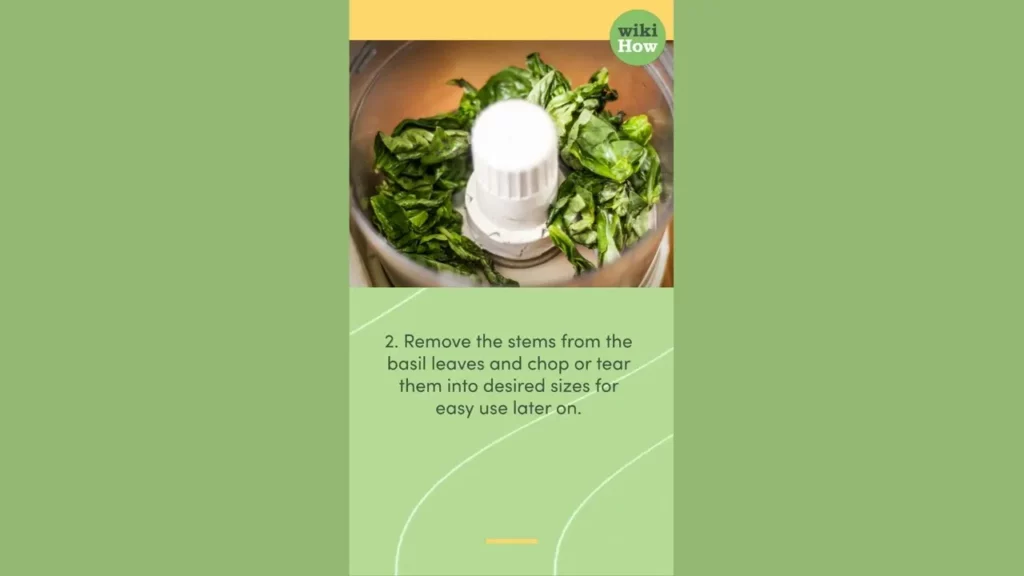
This lesson provides a simple guide on how to freeze fresh basil to preserve its flavor and nutrients. It outlines three main steps: washing and drying the basil, preparing the leaves by removing stems and chopping them, and finally freezing the leaves in an airtight container or freezer bag. Additional tips include using ice cube trays for easy portioning, labeling containers with dates, and using the frozen basil within six months for optimal flavor.
How To Freeze Fresh Blueberries
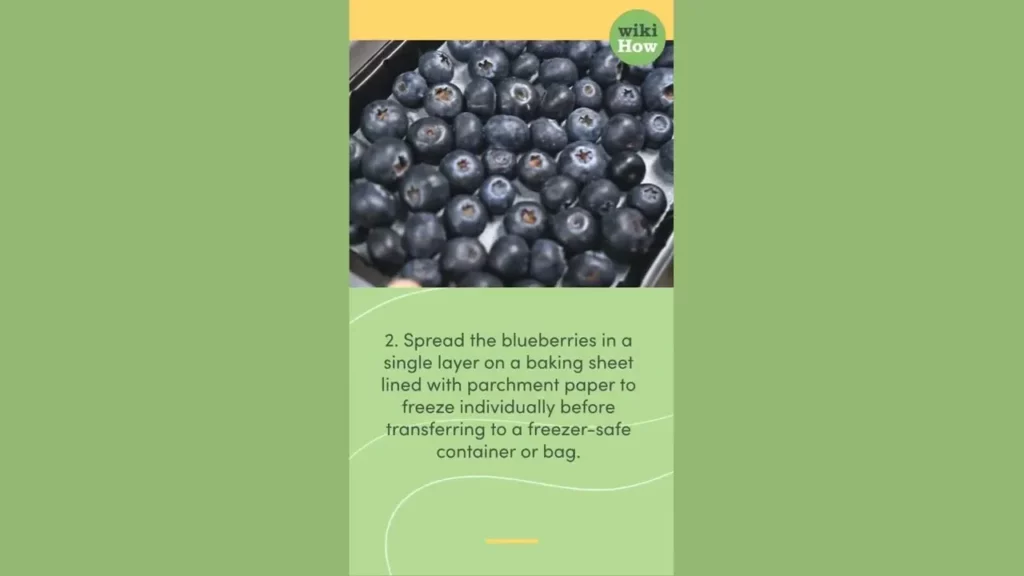
This lesson teaches you how to freeze fresh blueberries to enjoy their flavor year-round. The process involves washing and drying the berries, freezing them individually on a baking sheet, and then storing them in a labeled container or zip-lock bag. Frozen blueberries can last for 6 to 12 months and are a healthy addition to various dishes or snacks.
How To Freeze Eggs

This lesson teaches you how to freeze eggs for later use, ensuring you always have them on hand for cooking and baking. The process involves cracking the eggs into a bowl, mixing them, pouring the mixture into an ice cube tray, and then freezing them until solid. Freezing eggs not only helps reduce waste and save money but also provides convenient pre-measured portions for your recipes.
How To Freeze Carrots
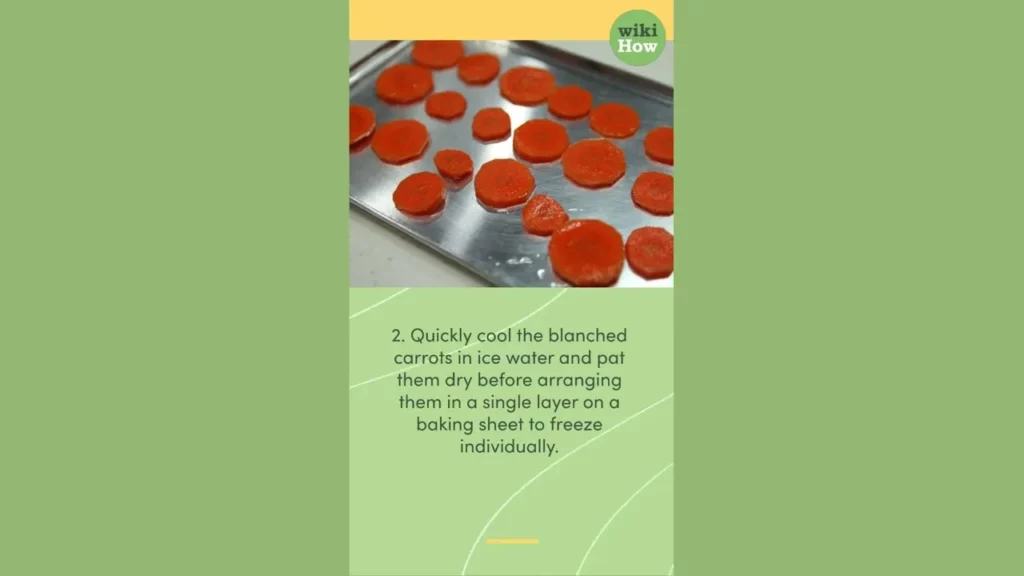
This lesson outlines the steps to effectively freeze carrots, ensuring they remain fresh and flavorful. It emphasizes the importance of preparing, blanching, cooling, and properly storing the carrots to maintain their color, texture, and nutritional value. By following these simple steps, you can enjoy your carrots in various dishes or as a healthy snack at any time.
How To Freeze Broccoli
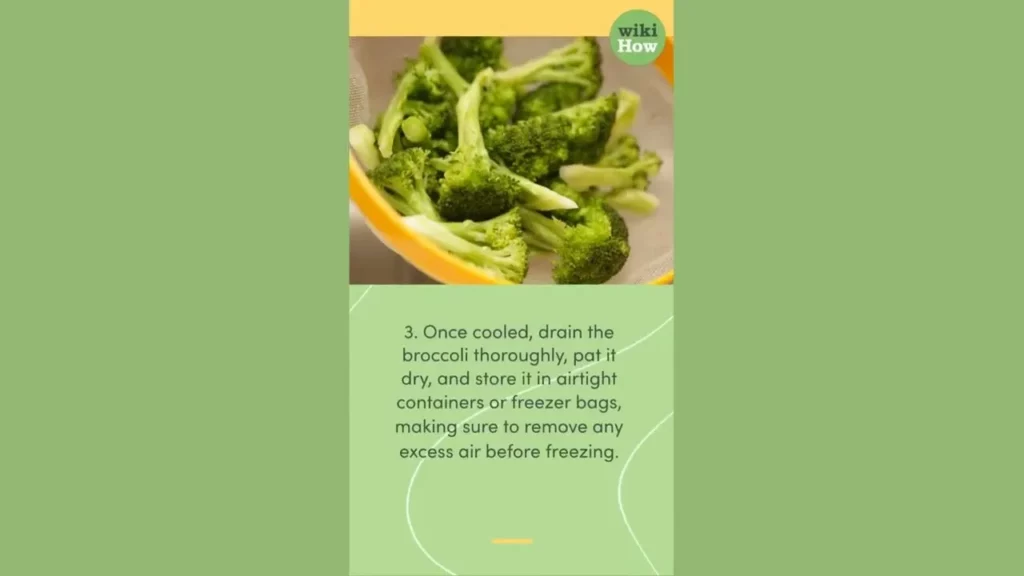
This lesson provides a simple guide on how to freeze broccoli to preserve its freshness and flavor for later use. It outlines three main steps: preparing the broccoli by washing and cutting it, blanching it briefly in boiling water followed by an ice water bath, and finally drying and storing it in airtight containers or freezer bags. Additional tips are included to ensure optimal quality and usage within 6 to 8 months.
How To Freeze Bread

This lesson explains how to effectively freeze bread to maintain its freshness and flavor. Key steps include slicing the bread for convenience, wrapping it tightly to prevent freezer burn, and labeling it with the date to track freshness. Additionally, it offers tips on different bread types and creative uses for stale bread, emphasizing that freezing is a practical way to save time and reduce waste.
How To Freeze Basil
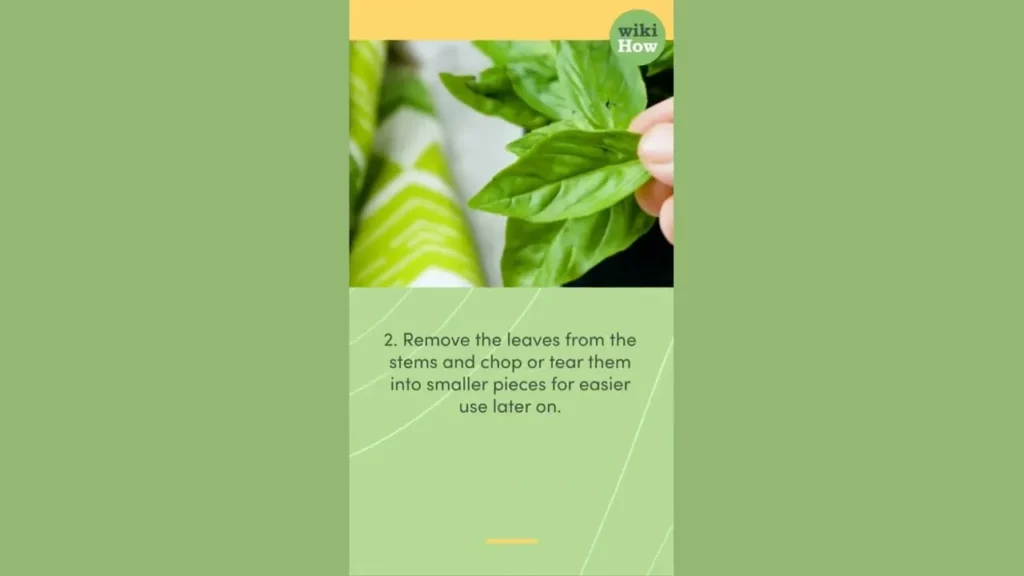
This lesson provides a simple guide on how to freeze basil to preserve its flavor for future use. It outlines three main steps: washing and drying the leaves, preparing them by removing stems and chopping, and packing them in airtight containers or freezer bags to prevent freezer burn. Additional tips include labeling containers, using ice cube trays for easy portioning, and best practices for using frozen basil in cooked dishes.