
Outbreak Simulator: Events
In this lesson, we explored the concept of events in programming, which act as signals for the computer to respond to specific actions, such as mouse clicks or key presses. We learned how to create a simulation involving monsters, where a healthy monster becomes sick upon touching a sick monster, and practiced coding this interaction using event blocks. By testing our simulations, we discovered how events enable us to create dynamic and interactive programs that respond to user actions.
Hour of Code – WORLDWIDE
The Hour of Code is a global event that encourages people to spend one hour learning how to code, making it one of the largest educational initiatives in the world. This initiative highlights the importance of coding as a valuable skill that can empower individuals to create technology and solve problems, regardless of their future career paths. Everyone is invited to participate, and schools are encouraged to join in, fostering a fun and engaging learning environment for students everywhere.
Frozen – Hour of Code Introduction to Loops
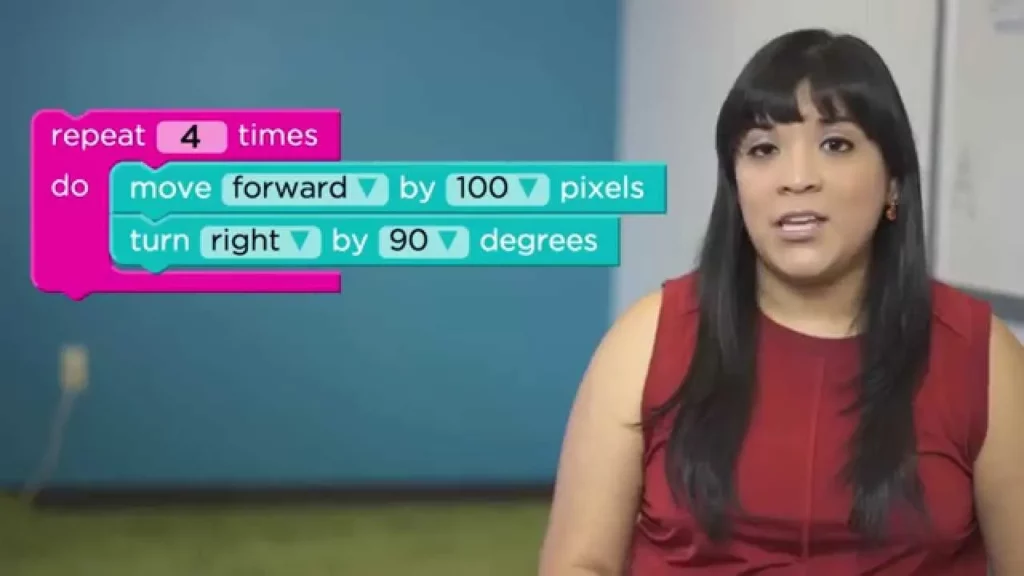
In the “Frozen – Hour of Code: Introduction to Loops” lesson, students learn about loops in programming, which allow computers to repeat actions efficiently without the need to write the same code multiple times. By using a repeat block, learners can easily instruct a computer to perform tasks, such as drawing shapes, by repeating a set of instructions. The lesson encourages experimentation with loops to discover their versatility and power in coding.
Aloe Blacc: Control your destiny

In the lesson “Aloe Blacc: Control Your Destiny,” Aloe Blacc emphasizes the importance of learning to code as a means to gain control over one’s life and creative expression. He shares his personal journey from music to technology, highlighting how mastering coding skills empowered him and his fellow artists to manage their music independently and leverage the internet for greater visibility. Ultimately, the lesson encourages individuals to explore coding as a valuable skill that opens up opportunities and fosters innovation.
Getting Started – The Student Experience
In this lesson, Kylie from Code.org introduces the student experience when logging into the platform for coding activities. Students can either explore independently or access assigned materials from their teachers, with an overview page displaying their progress and available resources. The lesson outlines various types of activities, including coding tasks that utilize both block-based and text-based coding, and explains how students can check their work and receive hints throughout their learning journey.
Variables with the Artist
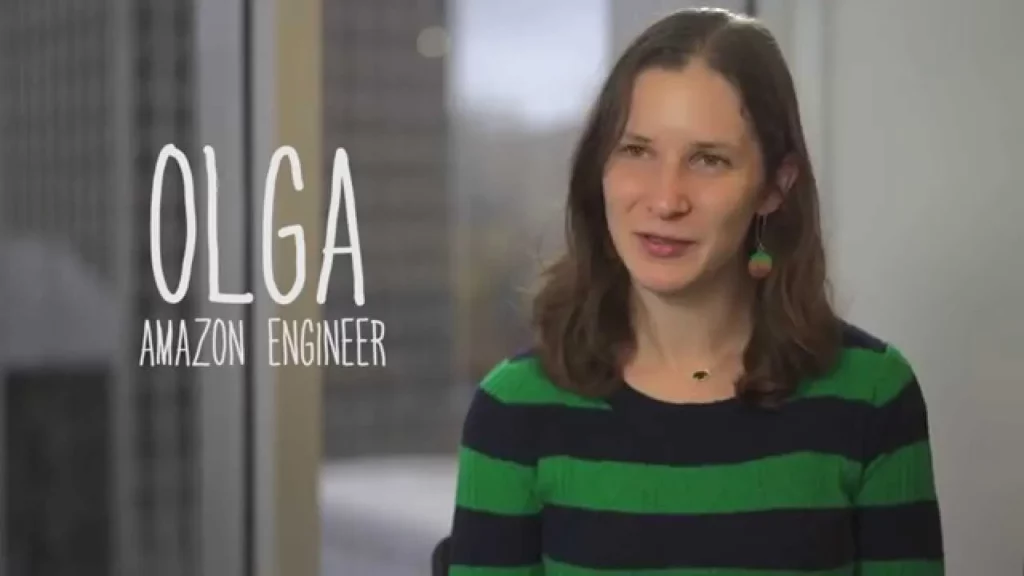
In this lesson, Olga introduces the concept of variables in computer science, likening them to special boxes that store values, which can be used to create dynamic and adaptable programs. She illustrates the importance of variables through a relatable example of a birthday greeting that updates each year and a puzzle involving an artist that uses a variable to control the length of a line drawn. Ultimately, the lesson emphasizes that variables enhance the flexibility and power of programming, encouraging learners to incorporate them into their coding practices.
My Journey: How to Outsmart a Malicious Hacker
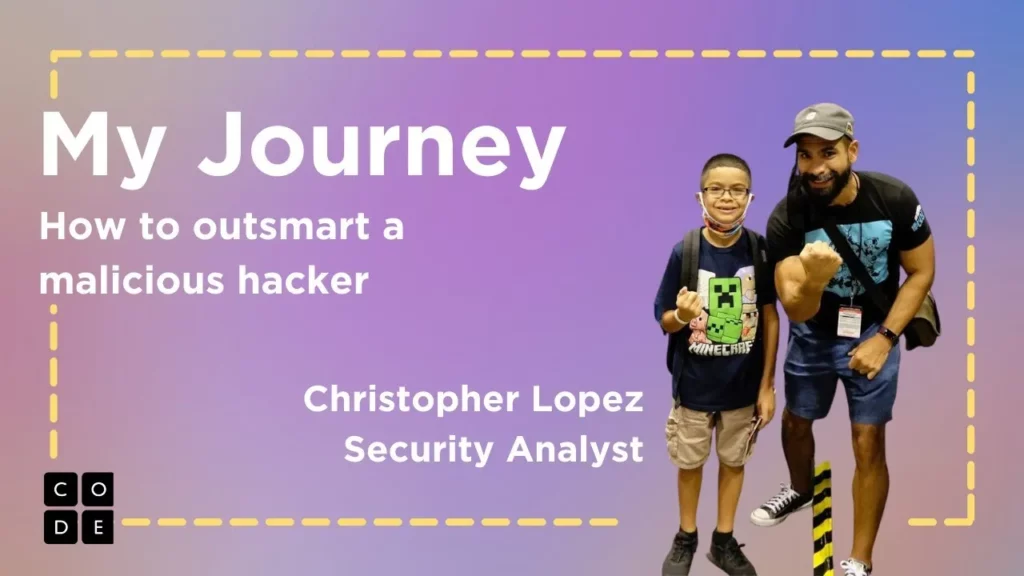
In this lesson, Christopher Lopez, a Security Analyst, shares insights into the world of cybersecurity, emphasizing the importance of curiosity and teamwork in detecting and preventing cyber threats. He describes his role as a “computer detective,” where he analyzes digital footprints to identify and mitigate potential security issues, ensuring the safety of our digital environments. Chris encourages aspiring cybersecurity experts to explore their interests and leverage available resources to build their skills in this vital field.
How to Get Computer Science Into Your District
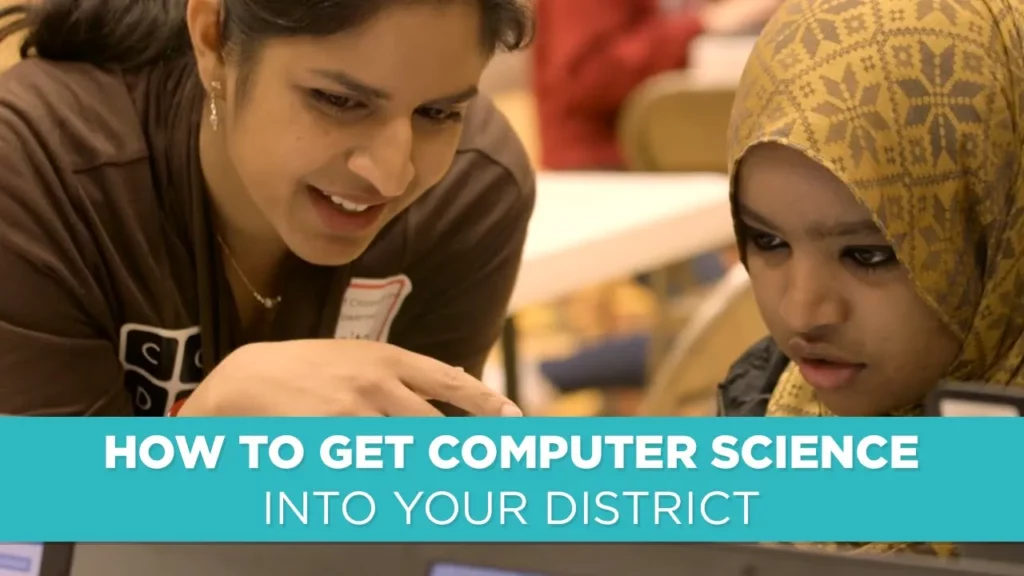
The lesson emphasizes the growing demand for computer science education in schools, highlighting that when offered, these courses quickly attract student enrollment due to community interest and positive peer influence. It discusses the importance of the Advanced Placement Computer Science Principles course, which is designed to be accessible to all students, and underscores the critical role of well-trained teachers in delivering effective computer science education. Ultimately, implementing computer science in schools not only opens new opportunities for students but also fosters their confidence and creativity in the field.
Teaching CS Fundamentals: How the Course Works
The course on Code Studio by Code.org is designed to equip educators with the necessary skills to effectively teach computer science fundamentals. It begins with foundational concepts and progresses through interactive coding activities and unplugged lessons, providing teaching tips and resources along the way. Upon completion, participants will receive a digital certificate, affirming their readiness to teach computer science and access further learning opportunities.
Anybody Can Learn – 60 sec teaser

The lesson “Anybody Can Learn – Discover the World of Coding” emphasizes that coding is an essential skill that allows individuals to turn their ideas into reality, much like speaking a language that computers understand. It encourages everyone, regardless of background, to explore coding as a means of creativity and problem-solving, highlighting that with practice, anyone can become proficient and unlock exciting career opportunities in the tech world. Ultimately, it inspires learners to embrace coding as a pathway to innovation and personal growth.