
What is Creativity? (with Neil Patrick Harris, China McClain, Miral Kotb and Kygo)
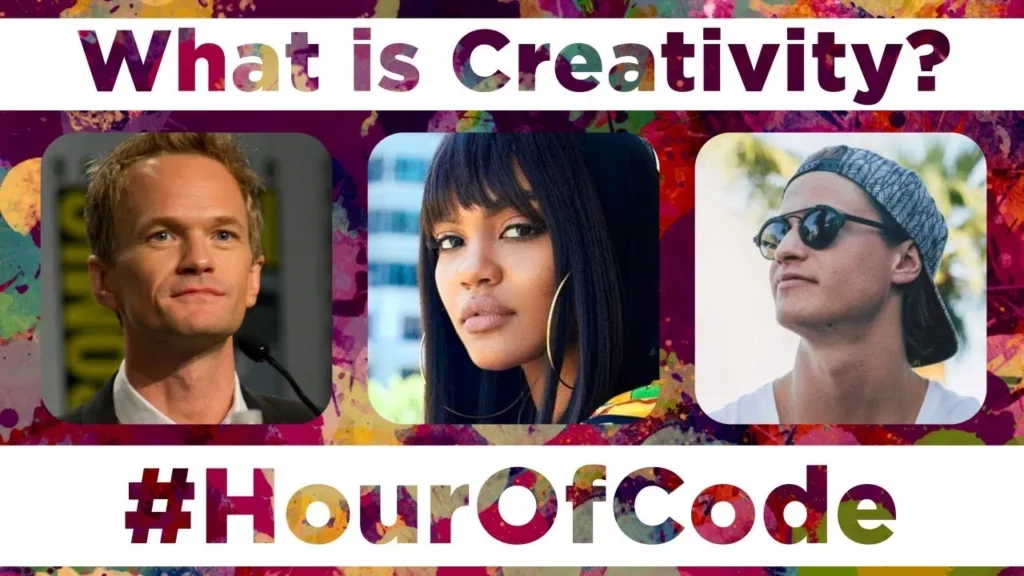
The lesson on creativity explores its multifaceted nature through insights from various personalities, emphasizing that creativity is about self-expression, imagination, and bringing ideas to life. It encourages individuals to think outside the box, share their feelings, and use their talents to bring joy to others while pursuing their passions. Ultimately, the lesson inspires participants to embrace their creativity and consider how they can contribute their unique perspectives to the world.
My Journey: Exploring the World of Virtual Reality
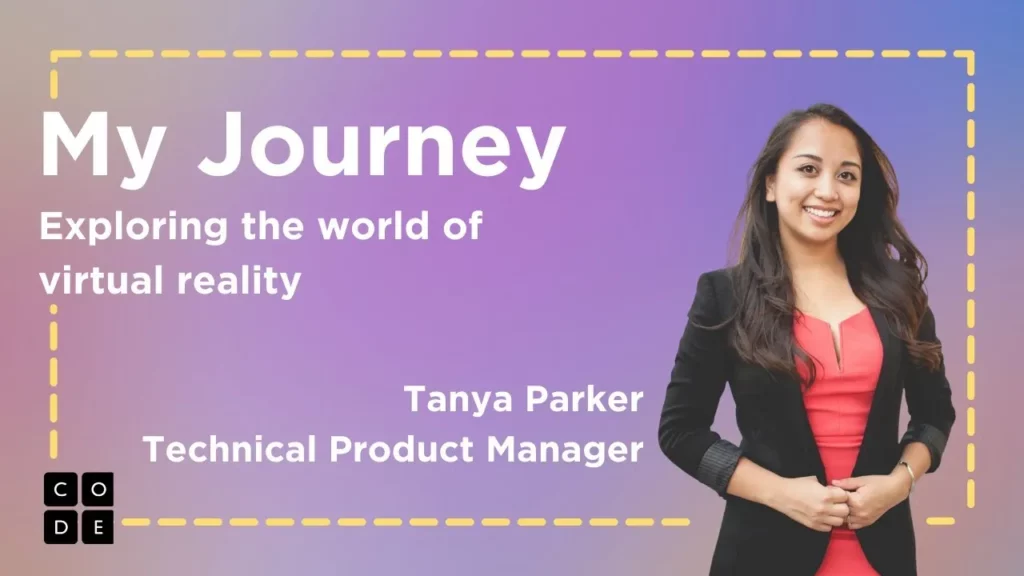
In this lesson, Cat Leiaramos and Tanya Parker explore the exciting realm of virtual reality (VR), highlighting Tanya’s work at MetaQuest in creating immersive experiences. They discuss the importance of teamwork, the evolution of VR technology, and Tanya’s journey into computer science, emphasizing the value of creativity and problem-solving in the field. The session aims to inspire students to embrace challenges and pursue their passions in technology.
Introducing CodeBytes!
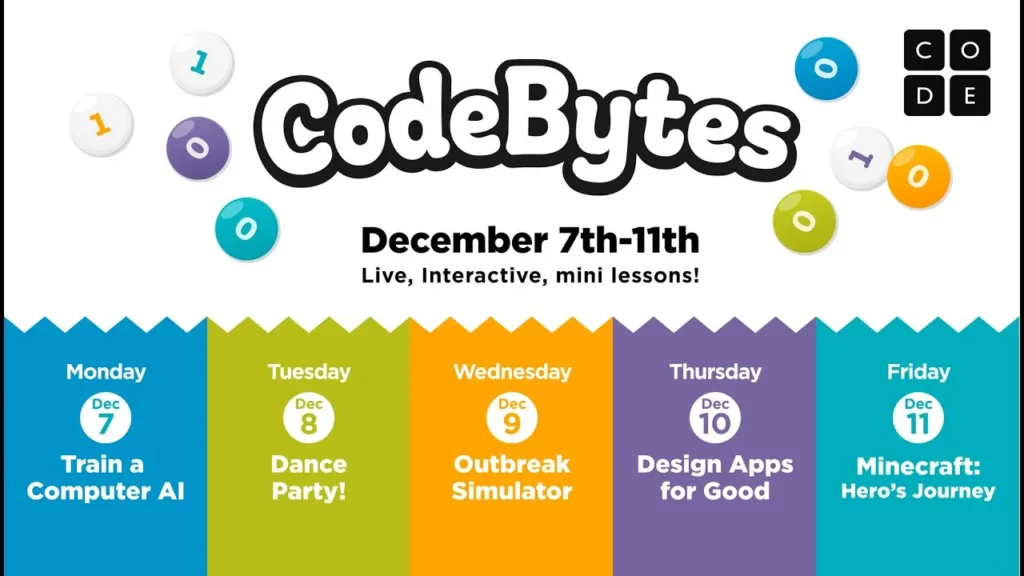
In the lesson “Introducing CodeBytes,” Hadi Partovi and his daughter Sofia invite students to participate in a week of live, interactive coding lessons during Computer Science Education Week. Participants will engage in fun projects such as creating a Dance Party, building an outbreak simulator, solving puzzles in Minecraft, designing apps, and exploring artificial intelligence by training computers to recognize sign language images. The program aims to make coding accessible and enjoyable for everyone, encouraging creativity and learning in a supportive environment.
What is Creativity? (with Lyndsey Scott, Masi Oka, Charles Best and Nazanin Boniadi)
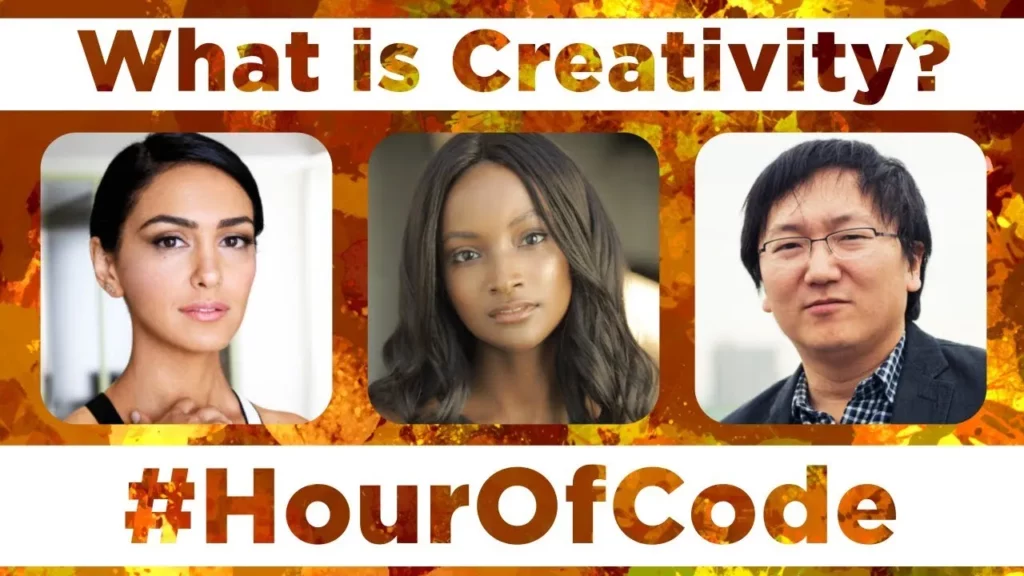
The lesson on creativity emphasizes that it is a unique and personal way of expressing oneself by combining various aspects of life, such as art and technology, to generate original and surprising ideas. It encourages individuals to think differently, embrace their imagination without limits, and be fearless in exploring new concepts. Ultimately, the lesson invites participants to reflect on their own creative potential and consider how they can express their individuality through their creations.
CS para el Bien – Cambia el mundo
The lesson “CS for Good – Change the World” emphasizes the potential of technology and computer science to address significant global challenges. By designing apps and utilizing programming skills, individuals can create solutions that improve their communities, such as enhancing healthcare access or environmental sustainability. Ultimately, everyone has the ability to be a change-maker, and even small actions can lead to meaningful progress in making the world a better place.
Frozen – Hour of Code Introduction
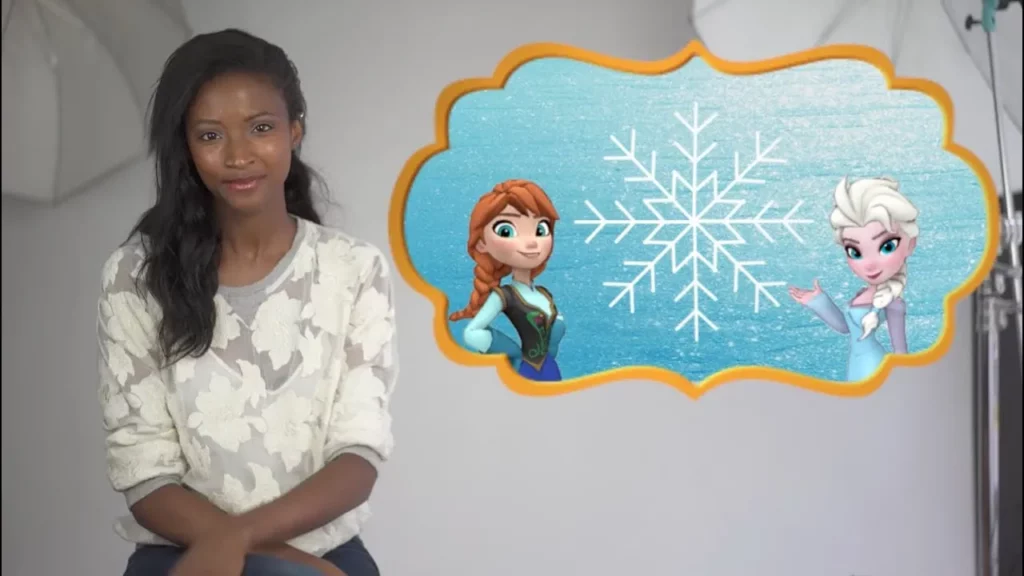
In the “Frozen – Hour of Code Introduction” lesson, students learn the fundamentals of programming through a fun and interactive experience with characters Anna and Elsa. Using Blockly, a visual programming tool, participants will create programs that control Elsa’s movements on an ice surface, allowing them to explore creativity while developing coding skills. The lesson emphasizes experimentation and enjoyment in coding, encouraging students to discover their passion for technology.
Models in the Classroom SCI PD 6
In “Models in the Classroom: An Engaging Approach to Learning,” John Balwid emphasizes the importance of computer models and simulations as effective educational tools that enhance understanding and critical thinking. By utilizing a use-modify-create progression, students can engage with models at varying levels of complexity, fostering deeper learning and encouraging them to question assumptions and explore real-world scenarios. This approach aligns with constructionist principles, promoting active engagement and the creation of knowledge through hands-on experiences.
CSA: Software Engineering – User Stories
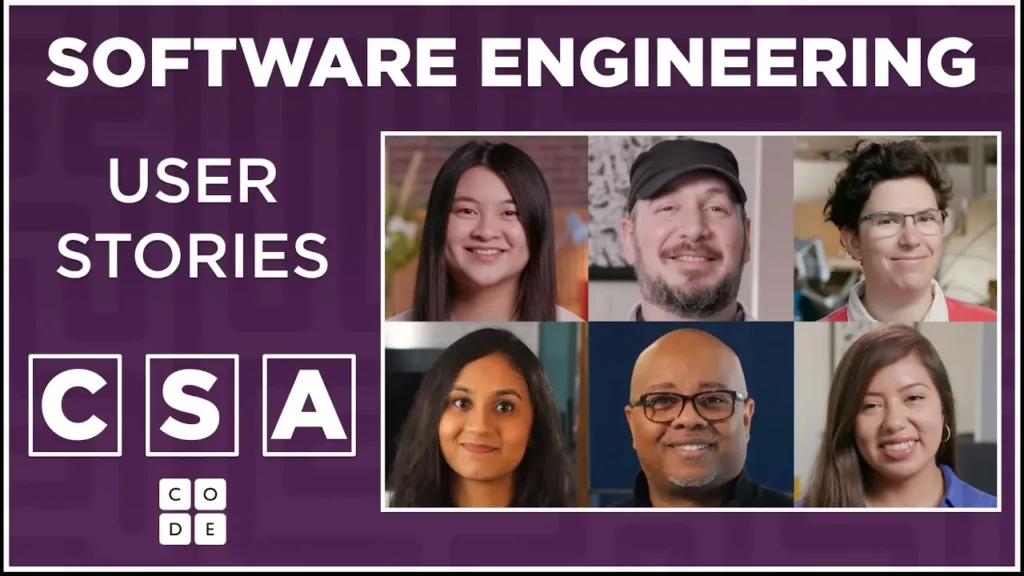
This lesson explores the significance of user stories in software engineering, emphasizing their role in shaping product development and enhancing user experiences. By understanding user scenarios and journeys, teams can prioritize features and collaborate effectively to meet diverse user needs, ultimately leading to the creation of innovative and valuable products. Engaging with users through interviews and feedback loops is essential for refining the user experience and achieving a seamless, satisfying product.
Minecraft: Voyage Aquatic Repeat Until
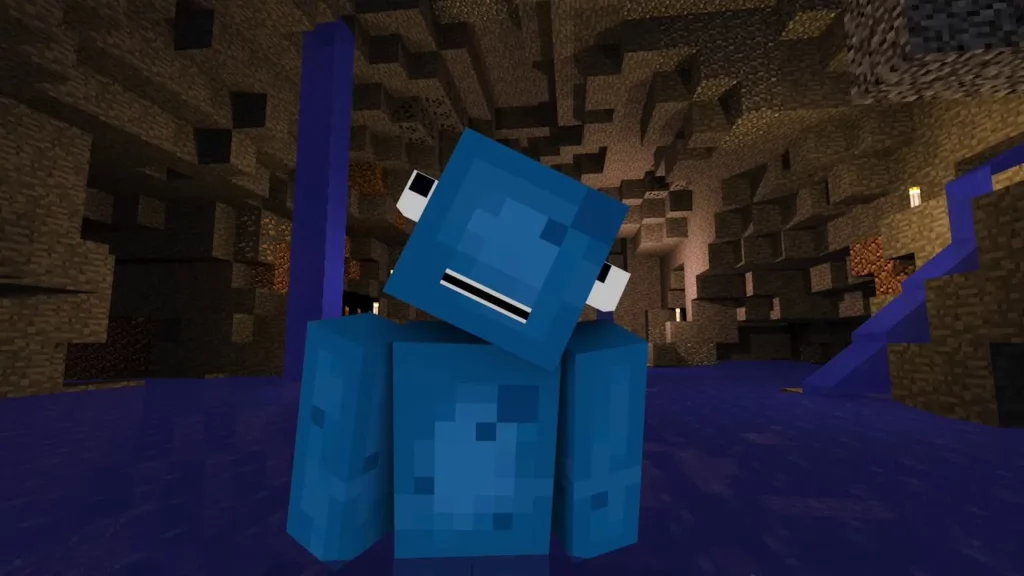
In the “Minecraft: Voyage Aquatic Adventure” lesson, young adventurers learn about coding through the concept of loops, guided by a friendly character named Squid. By using loops, students can efficiently repeat commands to achieve goals, such as finding hidden treasures in the game. This engaging approach not only makes coding fun but also emphasizes problem-solving skills in a playful context.
Data and Medicine
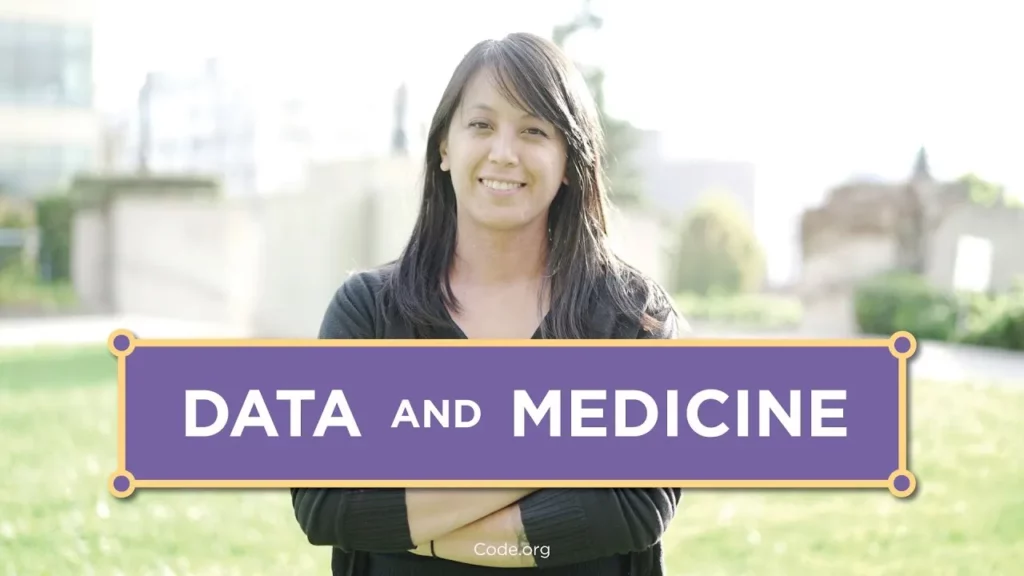
The lesson “Data and Medicine: A New Frontier” explores the transformative role of technology and data analysis in modern medicine, particularly in understanding complex biological phenomena like DNA and diagnosing diseases. It highlights how advanced computer algorithms can solve medical mysteries, as demonstrated by the case of Joshua Osborn, whose illness was identified through DNA sequencing. Additionally, the lesson emphasizes the importance of data in enhancing vaccination efforts and ensuring effective treatment delivery, showcasing the intersection of biology and computer science in improving healthcare outcomes.