
Teamwork – Dealing with Disagreements
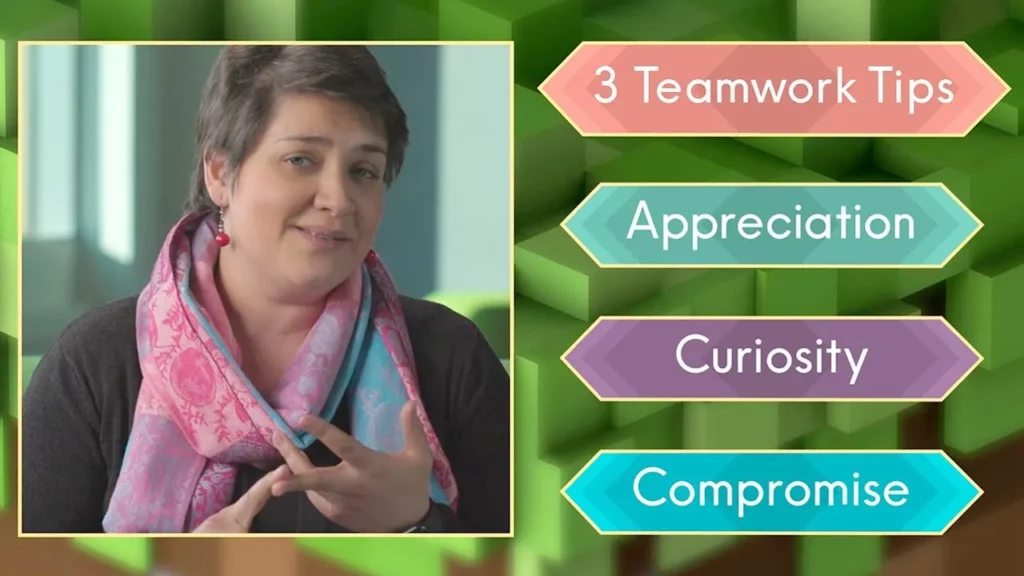
The lesson on “Teamwork – Dealing with Disagreements” emphasizes that differing opinions among team members can enhance performance and innovation when approached constructively. By applying the principles of appreciation, curiosity, and compromise, teams can navigate conflicts effectively, fostering a positive environment where all members feel valued and heard. Ultimately, embracing disagreements as opportunities for growth leads to improved collaboration and project outcomes.
Minecraft Hour of Code: Loops
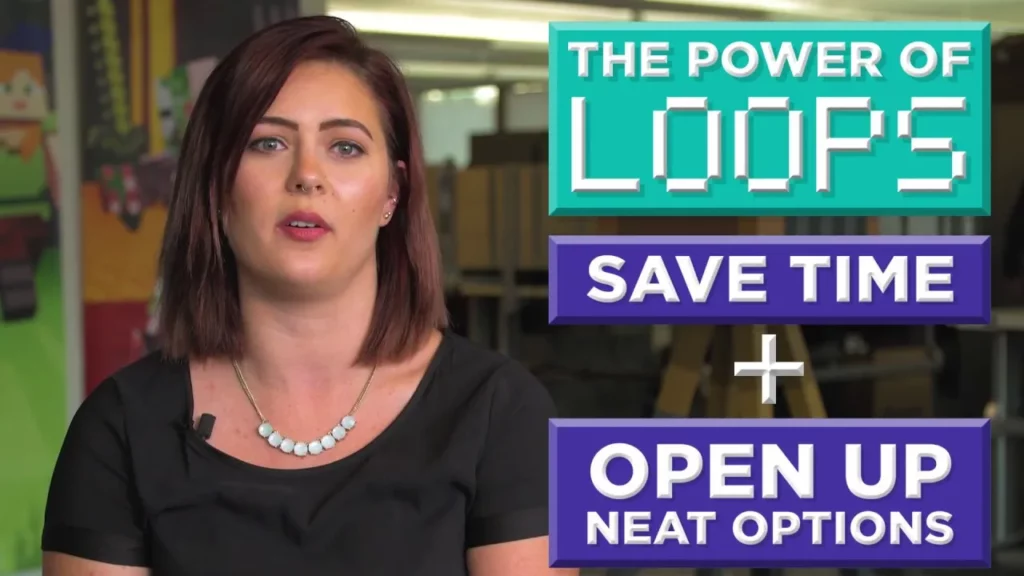
In this lesson, Lisa, a software developer for Minecraft, introduces the concept of loops and their significance in game design. She explains that loops allow for repetitive actions, such as making animals like chickens move continuously, enhancing the game’s dynamism and excitement. By utilizing loops, players can create engaging experiences and explore endless possibilities within their Minecraft worlds.
Hour of Code Video Chat with David Karp
In the “Hour of Code” video chat, David Karp, the founder of Tumblr, shared his journey into coding, emphasizing the importance of creativity and self-expression in programming. He discussed the support he received from his family when he dropped out of high school to pursue his passion, the challenges he faced as a young entrepreneur, and the significance of maintaining optimism as a leader. Karp also offered advice for beginners, suggesting that mobile app development is a great starting point for those looking to learn coding.
Artist Functions with Bill Gates
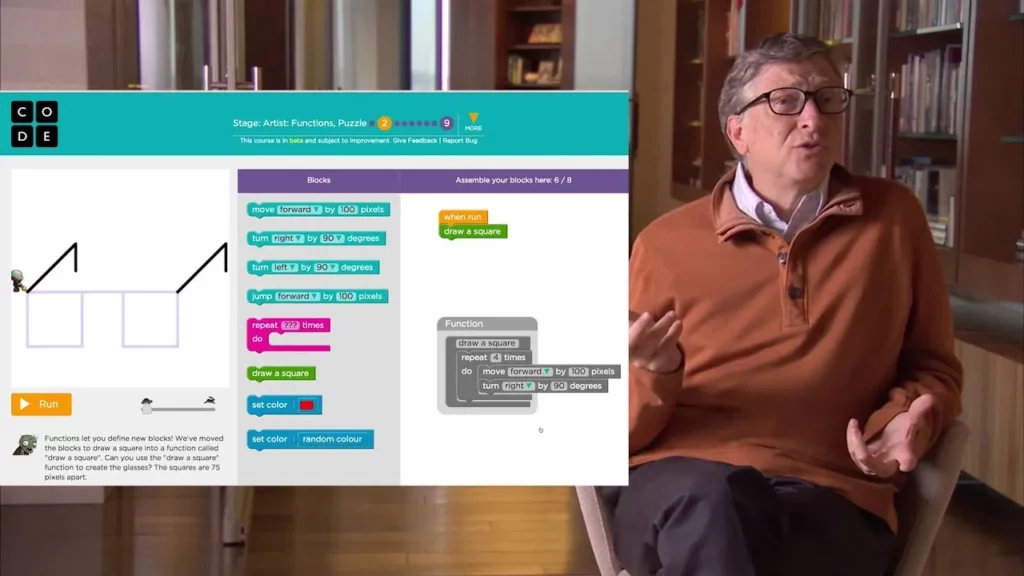
In this lesson, we explored the concept of functions in programming, likening them to special recipes that allow programmers to reuse code efficiently. By creating functions, such as “draw a square,” programmers can simplify their code, enhance readability, and easily update instructions without rewriting them multiple times. Functions not only streamline the coding process but also empower developers to build more complex programs by combining various functions together.
CS Principles: Introduction to Lists – Part 2 Accessing Lists

In this lesson on accessing lists in programming, students learn how to retrieve specific items using their index positions, which start at 0. By understanding how to use the list’s name followed by the index number, learners can manipulate data effectively, such as calculating sums from list elements. This foundational skill is essential for organizing and managing multiple items in programming, enabling the creation of more efficient and powerful applications.
AI 101 for Teachers: Transforming Learning with AI
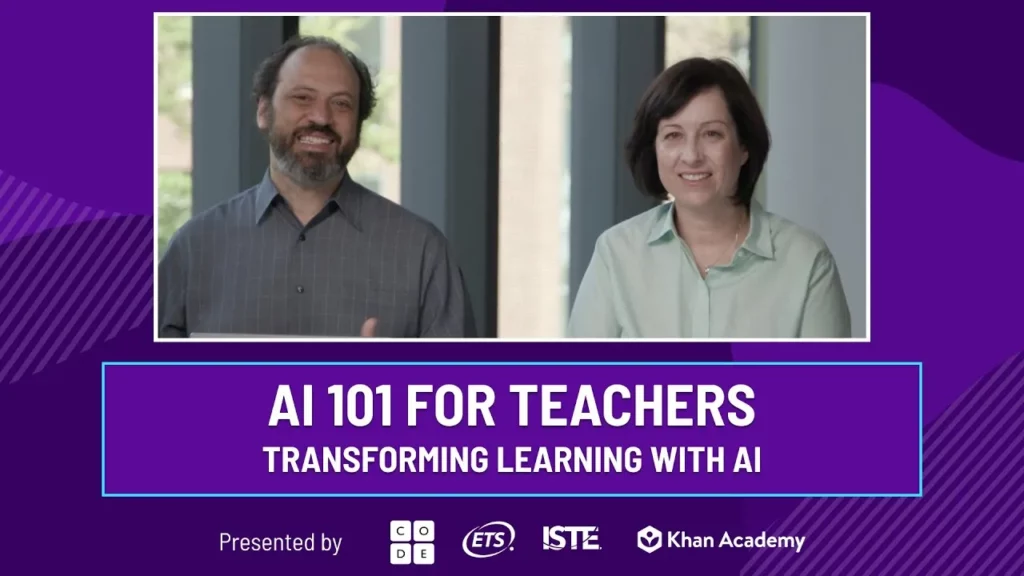
In the third session of the AI 101 for Teachers series, educators learned how to effectively integrate AI into their teaching practices to enhance student learning experiences. Led by Dr. Ethan Malek and Dr. Lilac Mullick, the session emphasized the transformative potential of AI in education, the importance of establishing classroom policies regarding AI use, and the need for critical evaluation of AI-generated content. Educators were encouraged to experiment with AI tools to streamline tasks and foster discussions about their advantages and limitations, ultimately preparing students for a future where AI plays a significant role in their careers.
Create a Story
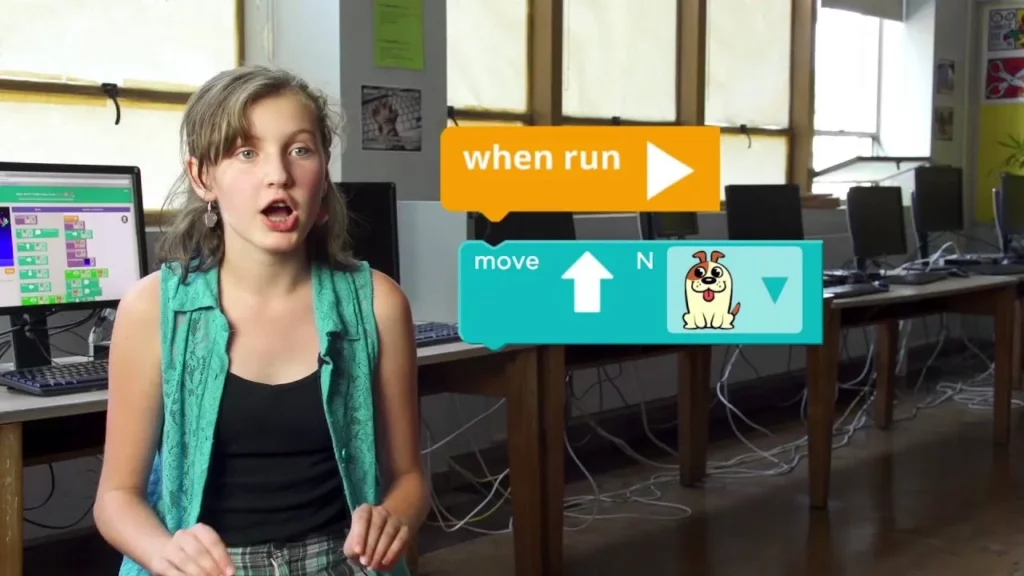
In this lesson, students are encouraged to unleash their creativity by crafting a story featuring interactive characters, specifically a cat and a dog. They will learn to use programming blocks to animate their story, allowing characters to move and speak, while exploring various plot ideas, such as overcoming fears or embarking on adventures together. The emphasis is on imagination and fun, empowering students to create unique narratives.
Minecraft Hour of Code: Congratulations
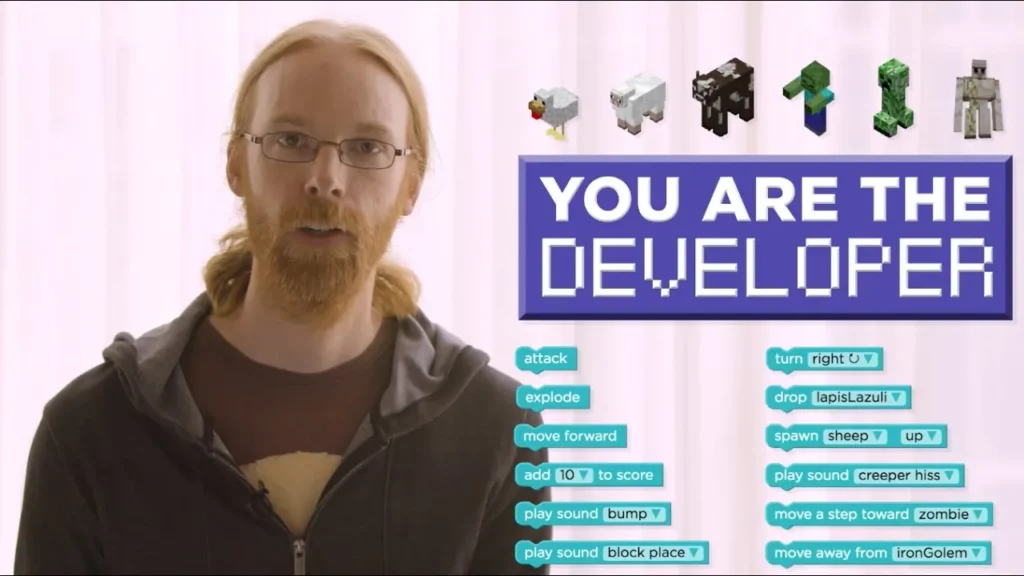
In this lesson, you learned how to use computer science commands to create your own unique Minecraft adventure, giving you the power to shape the game world in exciting ways. You can introduce fun elements like creatures and special events, and once your creation is complete, you can easily share it with friends and even play it on your phone. Enjoy the limitless possibilities and have fun crafting your Minecraft experience!
Guide to Explore Lessons
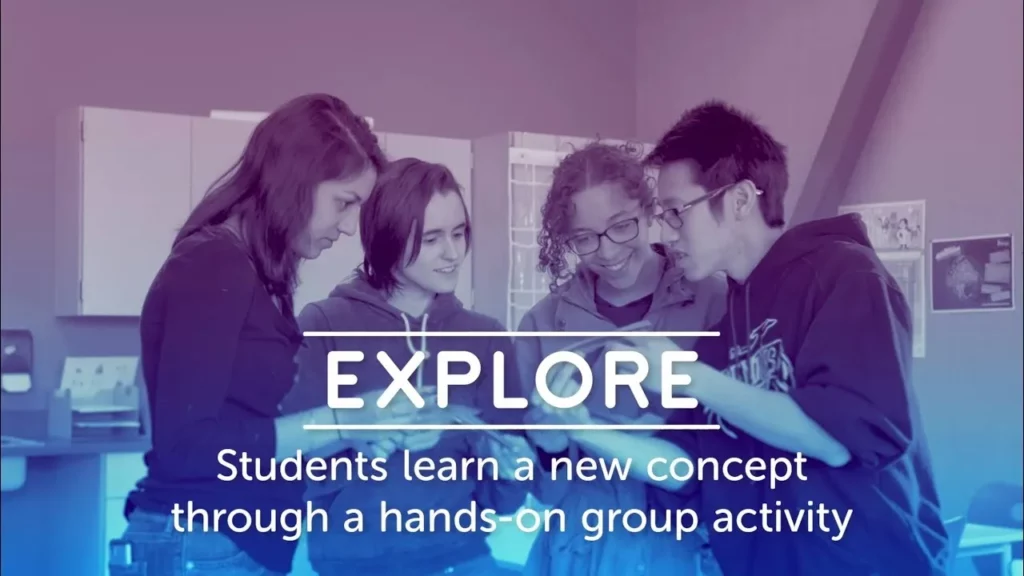
In today’s lesson, we explored the concept of “Explore Lessons,” which utilize hands-on activities and physical objects to help students build mental models of programming concepts. These lessons encourage collaboration and problem-solving, allowing students to engage with new ideas while the teacher facilitates understanding and addresses misconceptions. By the end of the lesson, students are encouraged to document new vocabulary and concepts, laying the groundwork for future learning.
What is CS – unplugged activity
In this lesson, we explore the fascinating field of computer science, highlighting the roles of computer scientists who solve problems and create innovative technology like apps and games. We also emphasize the importance of using technology responsibly, ensuring safety and respect in our digital interactions. Additionally, students engage in a fun activity involving binary code, allowing them to create their own secret encoding using their initials, making the learning experience both enjoyable and educational.