
From 2014: VP Biden on Code.org
The lesson highlights the role of Code.org in promoting coding education for K-12 students, emphasizing the importance of coding skills in today’s job market and the potential for lucrative careers in technology. It discusses the organization’s successful initiative that encouraged millions of Americans to spend an hour learning to code, showcasing the widespread interest in coding. Ultimately, the lesson underscores that learning to code not only enhances job prospects but also fosters problem-solving skills and creativity.
Bill Gates explains IF & IF/ELSE statements
In this lesson, Bill Gates explains the concept of IF and IF/ELSE statements, which are fundamental tools in programming that allow computers to make decisions based on specific conditions. IF statements help in making single-choice decisions, while IF/ELSE statements enable the selection between two different actions, similar to everyday decision-making scenarios. Additionally, the lesson highlights the variety of programming languages and the creative problem-solving aspect of programming, likening it to solving puzzles.
Unplugged – Songwriting with Parameters
In this lesson on “Songwriting with Parameters,” students learn how small changes in songs, like the varying animals in “Old MacDonald Had a Farm,” illustrate the concept of parameters. By comparing songwriting to making ice cream sundaes, the lesson emphasizes how parameters allow for customization and creativity in both music and programming, encouraging students to explore their creative potential.
For educators: Get to know AI Lab
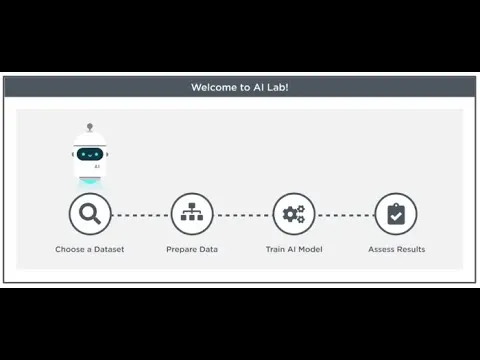
In this lesson, students learn how to use AI Lab to train a machine learning model by selecting a dataset, making predictions, and evaluating the model’s accuracy. They explore the process of choosing relevant features, training the model with AI Bot, and creating a model card to document its details and limitations. Finally, students can import their trained model into App Lab to see their predictions in action, enhancing their understanding of machine learning concepts.
Teacher Tips: Pair Programming
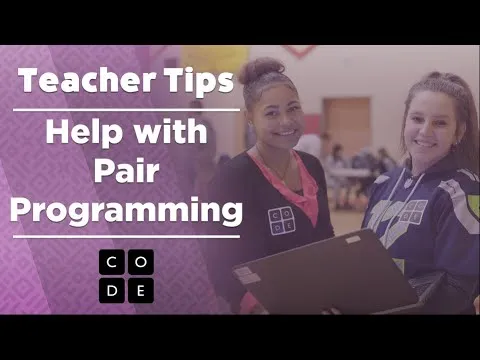
The lesson emphasizes the benefits of pair programming in the classroom, highlighting how it fosters teamwork, communication, and problem-solving skills among students. By working together from the start, students build confidence and learn to depend on one another, making the programming experience enjoyable and collaborative. Additionally, the lesson encourages patience and practice, particularly during debugging, which can be turned into a fun, team-oriented activity.
Hour of Code with Russell Okung
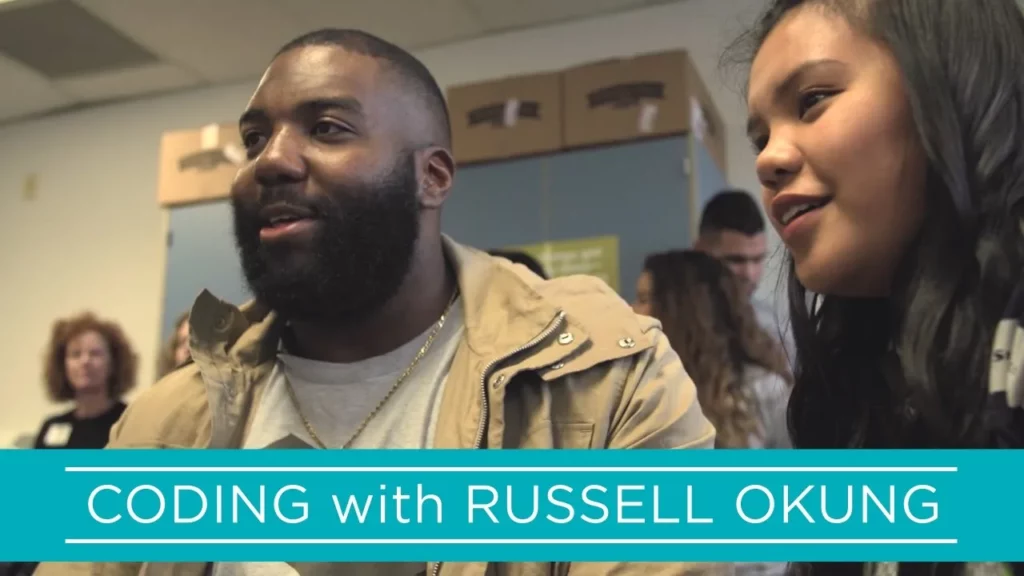
In the “Hour of Code” lesson with Russell Okung, he emphasizes the significance of computer science in today’s economy and encourages students to explore its vast possibilities. He shares the importance of stepping out of one’s comfort zone to pursue entrepreneurial dreams and highlights that determination and hard work can help overcome challenges. Okung also reassures learners that making mistakes is a natural part of the learning process, and with persistence, they can achieve remarkable success in computer science and other fields.
CSA: Software Engineering – Acceptance Testing
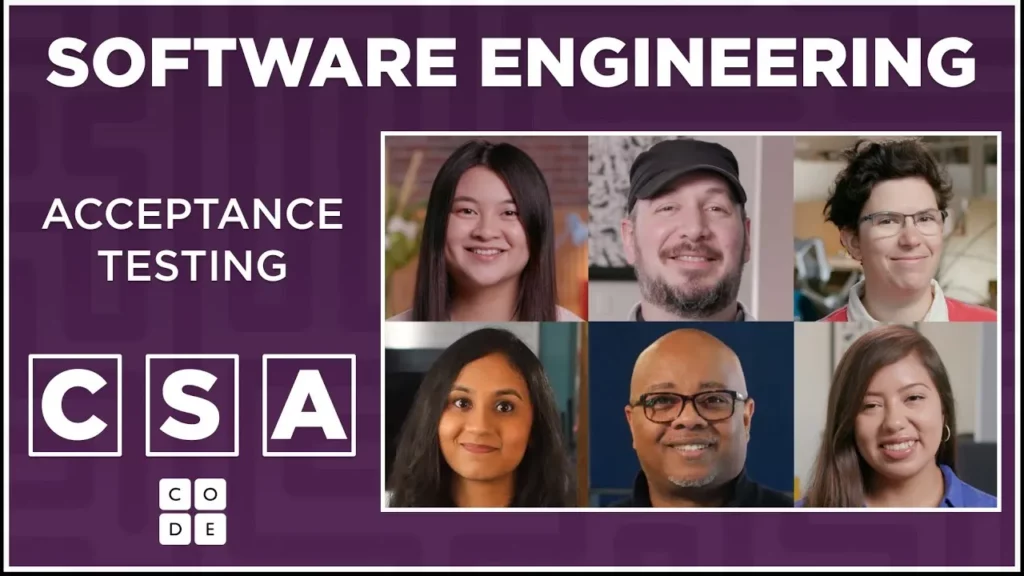
The lesson on acceptance testing in software engineering emphasizes its critical role in ensuring that software meets quality standards and user expectations before deployment. It highlights the importance of collaboration among developers, quality assurance engineers, and product managers in defining testing requirements and conducting thorough evaluations, including beta testing with real users for valuable feedback. Ultimately, rigorous acceptance testing is essential for delivering reliable, secure, and user-friendly software.
Unplugged Lesson in Action – Real-Life Algorithms: Paper Planes
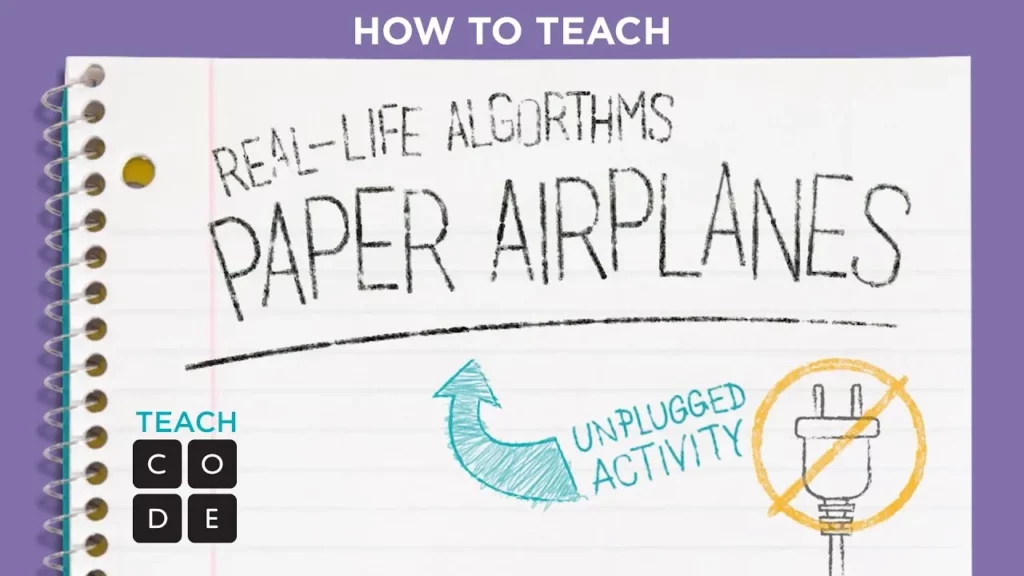
In this lesson, students learn about algorithms as a series of steps to complete tasks, using the example of getting ready for school. They then apply this concept by following a specific algorithm to create a paper airplane, encouraging collaboration and creativity as they share their steps with peers. The lesson emphasizes that algorithms are present in everyday activities, making tasks more manageable and enjoyable.
CS Fundamentals: The Collector (Course A)
In the lesson “The Collector,” students learn to navigate a puzzle game where they assist a character in collecting special items using a tool called the “collect block.” Each puzzle presents unique challenges, requiring players to carefully read instructions and plan their moves to successfully gather the necessary items. The lesson emphasizes strategic thinking, effective use of the collect block, and the importance of practice for improvement.
Dance Party – Properties
In the “Dance Party – Properties” lesson, students learn how to animate dancers by manipulating frames to create smooth movements and how to change dancer properties such as size, position, shape, and color using a “set” block. By experimenting with these properties, students can customize their dancers to enhance their animations and match them to different parts of a song, encouraging creativity and problem-solving in programming. The lesson emphasizes the importance of sequencing commands correctly and invites students to explore and enjoy the process of creating animations.