
CS Discoveries: Boolean Expressions

In this lesson on Boolean expressions, Felicia Williams explains how these expressions are essential for programming, allowing computers to evaluate true or false conditions. By utilizing comparison operators such as equal to, greater than, and less than, programmers can create interactive and dynamic applications, games, and animations that respond to user actions. Understanding and implementing Boolean expressions enhances the functionality and engagement of digital creations.
How to Run an Hour of Code

The “Hour of Code” is a global initiative encouraging students to spend one hour learning about computer science, regardless of their prior experience. Participants can choose from over 20 tutorials available in multiple languages, and activities can be conducted on various devices or even without computers. The event aims to make coding accessible and enjoyable while highlighting the importance of computer science skills for future career opportunities.
CS Discoveries: Design Mode in App Lab

In this lesson on Design Mode in App Lab, Kaylee Brock emphasizes the significance of design in technology, highlighting that a well-crafted user interface (UI) enhances user engagement and experience. The lesson introduces the features of Design Mode, including the ability to drag and drop components, customize screens, incorporate multimedia, and manage multiple screens, empowering students to create visually appealing and functional apps efficiently. Overall, Design Mode serves as a valuable tool for bringing creative app ideas to life while ensuring a user-friendly experience.
Unplugged – Variables in Envelopes

In the lesson “Variables in Envelopes,” students learn about the concept of variables as placeholders for information that can change, similar to filling in blanks in a sentence. The lesson emphasizes the importance of variables in both computer programming and everyday life, illustrating how they help organize and manage information, such as tracking tweets. Ultimately, students are encouraged to recognize the role of variables in storing and retrieving important details.
CS Principles: Conditionals – Part 1 Boolean Expressions
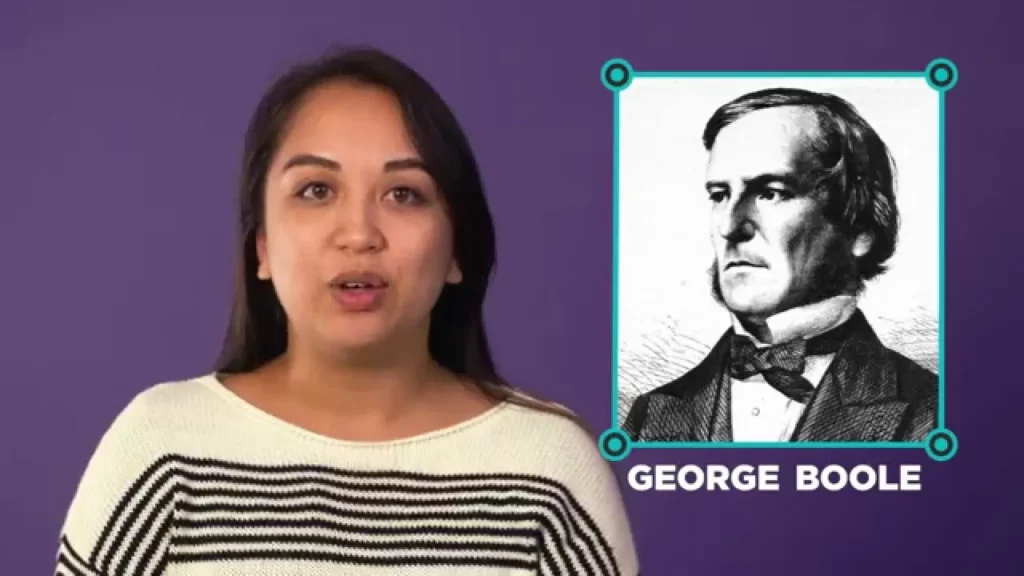
In this lesson, students learn about boolean expressions, which are essential for programming as they help determine true or false conditions that guide the computer’s actions. Using the example of voter registration, the lesson emphasizes the importance of comparison operators, such as checking if a person’s age is greater than or equal to 18, to make accurate decisions in code. This foundational knowledge sets the stage for further exploration of conditionals in programming.
Unplugged – Getting Loopy

In the “Unplugged – Getting Loopy” lesson, participants learn about the concept of loops through a fun dance activity called The Iteration. By practicing simple dance steps that are repeated, students discover how loops can simplify instructions and enhance performance, both in dance and programming, as they see how loops are used to create dynamic effects in light displays during performances. The lesson emphasizes the importance of loops in both dance and computer science for efficiency and creativity.
Unplugged – Happy Maps

In the “Happy Maps” lesson, students assist Flurb, a furry character, in navigating a map to reach her favorite fruit, apples, by drawing arrows that indicate the correct directions. This activity encourages children to think critically about mapping and programming by creating a visual path for Flurb to follow. Through this engaging exercise, students learn the basics of directional movement and planning.
CSA: Creating a Scanner Object

In this lesson, Menika introduces the Scanner class in Java, which is essential for gathering user input in applications. She explains how to import the Scanner class and create a Scanner object to read various types of input from the keyboard, emphasizing the importance of user interaction in software development. By mastering these concepts, learners can enhance the functionality and user-friendliness of their applications.
Unplugged – Conditionals with Cards
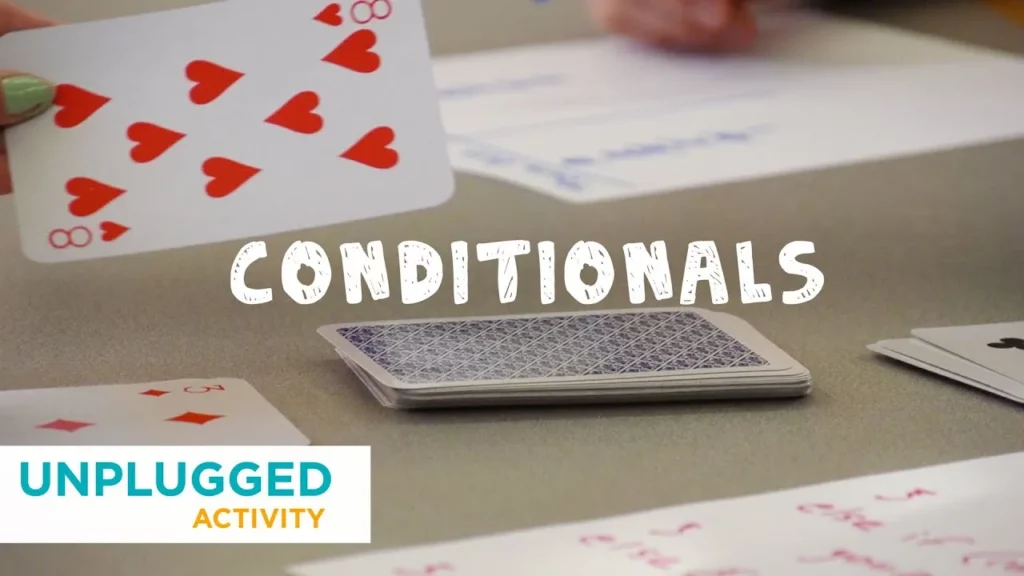
The lesson on conditionals emphasizes their role in everyday decision-making, illustrated through a relatable example of choosing items based on weather conditions. It also incorporates a fun card game to demonstrate how conditionals can dictate actions based on the cards drawn, while highlighting their importance in programming and game design. Ultimately, understanding conditionals equips learners with valuable skills for making choices in various contexts, from daily life to technology.
What is Machine Learning?

The lesson introduces machine learning as a subset of artificial intelligence that enables computers to make decisions and recognize patterns without explicit programming. By learning from vast amounts of data, machine learning systems can perform complex tasks, such as image recognition and predictive analysis, which were once considered exclusive to human capabilities. Understanding machine learning is essential as it increasingly influences our daily lives and shapes the future of technology.