
Marc Benioff: Coding is the Glue That Connects Us All
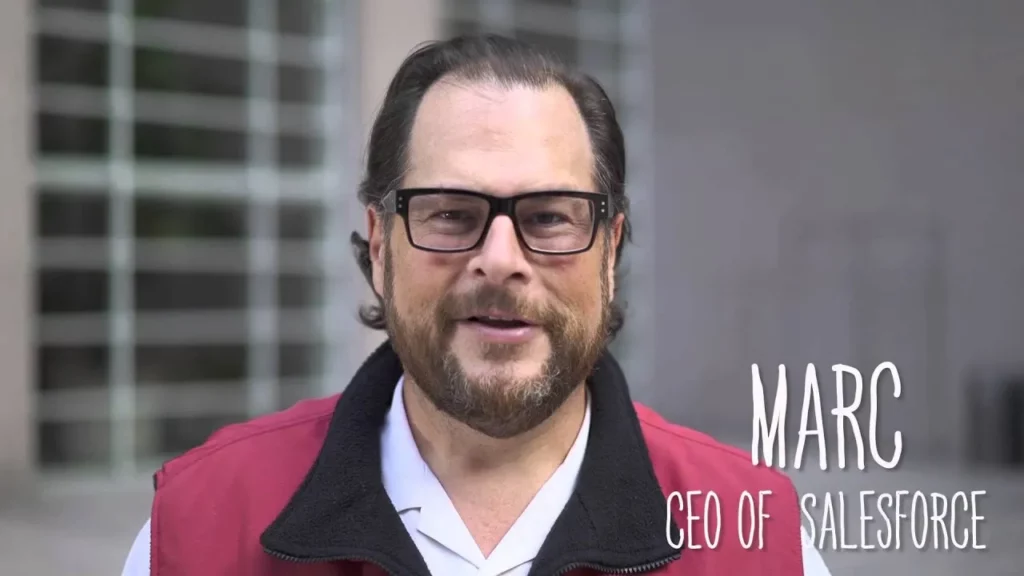
In the lesson “Marc Benioff: Coding is the Glue That Connects Us All,” the importance of coding is highlighted as a vital skill in today’s technology-driven world. Benioff’s journey from discovering computers in high school to recognizing coding as a universal language emphasizes its role in connecting people and solving real-world problems. The lesson encourages individuals to embrace coding as a creative outlet and a pathway to numerous career opportunities, urging them to start learning through various available resources.
The UK Hour of Code is Here
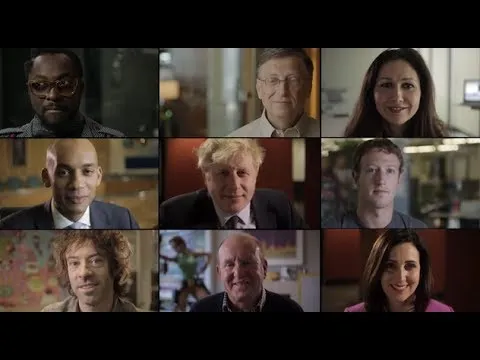
The lesson emphasizes the importance of coding in today’s technology-driven world, highlighting how it empowers individuals to create and innovate rather than just consume technology. It illustrates that coding is not limited to computer enthusiasts; it is a valuable skill applicable across various careers and interests. By sharing a personal journey into coding, the lesson encourages learners to explore coding as a means to turn their ideas into reality and make a meaningful impact.
Karlie Kloss: Coding is a superpower

In her lesson, Karlie Kloss emphasizes that coding is a valuable skill akin to having a superpower, encouraging individuals to explore this field regardless of their background. She shares her personal journey of discovering coding later in life and highlights its importance in fostering problem-solving and creativity across various careers. Kloss advocates for breaking the stigma around coding, suggesting that anyone can learn it at any age and that it can lead to exciting opportunities for innovation.
Code – The New Literacy
The lesson emphasizes that coding has become an essential skill in today’s technology-driven world, akin to literacy. Understanding how to code is crucial for making informed decisions and navigating the digital landscape, regardless of one’s career aspirations. Starting to learn coding at a young age is vital, as it fosters problem-solving skills and creativity, ultimately opening up numerous opportunities in the future.
Unplugged – Functional Suncatchers
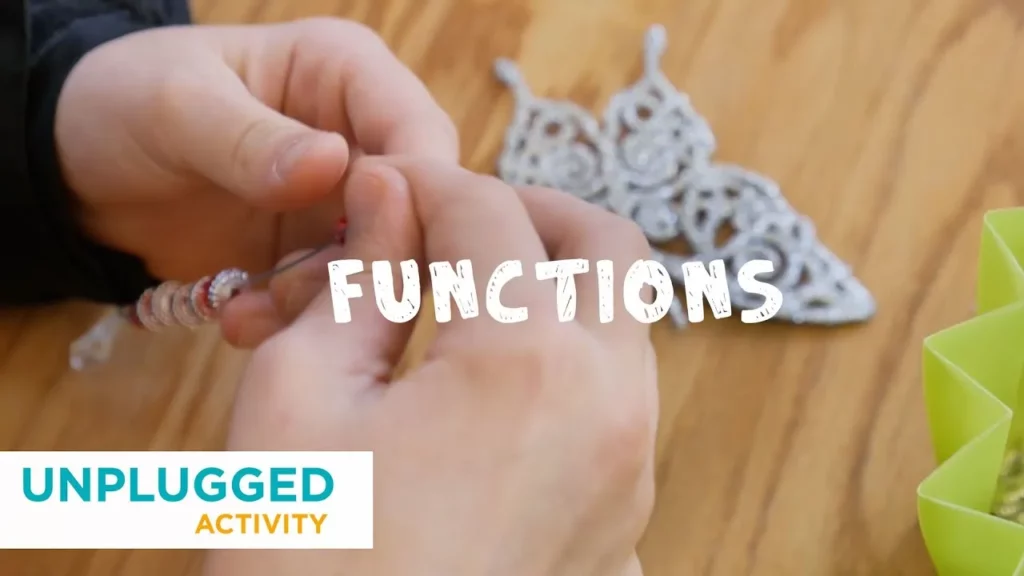
In this lesson, students learn about functions and variables through a hands-on activity of creating colorful suncatchers using beads, string, and a charm. Each step in the suncatcher-making process parallels the concept of functions in programming, emphasizing the importance of repeating actions and modifying variables to achieve different designs. By engaging in this creative project, students gain a foundational understanding of programming concepts while enjoying the beauty of their finished suncatchers.
Conditionals: If and If/Else Statements
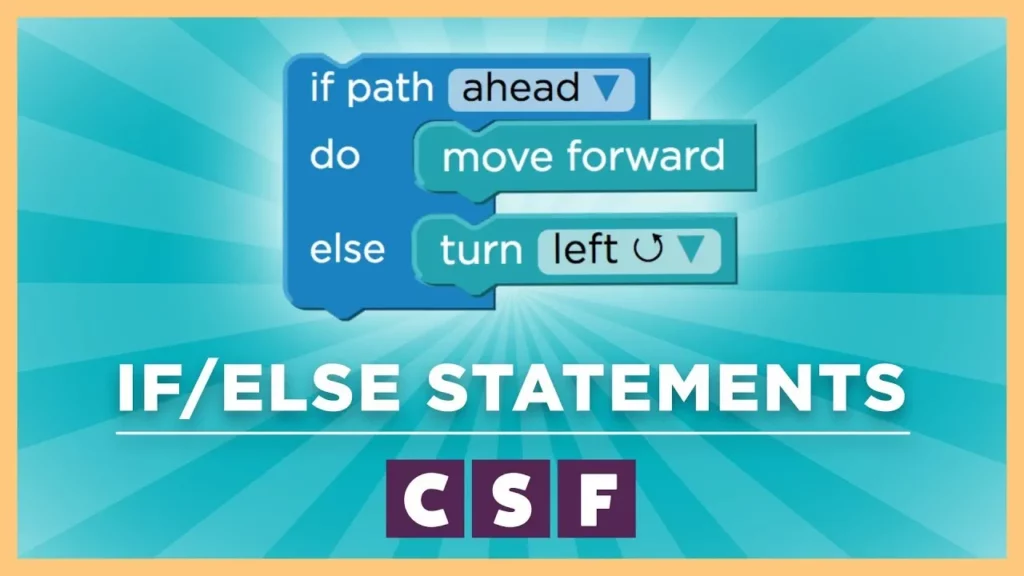
In this lesson, we explored conditional statements, specifically “if” and “if/else” statements, which enable computers to make decisions based on specific conditions. We learned that an “if statement” checks a condition and executes code if it’s true, while an “if/else statement” provides an alternative action if the condition is false. These concepts are essential in programming, allowing for dynamic decision-making in various projects and applications.
Debugging

The lesson on debugging emphasizes the importance of systematically identifying and resolving problems, likening the process to being a detective. By breaking down issues into smaller parts and analyzing each step, one can effectively find and fix mistakes, much like perfecting a gymnastics move. Additionally, the lesson provides practical tips for improving debugging skills, highlighting that this valuable technique can be applied not only in programming but also in everyday challenges.
Mark Zuckerberg on the chance to learn computer science

In this lesson, Mark Zuckerberg emphasizes the importance of learning computer science, highlighting how it can empower individuals to solve problems and create innovative solutions. He shares his personal experience of inspiring a young boy to explore programming and predicts that computer science will become as fundamental as reading and writing in future education. Zuckerberg encourages aspiring learners to utilize online resources and practice regularly, as these skills can significantly enhance career opportunities in a technology-driven world.
Loops – Using the Repeat Block
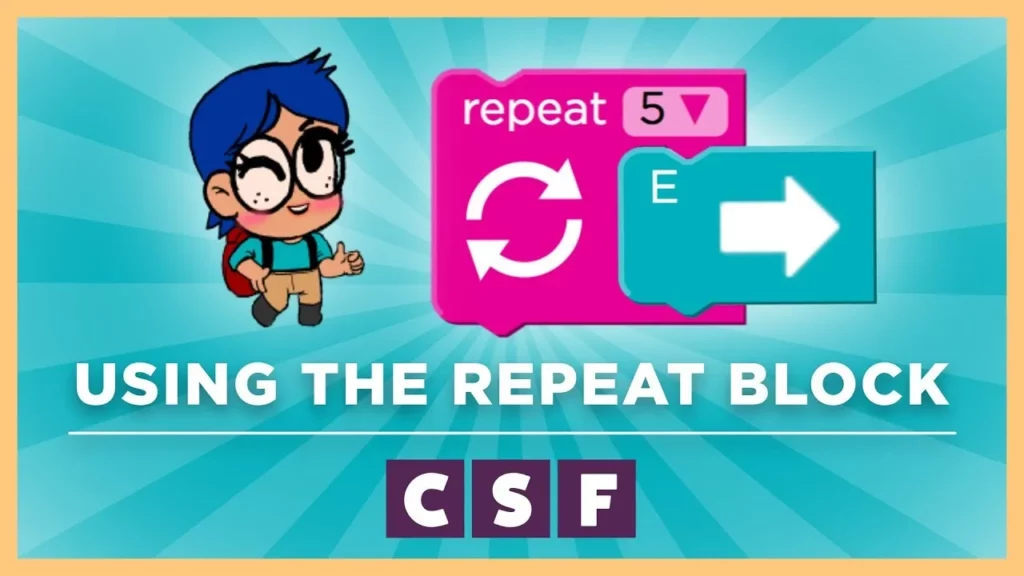
In this lesson, we learned about repeat blocks in coding, which allow us to execute a set of instructions multiple times without rewriting them. By using a repeat block, we can simplify our code, reduce errors, and keep our projects organized, making it easier to perform tasks like drawing shapes or executing actions in games. Overall, repeat blocks are valuable tools that enhance efficiency and creativity in coding.
Mark Zuckerburg teaches REPEAT LOOPS
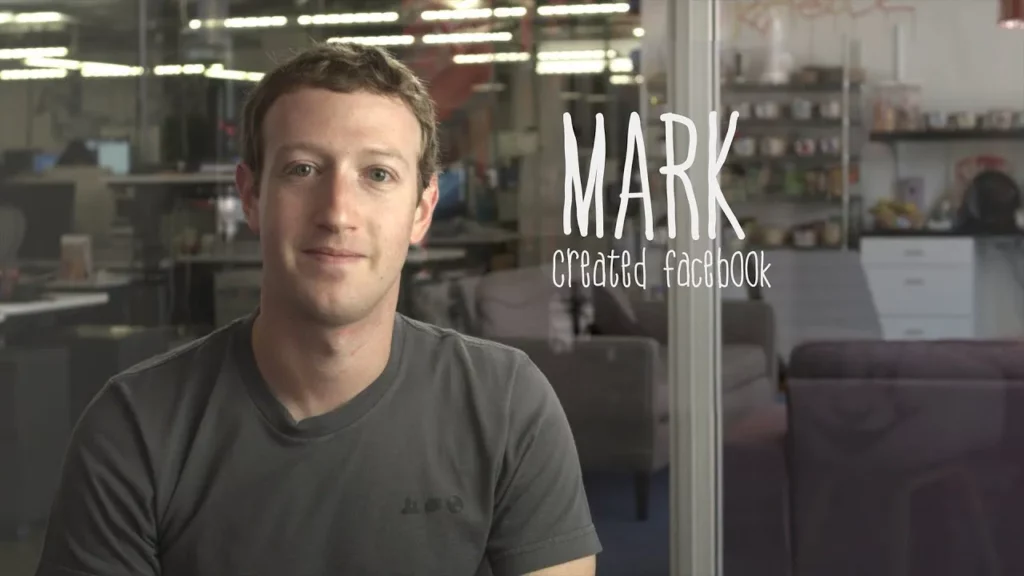
In this lesson, Mark Zuckerberg explains the concept of repeat loops in programming, highlighting their ability to automate repetitive tasks efficiently. By using loops, programmers can save time and enhance the power of their code, enabling computers to perform tasks like sending emails or processing data without fatigue. Understanding loops is essential for anyone interested in coding, as they are fundamental to solving problems and creating innovative applications.