
The Internet: Wires, Cables & Wifi
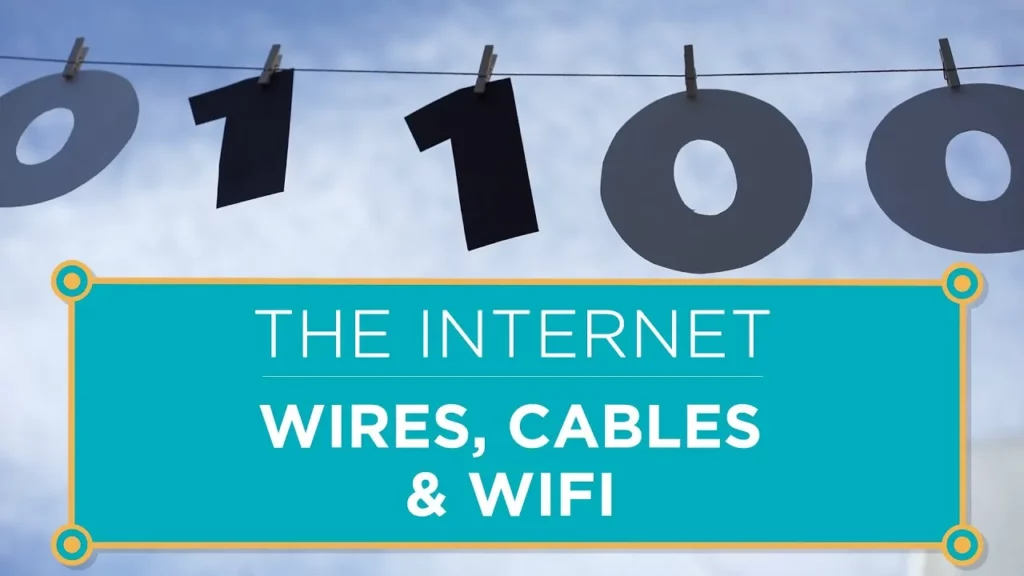
In this lesson, Tess Winlock explains the fundamental workings of the Internet, emphasizing that it operates as a physical system that transmits information in binary code. She covers key concepts such as bits and bytes, the methods of sending information through cables and wireless signals, and the importance of bandwidth and latency for efficient data transfer. The lesson also highlights the significance of different types of cables, like Ethernet and fiber optic, and the future possibilities for Internet communication.
What Most Schools Don’t Teach
The lesson emphasizes the importance of learning to code, not just as a technical skill but as a way to develop critical thinking and problem-solving abilities. It highlights inspiring stories of successful tech creators who began coding at a young age and underscores that anyone can learn to code with determination and basic math skills. Ultimately, the lesson advocates for integrating coding education into schools to prepare students for a technology-driven future and to fill the growing demand for skilled programmers in various fields.
The Hour of Code is Here

In the lesson “The Hour of Code is Here,” Leigha and Tanya emphasize the importance of learning computer science and coding, highlighting that anyone can participate regardless of age or background. They encourage students to join the Hour of Code, illustrating that coding is about problem-solving and creativity, and they point out the growing demand for tech skills in various fields. The lesson aims to inspire 10 million students to explore programming and understand its significance for the future.
Text compression widget with Aloe Blacc

In this lesson, Aloe Blacc introduces the concept of data compression, explaining its importance in reducing the storage space required for digital information like music and videos. He distinguishes between lossy and lossless compression methods, highlighting how lossy compression sacrifices some details for smaller file sizes, while lossless compression retains all original data. The lesson also includes practical examples of text compression and the significance of identifying patterns to optimize storage, emphasizing the role of data compression in everyday digital experiences.
How Computers Work: CPU, Memory, Input & Output
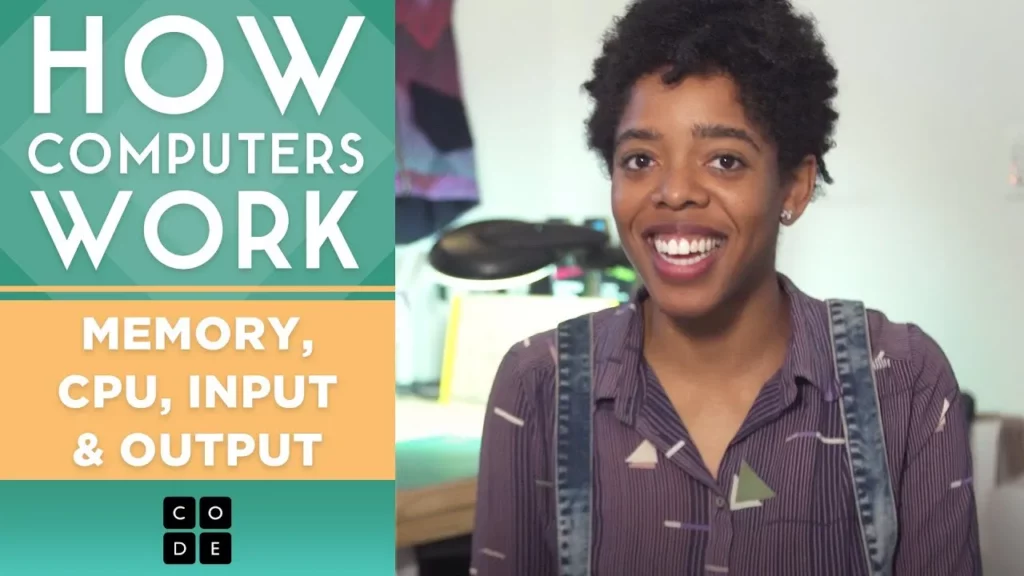
In this lesson, we explored the fundamental functions of computers, focusing on the roles of input, processing, and output. We learned that input devices gather information, the CPU processes this data, and output devices present the results, all working together seamlessly to perform tasks. Additionally, advancements in technology have enhanced computers’ capabilities, enabling them to handle increasingly complex operations.
The Internet: How Search Works
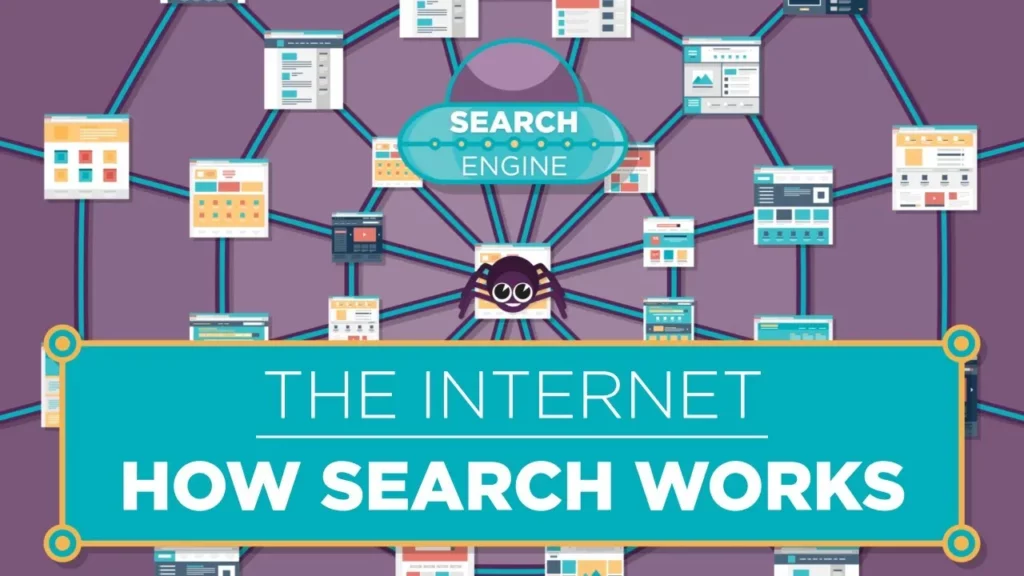
In this lesson, we explored the inner workings of search engines, such as Google and Bing, and their crucial role in helping users navigate the vast information available online. We learned about the processes involved, including how spiders collect data, the creation of search indexes, and the use of ranking algorithms to deliver relevant results quickly. Additionally, the lesson highlighted the ongoing challenges and innovations in search technology, emphasizing the importance of understanding these tools to enhance our search effectiveness and information literacy.
Change the Face of Computer Science
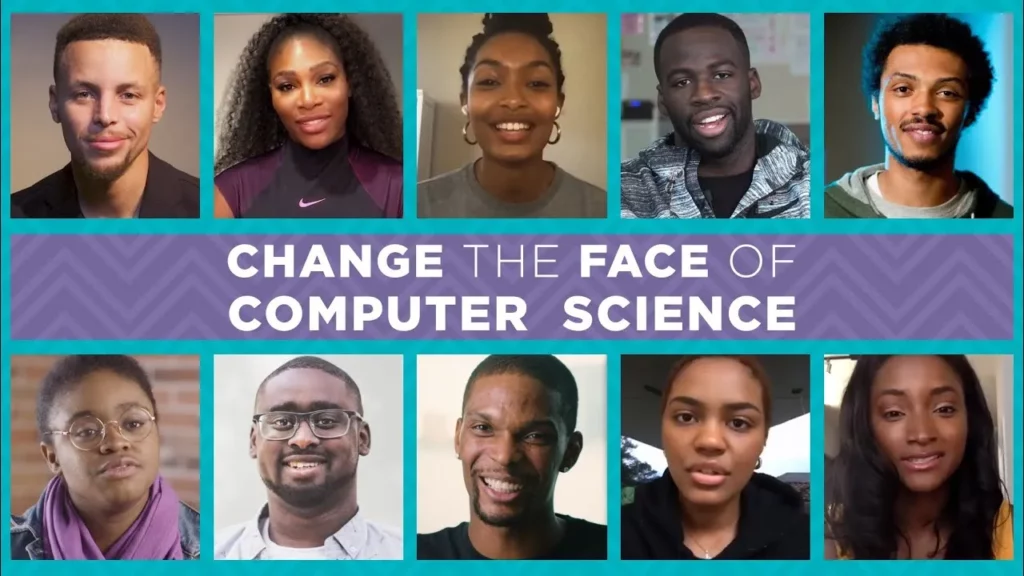
The lesson emphasizes the transformative power of computer science and the importance of diversity within the field. It encourages individuals, especially those from underrepresented backgrounds, to explore coding and technology, highlighting that computer science is accessible to everyone and offers vast opportunities for innovation and problem-solving. Ultimately, the message is to inspire a collective effort to change the face of computer science by fostering inclusivity and collaboration.
The Internet: Packets, Routing & Reliability

In this lesson, Lynn Root explains the fundamental workings of the internet, focusing on how data is transmitted reliably through a system of packets and routers. Data is broken into smaller packets that can take various routes to their destination, ensuring flexibility and fault tolerance. The Transmission Control Protocol (TCP) plays a crucial role in confirming the delivery of all packets, allowing for seamless data retrieval, which is essential for the internet’s scalability and reliability.
How Computer Vision Works

The lesson on computer vision explains how machines interpret and understand images through techniques like machine learning and neural networks. It highlights the transition from traditional programming, which relies on strict definitions, to machine learning, where computers learn to recognize patterns from vast amounts of training data. The importance of high-quality training data is emphasized, as it directly impacts the effectiveness of computer vision applications in various fields, including agriculture and autonomous vehicles.
What is Computer Science Principles?
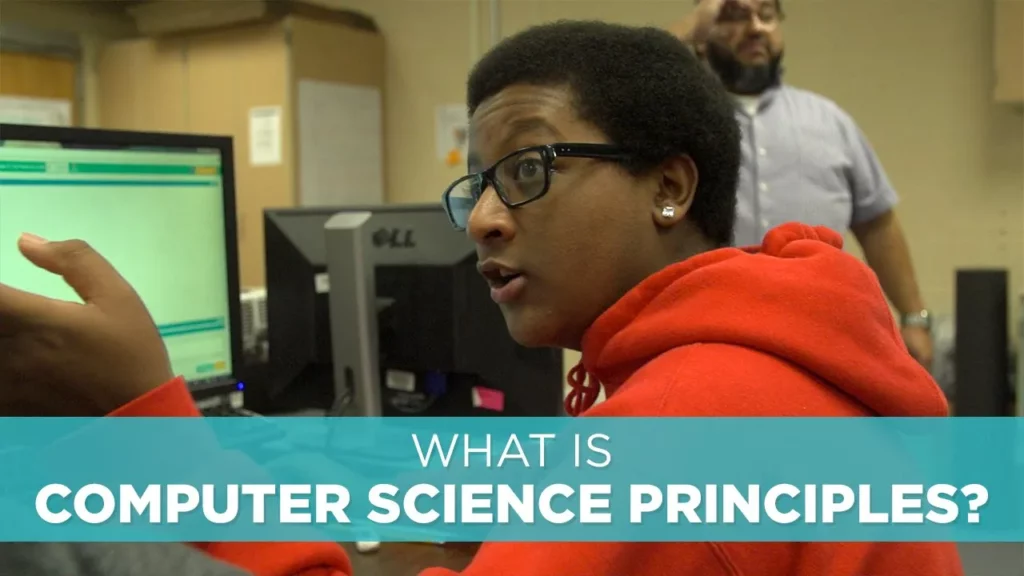
The lesson on Computer Science Principles emphasizes the accessibility and importance of computer science for everyone, highlighting its potential to empower individuals to create impactful solutions. Students will explore various topics, including algorithms, internet functionality, and data security, while engaging in hands-on, collaborative activities that foster problem-solving skills. Ultimately, the course aims to build confidence and creativity, encouraging students to see computer science as a fundamental skill in today’s world.