
How Computers Work: Circuits & Logic
The lesson “How Computers Work: Circuits & Logic” explores the fundamental role of circuits in computer functionality, emphasizing how they process information through binary signals represented as ones and zeros. It explains basic circuit operations, such as NOT and AND gates, and illustrates how more complex circuits, like adders, perform mathematical calculations. The lesson highlights the evolution of circuits from large, slow components to today’s tiny, fast ones, showcasing their critical importance in various applications, from gaming to medical diagnostics.
How To Debug
The lesson on debugging emphasizes that encountering bugs is a normal part of programming, and it encourages a problem-solving mindset when faced with challenges. It outlines four key steps for effective debugging: describing the problem, hunting for bugs, trying small solutions, and documenting learnings. Ultimately, mastering debugging is essential for improving programming skills and fostering growth as a coder.
Hour of Code – Mark Zuckerburg teaches Repeat Loops

In the “Hour of Code – Mark Zuckerberg Teaches Repeat Loops” lesson, students learn about the concept of loops in programming, which allow computers to perform repetitive tasks efficiently. By using a “repeat” block, coders can simplify their commands, making it easier to execute multiple actions without writing extensive code. The lesson emphasizes the power of loops in automating tasks, such as sending birthday emails on Facebook, and encourages students to experiment with coding for fun and efficiency.
AI: Training Data & Bias
The lesson emphasizes the critical role of training data in machine learning and artificial intelligence, highlighting that the quality and diversity of this data significantly influence AI system effectiveness. It discusses how training data is collected, both passively and actively, and underscores the challenges of bias that can arise from non-representative datasets, particularly in sensitive fields like healthcare. Ultimately, the lesson stresses the importance of ensuring diverse and unbiased training data to improve AI accuracy and fairness.
Hour of Code – Bill Gates explains If statements

In the “Hour of Code” lesson featuring Bill Gates, students learn about IF statements, a fundamental concept in programming that allows computers to make decisions based on conditions, similar to how we make choices in daily life. Through engaging puzzles, participants see how IF statements can guide actions, such as directing a zombie to navigate its environment. The lesson emphasizes the importance of these statements in programming and encourages students to explore and create their own programs using this logic.
Unplugged – The Internet
The lesson “Unplugged – The Internet” introduces the basic concepts of how the internet functions, likening it to a busy highway where messages travel quickly in the form of packets. It explains that understanding the internet’s structure, including the role of IP addresses and packet transmission, can enhance one’s ability to navigate online activities. Additionally, Amanda Camp, a software engineer, shares her experiences in backend systems, emphasizing the importance of efficient data transmission and the transformative potential of software in helping people globally.
AI: What is Machine Learning?
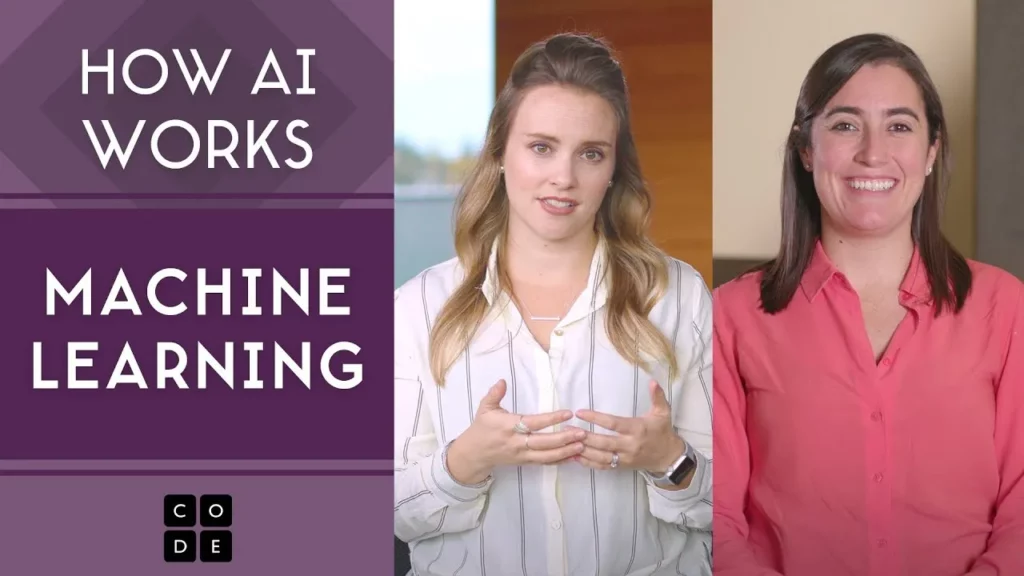
In this lesson, Ale Flores and Dr. Chelsea Haupt introduce the concept of machine learning, a subset of artificial intelligence that enables computers to learn from data and make decisions without explicit programming. They explain how machine learning is already influencing our daily lives through applications like facial recognition and voice understanding, and emphasize the importance of understanding this technology as it continues to shape our future. The lesson encourages participants to engage with machine learning by training their own models, highlighting its potential as a powerful tool for solving global challenges.
Introducing How Computers Work
This lesson introduces the fundamental concepts of how computers work, highlighting their pervasive presence in our daily lives. It covers the essential components of computers, including how they process information through electrical signals, the role of circuits, and the interaction between hardware and software through coding. By understanding these basics, learners can appreciate the technology they use and explore the potential for future innovations.
CS Principles: Intro to Variables – Part 1
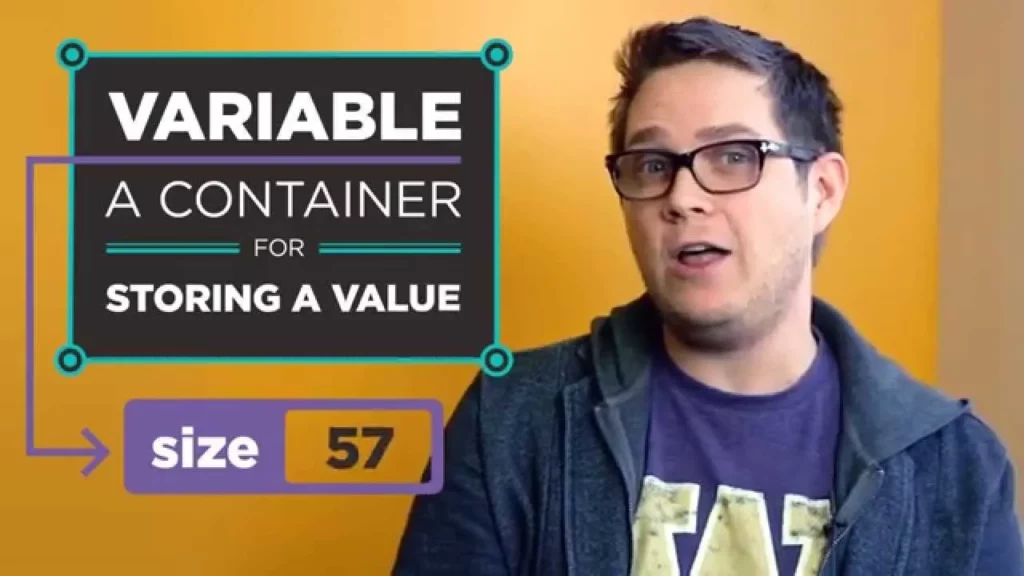
In this lesson on variables in programming, students learn that a variable acts as a container for storing values, which can be used throughout a program to track changing information, such as scores or lives in a game. The lesson covers how to create and initialize variables using the “var” keyword, the role of the equal sign as an assignment operator, and the importance of correctly referencing variables to retrieve their values. Additionally, it emphasizes the distinction between displaying a variable’s value and its label, highlighting common practices to avoid errors.
What Do Computers Do?
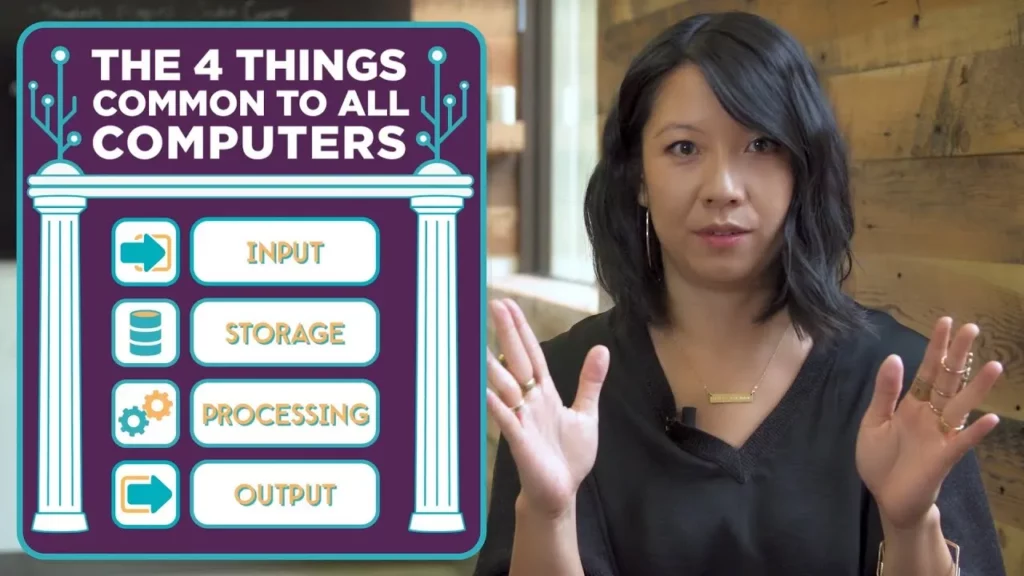
In this lesson, May-Li Khoe explains the fundamental functions of computers, which include taking input, storing information, processing it, and outputting results. She highlights how various devices, from keyboards to smartwatches, provide input to computers, which then use algorithms to process the data and produce outputs like text, images, or signals. Ultimately, these four tasks are essential to the operation of all computers, showcasing their ability to handle and share information effectively.