
Can You Teach Computer Science without Computers? Hello Ruby Thinks So!
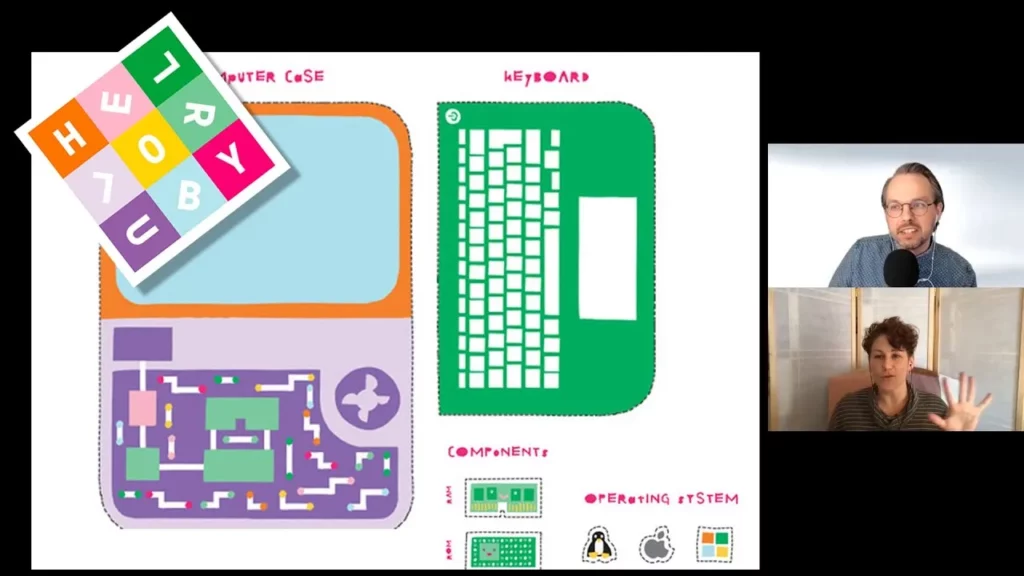
The lesson introduces “Hello Ruby,” a resource designed to teach computer science concepts to children aged four to eight without the use of computers. Created by Finnish author Linda Lucas, it emphasizes hands-on activities that engage kids in learning about coding, online safety, and the evolution of technology through creative tasks. While the platform is praised for its fun and accessible approach, there are suggestions for improving its organization and diversity in presentation.
Kids and Tech: The New Landscape
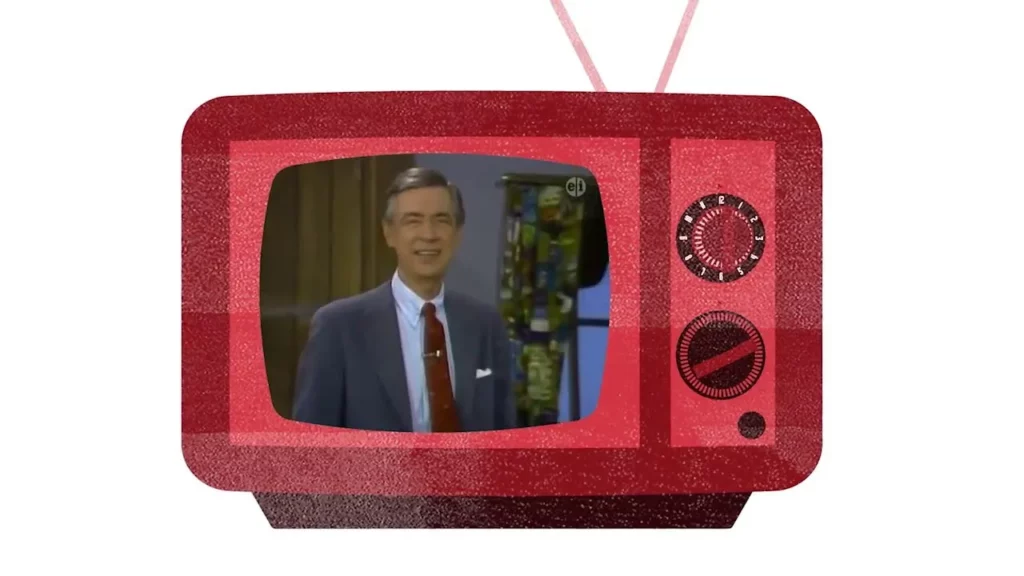
The lesson “Kids and Tech: The New Landscape” emphasizes the importance of balancing traditional and digital activities in children’s development, highlighting how media technology can support learning when used thoughtfully. It encourages parents to monitor developmental milestones and foster a healthy relationship with technology, ensuring that screen time complements real-life interactions and enhances educational experiences. Ultimately, the lesson advocates for parents to be proactive role models in guiding their children through the digital world while promoting essential skills for lifelong learning.
10 Summer Movies to Broaden Kids Perspectives
The lesson highlights ten summer movies that can help children broaden their perspectives on various social, cultural, and environmental themes. Each film, from “The Iron Giant” to “Love, Simon,” offers valuable lessons on friendship, family, teamwork, and social justice, encouraging kids to think critically about their world and the experiences of others. These movies serve as engaging tools for fostering empathy and understanding in educational settings.
AI Education Project: Teach About ChatGPT and Artificial Intelligence With This Stunning Curriculum
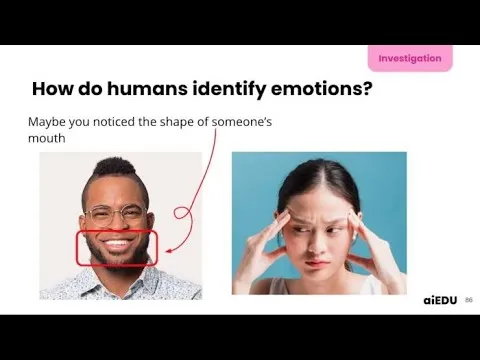
The lesson introduces the AI Education Project, a free online resource designed to teach students about artificial intelligence through engaging lessons and activities. It emphasizes the importance of understanding AI in today’s world, outlines the project’s comprehensive curriculum, and highlights various components such as the Intro to AI course, student projects, and quick AI Snapshots. The lesson encourages exploration of these resources to better grasp the evolving landscape of AI.
Why Teach Digital Citizenship?
The lesson emphasizes the importance of teaching digital citizenship, which equips students with the skills to navigate technology and the internet responsibly and respectfully. By understanding online behavior and the impact of their actions, students can avoid potential issues and enhance their online experiences. Ultimately, digital citizenship is essential for preparing students to be informed and responsible users of technology in today’s digital world.
Mi vecindario en línea
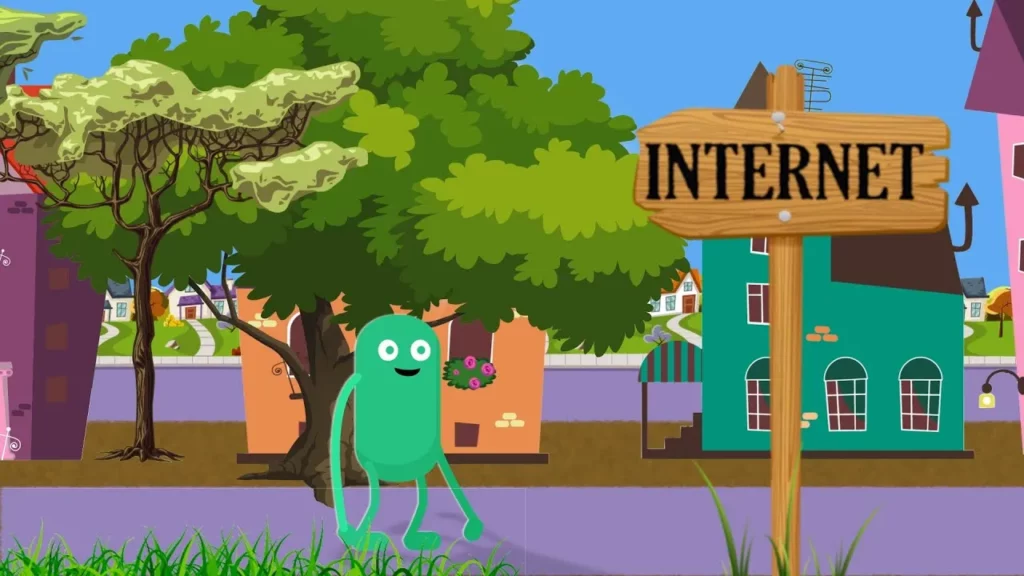
En la lección “Mi Vecindario en Línea”, un niño de siete años comparte su experiencia usando la computadora de su mamá para explorar el internet, describiéndolo como un vecindario mágico donde puede aprender, jugar y comunicarse con familiares. A lo largo de su aventura, destaca la importancia de la seguridad en línea, recordando tres reglas esenciales: pedir permiso a los padres, hablar solo con personas conocidas y visitar sitios apropiados. La lección enfatiza la diversión y el aprendizaje que ofrece el internet, mientras se promueve un uso responsable y seguro.
Supporting English Language Learners With Digital Storytelling
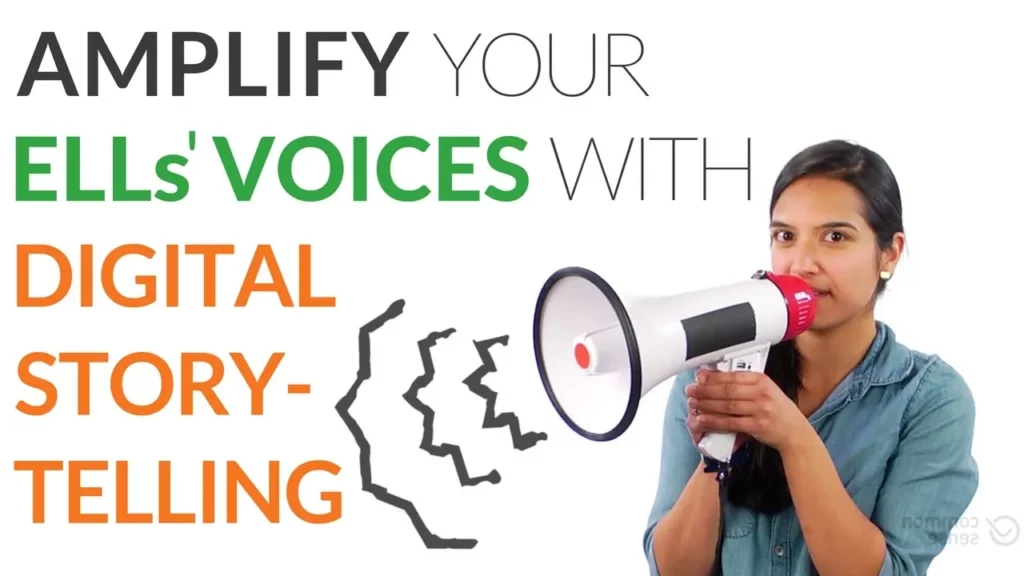
The lesson emphasizes the importance of using digital storytelling tools to support English Language Learners (ELLs) by highlighting their existing knowledge and cultural backgrounds. By incorporating multimedia and creating opportunities for practice and feedback, educators can foster a low-stakes environment that encourages communication and collaboration. Additionally, providing authentic audiences for students’ work enhances their engagement and helps develop their bilingual academic language skills.
Mystery Science: A No Brainer for Inquiry-driven Learning (for Elementary)
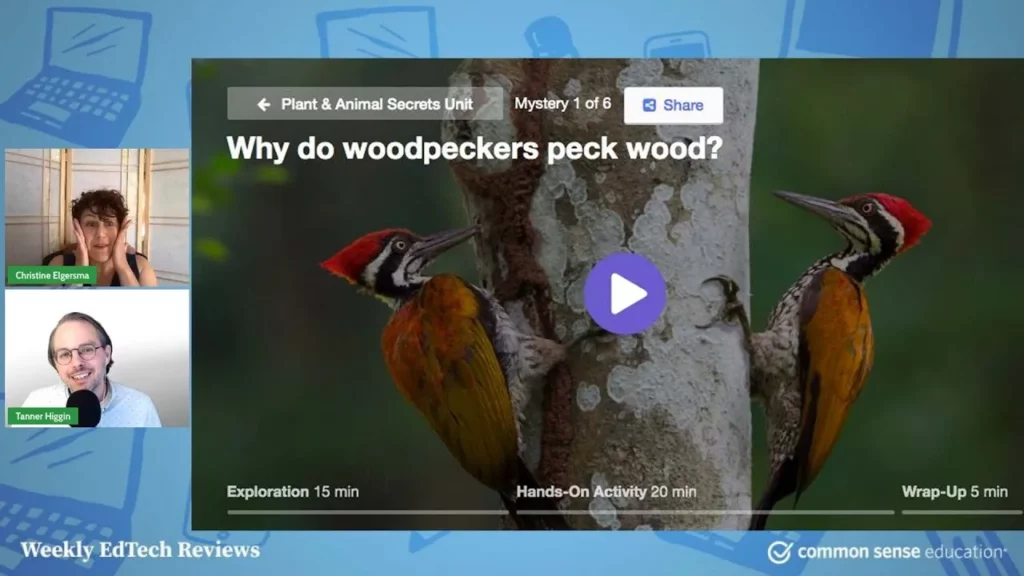
Mystery Science is an innovative educational tool designed to enhance K-5 science education through inquiry-driven learning. It offers a variety of engaging lessons and mini-lessons that incorporate hands-on activities and interactive features, making science accessible and enjoyable for elementary students. Despite its subscription cost, the platform aligns with educational standards and provides valuable resources for educators looking to create a dynamic and effective science curriculum.
Cyberbullying Toolkit for Educators: Stand Up, Don’t Stand By
The “Cyberbullying Toolkit for Educators: Stand Up, Don’t Stand By” lesson emphasizes the importance of addressing cyberbullying in today’s digital landscape. It provides educators with strategies to promote digital citizenship, create a safe classroom environment, and engage parents in the fight against cyberbullying, highlighting the need for a collaborative approach to ensure a supportive atmosphere for all students. Ultimately, the lesson advocates for proactive prevention and education as key components in combating this pervasive issue.
Convene the Council: We’re a Little Torn on This Foreign Policy Game
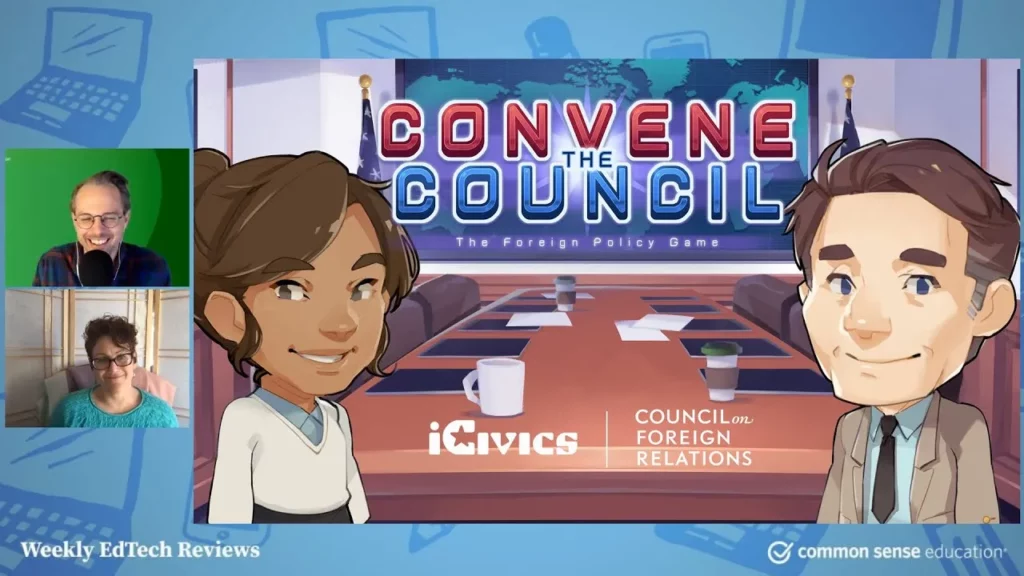
In the lesson “Convene the Council: Exploring Foreign Policy Through Gaming,” students engage with the iCivics game that simulates the role of the U.S. president leading the National Security Council to address international issues. Players make decisions based on chosen focuses, such as “Prosperity,” while navigating various crises and learning about the complexities of diplomacy and government roles. Although some feedback suggests improvements in clarity and depth of understanding, the game serves as an effective educational tool for exploring foreign policy.