
Teaching Digital Citizenship: Be a Super Digital Citizen
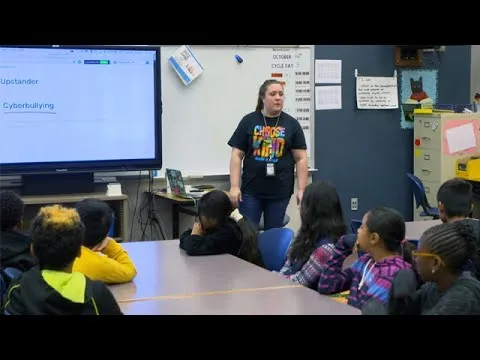
In today’s lesson, we explored the concept of being a “super digital citizen,” which involves using the internet safely and kindly while helping others. We learned about cyberbullying, discussed how to be upstanders in various scenarios, and created superhero comic strips to illustrate our ideas on combating online unkindness. By the end of the lesson, students shared their creative work and understood the importance of kindness and responsibility in the digital world.
3 Ways to Help Students Build Empathy Using Technology
The lesson outlines three effective ways for teachers to help students develop empathy through technology. First, by practicing digital citizenship and providing constructive feedback online, students can learn respectful communication. Second, exploring diverse perspectives through global connections and virtual experiences broadens their understanding of different cultures. Lastly, turning empathy into action encourages students to share their stories and create impactful projects using various digital tools, fostering a sense of community and social responsibility.
5 Essential Media Literacy Questions for Kids
The lesson emphasizes the importance of media literacy for kids by introducing five essential questions to critically analyze media messages. These questions focus on the creator’s identity, the purpose behind the message, funding sources, attention-grabbing techniques, and representation within the content. By encouraging kids to ask these questions, the lesson aims to enhance their understanding of media and promote thoughtful engagement with the messages they encounter.
Kahoot! in 30 Seconds
Kahoot! is an engaging and interactive learning tool that allows users to participate in multiple-choice quizzes in a game-like format, making learning enjoyable and competitive. It can be accessed online or through a mobile app, enabling users to play with friends or classmates and test their knowledge in a fun environment. With its vibrant visuals and exciting music, Kahoot! transforms traditional quizzes into a lively game show experience.
Prezi: One of a Kind Presentation Tool Has Fresh Features and a New Look
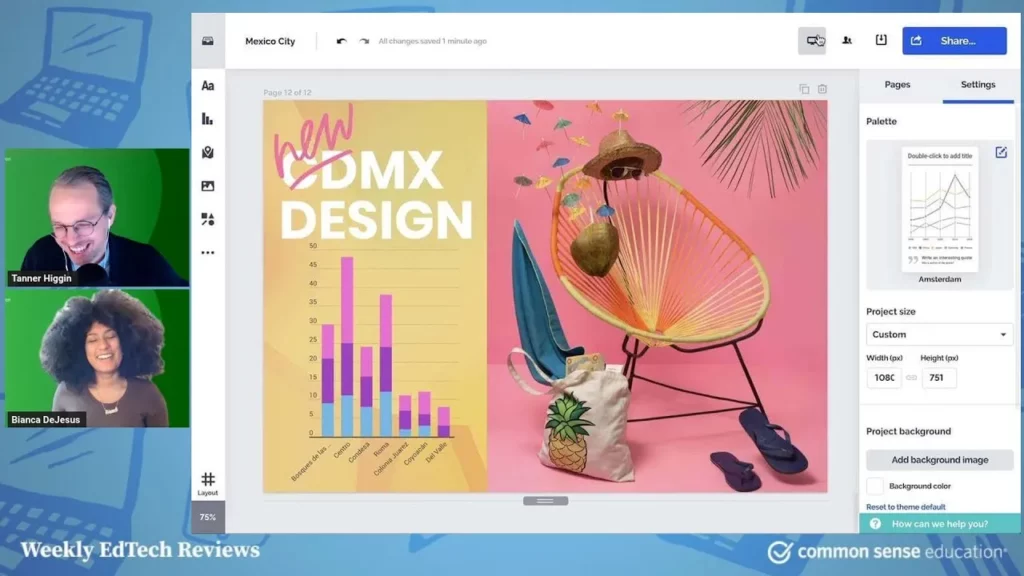
The lesson introduces Prezi as an innovative presentation tool that offers a variety of features suitable for students, teachers, and anyone interested in creating engaging presentations. Key highlights include its free access for educational purposes, a vast library of customizable templates, a unique zoom feature for detailed exploration, and easy collaboration options for group projects. With ample support resources available, Prezi stands out as a user-friendly platform for crafting visually appealing and interactive presentations.
Deepfakes and Democracy: 4 Things to Know Before You Vote
The lesson on “Deepfakes and Democracy” highlights the growing threat posed by deepfake technology, which uses AI to create realistic but false videos, potentially undermining trust in media and democratic processes. It emphasizes the importance of critical thinking and media literacy, urging individuals to slow down before sharing content, recognize manipulation, and seek reliable news sources. Ultimately, the lesson calls for a proactive approach to discerning fact from misinformation to ensure informed participation in democracy.
BrainPOP Jr. in 30 Seconds
BrainPOP Jr. is an engaging educational website tailored for young learners, offering a variety of colorful videos, games, and activities across subjects like English, math, art, and science. The platform enhances learning with helpful features such as captions, transcripts, and printable worksheets, while also providing interactive activities like quizzes and story writing to reinforce knowledge. Overall, BrainPOP Jr. makes learning fun and accessible, making it a valuable resource for children.
9 Great Documentaries for High School Classrooms
This lesson highlights nine impactful documentaries suitable for high school classrooms, each addressing significant social issues and encouraging critical thinking. From Malala Yousafzai’s advocacy for girls’ education to explorations of race, media representation, masculinity, bullying, health, and economic inequality, these films serve as powerful educational tools that inspire discussions and promote awareness among students. By integrating these documentaries into the curriculum, educators can foster a deeper understanding of contemporary challenges and motivate students to engage with the world around them.
Quizizz Is Now One of Our Favorite Apps: Here’s Why
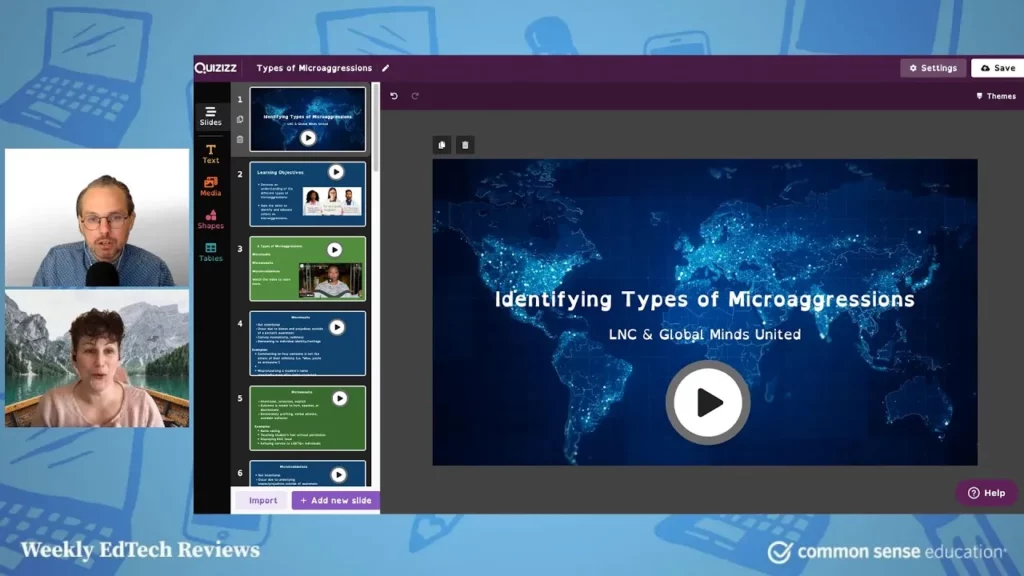
The lesson highlights Quizizz as a leading educational tool that enhances classroom engagement through its interactive features and lesson formats. With both free and paid versions available, Quizizz allows educators to create dynamic quizzes and presentations, incorporating multimedia elements and customizable feedback to enrich the learning experience. As it evolves into a comprehensive educational platform, Quizizz stands out as a valuable resource for teachers looking to improve their teaching strategies and student interaction.
How to Assign Group Work in Google Classroom
This lesson outlines how to effectively assign group work in Google Classroom using the “Individual Assignments” feature, which allows educators to designate tasks to specific groups of students. By following a straightforward process to create assignments and select group members, teachers can enhance collaboration while ensuring that each student contributes meaningfully to the group’s efforts. The lesson emphasizes the importance of organization and equitable workload distribution to maximize the benefits of group work in the classroom.