
Why Do Kids Need Art Now More Than Ever?
The lesson emphasizes the critical role of art in children’s lives, particularly during challenging times, as it provides a vital outlet for emotional expression and creativity. Melissa Cleaver and Bob Reaker discuss how art helps children cope with stress, fosters mindfulness, and serves as a historical record of their experiences. They also offer strategies for nurturing creativity at home, highlighting the importance of providing materials, inspiration, and opportunities for exploration in diverse forms of art.
Five Easy Steps to Increasing Student Engagement
In the lesson “Five Easy Steps to Increasing Student Engagement,” Dr. Nicolette H. McNeil shares strategies for enhancing student involvement in both traditional and distance learning environments. She emphasizes the importance of integrating academic and social-emotional learning through a five-step approach that includes defining lesson objectives, promoting speaking and listening, incorporating reading and writing, applying Depth of Knowledge levels, and connecting with social-emotional learning. By leveraging these strategies, educators can foster a more engaging and supportive educational experience for their students.
9/11 and Its Legacy
The lesson on “9/11 and Its Legacy” emphasizes the importance of remembering the events of September 11, 2001, and their profound impact on society. Through the insights of Noah Rauch and the resources provided by the 9/11 Memorial and Museum, the lesson highlights the need for adaptive educational approaches to teach younger generations about the significance of the attacks, focusing on themes of courage, compassion, and global interconnectedness. Ultimately, it aims to foster resilience and awareness in students as they navigate the complexities of the world today.
Spark 101 Offers a Window Into Careers and the Challenges They Face Every Day
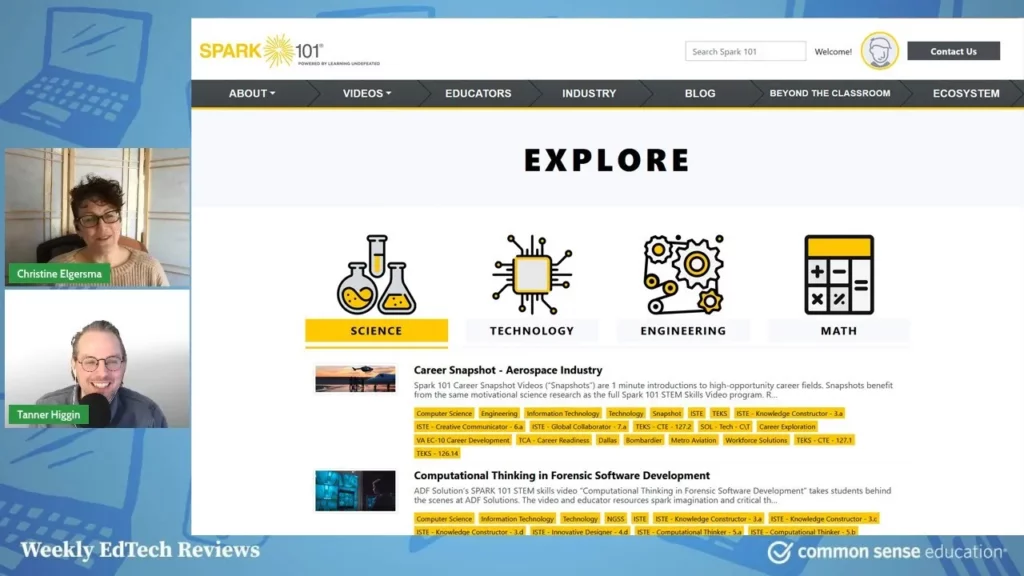
The lesson introduces Spark101, a free online platform that provides engaging videos showcasing how STEM (Science, Technology, Engineering, and Math) fields address real-world challenges through the experiences of professionals. It emphasizes the importance of visualizing diverse career paths in STEM, encouraging students to explore various roles and understand the relevance of their education to future opportunities. Additionally, Spark101 serves as a valuable resource for both students and teachers, promoting accessibility and inspiration in STEM education.
Challenge Math and Science Learners with Brilliant #AppyHour

In this lesson, Emily Palonsky from Novi High School introduces Brilliant, an interactive online platform designed for advanced math and science learners, particularly in physics. The platform emphasizes personalized learning through problem-solving and collaboration among students, although it lacks a teacher dashboard for tracking progress. Overall, Brilliant is highlighted as a valuable resource that fosters critical thinking and engagement in STEM education.
Best Critical Reading Tools for ELA Middle/High School
This lesson explores effective critical reading tools for English Language Arts (ELA) in secondary education, focusing on three standout resources: Newsela, Think Circa, and Actively Learn. Each platform offers unique features, such as customizable nonfiction articles, audio support for diverse learners, and a blend of fiction and nonfiction resources, all aimed at enhancing student engagement and learning outcomes. The lesson encourages educators to leverage these tools to create a supportive and enriched learning environment while also promoting collaboration through resources like Graphite.
From ELA to Emotional Well-Being: Free Learning Activities!
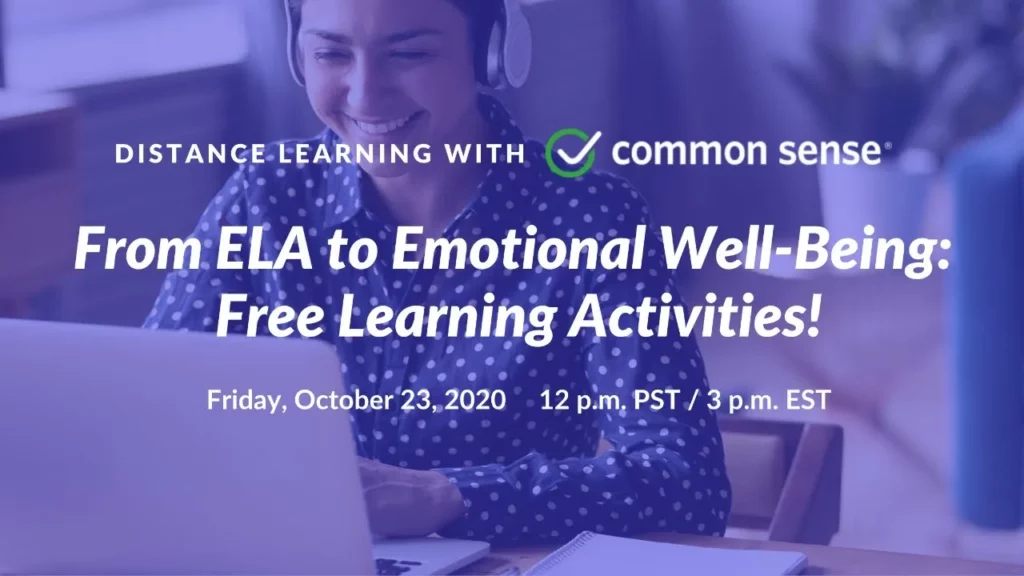
In this lesson, Tali Horowitz, along with experts Laura Ogando and Jackie Patano, explores the integration of digital learning resources, particularly Wide Open School, which offers a wealth of educational content for students from preschool to 12th grade, including activities that promote emotional well-being. The discussion emphasizes the importance of combining digital tools with offline activities to foster life skills and encourages educators and parents to build supportive communities while utilizing available resources to enhance the learning experience.
Teaching Strategies: Learning Difficult Vocabulary
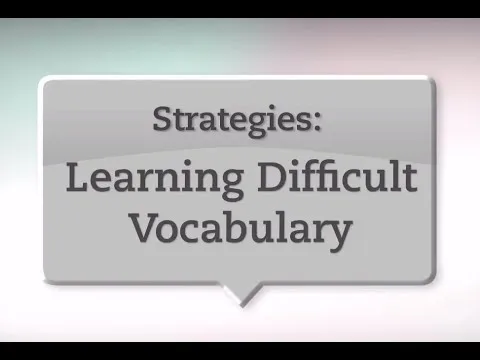
In this lesson, students learn important vocabulary related to internet usage, including terms like fair use, copyright, and Creative Commons. Understanding these words is crucial for navigating online content responsibly and safely, as it enables students to use information and images appropriately while giving credit to creators. By explaining vocabulary in their own words and recognizing the significance of these terms, students become more informed and responsible internet users.
Introduction to 21st Century Learning with Helen Soule
The lesson on “Introduction to 21st Century Learning” emphasizes the need for a transformative approach in education, where students become active participants in their learning rather than passive recipients. It highlights the importance of the four essential skills—critical thinking, collaboration, communication, and creativity—integrated with real-world applications and technology to enhance student engagement. Teachers are encouraged to embrace innovation and take risks in their teaching methods to effectively prepare students for the evolving demands of the 21st century.
Low-Tech Resources For All Learners
The lesson on “Low-Tech Resources For All Learners” emphasizes the importance of utilizing low and no-tech resources to engage students effectively in distance learning. Experts Barbara Keith, Lori Guillen, and Alison Brenda discuss various activities, such as scavenger hunts and virtual bingo, that can enhance learning while ensuring accessibility for all students. They also highlight the need for balancing technology use, maintaining student privacy, and encouraging creativity and exploration in the learning process.