
Reach Spanish-Speaking Families Via Text
In this lesson, Vicki Saylor and Rocio Lopez discuss effective strategies for engaging Spanish-speaking families in distance learning. They emphasize the importance of understanding the diverse needs within the Latinx community and highlight the use of accessible communication methods, such as texting, to share resources. The session introduces the Tech Balance program, which provides practical tips in both English and Spanish, aiming to create inclusive educational experiences for all families.
Our Kids’ Connected Culture – Overview for Parents and Teachers
The lesson “Our Kids’ Connected Culture” emphasizes the dual nature of the digital world, highlighting both the opportunities for connection and the potential for misunderstandings and negative interactions. It shares personal experiences of online drama to illustrate the importance of communication and kindness in navigating online relationships. The lesson concludes with practical tips for parents and teachers to help children foster a positive online environment, emphasizing respect, handling bullying, and creating supportive communities.
Tech-Rich Lesson Plan in Action: Middle School ELA – Verbs
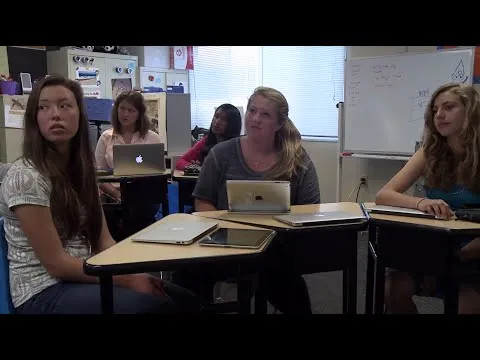
In this engaging middle school ELA lesson, students explored the concept of “mood” in grammar, focusing on how it influences verbs in sentences. Utilizing various technology tools like Nearpod, Padlet, and Telami, students participated in interactive activities, collaborated on sentence creation, and recorded monologues to deepen their understanding. The lesson emphasized purposeful technology integration to enhance learning outcomes and foster a collaborative classroom environment.
Celebrate Digital Citizenship Week
In the lesson on celebrating Digital Citizenship Week, Sue Thotts and guests from the Los Angeles Unified School District discuss the importance of teaching digital citizenship within educational settings. They highlight initiatives at Carson Street STEAM Academy, where students engage in creative projects that promote responsible online behavior, and emphasize the need for educators to integrate digital citizenship into their lessons to foster a safe and supportive digital environment for students. Key takeaways include starting small with lessons, creating a vision for digital citizenship, and encouraging student participation through themed activities.
Pause and Think Online (2014 – OLD VERSION)
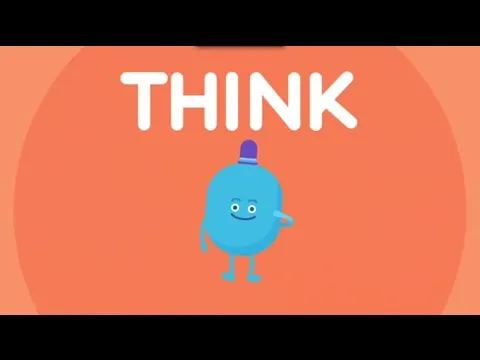
The “Pause and Think Online” lesson emphasizes the importance of using your head, heart, arms, gut, and legs to navigate the online world safely and kindly. It encourages students to think critically about their online actions, treat others with respect, take breaks, and listen to their instincts to ensure a positive digital experience. Overall, the lesson promotes a balanced approach to online interactions, highlighting the significance of safety, kindness, and mindfulness.
Political Ads on Social Media: Selling the Truth?

The lesson on “Political Ads on Social Media: Selling the Truth?” emphasizes the strategic use of branding and micro-targeting in political advertising, which can distort the truth and manipulate voter perceptions. It highlights the importance of being aware of targeted ads, recognizing misinformation, and fact-checking claims to navigate the political landscape effectively. Ultimately, the lesson encourages young voters to engage critically with political content and to prioritize their participation in elections as a means of influencing change.
99math: A Game Show App Just for Math!?
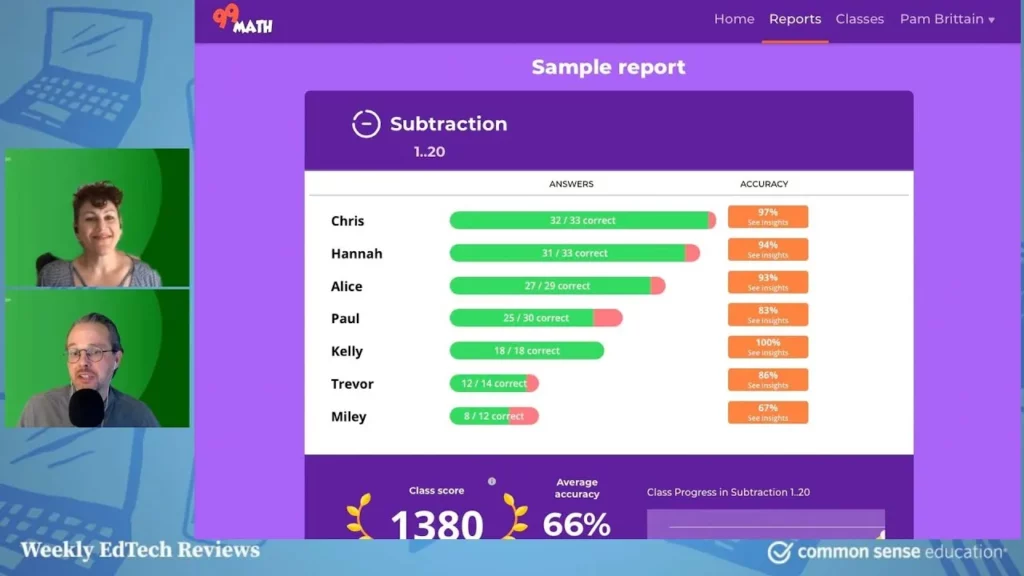
99math is an engaging and free online platform designed for students to practice math through interactive quiz-style games, suitable for grades from kindergarten to high school. The app allows players to join games easily on any device, offering pre-made content for teachers and a calculator tool for assistance during gameplay. While it emphasizes speed and fluency in math, it lacks instant feedback for incorrect answers and may not cater to varying skill levels among students.
Preventing the Professional Summer Slide
In the lesson “Preventing the Professional Summer Slide,” Barbara Hughes and guests from Prince George’s County discuss strategies for maintaining professional development during the summer months. They highlight the importance of engaging in virtual learning opportunities, celebrating achievements, and focusing on specific areas for growth while also emphasizing the need for educators to rest and recharge in preparation for the upcoming school year. The session encourages educators to connect with their communities for support and resource sharing.
What is Project-Based Learning?
Project-based learning (PBL) is an engaging teaching method that involves students working on real-world projects that are meaningful to them, fostering a deeper understanding of the subject matter. By focusing on authentic audiences and encouraging collaboration, PBL helps students develop essential skills such as teamwork, communication, and critical thinking. Teachers play a crucial role as mentors, guiding students through their projects and creating an environment that promotes exploration and investment in learning.
How Does Social Media Impact Students?
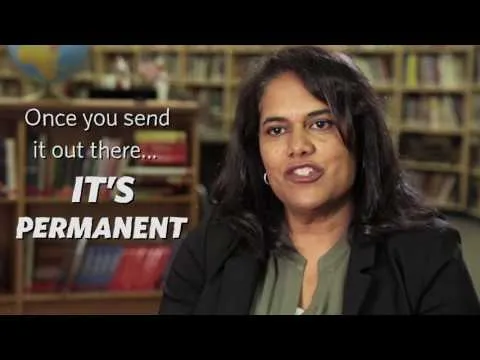
In this lesson, Tracy Christmas, the assistant principal at Los Cerros Middle School, discusses the significant impact of social media on students. She emphasizes the importance of thinking before posting, as online content can have lasting consequences, and encourages responsible use to protect personal information and maintain respectful interactions. By understanding the potential effects of social media, students can harness its benefits while avoiding pitfalls.