
Digital Bytes: News Literacy

The lesson “Digital Bytes: News Literacy” highlights the declining interest in traditional news among younger audiences, who increasingly rely on social media for information. It emphasizes the importance of developing critical thinking skills to discern credible sources amidst the overwhelming amount of misinformation online. As news becomes more personalized, consumers must approach information cautiously and remain vigilant in verifying the accuracy of what they read.
Why Is Teaching Online Safety Important?
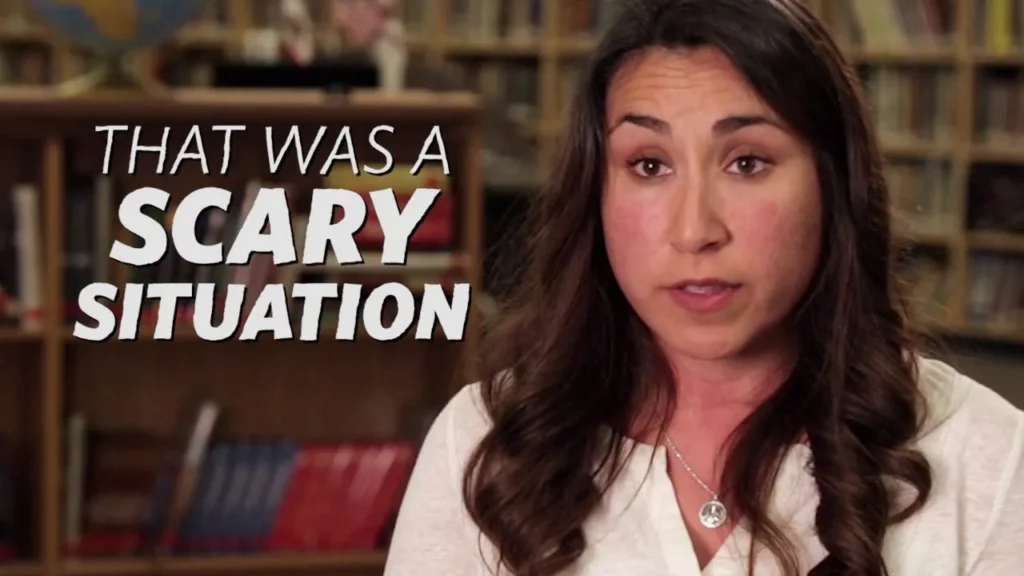
The lesson emphasizes the importance of online safety, particularly for young students who may not fully understand the risks of sharing personal information on the internet. It highlights the potential dangers of oversharing, such as identity theft and unwanted attention, and offers practical tips for staying safe, including being cautious with location services and friend requests. Ultimately, the lesson encourages awareness and mindfulness in online interactions to protect oneself while enjoying the benefits of the digital world.
Implementing Digital Citizenship: Omaha Public Schools
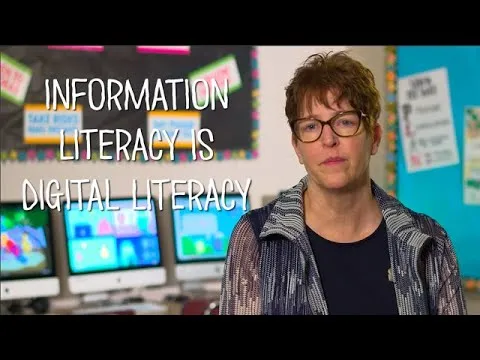
The lesson on implementing digital citizenship at Walnut Hill Elementary emphasizes the importance of teaching students to use technology and the internet safely and responsibly. Through collaborative efforts among educators, parents, and various programs, the school fosters a culture of digital citizenship, encouraging students to engage in discussions about online behavior and social media. The ongoing commitment to this education ensures that students graduate with a solid understanding of digital citizenship, preparing them for a safe and respectful online presence.
Bring Native American Perspectives Into Your Lessons With The National Museum of the American Indian
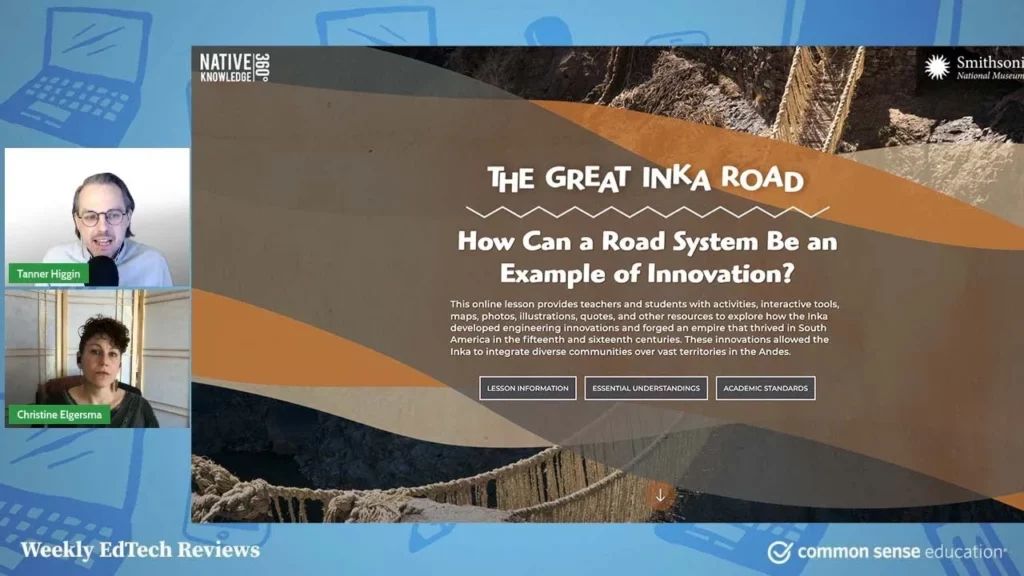
The lesson highlights the National Museum of the American Indian as a valuable resource for educators to incorporate Native American perspectives into their curriculum. With online exhibitions, a searchable collection of artifacts, and specialized educational materials like “Native Knowledge 360,” teachers can engage students of various grade levels in learning about Native cultures. Additionally, the museum offers virtual field trips and webinars, providing opportunities to connect with local tribes and deepen understanding of Native histories and traditions.
Radio General: A WWII Game Packed With Learning Opportunities
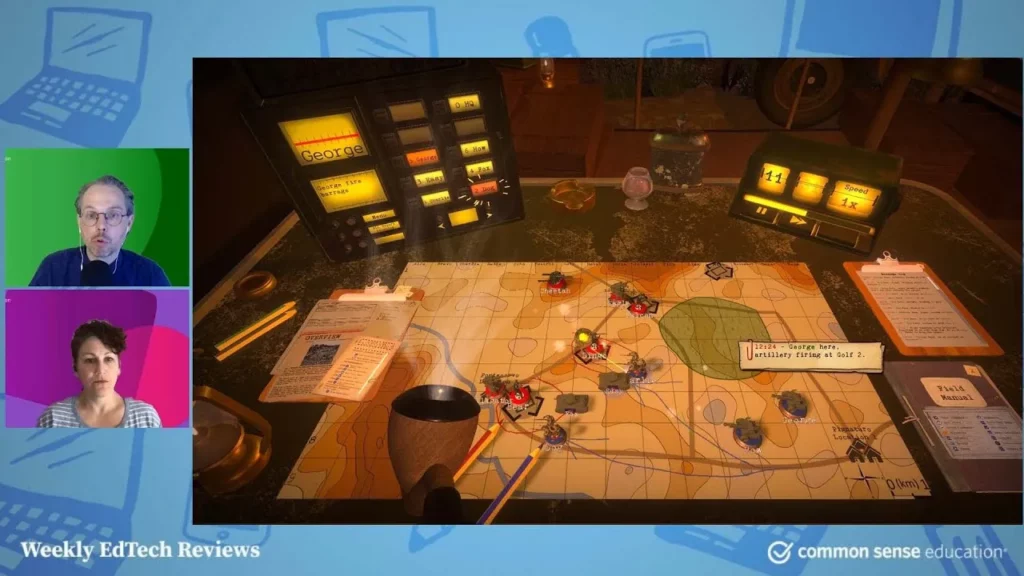
Radio General is an engaging computer game that immerses players in the role of a general in the Canadian Armed Forces during World War II, allowing them to strategize and command troops using voice commands and a battle map. The game incorporates historical elements such as real news clippings and documents, providing a rich learning experience about military leadership and the challenges of warfare. With features like a map editor for creating custom scenarios, Radio General offers both educational value and creative opportunities for players interested in history and strategy.
Getting Parents Involved
The lesson emphasizes the crucial role of parental involvement in enhancing student learning and behavior consistency between home and school. This year, the school implemented a new program utilizing resources from Common Sense Media to engage parents through a dedicated website section and a popular weekly newsletter. By fostering collaboration between parents and schools, students are more likely to succeed academically and develop important life skills.
Inside Look: Teaching Digital Citizenship in High School
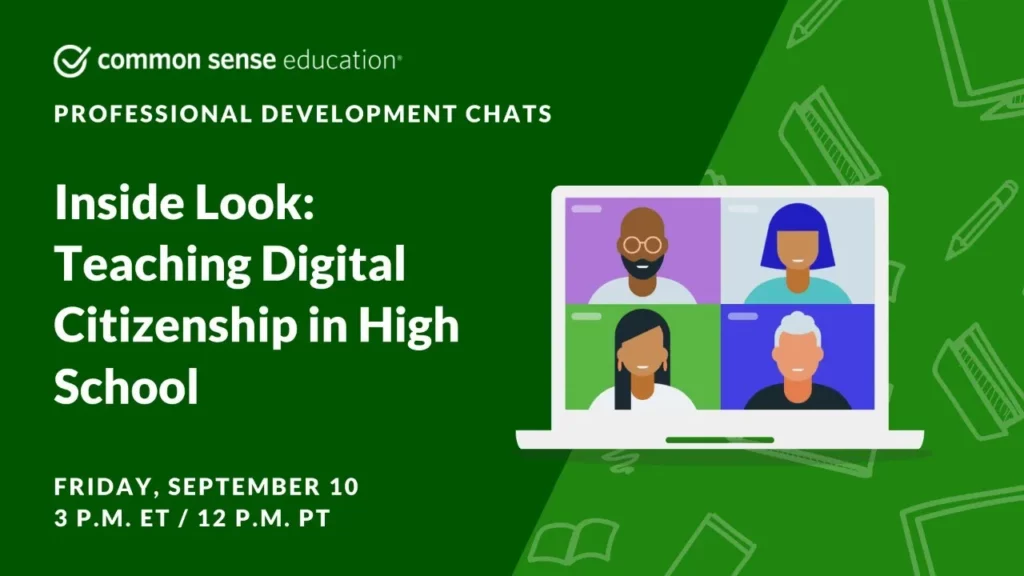
The lesson on teaching digital citizenship in high school emphasizes the importance of engaging students in discussions about their online presence and the implications of their digital actions. Educators Sparkle Peters and Barbara Heweth advocate for creating open conversations that allow students to share their experiences, fostering critical thinking about privacy and self-presentation. By utilizing collaborative tools and encouraging student-led discussions, teachers can empower students to navigate the digital world responsibly while building meaningful relationships in the classroom.
Implementing Digital Citizenship: Jurupa Unified School District
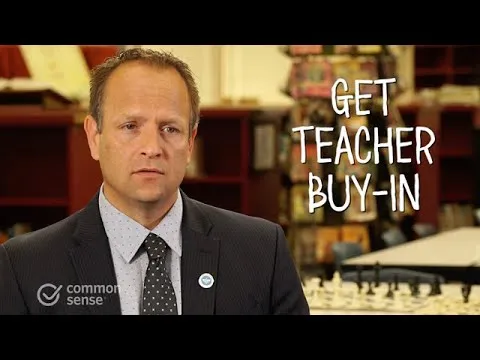
The Jurupa Unified School District has integrated digital citizenship into its educational framework to promote responsible online behavior and Internet safety among students. Through collaborative planning involving community members and educators, the district has tailored digital citizenship curricula to meet the unique needs of each school, emphasizing the importance of emotional and social development alongside academic instruction. Parental involvement and continuous improvement efforts further enhance this initiative, fostering a community-wide understanding of digital citizenship and preparing students for their digital futures.
Abbas’s Story: Pride In Your Digital Footprint
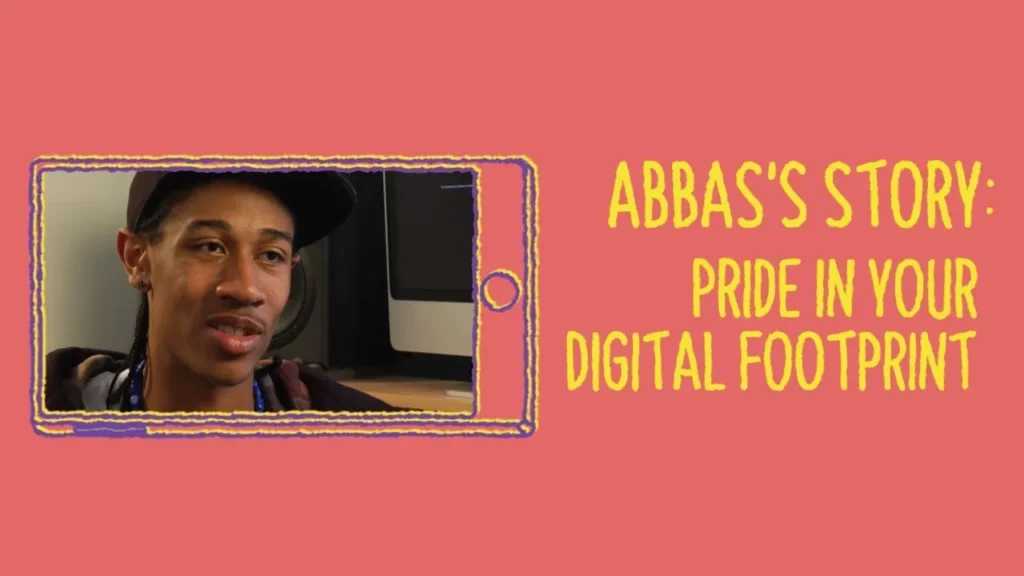
In “Abbas’s Story: Pride In Your Digital Footprint,” the lesson emphasizes the importance of being mindful about what you share online and how it can affect your reputation and future opportunities, such as college admissions. Abbas highlights the value of showcasing a positive online image by sharing meaningful content, like family interactions and community involvement, while avoiding inappropriate posts. Ultimately, the lesson encourages individuals to take pride in their digital footprint and to think carefully before posting anything online.
How to Create Videos with Powtoon
In this lesson, students learn how to use Powtoon, an animation tool that allows them to create engaging videos and presentations by incorporating text, music, and images. Powtoon offers various templates and customization options, making it suitable for explaining concepts, animating scenes from literature, or illustrating vocabulary. Once completed, students can share their videos on Powtoon or YouTube, fostering collaboration and creativity in their learning process.