
SEL Resource Center
In this session on Social and Emotional Learning (SEL) in the Digital Age, educators are introduced to effective strategies for integrating SEL into digital interactions, guided by the CASEL framework. Participants will learn about key competencies such as self-awareness and relationship skills, and explore interactive activities designed for various educational settings, along with resources for family engagement. The session emphasizes the importance of equipping students with the skills to navigate technology responsibly and maintain healthy relationships online.
The Viral Sensation Wordle Could Be a Great Bell Ringer — Especially If You Make Your Own
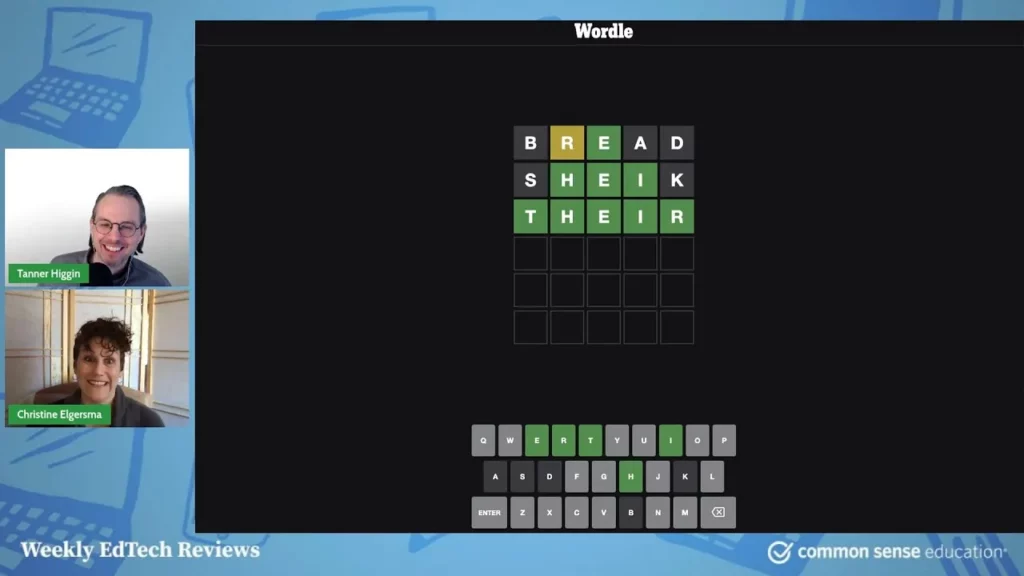
In this lesson, we explored Wordle, a popular five-letter word guessing game that combines fun with educational opportunities. Students can engage in collaborative gameplay, enhancing their vocabulary and spelling skills in English Language Arts, while also applying concepts of probability and strategy in math. Wordle serves as an enjoyable classroom activity that promotes creativity and teamwork, making learning more interactive.
Engaging Students in Online Spaces
In the lesson “Engaging Students in Online Spaces,” Jamie Nunez discusses the challenges and successes of distance learning with guests Lauren Marques and Ed Marquez. They emphasize the importance of using social media and personal storytelling to foster student engagement, highlighting strategies such as building relationships, incorporating students’ backgrounds, and utilizing technology to create a more inclusive and interactive learning environment. Practical tips include personalizing interactions and using platforms like Instagram to keep students connected and motivated.
Saying Goodbye to Technology
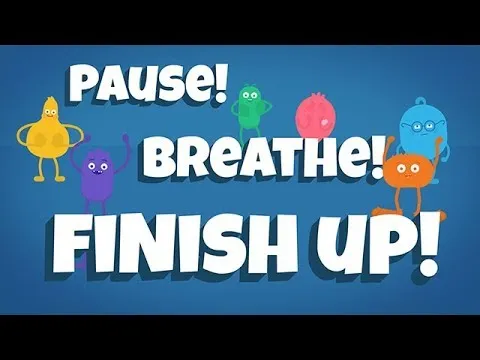
In the lesson “Saying Goodbye to Technology,” students learn the importance of balancing screen time with other activities. The lesson introduces three simple steps—pause, breathe, and finish up—to help children transition away from their devices and engage in alternative fun activities like playing outside or reading. By practicing these steps, children can enjoy technology while also embracing the excitement of the world around them.
Equitable Distance Learning for English Learners
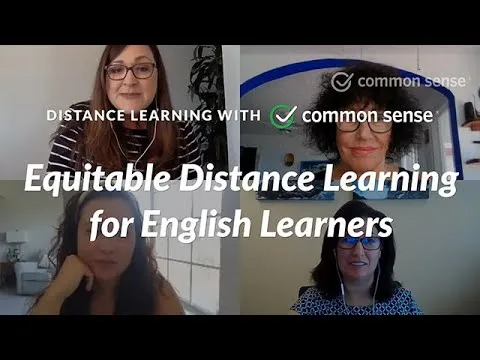
The lesson on “Equitable Distance Learning for English Learners” emphasizes the importance of creating inclusive and supportive educational environments for English learners during distance learning. Led by experts from Loyola Marymount University, the session highlighted design principles that promote equity and diversity, alongside practical strategies from experienced educators focused on fostering student engagement, emotional well-being, and family involvement. The overarching message encourages educators to innovate and reflect on their practices to better serve underserved communities.
Using Crayola’s CREATE™ to Nurture Relationships with Families
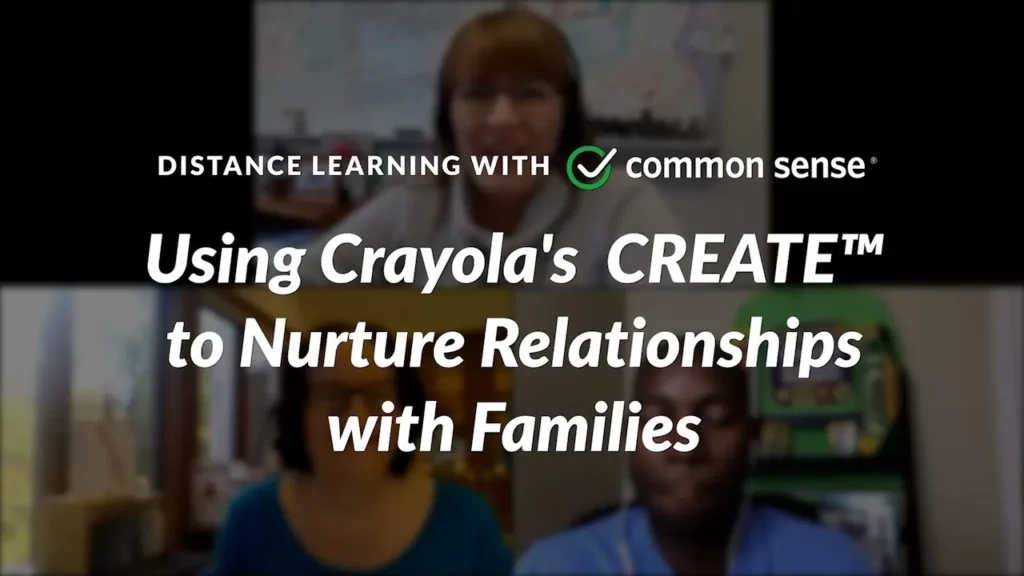
The lesson focuses on how educators can strengthen relationships with families through Crayola’s CREATE™ initiative, particularly in the context of distance learning. It emphasizes the importance of creativity in education, encouraging student voice and engagement through art projects that reflect community values and foster discussions on social justice. Key strategies include celebrating strengths, respecting diversity, and creating a supportive environment for courageous conversations, which are essential for nurturing connections in a remote learning setting.
Skew the Script: These Algebra and Stats Lessons Tackle Hot Topics, Use Real Data

The lesson introduces “Skew the Script,” an innovative educational tool designed to make algebra and statistics engaging by applying math skills to real-life data, such as climate change and politics. It emphasizes critical thinking and media literacy through lessons that challenge students to analyze statistics and explore career paths in data analysis. The resource is free and provides diverse learning opportunities, making math relevant and applicable to students’ interests and future job prospects.
Teen Voices: Hate Speech Online
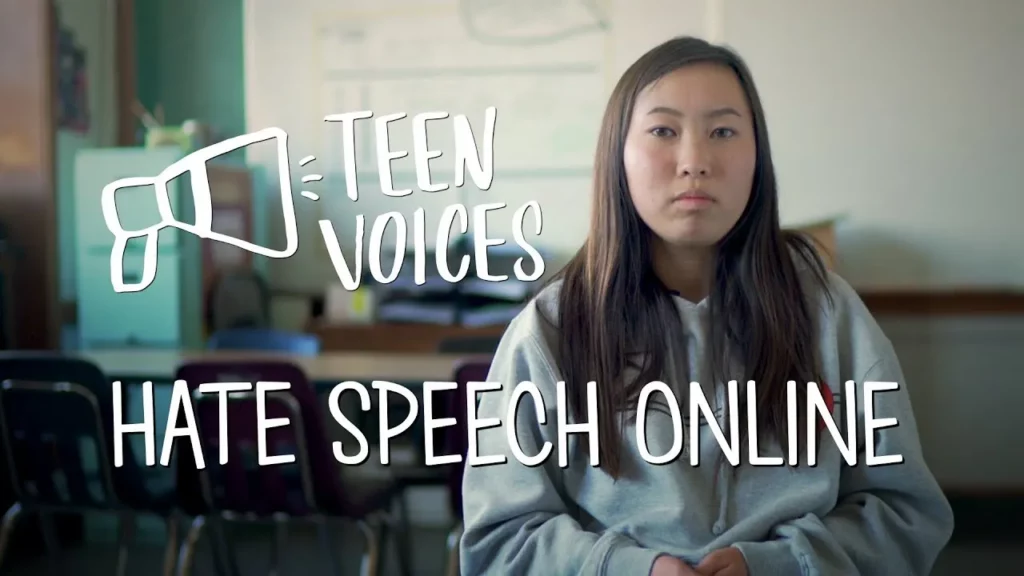
The lesson “Teen Voices: Navigating Negativity Online” explores the prevalence of harmful speech on social media and its impact on individuals and communities. It emphasizes the importance of recognizing and addressing negativity, understanding that such speech often stems from personal issues, and encourages responsible online behavior, including reporting harmful content and promoting positivity. Ultimately, the lesson advocates for creating safer online spaces by uplifting others and being mindful of the consequences of our words.
The AIM Buddy Project Has Got a Spin on SEL That’s Truly Special
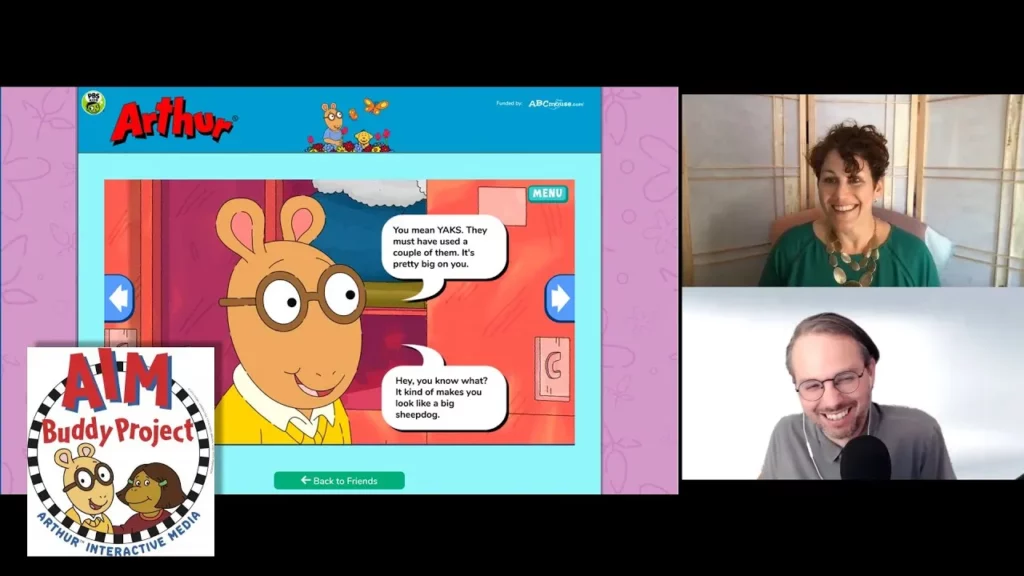
The AIM Buddy Project is a PBS Learning initiative designed to enhance social-emotional learning (SEL) for students in kindergarten through fifth grade by pairing older “big buddies” with younger “little buddies.” Through engaging activities based on the Arthur cartoon, participants explore important topics such as empathy, honesty, and forgiveness, fostering meaningful discussions and mentorship. The program offers structured lesson plans and resources, making it accessible and easy to implement in schools, all at no cost.
Prioritize Digital Well-Being for Back-to-School With These Resources | Monday Morning Momentum
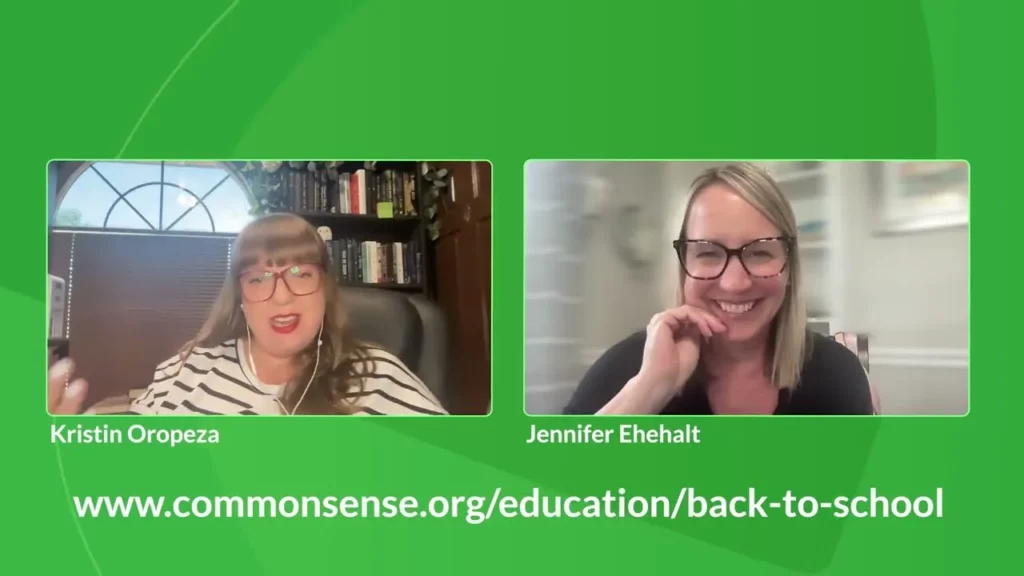
In this lesson, Kristen Oesa and Jennifer Ehhalt emphasize the importance of digital well-being as students return to school, highlighting the need for educators to address mental health and screen time concerns. They introduce a comprehensive Digital Well-Being lesson collection, featuring 14 user-friendly lessons designed to help educators foster a positive classroom culture and encourage students to reflect on their values in relation to technology use. These resources are customizable and aim to engage both educators and students in creating a balanced relationship with digital media.