
The Oldest WW2 Soldier, who died aged 92 in 1946
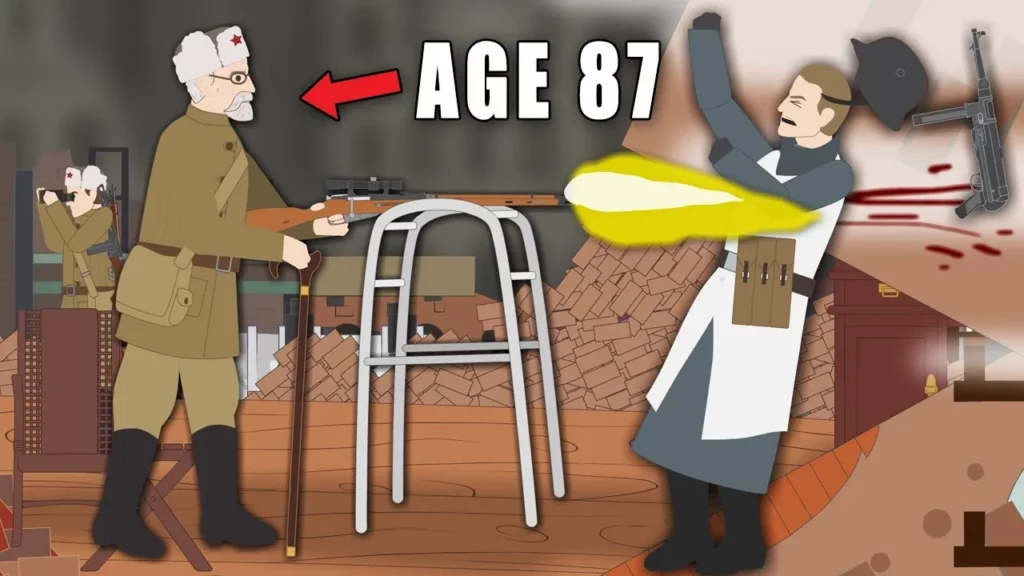
Nikolai Morozov, born in 1854, is recognized as the oldest soldier to serve in World War II, volunteering at the age of 87 to help break the siege of Leningrad. Despite a life marked by revolutionary activities, imprisonment, and significant contributions to science, he demonstrated remarkable resilience and dedication by fighting for his country during the war. Morozov’s legacy is honored through various accolades, including an asteroid and a lunar crater named after him, highlighting the profound impact one individual can have on history.
Did the Titanic’s Violinists keep playing while the ship sank?
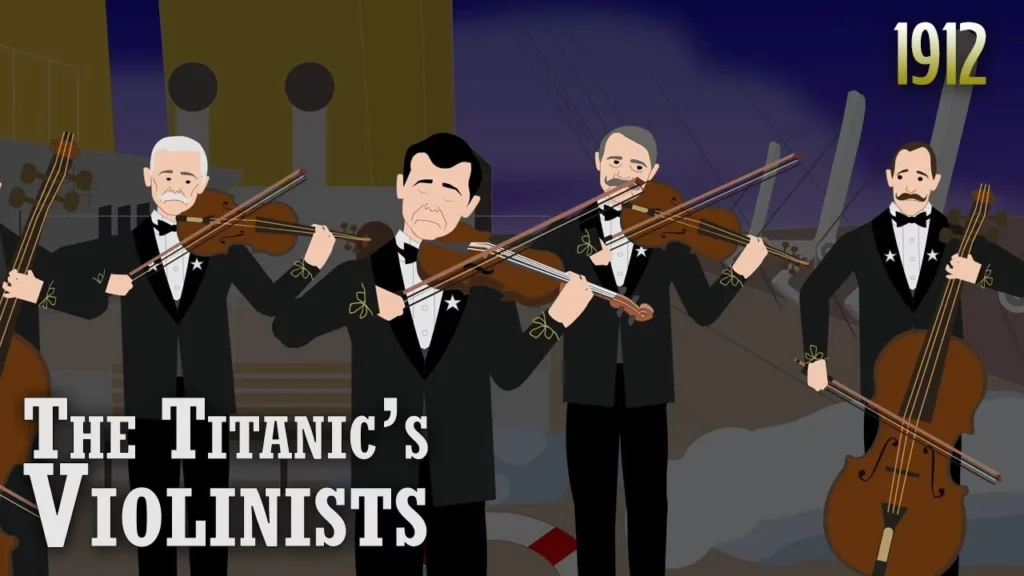
The lesson explores the tragic story of the RMS Titanic, highlighting its luxurious features and the catastrophic sinking after hitting an iceberg in 1912. A poignant aspect of the narrative is the dedication of the ship’s musicians, led by Wallace H. Hartley, who played music to calm passengers until the very end, ultimately sacrificing their lives. The lesson also touches on the legacy of Hartley’s violin, which was rediscovered years later and sold for a significant sum, symbolizing the enduring memory of the Titanic disaster.
What was inside this tunnel, that killed 520 passengers?
The lesson recounts the tragic incident involving Train 8017 in Italy during World War II, where 520 passengers died due to carbon monoxide poisoning after the train stalled in a tunnel. The event highlights the dangers of wartime travel, the consequences of using low-grade coal, and the importance of safety measures in transportation. It serves as a reminder of the advancements in safety regulations that have emerged from such historical tragedies.
The Dead Gunslinger Corpse used as a Movie Prop

The lesson explores the intriguing life and afterlife of Elmer McCurdy, a failed outlaw from the Wild West who became more famous posthumously. After his death in 1911, his body was preserved and displayed as a sideshow attraction, eventually being used as a movie prop, leading to a bizarre journey that culminated in his proper burial in 1977. This story highlights the unexpected twists of fate that can occur in life and death.
Why YOU Wouldn’t want to be the 10th Roman soldier!
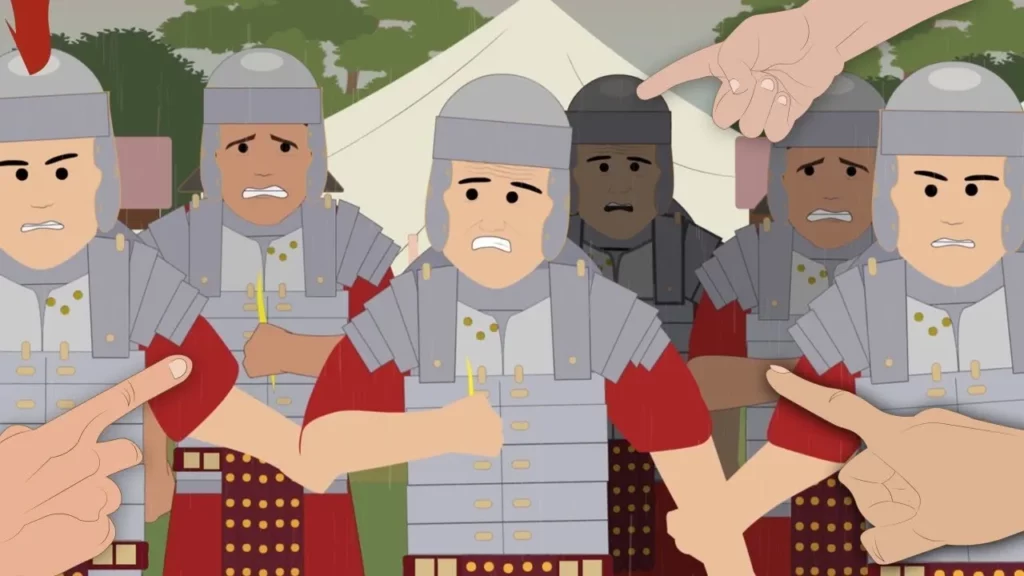
The lesson explores the challenging life of a Roman soldier, highlighting the strict discipline and severe punishments they faced, particularly the extreme punishment known as “decimation.” This practice involved executing one soldier from every group of ten as a means of maintaining order and instilling fear, which ultimately impacted troop morale. The lesson emphasizes the importance of discipline and teamwork, suggesting that while historical methods were harsh, modern approaches to leadership can foster cooperation without resorting to fear.
How did this Convict escape Prison using Miso Soup? (Strange Stories)
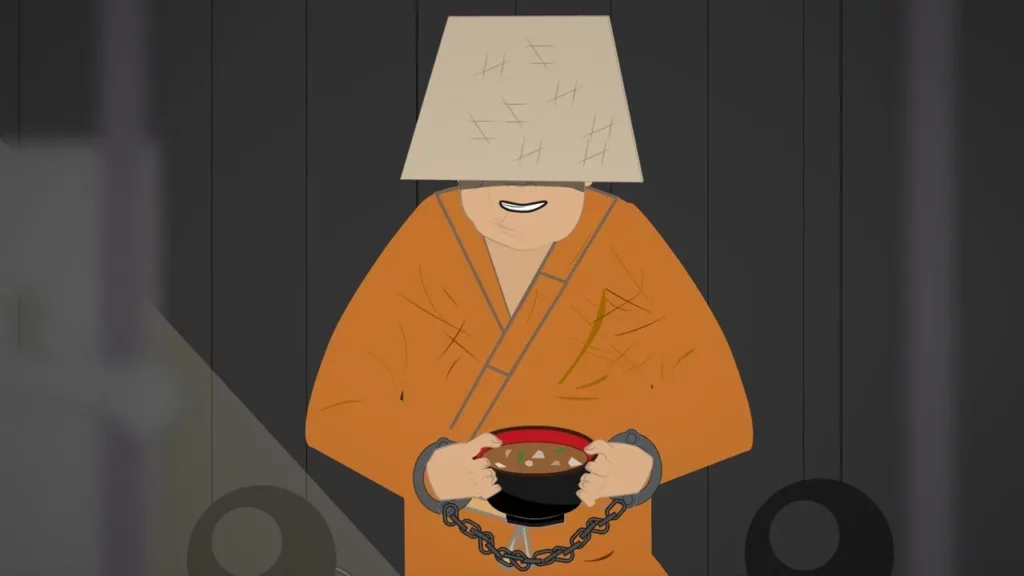
The lesson recounts the remarkable story of Yoshi Shiritori, a Japanese convict who escaped from prison multiple times, notably using miso soup to corrode the metal door of his cell. Despite facing harsh prison conditions and ultimately being sentenced to death, Shiritori’s ingenuity and determination led him to a life of survival on the run, followed by eventual redemption and a peaceful life after his release. His tale serves as a testament to human creativity and the relentless pursuit of freedom.
Jobs in History Series #1
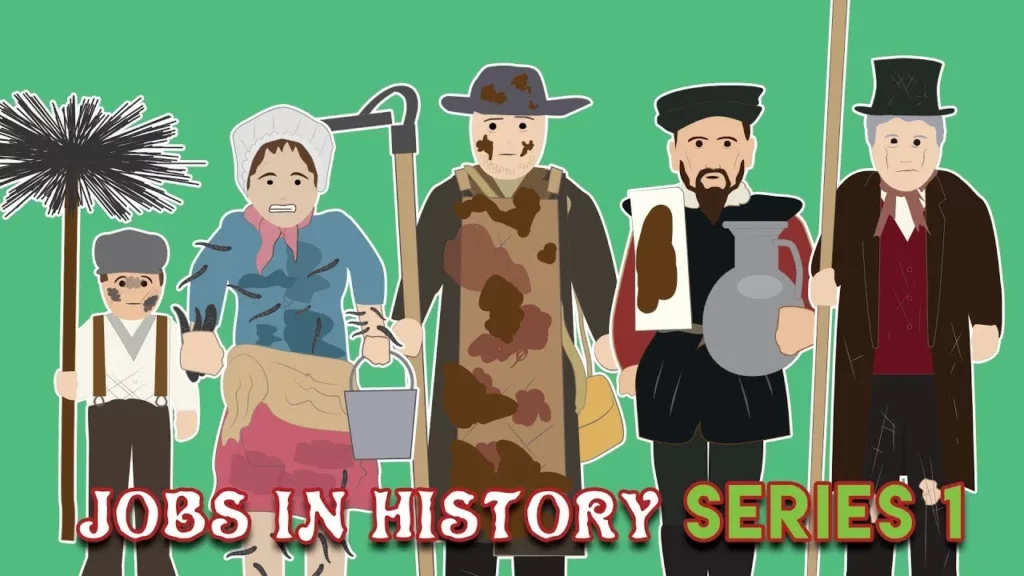
The lesson explores various disgusting jobs in history, highlighting the unique and often perilous roles individuals undertook to meet societal needs. From sewer hunters in Victorian London who scavenged for valuables in dangerous conditions, to leech collectors and chimney sweeps facing health risks, each job reflects the harsh realities of their time. Additionally, it touches on the peculiar yet influential position of the Groom of the Stool in Tudor England and the practical role of knocker-uppers before the advent of alarm clocks, illustrating the diverse ways people adapted to their environments.
The Rack (Gruesome Torture in History)
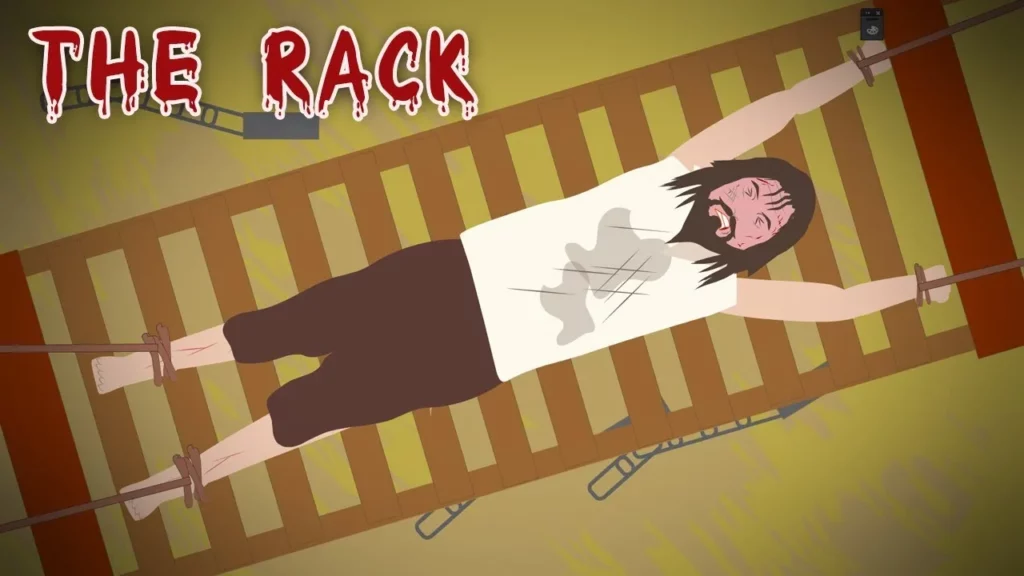
The lesson explores the history and use of the rack, a notorious torture device primarily employed during the medieval period in Europe, particularly by the Inquisition to extract confessions from accused individuals. It details the rack’s design, notable cases of its use, and its eventual decline as societies moved towards more humane forms of punishment, serving as a stark reminder of the brutal methods used to enforce power and control in history.
How did an Entire Battalion Vanish into Thin Air? (World War I)
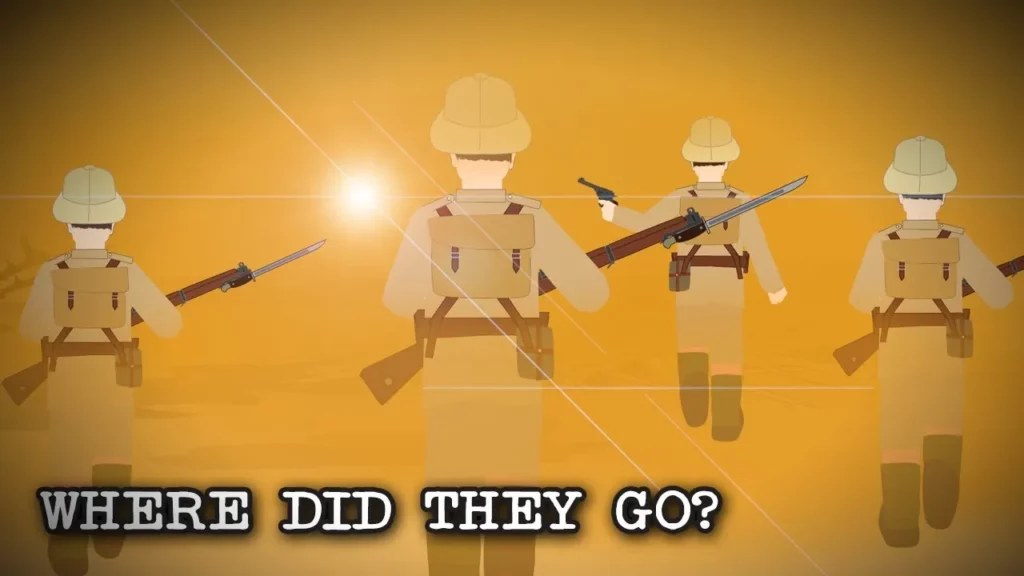
The lesson explores the mysterious disappearance of the Norfolk Regiment’s 5th Battalion during the Gallipoli campaign in World War I, where they vanished while charging into a woodland amidst heavy gunfire. Initially part of a larger Allied offensive, the battalion faced fierce resistance, resulting in significant casualties and many soldiers being listed as missing. Ultimately, the story serves as a poignant reminder of the chaos of war and the sacrifices made by soldiers, with the Gallipoli campaign marking a significant yet tragic chapter in military history.
The Giant German Soldier in World War II (Strange Stories)
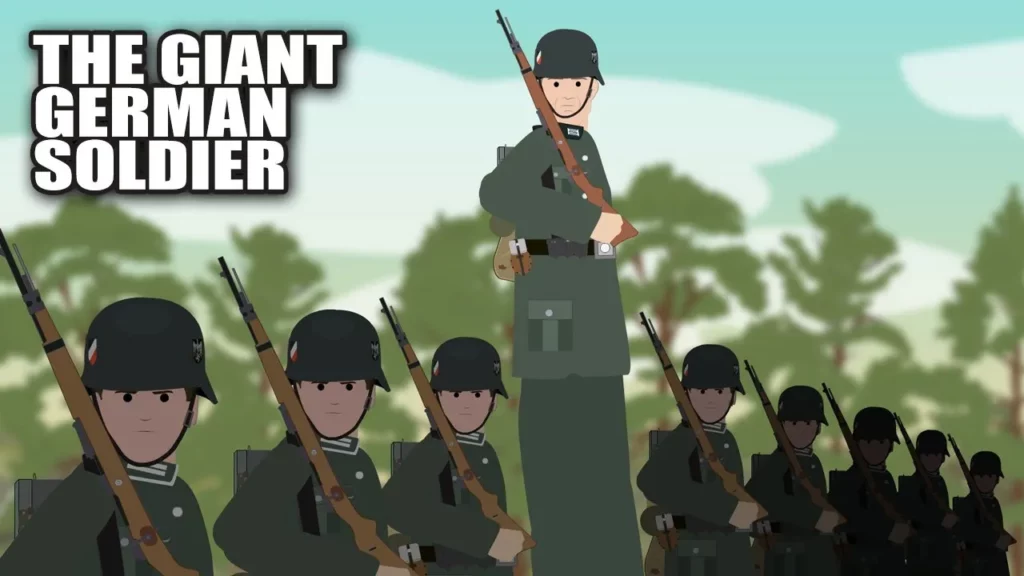
The lesson explores the life of Jakob Nakan, an exceptionally tall German soldier who transitioned from a circus performer to military service during World War II. Despite his impressive height of seven feet three inches, Jakob’s military role kept him away from frontline combat, and he ultimately surrendered to Canadian forces. After the war, he found new opportunities in the United States as a performer and novelty Santa Claus, leaving a unique legacy in the history of the era.