
Shameless Copycat Uniforms in History

The lesson “Shameless Copycat Uniforms in History” explores the evolution and significance of military uniforms, particularly the tactical advantages of camouflage. It highlights notable instances where countries have copied or adapted existing uniform designs, such as the British M1942 smock and the U.S. desert battle dress uniform, showcasing how these adaptations influenced military attire across various nations. The lesson underscores the ongoing trend of modifying established patterns rather than creating entirely new designs in contemporary military uniforms.
Tank Silencer (Weird Tech)
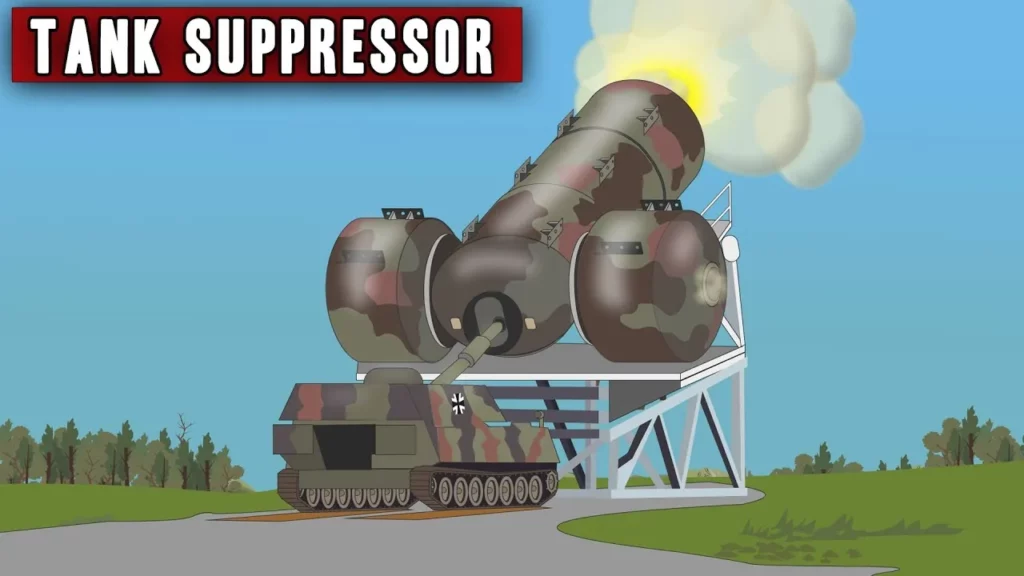
The lesson discusses the development of a gun muffler by the German Institute for Noise Protection and arms manufacturers to address the severe noise pollution caused by tank testing at the WTD 91 site in Germany. The muffler significantly reduces noise levels from the Leopard 2 tank’s gun from 80 decibels to 60 decibels, making the environment more tolerable for nearby residents and workers. This innovative solution not only enhances quality of life but also represents a notable advancement in military technology aimed at mitigating noise pollution.
Simple History: A simple guide to Henry VIII

The lesson introduces young learners to Henry VIII, a historical king of England known for his large family, including six wives, and his love for fun activities like jousting and music. It highlights his significant impact on history, particularly his decision to start his own church, which transformed religious practices in England. Through engaging activities, students are encouraged to explore history creatively and understand the lessons it offers about leadership and decision-making.
This U.S. Pilot shot Down an American plane and got the Kill, Why?
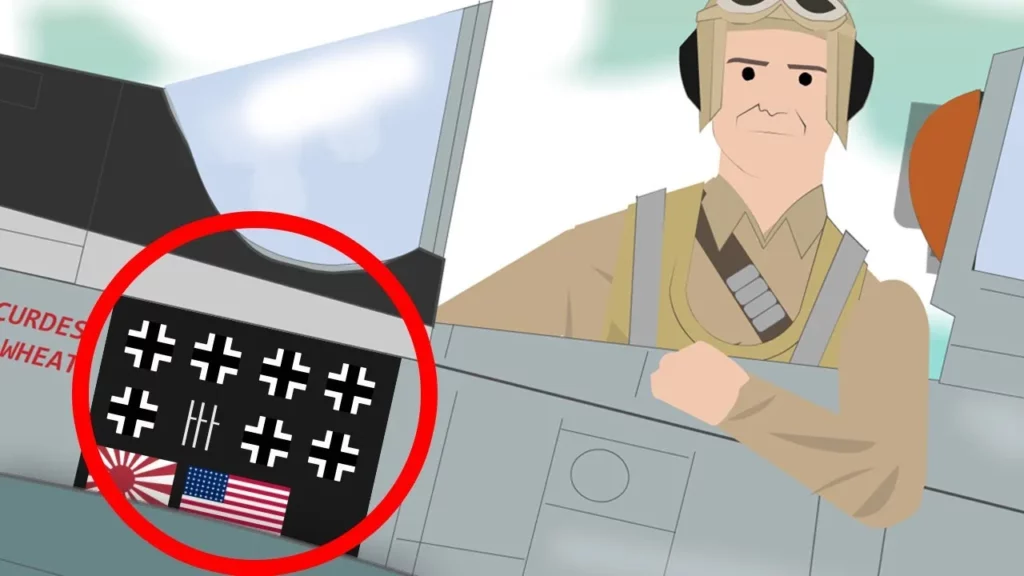
The lesson recounts the harrowing experience of U.S. Army Flight Lieutenant Louis Edward Curtis, who mistakenly shot down a U.S. Army C-47 transport plane during World War II, believing it to be a Japanese aircraft. Despite his successful military career and bravery, Curtis faced the moral dilemma of his actions, which were compounded by the fact that one of the nurses on board was someone he had recently dated. Ultimately, the incident highlights the complexities of war decisions and the unexpected consequences that can arise from them.
An NVA soldier and his son hid in the jungle for 40 years thinking the Vietnam War was still ongoing
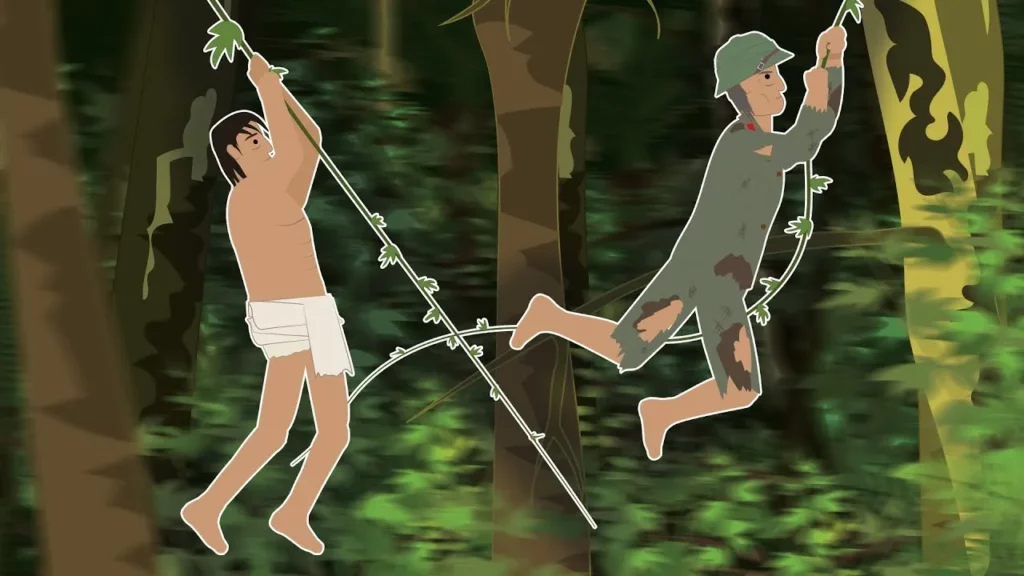
The story of Hovan Tan and his son Long, who lived in isolation in the jungles of Vietnam for 40 years, illustrates the profound and lasting impact of war on individuals and families. After escaping into the jungle during the Vietnam War, they survived off the land, believing the conflict was still ongoing, until a long-lost family member helped them return to society. Their journey highlights the psychological scars of war, the challenges of reintegration, and the importance of mental health support for veterans.
The Resistance fighter who taunted “I shoot better!” at her Execution
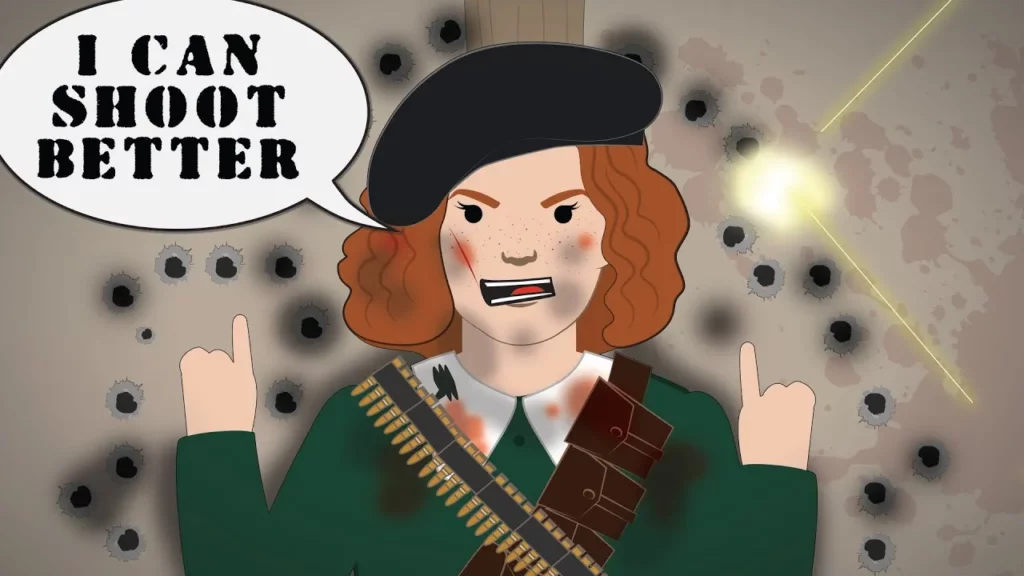
The lesson highlights the remarkable story of Hani Shaft, a courageous Dutch resistance fighter during World War II who stood against the Nazi occupation of the Netherlands. Despite facing immense danger, she actively participated in the resistance by sheltering Jewish citizens and sabotaging Nazi operations, ultimately leading to her arrest and execution. Hani’s legacy of bravery and defiance continues to be honored in the Netherlands, serving as a powerful reminder of the fight against oppression.
The Fake Village in North Korea

The lesson explores the concept of “Potemkin villages,” using North Korea’s Kijongdong as a prime example of a propaganda tool designed to create a false image of prosperity and comfort. Established after the Korean War, Kijongdong was intended to showcase an idealized version of North Korean life, despite the country’s significant economic struggles and hardships faced by its citizens. Ultimately, the village serves as a symbol of the regime’s efforts to deceive both its own people and the outside world about the true state of North Korea.
The AC130 that Could Land in a Small Soccer Stadium
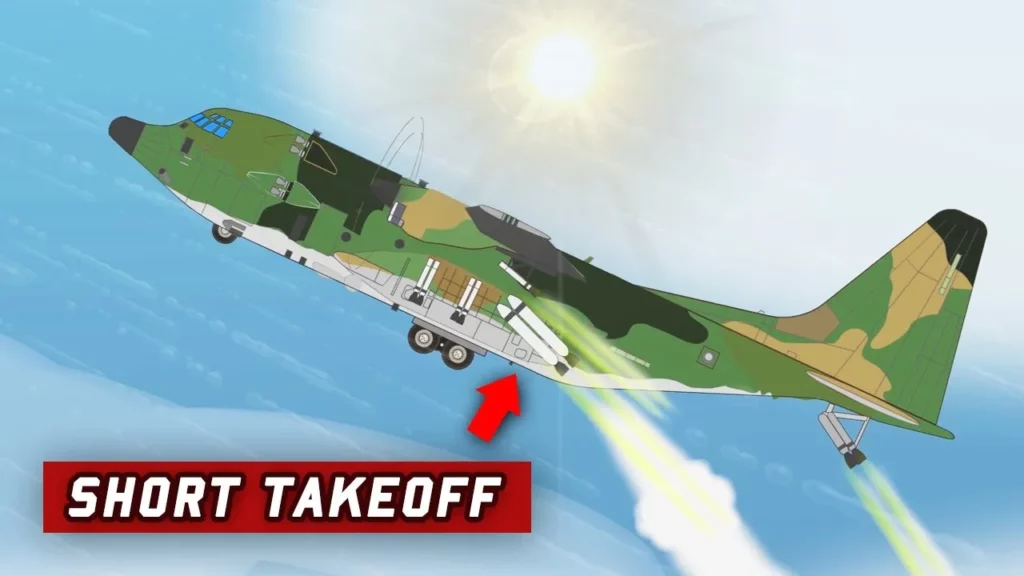
The lesson discusses the Lockheed C-130 Hercules, a versatile transport aircraft used by the U.S. Armed Forces, and its involvement in significant military operations, particularly during the Iran Hostage Crisis. Following the failed Operation Eagle Claw, the U.S. developed Operation Credible Sport, which aimed to modify the C-130 for short takeoff and landing capabilities to rescue hostages from a small stadium in Tehran. Despite innovative modifications and testing, the operation was ultimately rendered unnecessary as diplomatic efforts resolved the crisis, highlighting the interplay between military innovation and international diplomacy.
The BIGGEST Lies Told In War
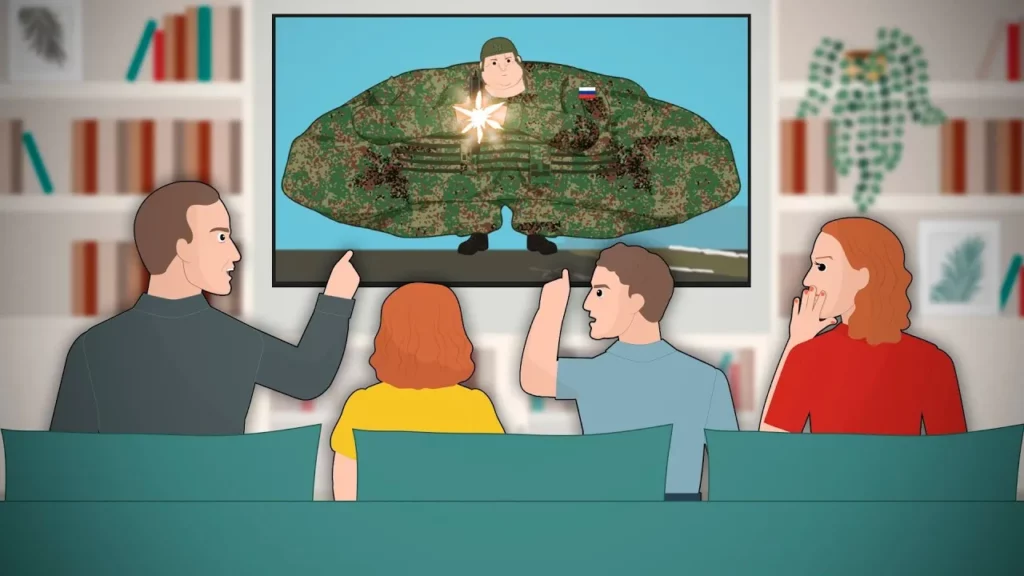
The lesson explores the significant role of misinformation in wartime, highlighting historical instances where fake news influenced military outcomes. Notable figures like Elizabeth McIntosh and Sefton Delmer utilized psychological warfare and black propaganda to demoralize enemy forces, while events such as Roosevelt’s fabricated map and the Gulf of Tonkin incident illustrate how misleading information can sway public opinion and escalate conflicts. Ultimately, the lesson emphasizes the importance of critically evaluating news sources to combat the pervasive threat of misinformation.
Why was a Pig put on trial in Medieval Europe? (Strange History)
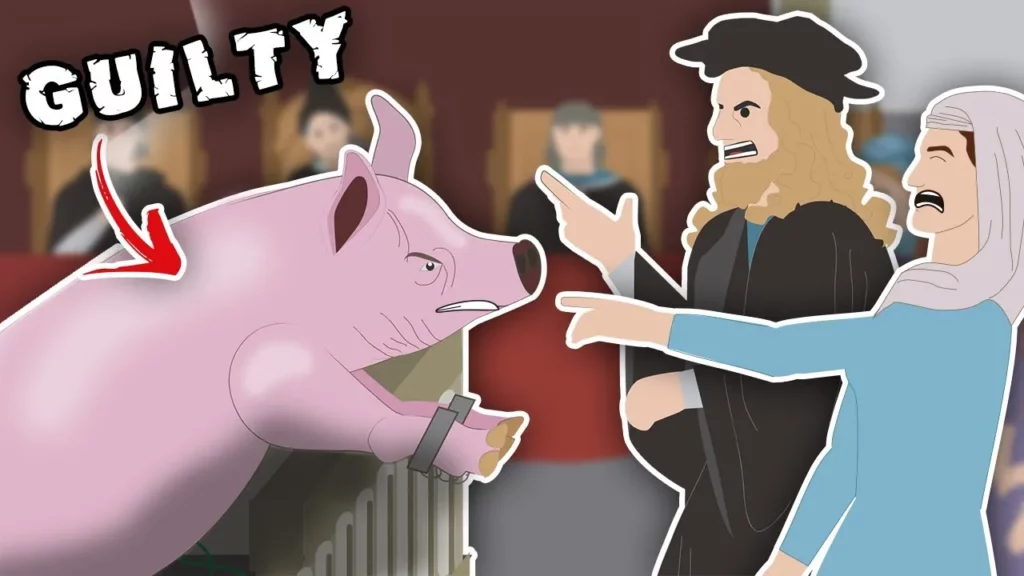
In medieval Europe, particularly in France, it was not uncommon for animals, especially pigs, to be put on trial for crimes such as murder, reflecting a bizarre aspect of the legal system of the time. One notable case involved a sow and her piglets being tried after attacking a child, with the mother sow ultimately found guilty and sentenced to death, while the piglets received lighter sentences. These trials served various purposes, including community coping mechanisms and warnings about child safety, but eventually declined as Enlightenment ideas shifted legal perspectives away from attributing criminal responsibility to animals.