
Why did Battleships have these Bulges on the Side?
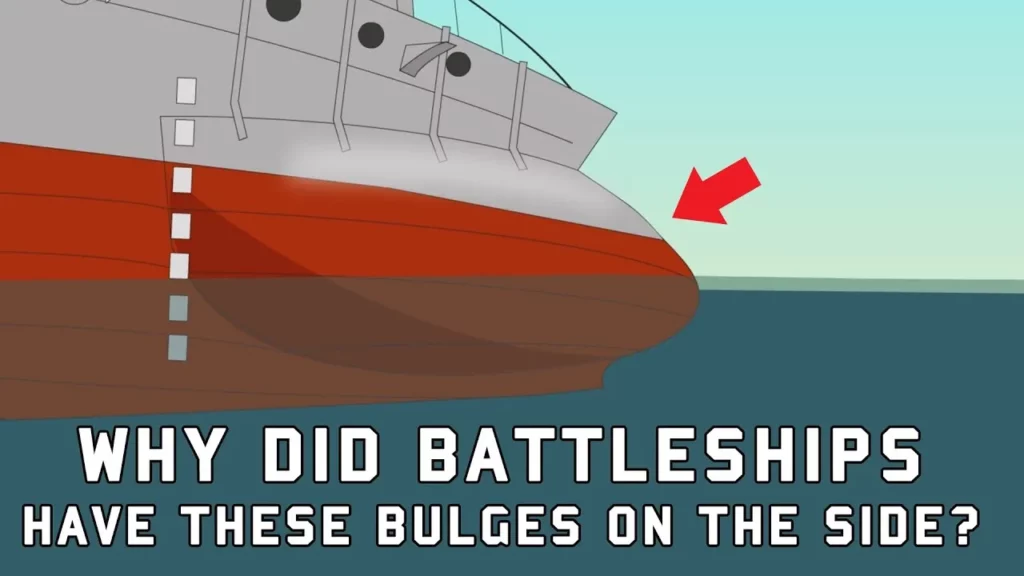
The lesson explains the purpose of the bulges on early 20th-century battleships, which were designed to protect against the threat of torpedoes during World War I. These anti-torpedo bulges absorbed the force of torpedo explosions, allowing ships like the HMS Grafton to survive attacks. As naval warfare evolved, the importance of battleships diminished, leading to new defense strategies against emerging threats like aircraft carriers and missiles.
Mutually Assured Destruction – Nuclear Fallout

The lesson on Mutually Assured Destruction (MAD) explains how the concept, developed during the Cold War, serves as a deterrent against nuclear conflict by ensuring that both opposing countries possess enough nuclear weapons to guarantee mutual destruction. Utilizing the principle of Nash Equilibrium from game theory, it illustrates that the knowledge of catastrophic consequences prevents nations from initiating a nuclear attack. Despite the diminished immediate threat since the Cold War, the lesson emphasizes the ongoing relevance of MAD in maintaining global peace and the importance of diplomatic efforts to prevent nuclear warfare.
Kim Jong-il V.S. the Starving Masses of North Korea

The lesson explores the stark contrast between the lavish lifestyle of Kim Jong-il and the dire conditions faced by the North Korean populace during his rule from 1993 to 2011. It highlights the myths surrounding his birth, the oppressive regime maintained by the Kim dynasty, and the extreme indoctrination of citizens, all while Kim Jong-il indulged in extravagant meals and a passion for film. Ultimately, the lesson underscores the tragic reality of a nation where loyalty to a despotic leader was paramount, often forcing citizens to publicly mourn his death despite their suffering.
The Beast of Omaha (Stories from D-Day)
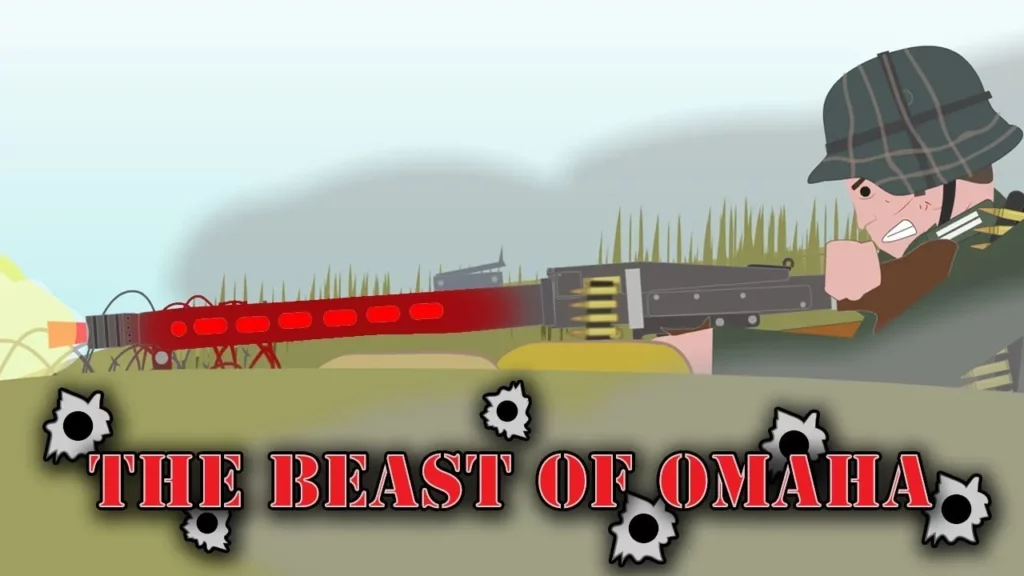
The lesson explores the life and experiences of Heinrich Severloh, known as the “Beast of Omaha,” during the D-Day invasion at Omaha Beach on June 6, 1944. It details his military service, the chaos of battle, and the psychological impact of his actions, including his later reflections and friendships formed with American veterans. Severloh’s story highlights the complexities of war, the burden of duty, and the quest for forgiveness amidst the horrors of conflict.
Why did the British attack their French Allies in WWII?
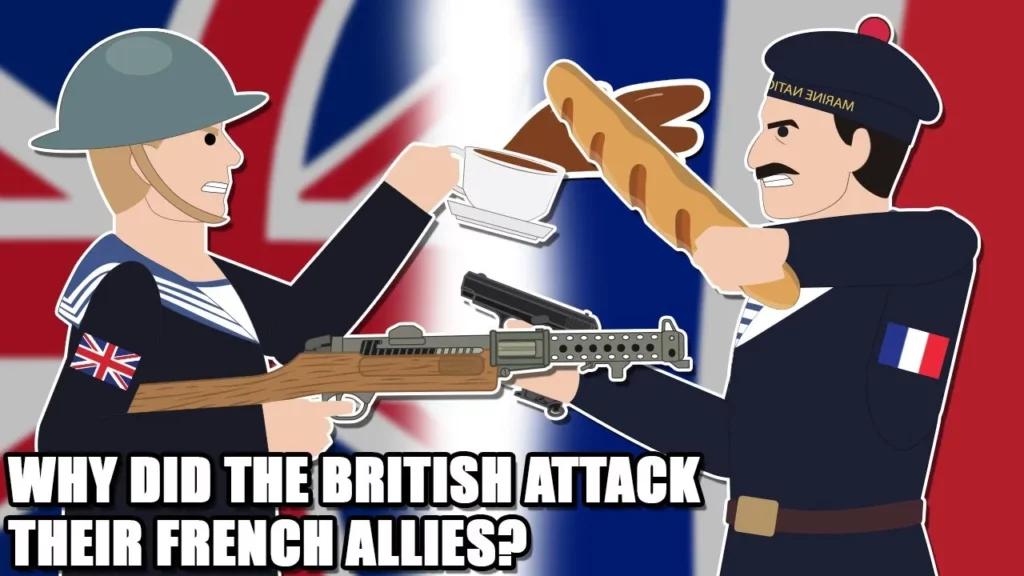
The lesson explores the unexpected British attack on their French allies at Mers-el-Kébir during World War II, which occurred on July 3, 1940, following France’s armistice with Germany. Driven by concerns over the potential seizure of the powerful French navy by Axis powers, the British launched Operation Catapult to neutralize the fleet, resulting in a tragic confrontation that claimed the lives of 1,297 French sailors and strained Anglo-French relations, despite the French ultimately ensuring their navy did not support the Axis. This incident underscores the complexities and difficult choices faced by nations during wartime.
Why were these 2 planes stuck together? (World War II)
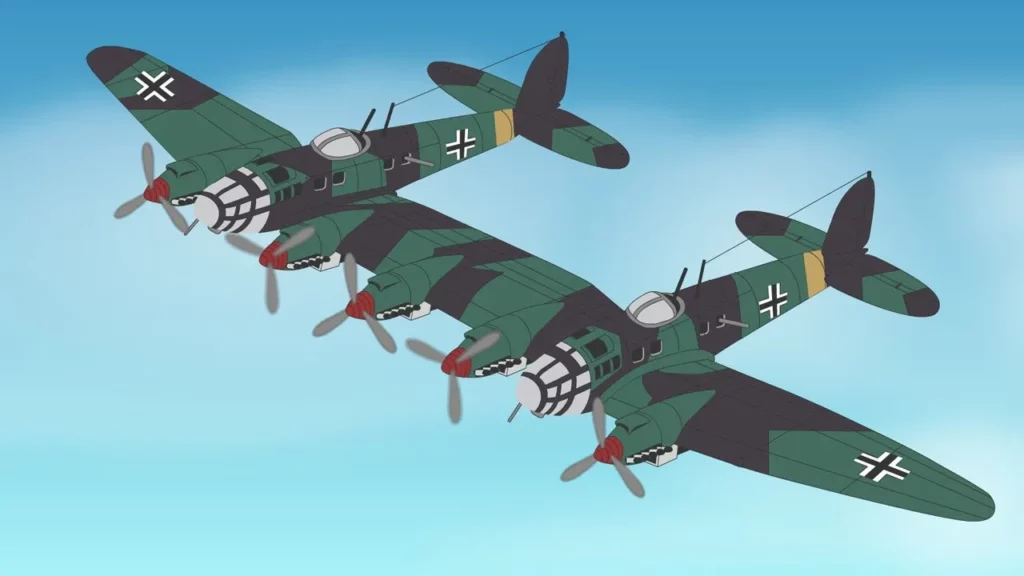
The lesson explores the development of the Heinkel He 111Z during World War II, a unique aircraft designed to tow the massive Me321 cargo glider. Initially intended for an invasion of Britain, the Me321 was repurposed for troop supply on the Eastern Front, leading to the creation of the He 111Z, which combined two bombers for added power. Despite its innovative design, the He 111Z faced significant challenges and vulnerabilities, resulting in limited production and eventual abandonment of its further development.
The Stolen Tank Rampage! (1995)
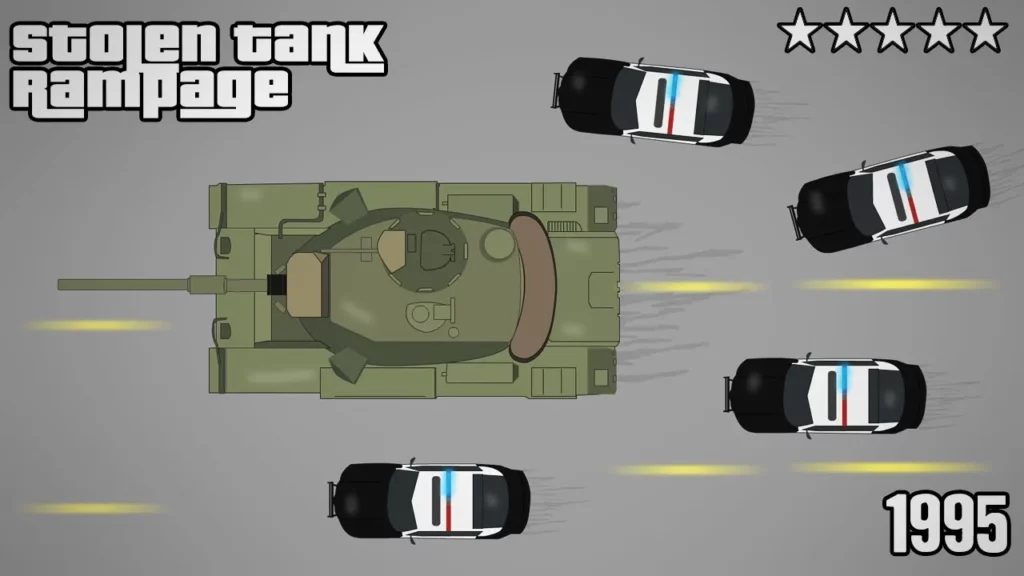
In 1995, Sean Nelson, a former U.S. Army tank driver, stole an M60 Patton tank from a National Guard armory in San Diego, leading to a chaotic rampage through the suburbs where he caused significant damage before being apprehended. The incident raised concerns about security measures for military equipment and highlighted the importance of mental health awareness, as Nelson’s actions were believed to be influenced by his struggles with addiction. Ultimately, this event serves as a reminder of the potential dangers posed by military machinery and the need for better safeguards and support systems.
The Yakuza – Mafia of Japan
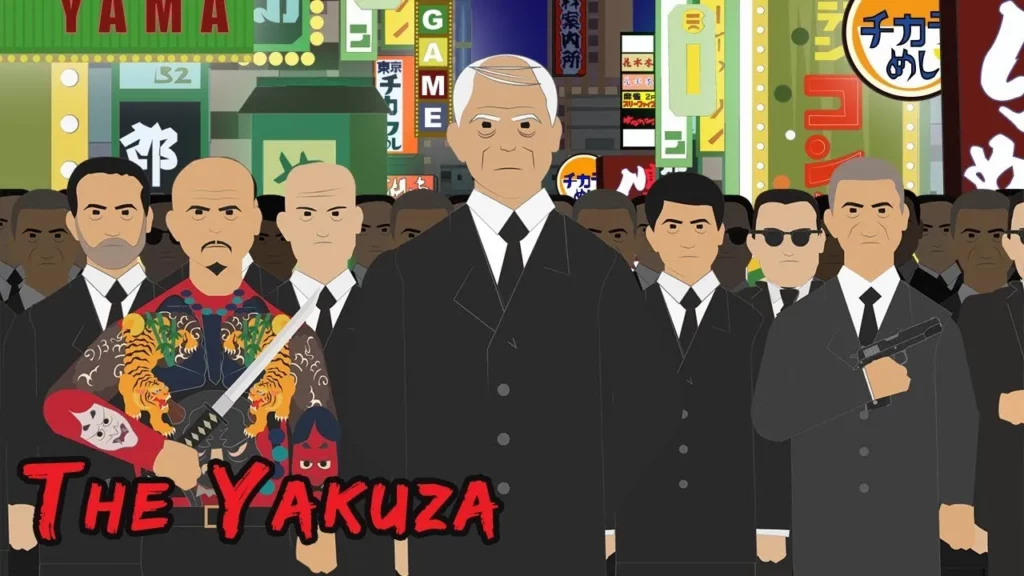
The Yakuza, a notorious criminal organization in Japan, has roots dating back to the 17th century and is characterized by a strict code of conduct, loyalty, and a hierarchical structure. Originally emerging from groups involved in illegal goods and gambling, the Yakuza evolved into a powerful entity engaged in various criminal activities, gaining significant influence in Japanese society by the 1970s. Despite facing a decline due to police crackdowns and changing societal norms, the Yakuza have adapted by forming alliances and maintaining a presence in both criminal and community support efforts.
Kugelpanzer Ball Tank (Strangest Tanks in History)
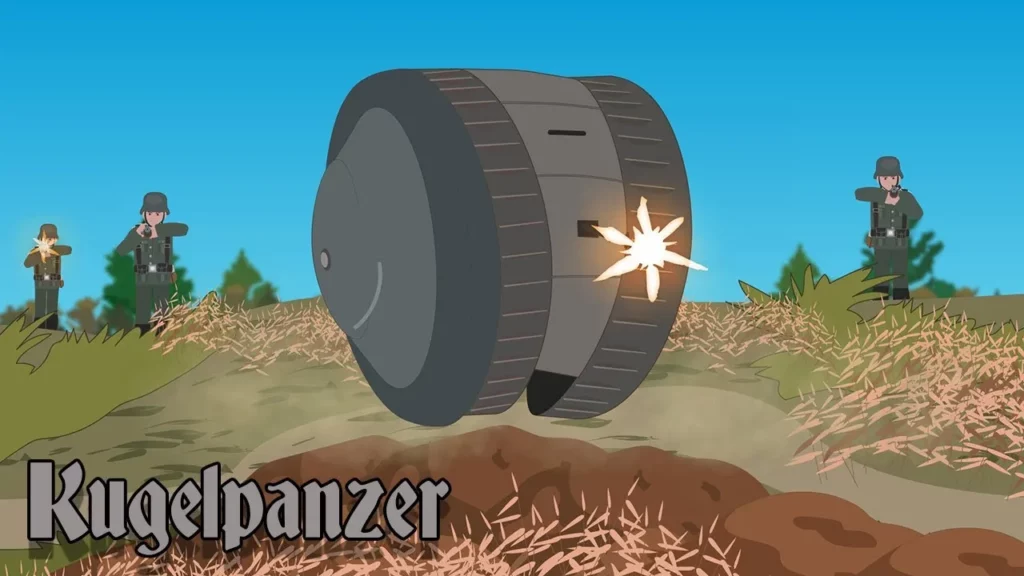
The Kugelpanzer, a unique spherical tank from World War II, showcases the innovative yet unconventional designs of military technology during that era. Designed for a single operator, its distinctive shape aimed to deflect bullets and navigate rough terrain, although its slow speed and limited functionality rendered it impractical for modern warfare. Today, the only surviving Kugelpanzer is housed at the Kubinka Tank Museum in Russia, serving as a fascinating reminder of the creativity and experimentation in military engineering.
The British POW who returned to a German prison (Strange Stories)
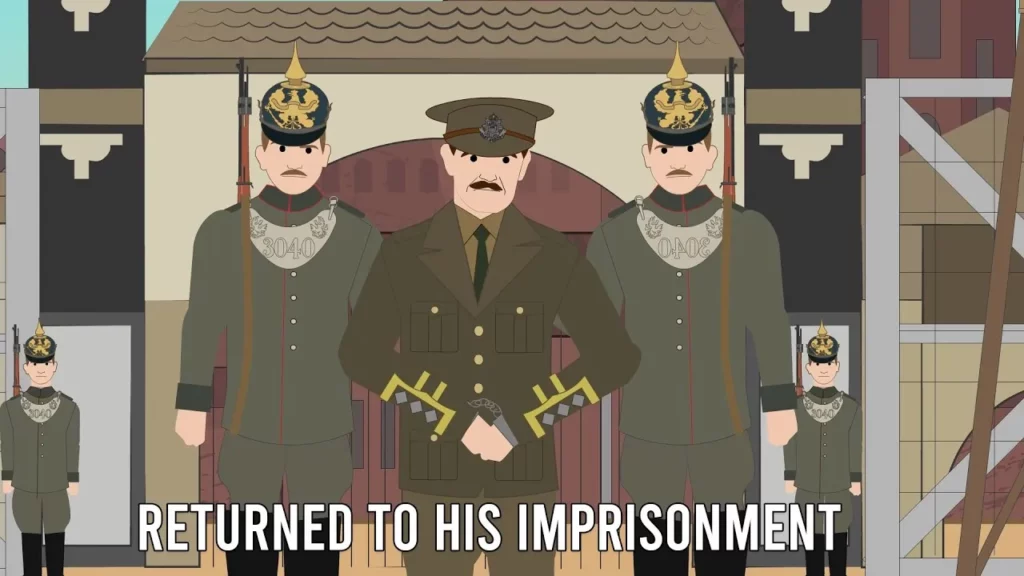
The lesson recounts the remarkable story of Captain Robert Campbell, a British officer captured during World War I who was granted permission by Kaiser Wilhelm II to visit his dying mother in England, on the condition he would return to the German POW camp. Upholding his promise, Campbell returned, believing it was his duty as an officer, despite the subsequent loss of such privileges for other prisoners. After attempting to escape and remaining in captivity until the war’s end, Campbell continued his military service and later re-enlisted during World War II, demonstrating a lifelong commitment to duty and honor.