
Hidden Easter Eggs of History
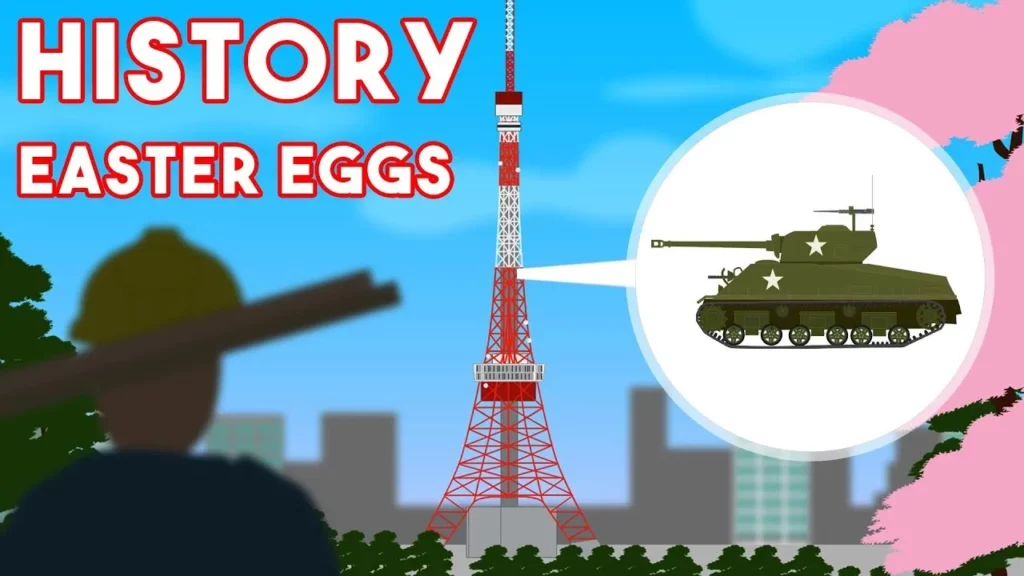
The lesson “Hidden Easter Eggs of History” explores lesser-known historical sites and stories that reveal fascinating connections to the past. It highlights unique examples, such as Tokyo Tower’s construction using melted American tanks, the remnants of a guillotine in Paris, the abandoned Maunsell Sea Forts in England, bullet holes from the Battle of Gettysburg, and the mysterious Nazca Lines in Peru, encouraging exploration of hidden histories in our surroundings.
Present-day Soldiers trapped in Minefield from the 1980s
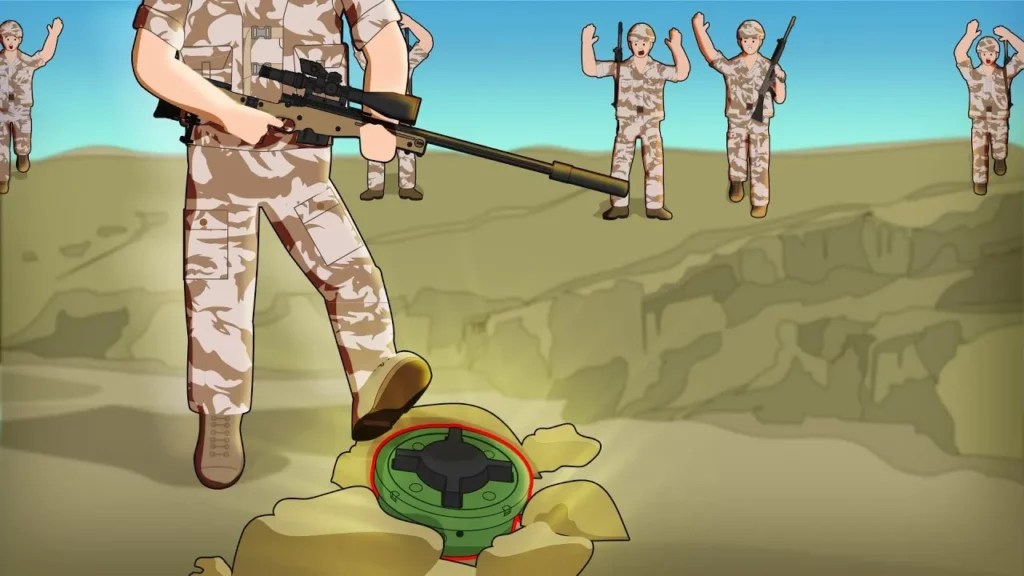
The Kajaki Dam incident highlights the bravery of soldiers in combat and the dire consequences of inadequate leadership and decision-making. On September 6, 2006, UK soldiers faced a tragic situation when a minefield from the 1980s led to severe injuries and fatalities during a rescue operation for a wounded comrade. This event underscores the critical need for proper equipment and preparedness in military operations, ultimately resulting in significant changes to ensure the safety of soldiers in future missions.
The Smallest Man to Serve in the U.S. Army (Strange Stories)
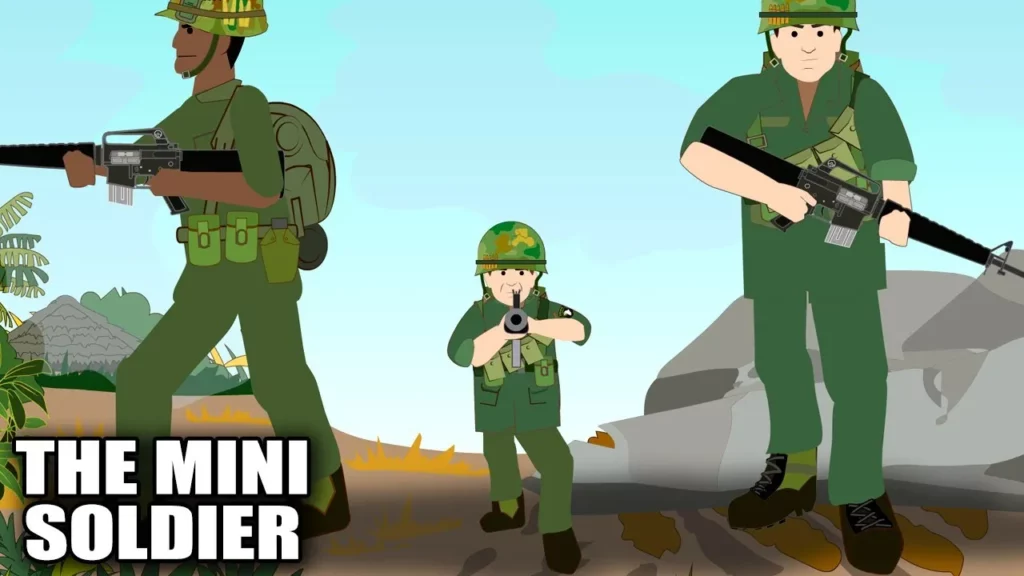
The lesson highlights the inspiring story of Richard Flaherty, the smallest man to serve in the U.S. Army, who overcame significant challenges to achieve his dream of military service. Despite facing prejudice due to his height, Flaherty’s determination, hard work, and exceptional leadership led him to earn the Silver Star Medal and serve in elite special operations. His life exemplifies the power of perseverance and courage, reminding us that greatness can come in all sizes.
Cursed Guns in History
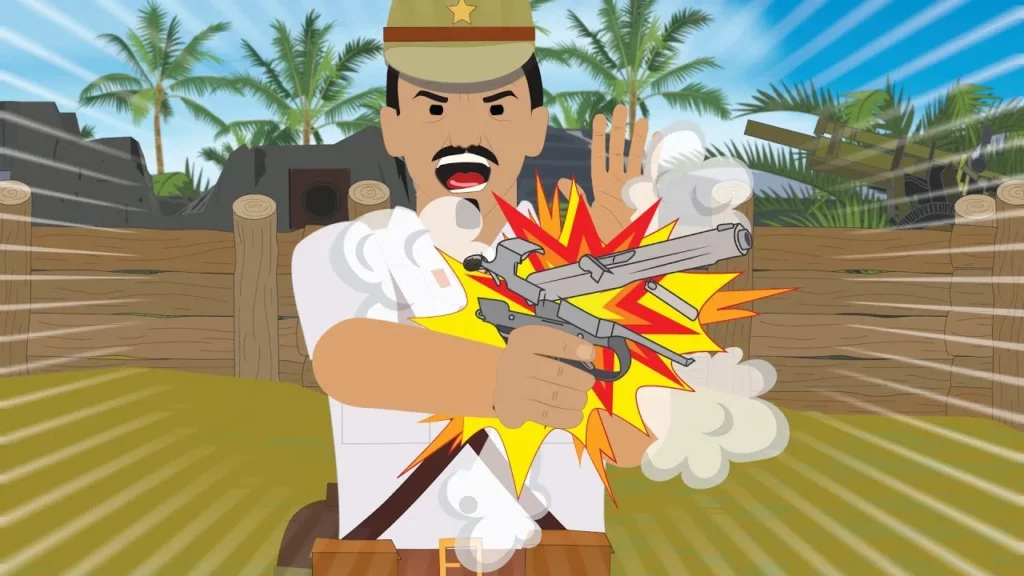
The lesson explores the history of firearms, highlighting five infamous models that exemplify poor design and functionality. From the Colt Model 1855 Revolving Carbine to the Nambu Type 94, these “cursed guns” illustrate the potential dangers of innovation in weaponry, emphasizing the critical need for safety and reliability in firearm design. Ultimately, the lesson serves as a cautionary tale about the consequences of prioritizing innovation over practicality.
The Ship that escaped capture disguised as a tropical island
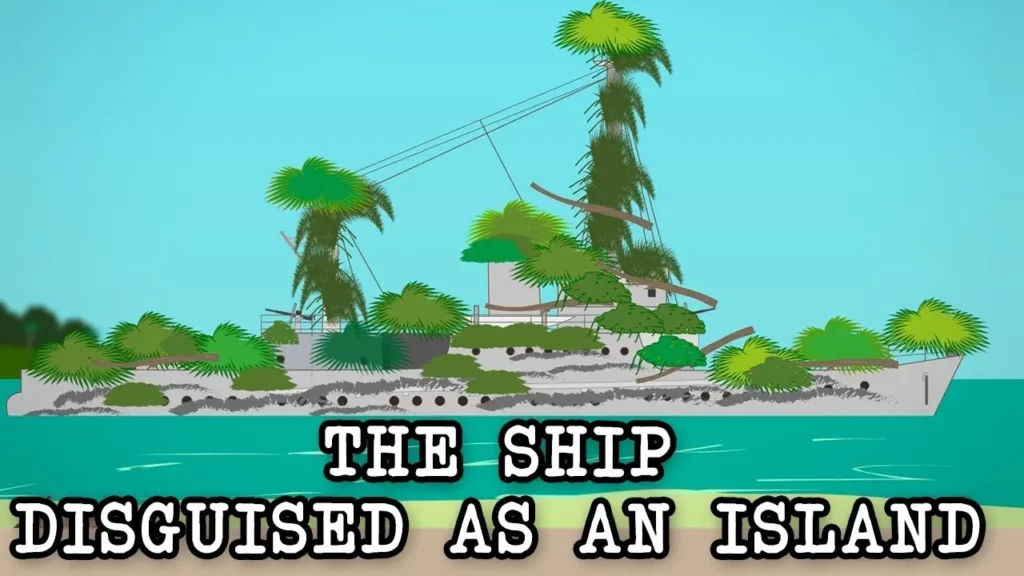
The lesson recounts the remarkable escape of the HNLMS Abraham Crijnssen, a Dutch minesweeper that evaded capture by disguising itself as a tropical island during World War II. Facing overwhelming Japanese forces in 1942, the crew ingeniously camouflaged the ship with foliage and painted it to blend in with the landscape, allowing them to navigate undetected for eight days before safely reaching Australia. This story highlights the power of creativity and quick thinking in overcoming seemingly insurmountable challenges.
The Monk that Burned Himself to Death (The Vietnam war)
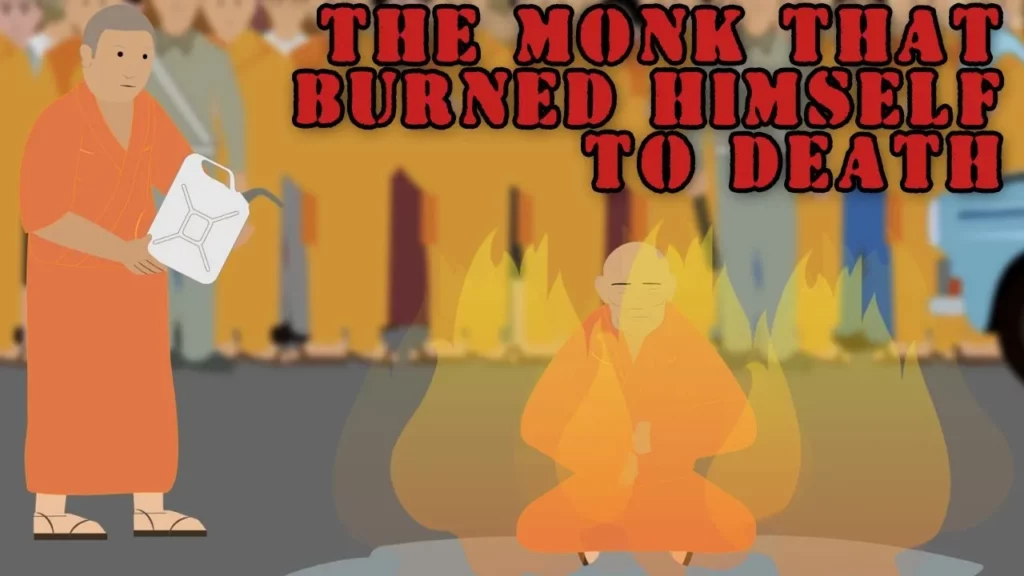
The lesson discusses the self-immolation of Buddhist monk Thich Quang Duc in 1963, a pivotal event during the Vietnam War that underscored the religious tensions and political unrest in South Vietnam under President Ngo Dinh Diem’s regime. Duc’s dramatic protest against government oppression galvanized both national and international attention, ultimately contributing to the political upheaval that led to Diem’s overthrow and increased U.S. involvement in the war. His sacrifice remains a powerful symbol of the struggle for religious freedom and justice.
The Great Escape beneath the Berlin wall (1964)
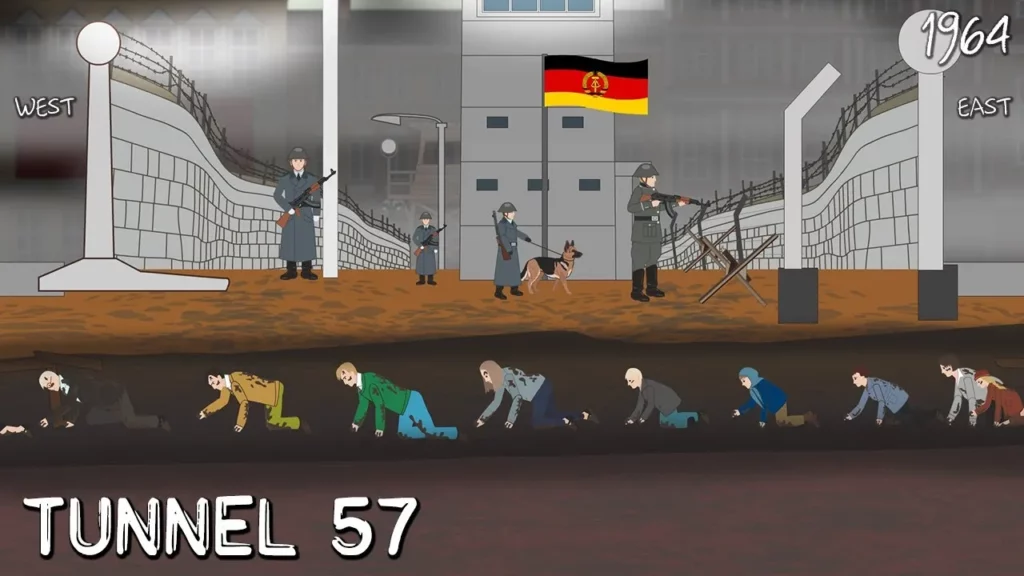
The lesson on “The Great Escape Beneath the Berlin Wall” explores the historical context of a divided Germany post-World War II, focusing on the stark contrasts between East and West Germany. It recounts the daring escape of 57 East Germans through Tunnel 57 in 1964, emphasizing the risks taken for freedom and the political tensions of the era. The incident not only showcased the desperation of those seeking to flee but also resulted in significant consequences, including the tragic death of a border guard, which later revealed the complexities of loyalty and authority within the East German regime.
This Type of Bullet Caused an Entire Uprising!
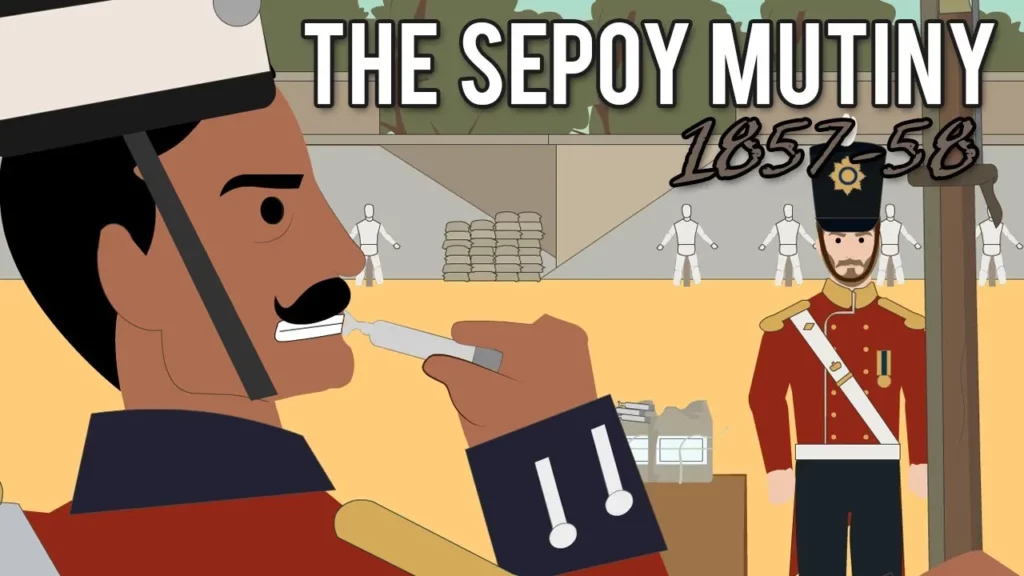
The lesson discusses the Sepoy Uprising of 1857-1858, a pivotal rebellion against British colonial rule in India, sparked by discontent among Indian soldiers over cultural violations and poor conditions, particularly related to the introduction of new rifle cartridges. Although the uprising ultimately failed, it led to significant changes in British governance in India, including the dissolution of the East India Company and the establishment of direct British rule, culminating in Queen Victoria being declared Empress of India in 1877. The event is remembered as a crucial moment in India’s struggle for independence and highlights the complexities of colonialism.
The Eruption of Mount Vesuvius Pompeii DISASTER (79 A.D.)
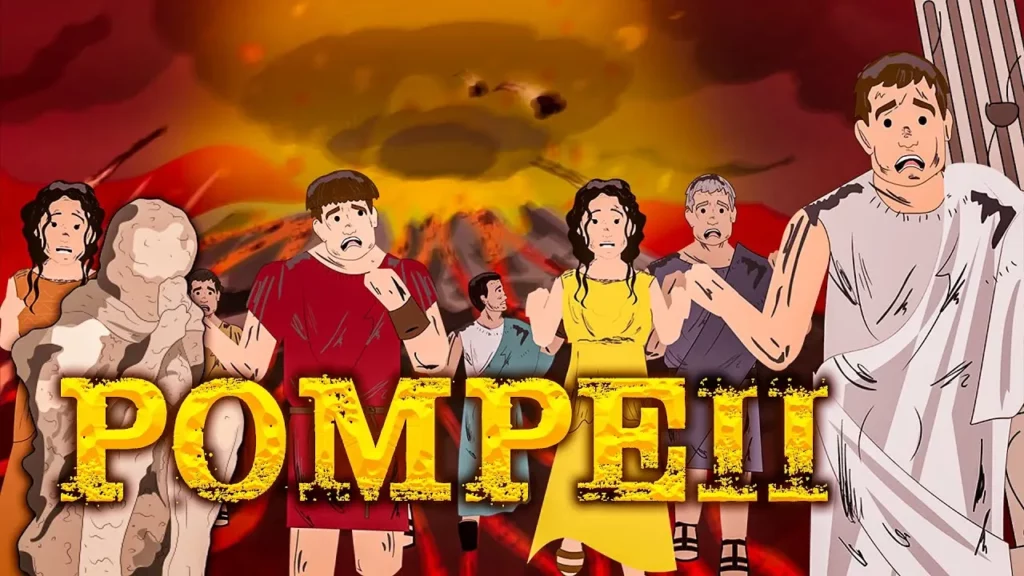
The lesson explores the catastrophic eruption of Mount Vesuvius in 79 A.D., which buried the Roman cities of Pompeii and Herculaneum under volcanic ash and mud, leading to significant loss of life and altering the landscape of the Bay of Naples. Initially thriving and unaware of the impending danger, the residents were caught off guard by the eruption, which was marked by a massive column of ash and deadly pyroclastic flows. The event not only resulted in the preservation of these cities for archaeological study but also serves as a reminder of the ongoing threat posed by Vesuvius, one of Europe’s most dangerous volcanoes.
The Feared Korean Soldier: From KPOP to Spec Ops

The lesson explores South Korea’s military history, highlighting its evolution from a nascent force post-World War II to a formidable military power today. It discusses the impact of the Korean War, reliance on U.S. support, the development of an indigenous defense industry, and the current structure and capabilities of the South Korean military. Additionally, it emphasizes the professionalism and courage of South Korean soldiers, both in national defense and international deployments.