
The Murders of Jack the Ripper
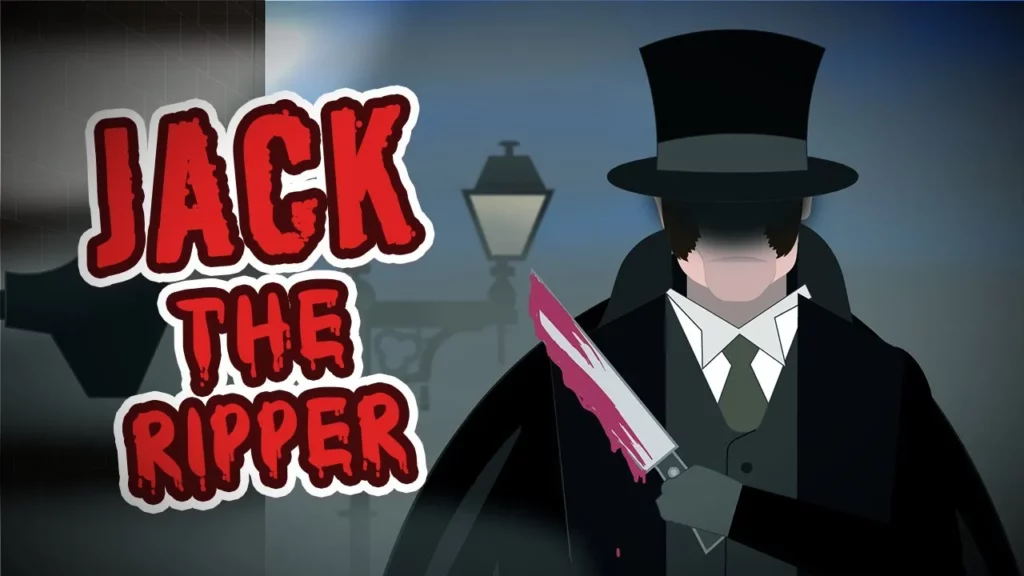
The lesson on Jack the Ripper explores the infamous serial killer’s gruesome murders in Victorian London’s East End in 1888, highlighting the dire living conditions and societal issues of the time. It details the victims, the challenges faced by investigators, and the various suspects over the years, while emphasizing the enduring mystery surrounding the killer’s identity and the cultural impact of the case. The story serves as a chilling reflection on the darker aspects of human nature and continues to intrigue audiences today.
Vietcong Booby Traps
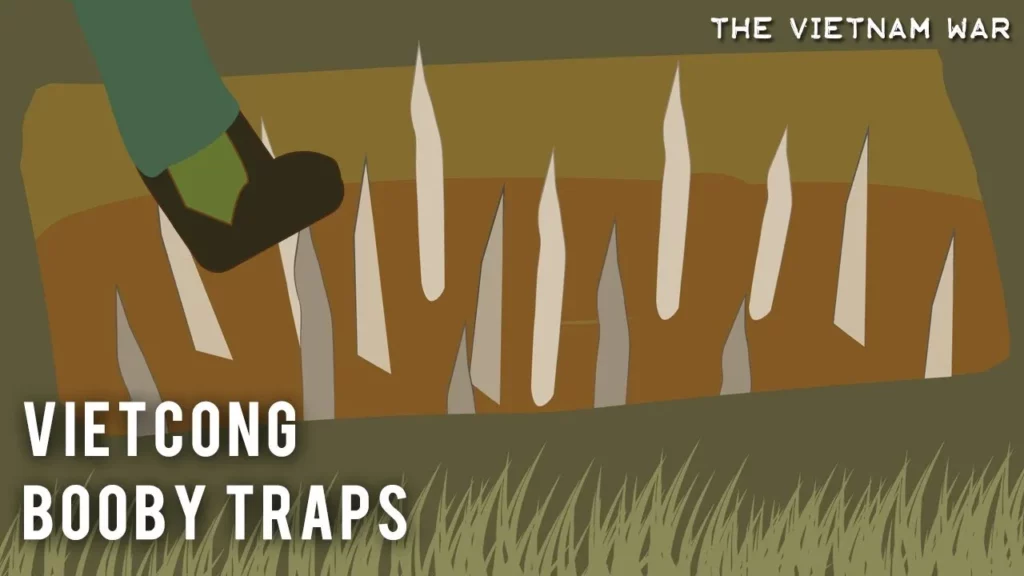
The lesson on Vietcong booby traps during the Vietnam War highlights the significant challenges faced by U.S. Armed Forces in the dense jungles of South Vietnam, where the Viet Cong employed simple yet effective traps to inflict casualties and instill fear among soldiers. These booby traps, ranging from punji stakes to complex mechanisms like the tiger trap, not only posed a physical threat but also created a psychological burden, leading to heightened anxiety and mental fatigue among troops. Understanding these tactics sheds light on the ingenuity of the Viet Cong and the complexities of warfare during this period.
Why were Korean Soldiers so Feared in the Vietnam War ?
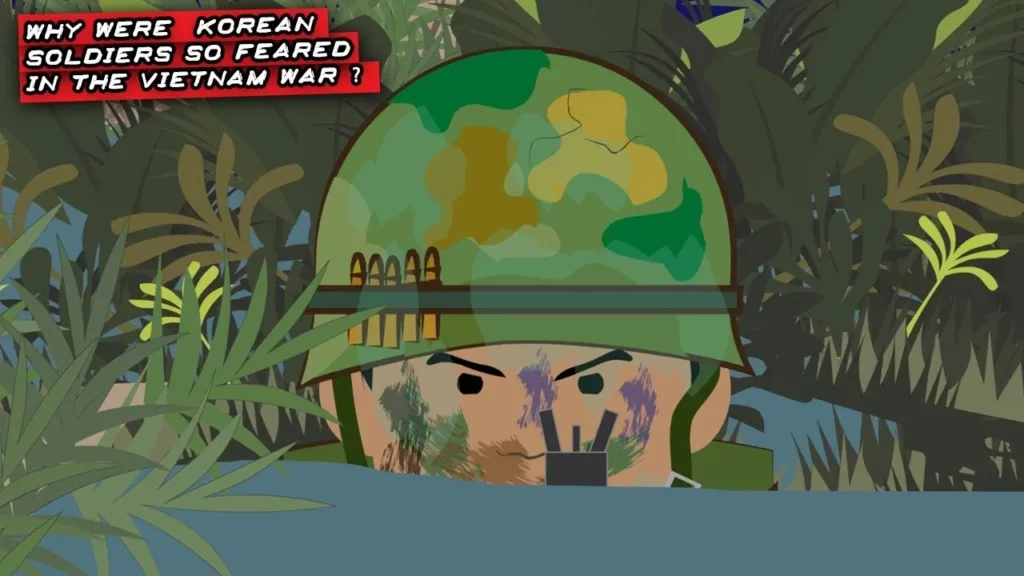
The lesson explores the formidable reputation of South Korean soldiers during the Vietnam War, highlighting their significant contributions as part of the U.S.-led “Many Flags” campaign. Their rigorous training, disciplined tactics, and aggressive combat style made them effective fighters, earning respect from American forces; however, their involvement was also marred by reports of atrocities against Vietnamese civilians, illustrating the complex and often troubling nature of military conflict.
Nazi Rudolf Hess’s Mad Mission for Peace (Strange Stories of WWII)
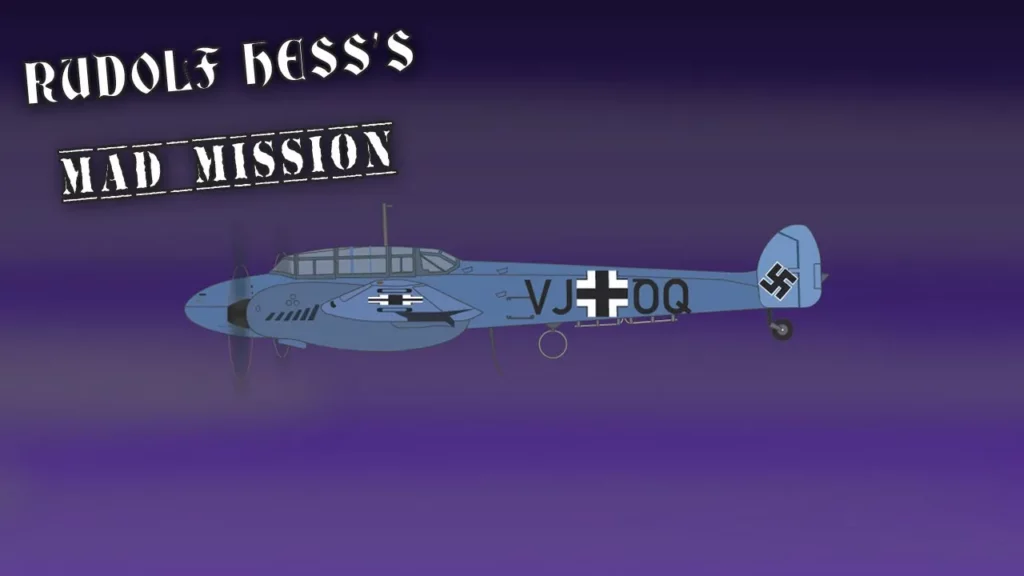
The lesson recounts the bizarre and intriguing story of Rudolf Hess, a high-ranking Nazi official who undertook a solo mission to Britain in May 1941, believing he could negotiate peace between Germany and Britain. Despite his loyalty to Hitler and the Nazi regime, Hess’s actions were seen as delusional, leading to his capture and subsequent imprisonment after the war. This episode illustrates the unpredictable and often irrational dynamics within the Nazi leadership during World War II.
Watch Towers
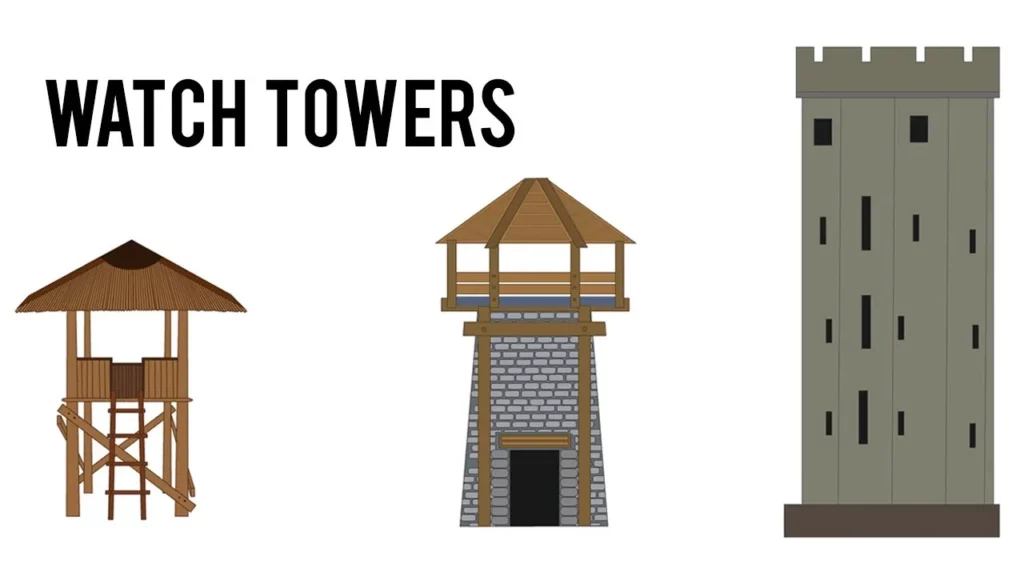
The lesson “Watch Towers: Guardians of History” explores the evolution and significance of watchtowers throughout history, from their origins as simple wooden structures to their advanced forms in medieval fortifications and maritime defenses. It highlights their roles in surveillance and defense against threats, as well as the impact of technological advancements on their functionality. Despite the rise of modern surveillance technologies, watchtowers continue to serve important roles in contemporary contexts, such as in military and prison security.
A Commando Revenge Mission, in Disguise as Women
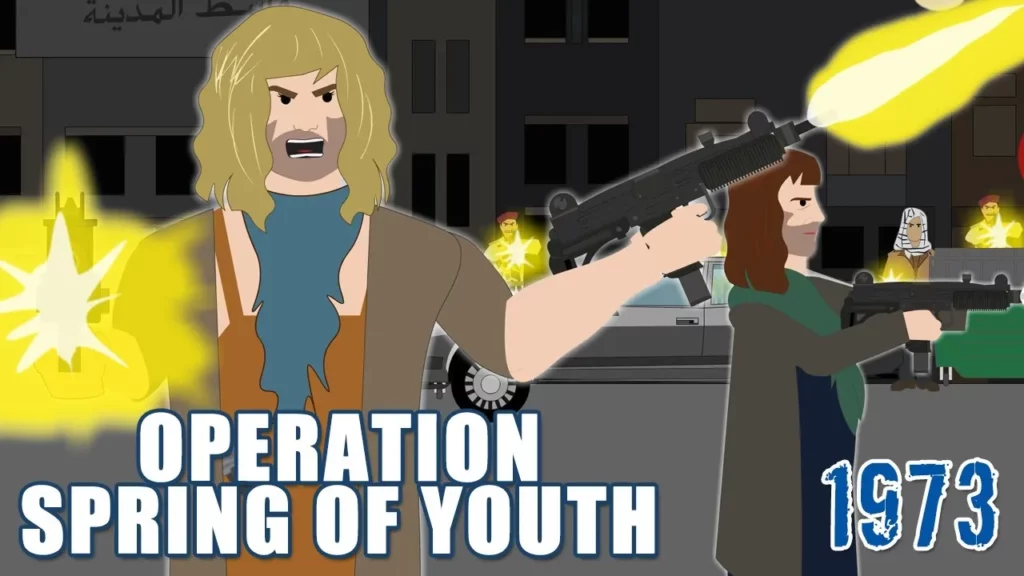
The lesson discusses the documentary “Secrets” from MagellanTV’s Top 10 Warfare series, which highlights the significant role of secrecy and deception in 20th-century wars. It then delves into Operation Spring of Youth, a covert Israeli commando mission executed on April 9, 1973, aimed at avenging the Munich massacre by targeting high-ranking PLO officials in Beirut. The operation, marked by meticulous planning and daring execution, resulted in the successful elimination of key targets and solidified its place as a pivotal moment in Israel’s military history.
Assassination of John F. Kennedy (1963)
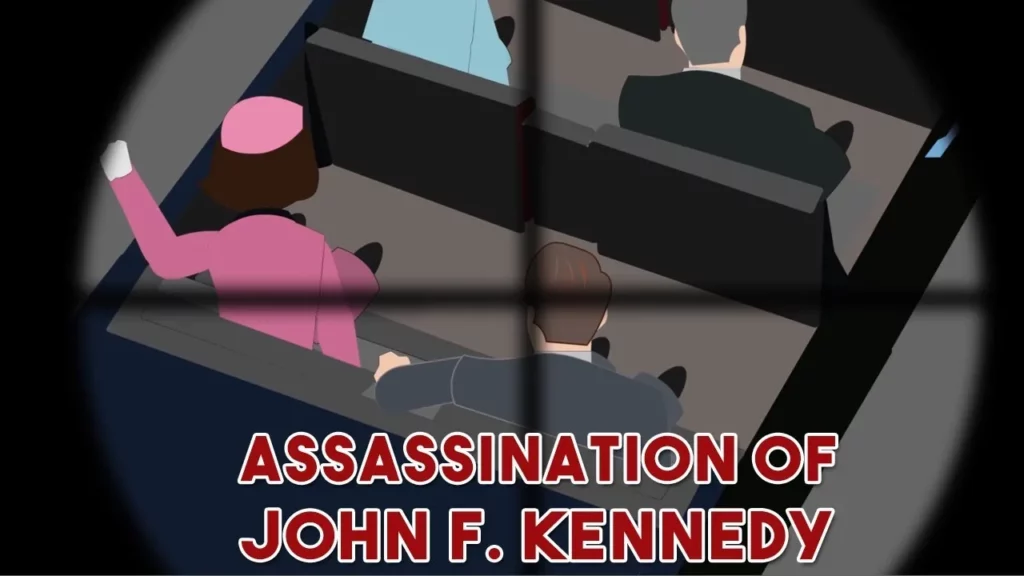
The assassination of President John F. Kennedy on November 22, 1963, occurred during a tumultuous period marked by Cold War tensions and significant events such as the Bay of Pigs invasion and the Cuban Missile Crisis. While on a crucial campaign trip in Texas, Kennedy was fatally shot in Dallas, leading to the arrest of Lee Harvey Oswald, who was later killed before trial, sparking ongoing controversy and speculation about the circumstances of the assassination. The event not only ended Kennedy’s presidency but also left a profound and lasting impact on American history and collective memory.
The Tsar Tank – The Strangest Tank Ever?
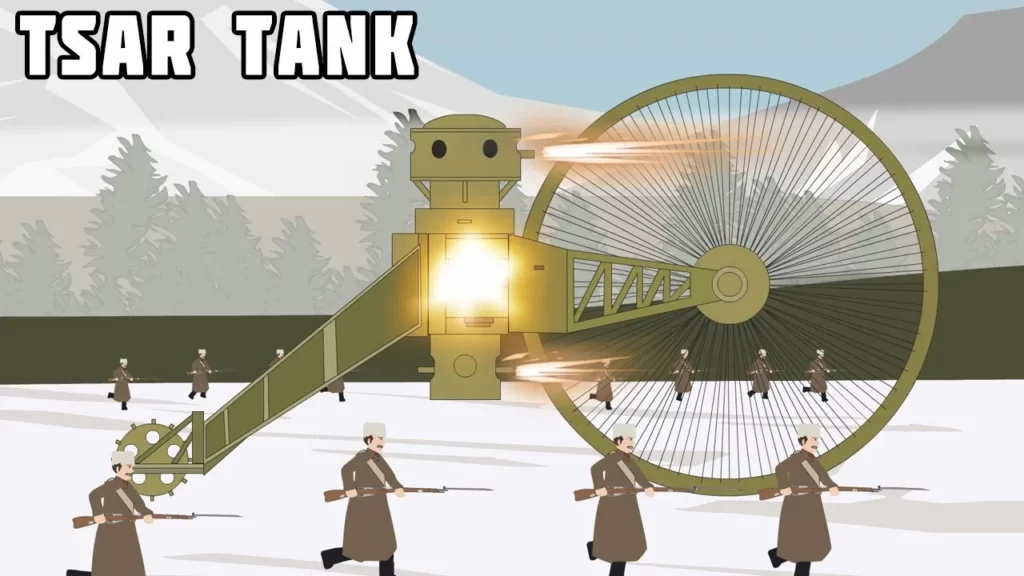
The lesson explores the intriguing history of the Tsar Tank, an unusual armored vehicle from World War I designed by Nikolai Lebedenko to enhance artillery mobility on the battlefield. Despite its ambitious design featuring enormous wheels, the tank faced significant challenges during testing, ultimately leading to its abandonment due to mobility issues and vulnerability to enemy fire. The Tsar Tank serves as a fascinating example of early tank design and the difficulties encountered in military innovation.
Spetsnaz (Soviet Afghanistan war)
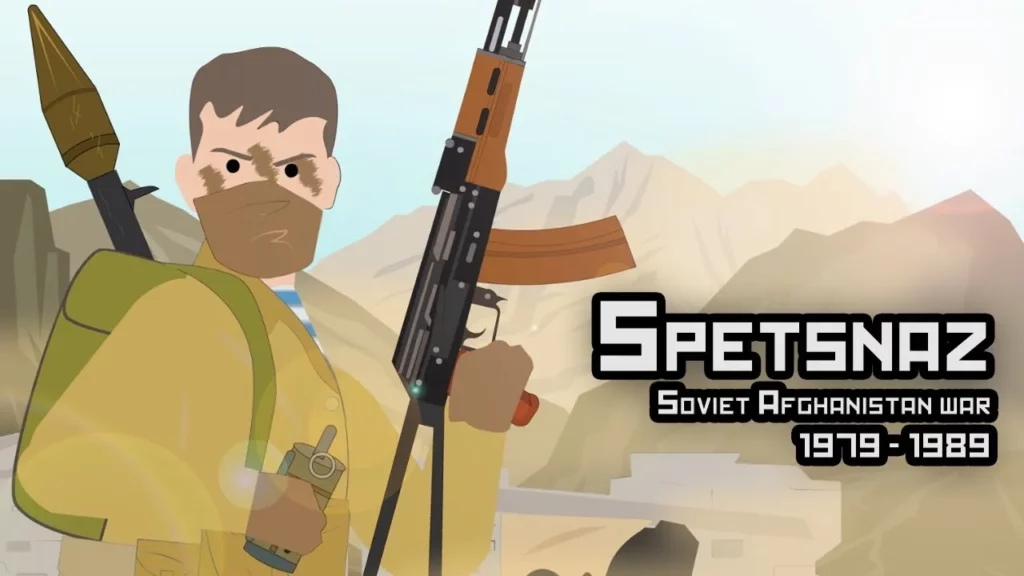
The lesson on Spetsnaz and the Soviet-Afghan War outlines the context of the Soviet invasion of Afghanistan in 1979, aimed at supporting a struggling communist government amidst rising insurgency. It highlights the role of Spetsnaz, the elite Soviet special forces, who were deployed to conduct specialized operations against guerrilla tactics employed by the Mujahideen, adapting their training and strategies to the unique challenges of the Afghan terrain. Ultimately, while Spetsnaz played a crucial role in various military operations throughout the conflict, their involvement concluded with the Soviet withdrawal in 1989, marking a significant period in the history of special operations and Cold War dynamics.
Censorship in Nazi Germany
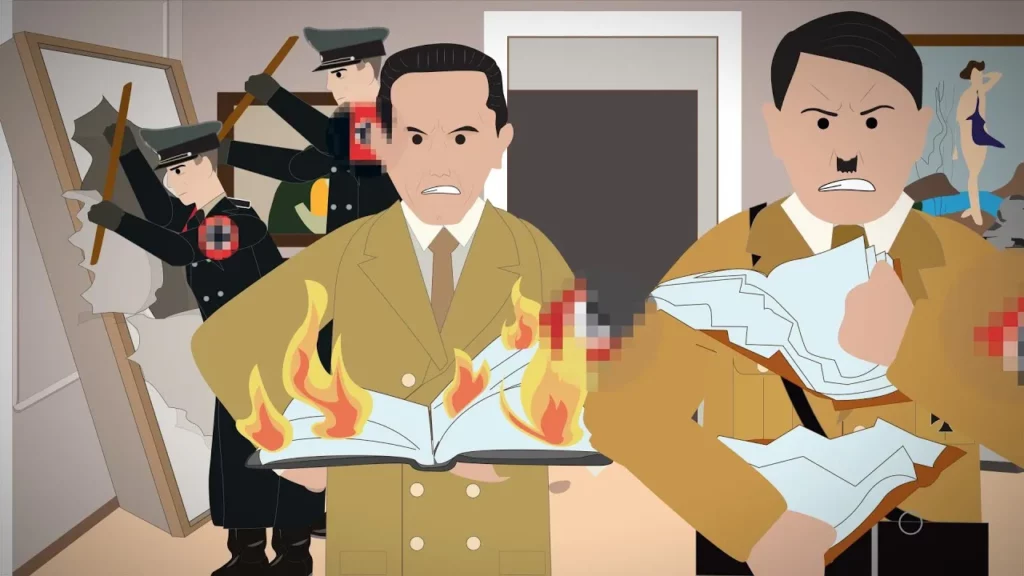
The lesson on “Censorship in Nazi Germany” highlights the systematic suppression of dissenting ideas and cultural expression through events like the Night of the Book Burnings on May 10, 1933, where thousands of books by targeted authors were destroyed in a public display of Nazi ideology. This censorship extended beyond literature to all forms of media and culture, as the Nazi regime, led by figures like Joseph Goebbels, sought to control public perception and eliminate any opposition to their totalitarian rule. The lesson underscores the chilling effects of propaganda and censorship on society, illustrating how the Nazis manipulated cultural institutions to enforce their oppressive agenda.