
Teenage Marine Jumps on 2 Grenades to save his Squad
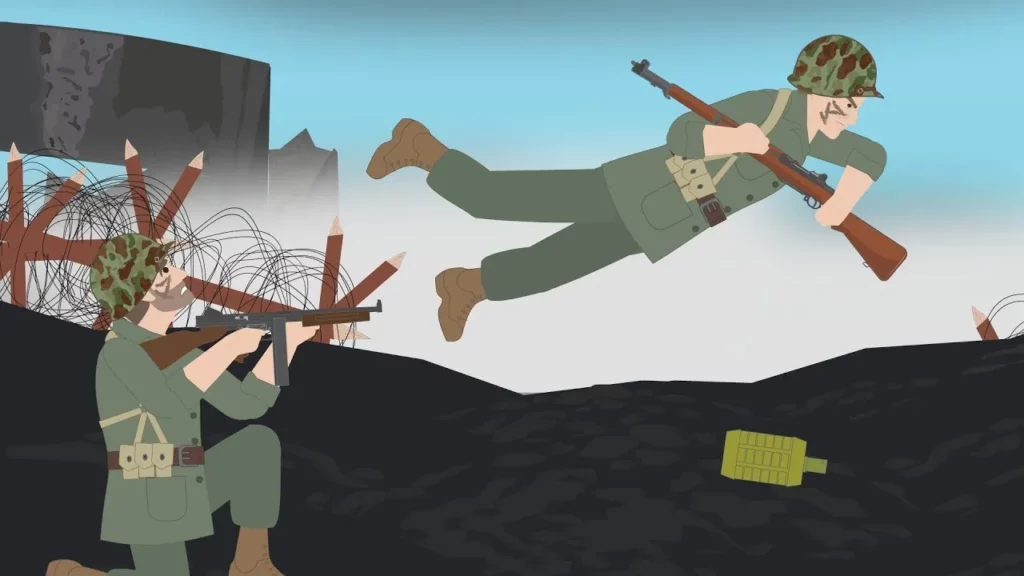
The lesson highlights the extraordinary bravery of Jack Lucas, a 17-year-old Marine who earned the Medal of Honor for his heroic actions during the Battle of Iwo Jima in World War II. By selflessly jumping on a grenade to protect his fellow soldiers, Lucas exemplified courage and sacrifice, leaving a lasting legacy that continues to inspire. His story serves as a reminder of the sacrifices made by military personnel and the importance of bravery in challenging circumstances.
The Ratte – The Biggest Tank Ever Designed
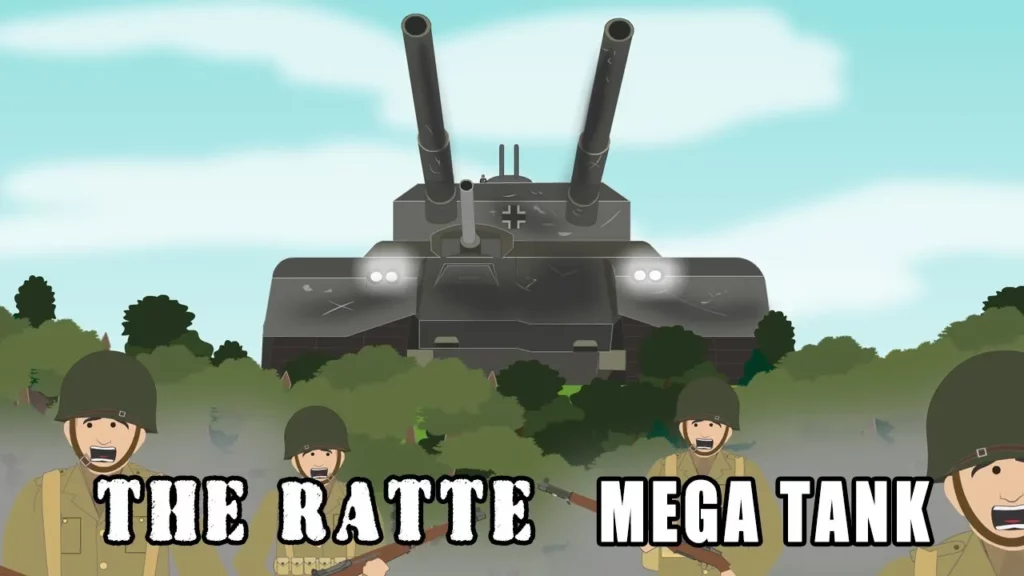
The lesson discusses the Ratte, a colossal tank designed during World War II by Nazi Germany as part of Hitler’s vision for advanced weaponry. Despite its impressive specifications and armament, the Ratte faced insurmountable logistical challenges and was ultimately deemed impractical, leading to its cancellation in 1943. The project serves as a reflection of the extremes of Hitler’s ambitions and the limitations of military engineering during the war.
Was This Britain’s Vietnam War? – The Malayan Emergency
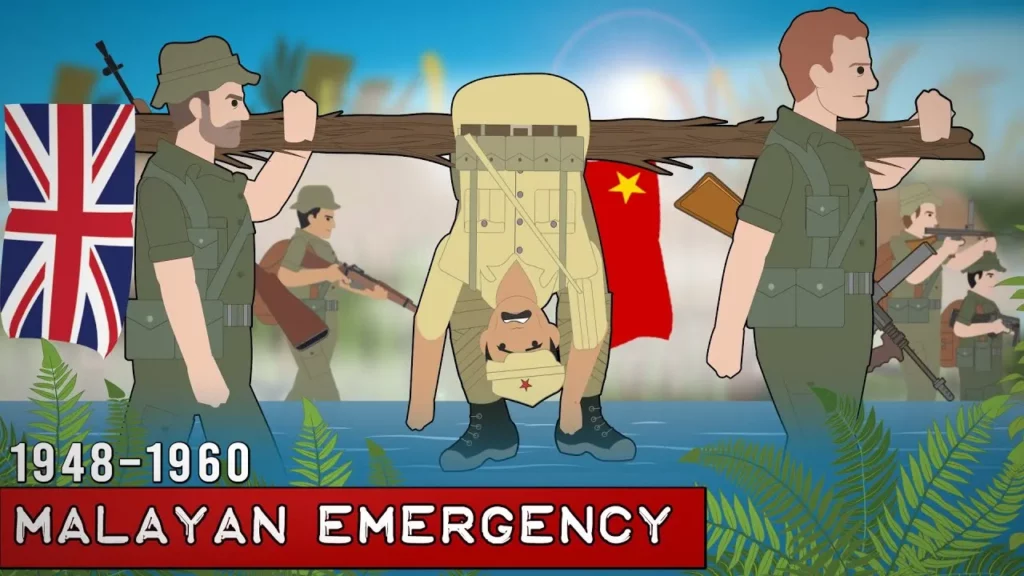
The Malayan Emergency (1948-1960) was a pivotal conflict between the British colonial forces and the Malayan Communist Party (MCP), which sought independence amid the decline of the British Empire post-World War II. Triggered by economic devastation and ethnic tensions, the conflict escalated after the assassination of British plantation managers, leading to a state of emergency and a military response that evolved from defensive to offensive strategies. Ultimately, the British regained control through a “hearts and minds” campaign, and the conflict concluded with Malaya’s independence in 1957, marking a significant shift in colonial power dynamics in the region.
Perestroika & Glasnost (The End of the Soviet Union)
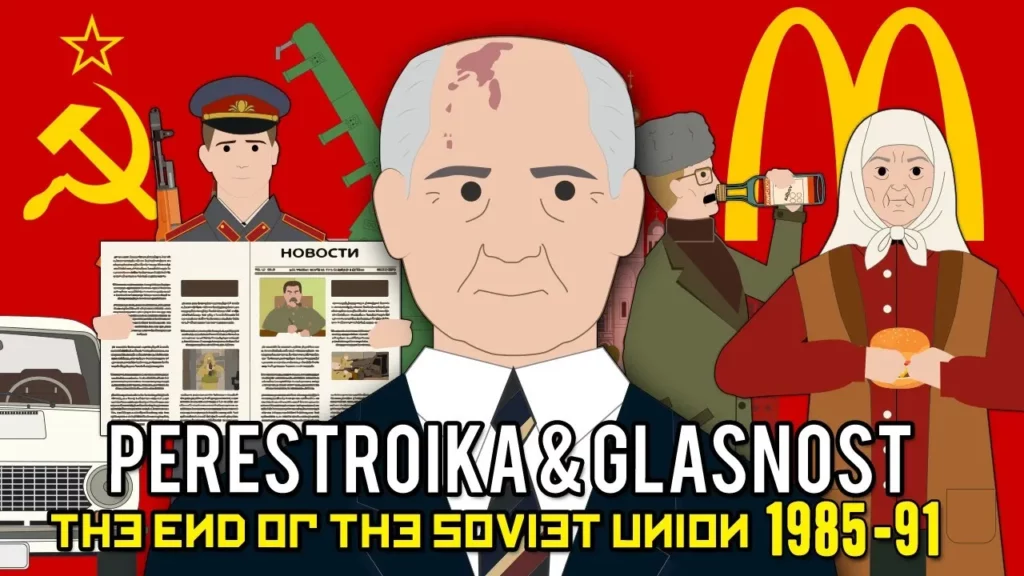
The lesson discusses the pivotal reforms introduced by Mikhail Gorbachev in the 1980s, specifically Perestroika and Glasnost, aimed at revitalizing the struggling Soviet economy and promoting openness in society. While these policies initially improved relations with the West and encouraged cultural expression, they ultimately contributed to the decline of the Soviet Union, leading to its dissolution in 1991 and inspiring similar movements in Eastern Europe. Gorbachev’s attempts at modernization and transparency marked a significant shift in the political landscape, despite not resolving the underlying economic issues.
Winter Invasions that were REALLY DUMB in History
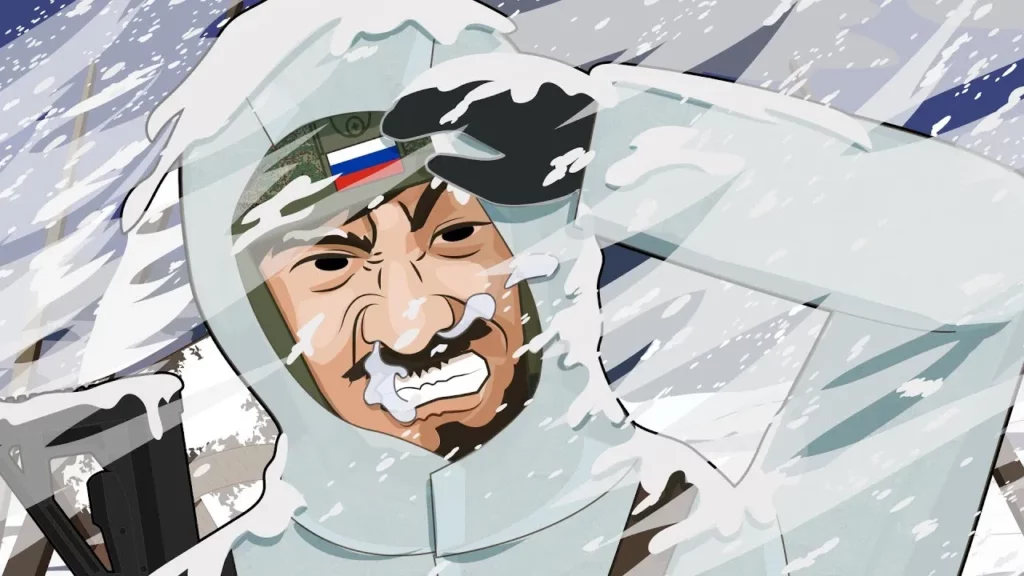
The lesson highlights the significant impact of the harsh Russian winter on historical military invasions, particularly focusing on Napoleon’s failed 1812 campaign and Hitler’s Operation Barbarossa in 1941. Both leaders underestimated the winter’s brutal conditions, which contributed to their armies’ devastating losses. Additionally, the lesson discusses how winter continues to affect modern conflicts, emphasizing its role as a formidable force in military strategy throughout history.
Battle of Goose Green – 2 Para against all Odds (28–29th May 1982)
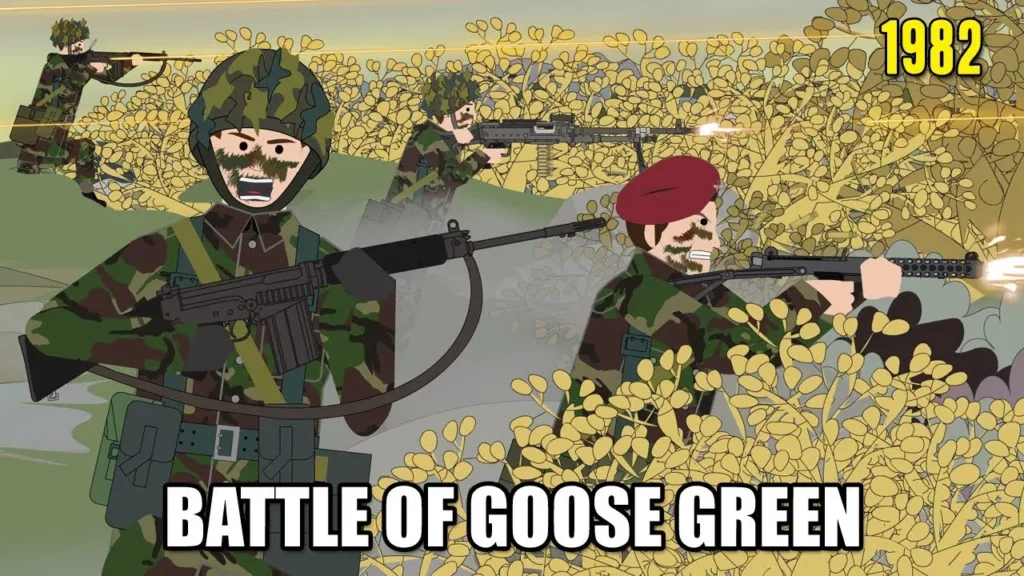
The Battle of Goose Green, fought from May 28 to 29, 1982, was a crucial engagement in the Falklands War, where the British Second Battalion of the Parachute Regiment (2 Para) faced a larger Argentinian force. Despite being outnumbered and facing logistical challenges, the British troops successfully captured Goose Green, boosting morale and support for their campaign. This victory underscored the resilience and determination of the British forces, playing a significant role in the overall success of the war.
Hanoi Hilton – The Worst POW camp of the Vietnam War?
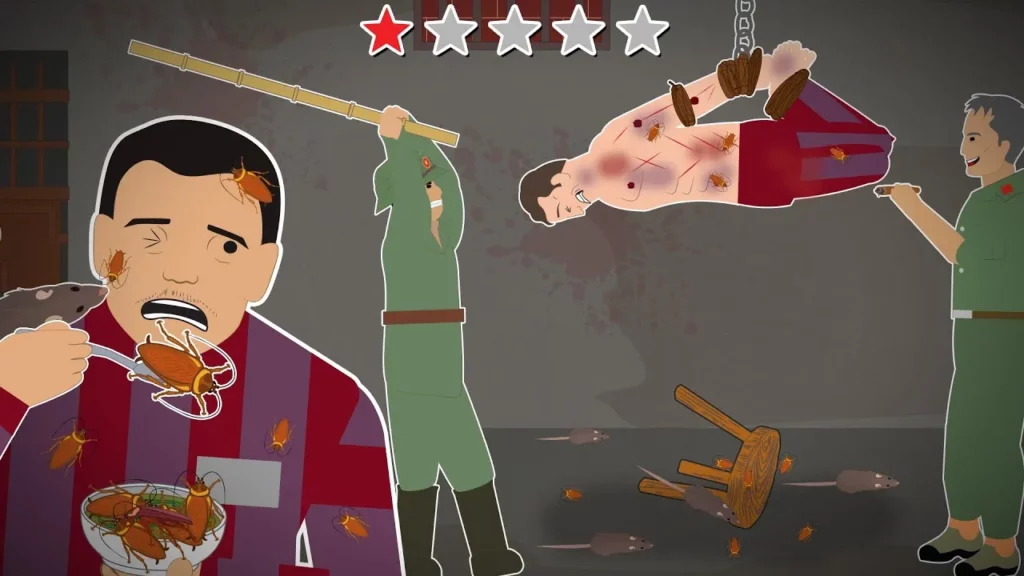
The Hanoi Hilton, or Hoa Lo Prison, is a notorious site from the Vietnam War, originally built by the French to detain political prisoners and later used to house American POWs. The conditions within the prison were brutal, characterized by overcrowding, poor hygiene, and severe punishment, yet many prisoners, including notable figures like John McCain, demonstrated remarkable resilience and camaraderie despite the harsh realities they faced. The legacy of the Hanoi Hilton serves as a powerful reminder of the endurance of the human spirit in the face of adversity and the importance of remembering historical injustices.
The MIAS Mini Tank (Strangest Tanks in History)
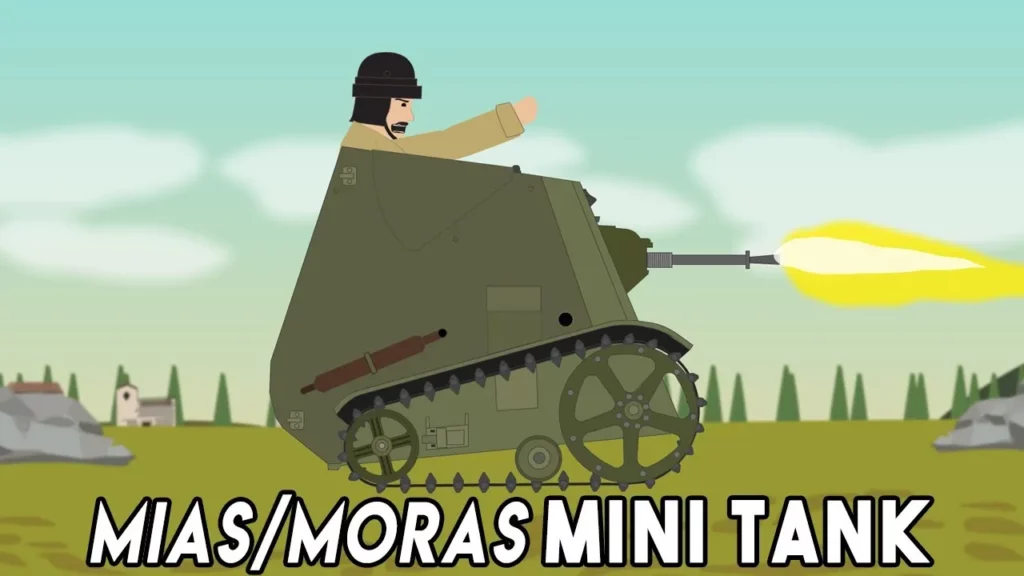
The MIAS mini tank, developed by the Italian company Anceldo in 1935, exemplifies an unusual approach to military design during the lead-up to World War II. Intended as a small armored vehicle to protect soldiers crossing dangerous terrain, its impractical features, including a cramped interior and slow speed, ultimately led to its cancellation before mass production. Despite its failure to succeed in combat, the MIAS serves as a fascinating case study in the challenges of military innovation.
Sea Kamikaze (WWII Military Tactic)
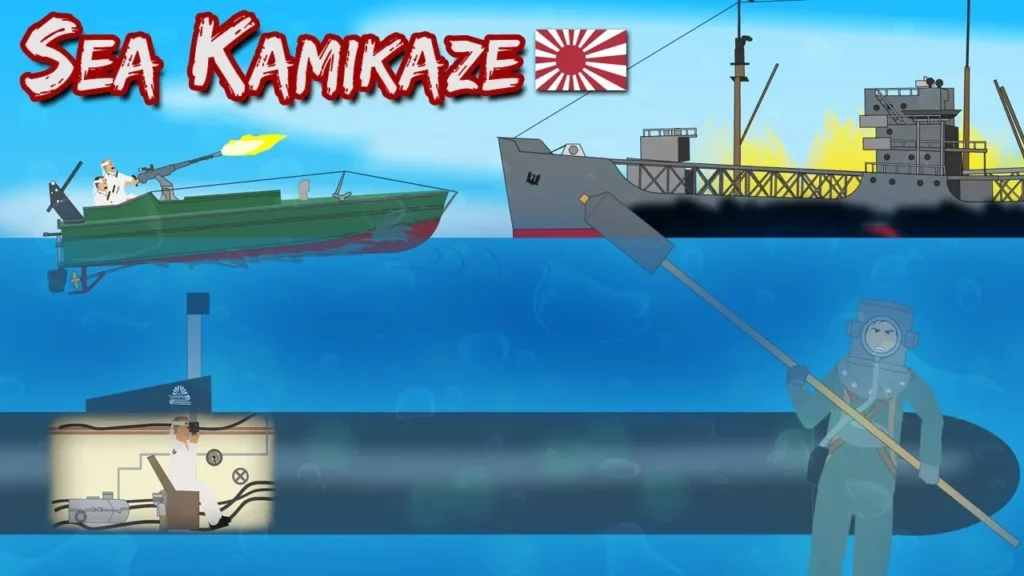
The lesson on “Sea Kamikaze” explores the development and implementation of Japanese kamikaze tactics during World War II, extending beyond aerial assaults to include sea-based strategies using explosive speed boats, torpedoes, submarines, and trained divers. Despite the innovative designs like the Shinyo boats and Kaiten torpedoes, these tactics ultimately had limited success and failed to significantly impact the war’s outcome, highlighting the extreme measures taken by Japan and the challenges of wartime strategy.
Tomb of the Unknown Soldier
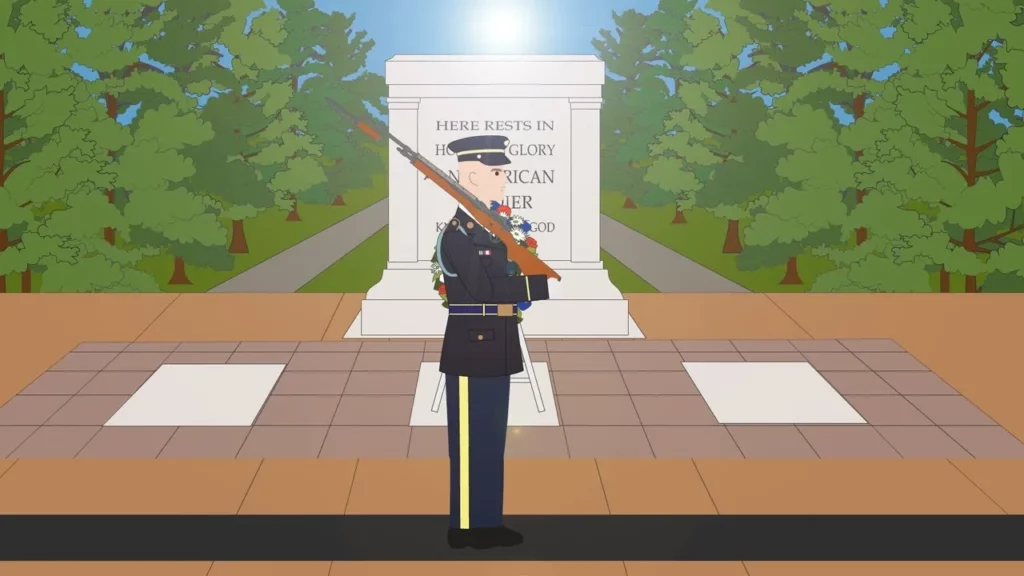
The Tomb of the Unknown Soldier, located at Arlington National Cemetery, serves as a solemn tribute to American servicemen who died in various conflicts without their identities being known. Established in 1921, the monument honors not only those who perished in World War I but also all unknown soldiers from subsequent wars, reflecting the nation’s commitment to remembering its fallen heroes. The site is guarded by the Third U.S. Infantry Regiment, symbolizing the respect and reverence owed to those who made the ultimate sacrifice for their country.