
The Explorer who used a Knife made of his own Poop to Escape from the Ice

The lesson highlights the extraordinary life of Peter Freudian, a Danish explorer known for his remarkable adventures in the Arctic and his innovative survival skills, including a daring escape using a knife made from his own resources. Freudian’s diverse achievements spanned writing, journalism, and resistance efforts during World War II, showcasing his resilience and commitment to exploration. His legacy serves as an inspiration for those who aspire to explore the unknown and test the limits of human endurance.
The Rocket Launcher Scooter (Weird Tech)
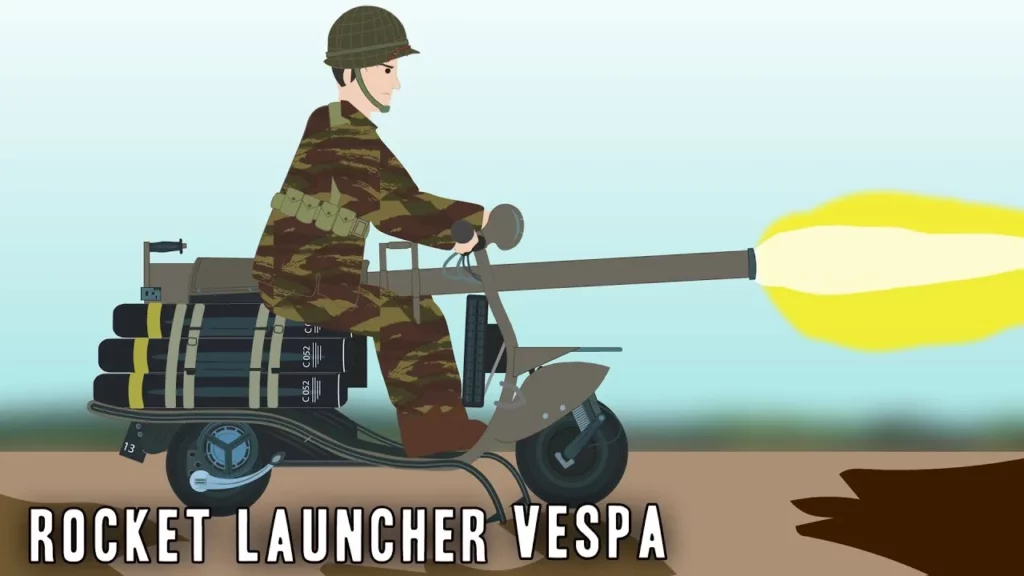
The Vespa 150 TAP was a unique military invention designed for the French military, combining the functionality of a scooter with the firepower of an M20 recoilless rifle. Created for paratroopers, this innovative vehicle could be dropped from airplanes and was built for quick mobility in challenging terrains, allowing soldiers to carry and set up the weapon effectively. Although only about 600 units were produced between 1956 and 1959, the Vespa 150 TAP remains a fascinating example of creative military engineering and the intersection of technology and practicality.
The Prisoners who Used Fake Heads to Escape Alcatraz
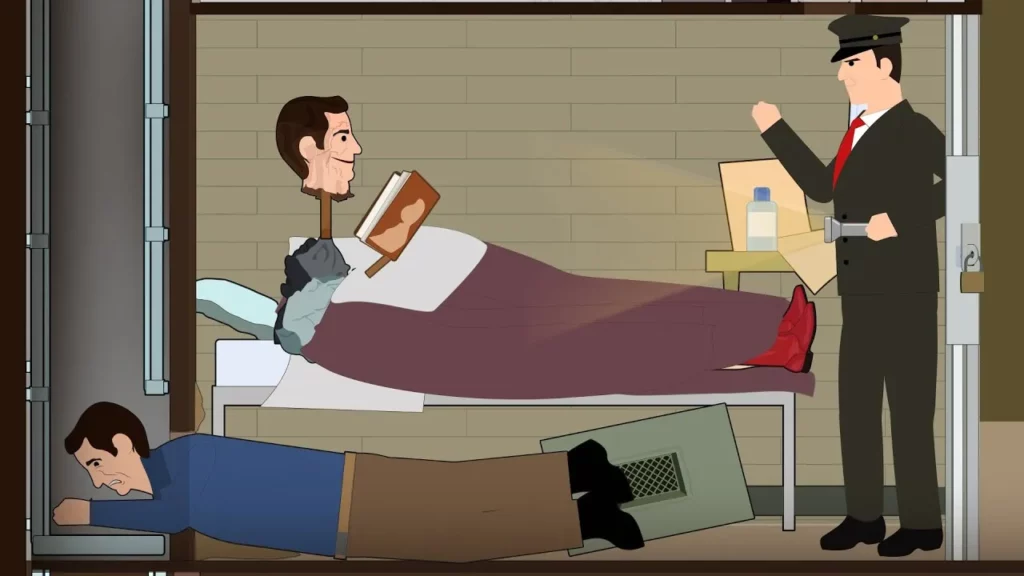
The lesson recounts the daring escape of Frank Morris and the Anglin brothers from the notorious Alcatraz prison in 1962, highlighting their clever use of fake heads and other ingenious methods to evade capture. Despite extensive searches and speculation about their fate, the mystery of whether they survived the treacherous waters remains unsolved, captivating the public’s imagination for decades. This story illustrates not only the ingenuity of the prisoners but also the enduring allure of Alcatraz’s history.
Pope Urban II orders the First Crusade (1095)
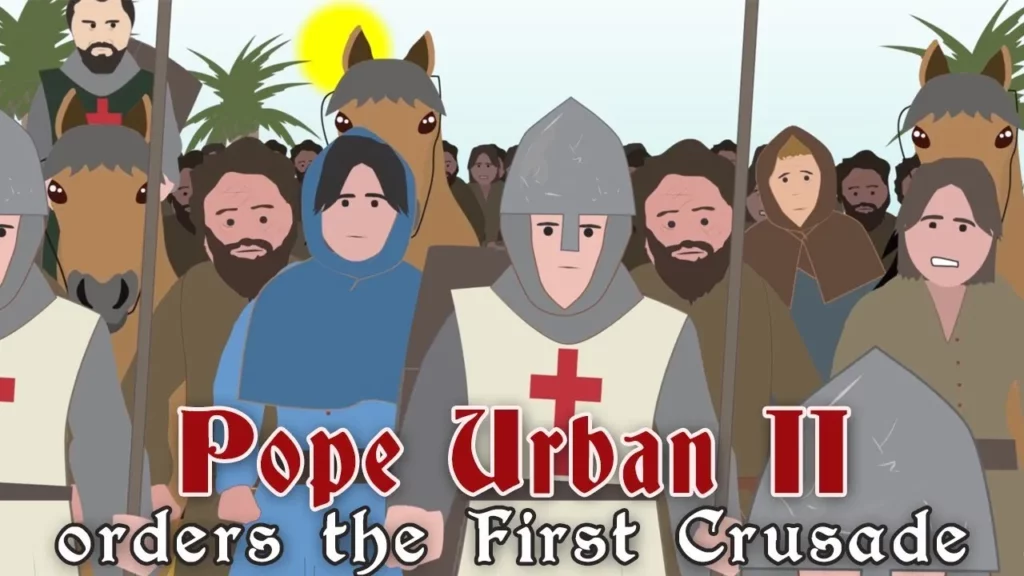
In November 1095, Pope Urban II called for the First Crusade during the Council of Clermont, urging Christians to reclaim the Holy Land and assist the Byzantine Empire against Turkish advances. His impassioned speech united diverse groups across Europe, leading to the mobilization of thousands who sought redemption and glory through this holy mission. The successful capture of Jerusalem three years later established several Crusader states, significantly impacting the political landscape of both Europe and the Middle East, while also setting the stage for future conflicts.
Who were the Richest People in History?
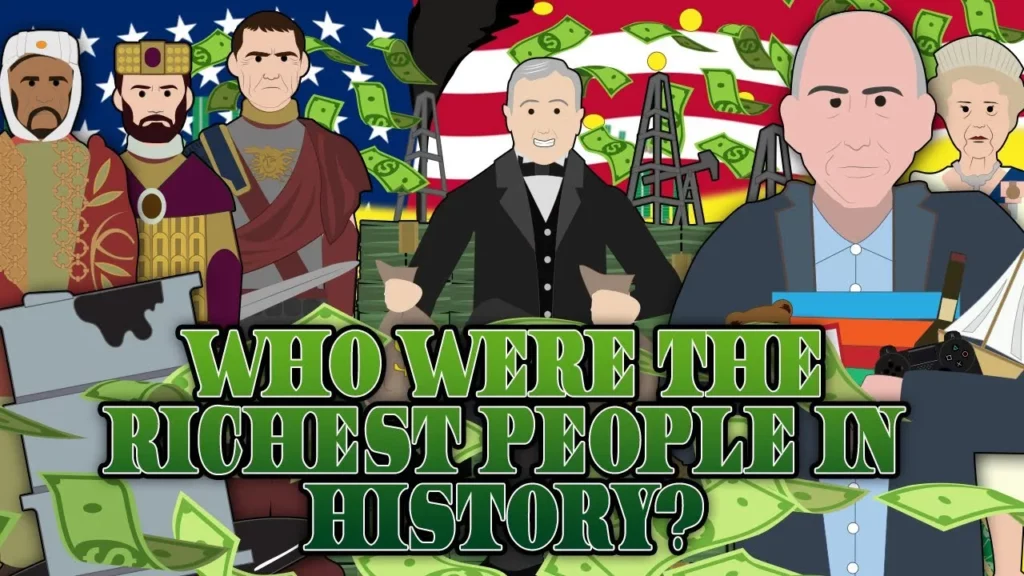
The lesson explores the evolution of wealth throughout history, highlighting notable wealthy figures from ancient times to the modern era. It discusses how wealth was initially measured by land and livestock, later transitioning to precious metals and coins, with examples like Marcus Licinius Crassus and John D. Rockefeller illustrating the immense fortunes amassed by individuals. The lesson concludes by noting the ongoing significance of wealth in shaping society, from royal riches to the rise of tech billionaires today.
Gibbeting (Horrible Punishments in History)
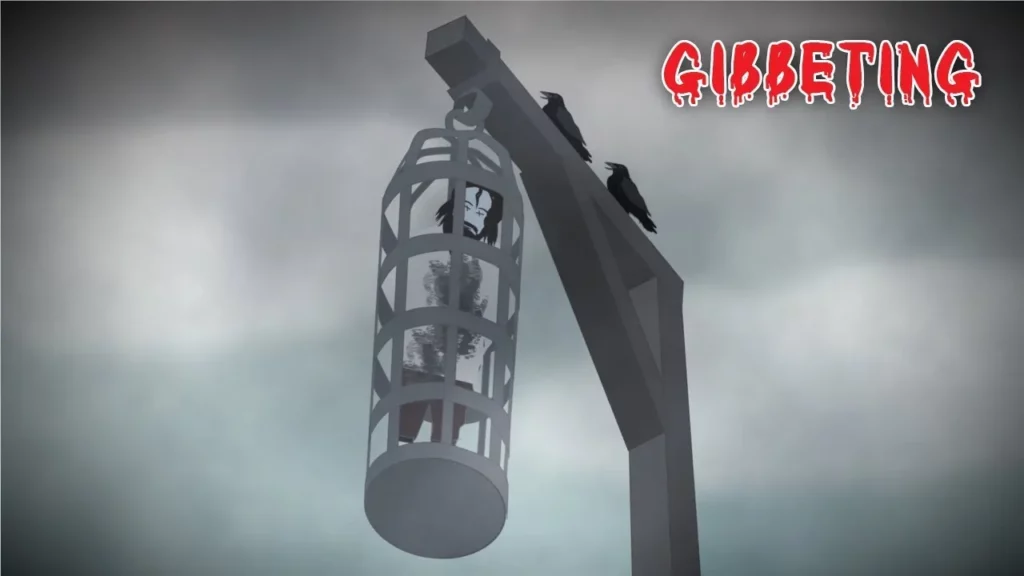
The lesson explores the historical practice of gibbeting, a gruesome punishment where executed criminals were displayed in chains for public viewing, often left to decompose as a deterrent to others. Originating from ancient times and mentioned in texts like the Old Testament, this method was primarily reserved for serious offenders and became more prevalent after the Murder Act of 1752 in Great Britain, before being banned in 1834 due to its cruelty. The discussion highlights the evolution of societal approaches to justice and punishment, reflecting on how such practices have shaped modern views on crime and retribution.
WW2 Guns Still Used in Today’s Ukraine war
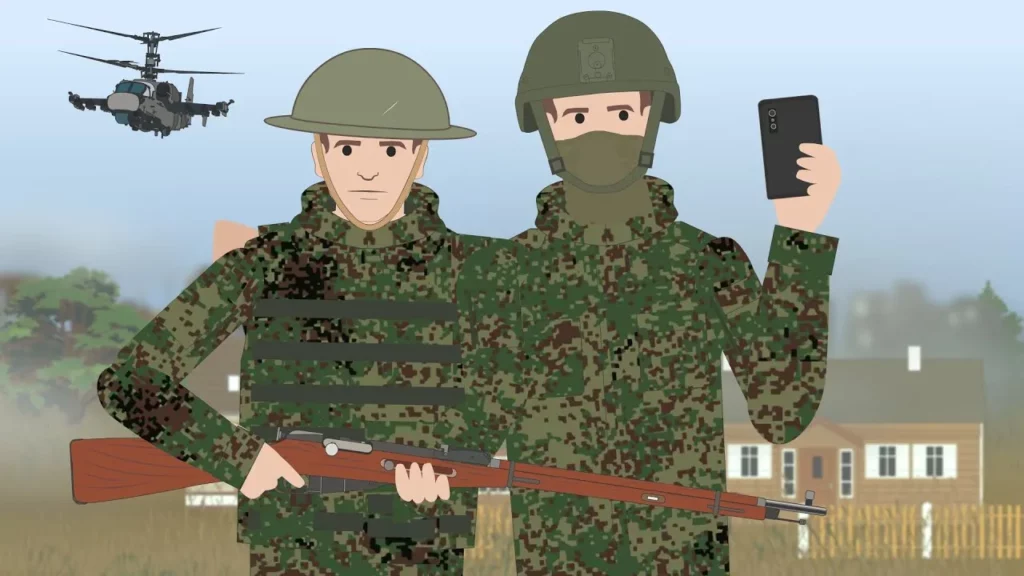
The lesson discusses the surprising persistence of World War II firearms in contemporary conflicts, particularly in Ukraine, where weapons like the Mosin Nagant rifle and Maxim machine gun are still in active use. It highlights how post-war stockpiles and the durability of older designs allow these weapons to remain relevant in modern warfare, demonstrating that even outdated technology can effectively serve military needs.
T-14 Armata Tank: Russia’s New Threat?
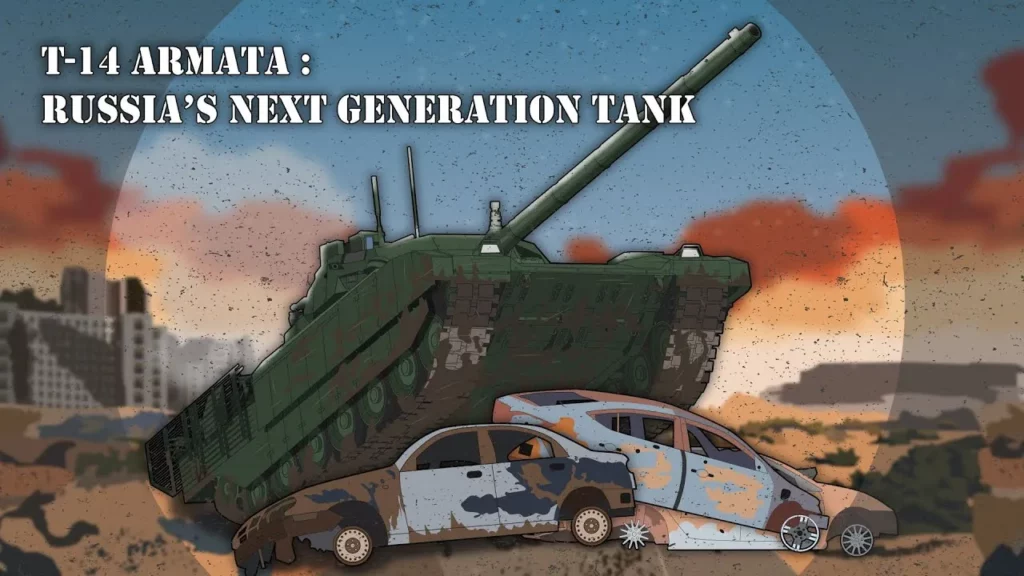
The T-14 Armata tank represents a significant advancement in armored warfare, showcasing Russia’s efforts to modernize its military capabilities beyond outdated Cold War designs. Despite facing production challenges and delays due to technical issues and sanctions, the T-14 features innovative elements such as a modular chassis, an unmanned turret for enhanced crew safety, and advanced protection systems. While initial production goals have not been met, the T-14’s sophisticated design and capabilities suggest it could play a crucial role in the future of armored combat.
TOPGUN – U.S. Navy Fighter Weapons School (March 3, 1969-Present)
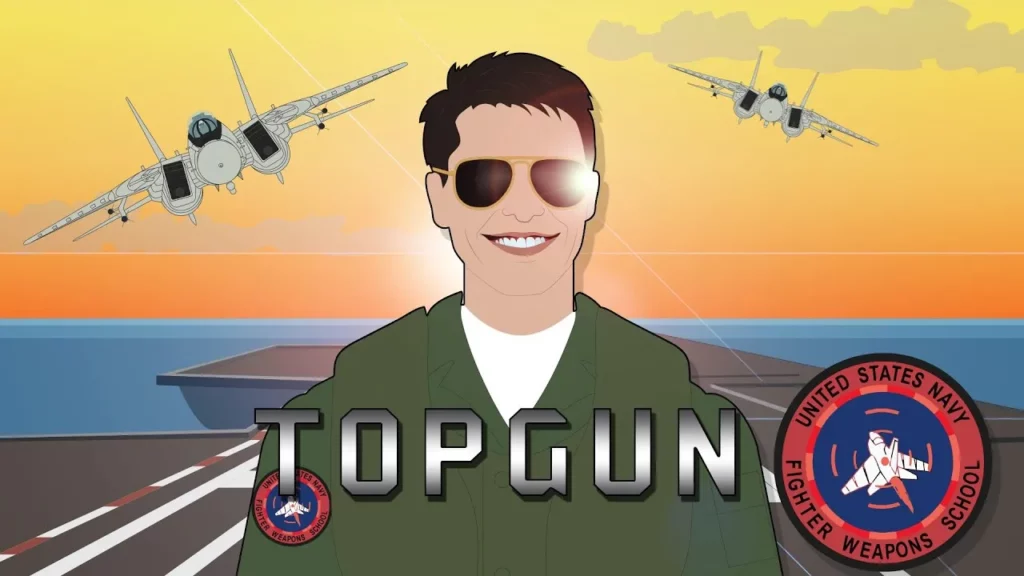
The U.S. Navy Fighter Weapons School, known as Top Gun, was established on March 3, 1969, to address the inadequacies in pilot training revealed during the Vietnam War. Focused on advanced air combat techniques, the school has evolved over the years, adapting its curriculum to meet the demands of modern warfare while emphasizing the importance of pilot skill and determination. Top Gun has produced some of the world’s best pilots and continues to influence air combat training today.
WW2 “Bobbies” who Stole from the Germans (Occupied Guernsey, UK)
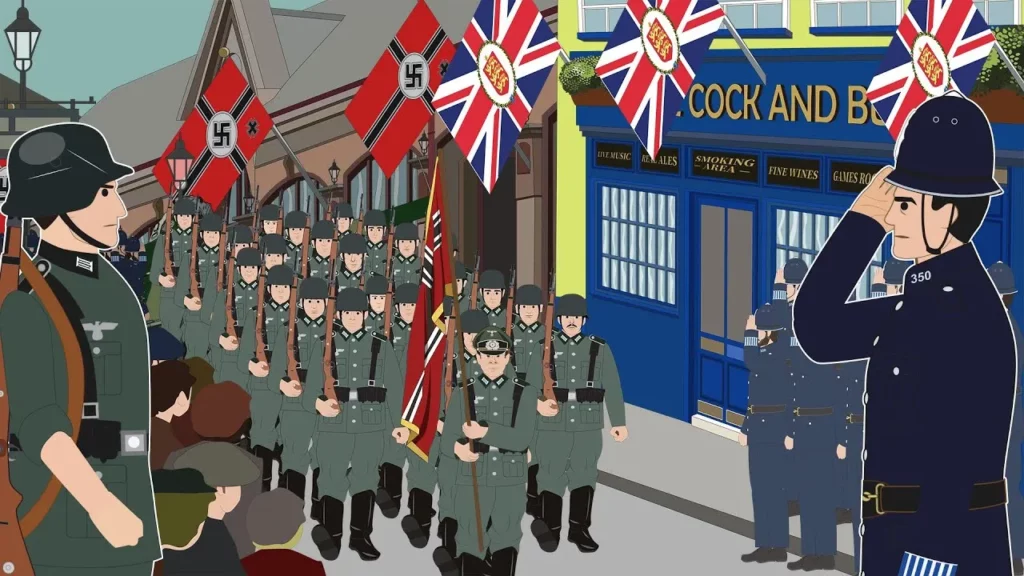
During World War II, a group of policemen in Guernsey, known as the “Robin Hood group,” courageously stole food from German stores to aid their starving community under occupation. Despite their selfless actions leading to their arrest and harsh treatment by German authorities, their legacy is one of bravery and sacrifice, highlighting the complexities of heroism in times of tyranny. This lesson emphasizes the importance of standing up for what is right, even at great personal risk, and the need to remember and honor those who acted selflessly in difficult circumstances.