
Inhumane Punishments in History
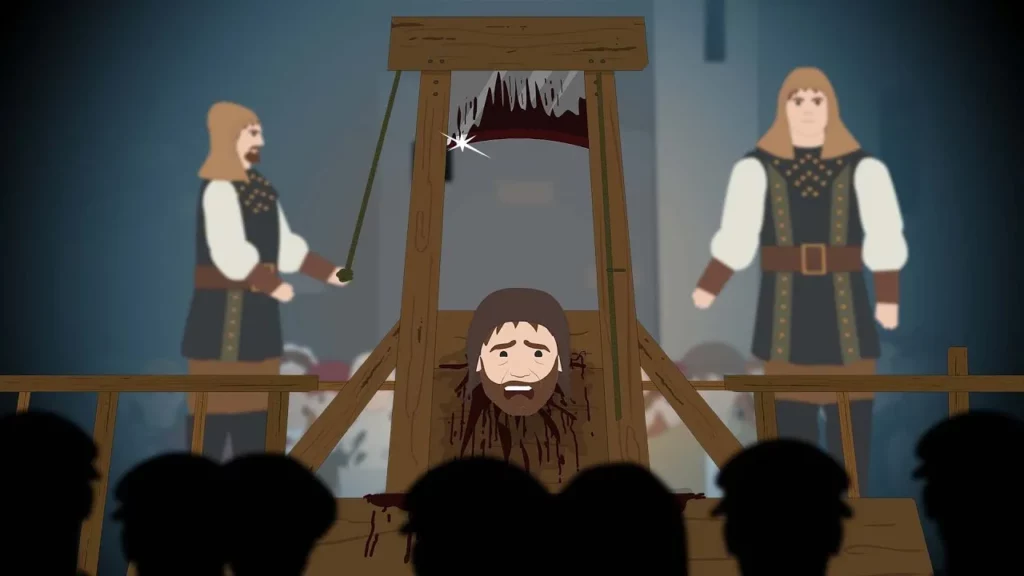
The lesson on “Inhumane Punishments in History” examines the harsh and often brutal methods of punishment used in various societies, such as the pillory, branding, drawing and quartering, and the Iron Maiden. It highlights how these practices were intended to maintain order and instill fear, reflecting the societal values of their time. The lesson concludes by emphasizing the evolution of punishment towards more humane approaches, particularly following the Enlightenment, and the importance of learning from history to promote fair and just legal systems today.
The Iranian Embassy Siege (Full Documentary)
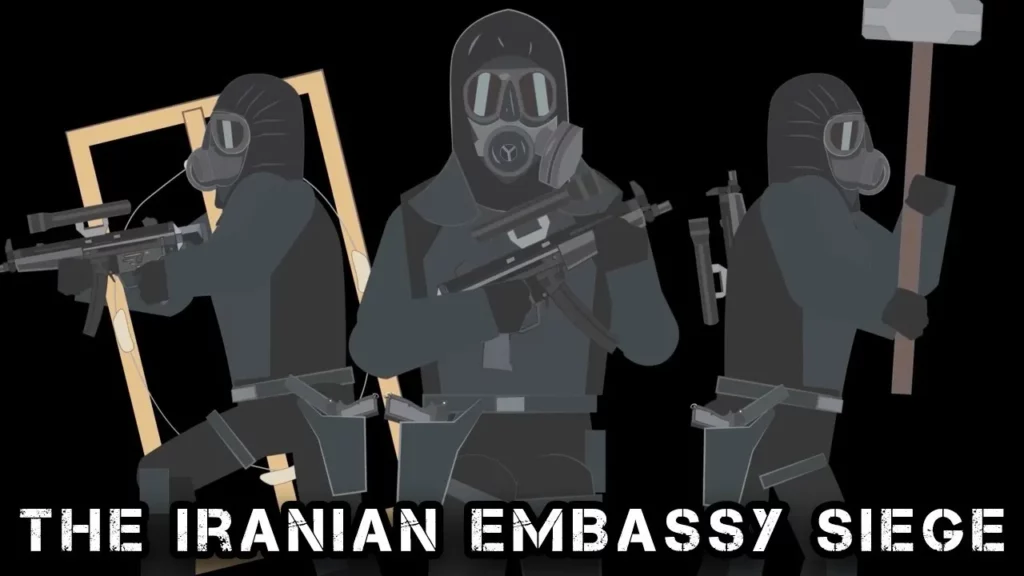
Operation Nimrod was a significant hostage rescue mission conducted by the British Special Air Service (SAS) on May 5, 1980, at the Iranian Embassy in London, where six terrorists had taken 26 hostages. After five days of escalating tension and negotiations, the SAS executed a swift assault that resulted in the elimination of five terrorists, the capture of one, and the rescue of 19 hostages, although two hostages tragically lost their lives during the crisis. This operation not only showcased the effectiveness of the SAS in counter-terrorism but also heightened public interest in joining the elite unit.
Were there Soviet troops in the Vietnam War?

The lesson explores the Soviet Union’s involvement in the Vietnam War, highlighting that while they supported North Vietnam significantly, they did not send combat troops. Instead, the Soviets provided military equipment, training, and intelligence support, becoming the largest backer of North Vietnam by the late 1960s, in contrast to the direct military engagement of the United States. This strategic approach allowed the Soviets to assist North Vietnam while maintaining the appearance of limited involvement in the conflict.
How You Survived the Real Battle Royale in History – Nazino Island (1933)
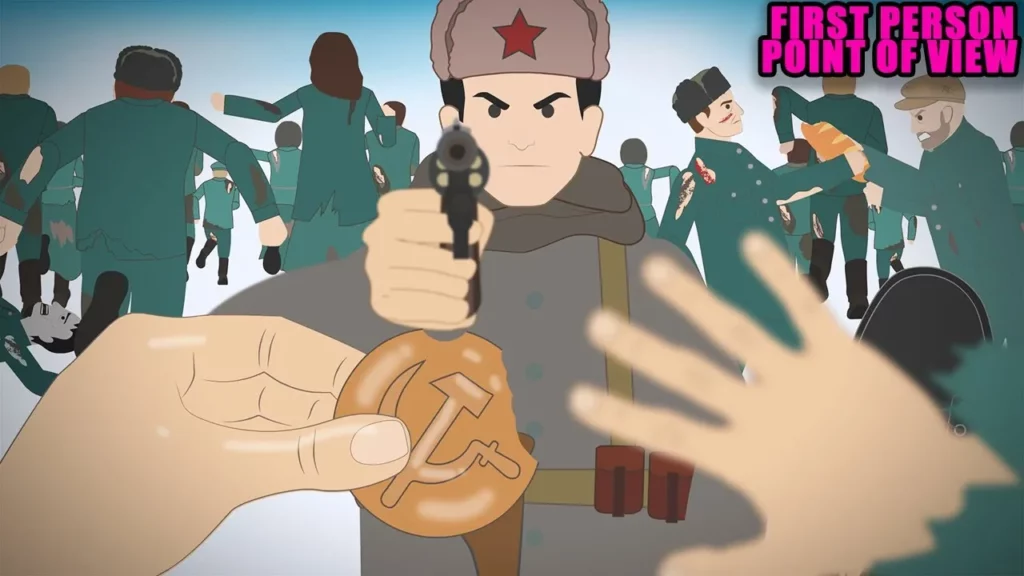
The lesson on Nazino Island (1933) explores the harrowing experiences of thousands who were forcibly relocated to a desolate Siberian island under Stalin’s regime, highlighting the extreme challenges they faced in survival. It emphasizes the themes of resilience, resourcefulness, and the dire consequences of inadequate planning and support in crisis situations, while also drawing parallels to modern survival scenarios. Ultimately, the tragedy serves as a poignant reminder of the importance of empathy, community, and ethical considerations in the face of human suffering.
How to Survive the Spanish Flu (1918-20)

The lesson explores the experiences of individuals during the Spanish Flu pandemic of 1918-20, highlighting the unexpected dangers that arose after World War I and the challenges faced in combating the illness. It emphasizes the importance of recognizing the flu’s severity, practicing hygiene, and avoiding crowded places, while also noting the limitations of medical knowledge and treatments available at the time. Ultimately, it illustrates resilience through the story of Walt Disney, who survived the outbreak and went on to achieve remarkable success.
How do Soldiers Stay Clean in Battle?

The lesson explores the historical and modern significance of hygiene in military operations, highlighting how personal cleanliness has influenced the outcomes of battles and the health of soldiers. From Alexander the Great’s unusual order to shave his troops to contemporary practices that emphasize sanitation and disease prevention, the lesson underscores that maintaining hygiene is crucial for operational effectiveness and soldier well-being. It details various hygiene practices, including personal care, oral hygiene, and waste management, which are essential for preventing disease and ensuring that soldiers remain combat-ready.
The Biscari Massacre, U.S. War Crime (World War II)

The Biscari Massacre, occurring on July 14, 1943, during the Allied invasion of Sicily, represents a troubling episode in World War II where American troops executed Italian and German prisoners of war. Prompted by Lieutenant General Patton’s aggressive rhetoric, the actions of soldiers from the inexperienced 180th Infantry Regiment led to significant war crimes, resulting in a trial that ultimately highlighted the moral complexities and accountability issues in wartime leadership. This incident serves as a critical reminder of the ethical dilemmas faced in conflict and the importance of learning from history to prevent future atrocities.
The Most EPIC Party in History
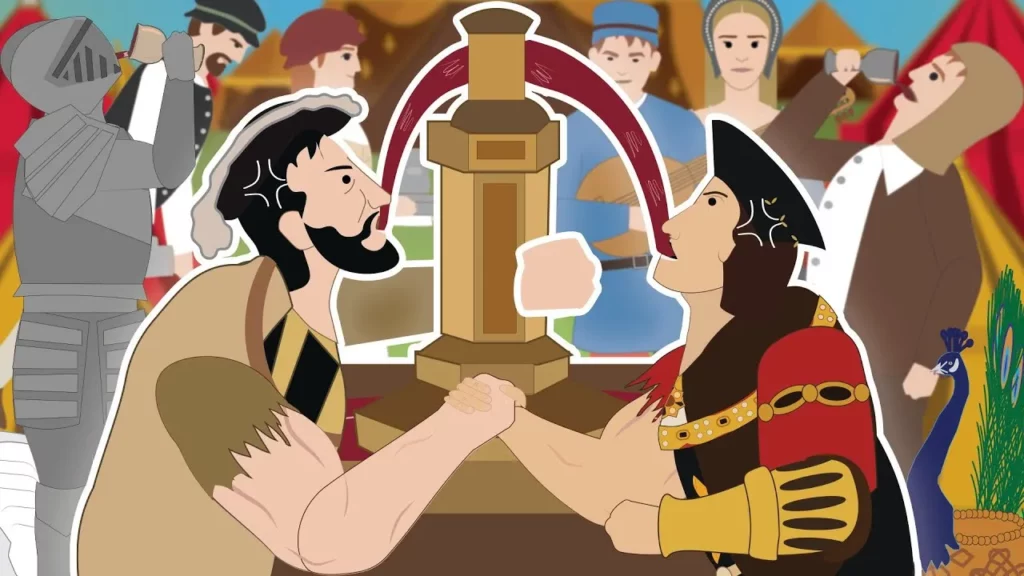
The Field of the Cloth of Gold, held from June 7 to 24 in 1520, was an extravagant diplomatic event organized by Kings Henry VIII of England and Francis I of France to foster peace following a history of conflict. This grand gathering featured lavish displays of wealth, including a temporary palace and endless feasts, while both kings engaged in friendly competitions to showcase their prowess. Despite its initial success in promoting diplomacy, the event ultimately highlighted the ongoing rivalries between the two nations, setting the stage for future conflicts.
Did Stock Brokers Jump off Buildings during the 1929 Stock Market Crash?

The lesson explores the 1929 stock market crash, a pivotal event that led to the Great Depression, highlighting the initial economic boom followed by a devastating collapse. While the myth of stock brokers jumping off buildings symbolizes the despair of the era, it is largely exaggerated; although there were tragic individual cases of suicide, the majority of people faced the crisis with resilience and determination to rebuild their lives. Ultimately, the lesson emphasizes the importance of understanding historical events accurately while recognizing the human stories behind them.
Convicts Recruited into the Russian Army

The lesson discusses the Russian military’s recent strategy of recruiting convicts to address personnel shortages, highlighting both the potential benefits and challenges of this approach. While it may provide a solution for increasing troop numbers and offer rehabilitation opportunities for convicts, concerns about discipline, trust, and ethical implications arise. Historical precedents suggest that successful integration relies on clear incentives and effective training, emphasizing the need for careful implementation and monitoring of this strategy.