
Shield Tactics used by Warriors & Cops

The lesson explores the historical significance and evolution of shields in warfare and their modern applications in law enforcement. It highlights how ancient tactics, such as the phalanx and testudo formations, have influenced contemporary police strategies, particularly in riot control, where shields are used to create protective barriers and manage crowds effectively. Despite advancements in technology, the core principles of shield use remain relevant, showcasing the lasting impact of historical military innovations on modern policing.
Why did Soldiers use guns from home or captured weapons?

The lesson explores the historical significance of personal and captured weapons among soldiers, emphasizing their role in identity and survival throughout various conflicts, particularly in World War II and the Vietnam War. Soldiers often preferred their personal firearms over standard-issue weapons, and despite regulations, many found ways to use these weapons or captured enemy firearms in combat. The evolution of military regulations has since restricted the use of non-government-issued weapons, reflecting a shift in the relationship between soldiers and their tools of war.
Shotgun Boobytrap that got House Owners SUED by Burglars
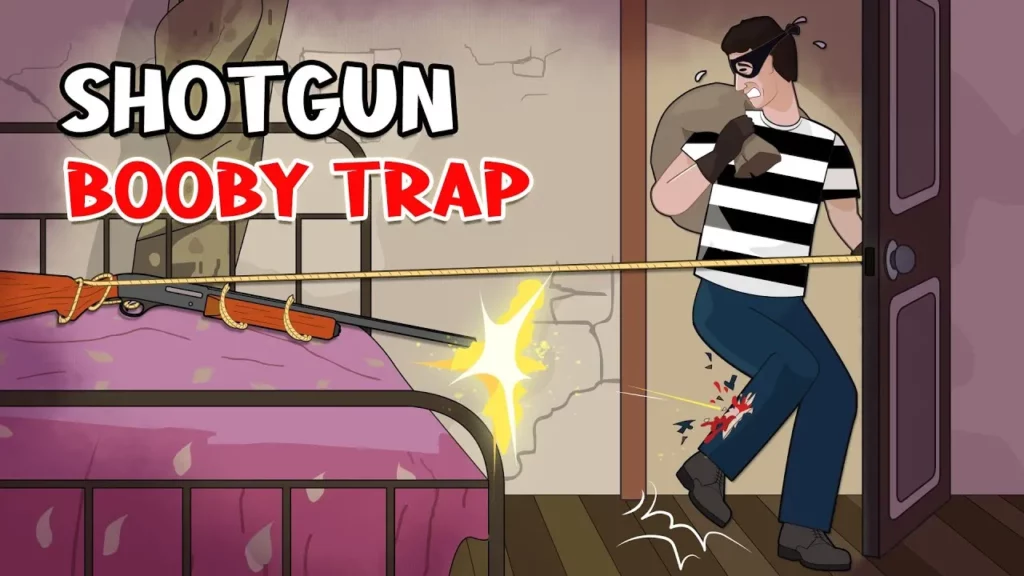
The case of Edward and Bertha Briny highlights the legal complexities surrounding property rights and self-defense after Edward set a shotgun booby trap in their unoccupied home, injuring burglar Marvin Catco. Despite being a victim of repeated break-ins, the Brinys were held liable for Catco’s injuries, as the law prioritizes human safety over property protection, ultimately leading to a landmark ruling that underscores the importance of legal and ethical standards in self-defense measures. This case serves as a cautionary tale about the potential consequences of taking extreme actions to safeguard one’s property.
How Did this Surgeon Kill 3 People in 1 Operation?

Robert Liston was a pioneering surgeon known for his remarkable speed and skill, achieving a record amputation time of just 25 seconds. Despite his impressive low mortality rate of 15 percent, he became infamous for a single operation that resulted in a 300 percent mortality rate, where he accidentally amputated a student’s fingers and caused the deaths of both the patient and the student, as well as a senior surgeon who died from shock. Liston’s legacy, marked by significant contributions to surgical medicine, underscores the evolution of medical practices and the importance of learning from historical challenges.
Sentry Duty (World War I)
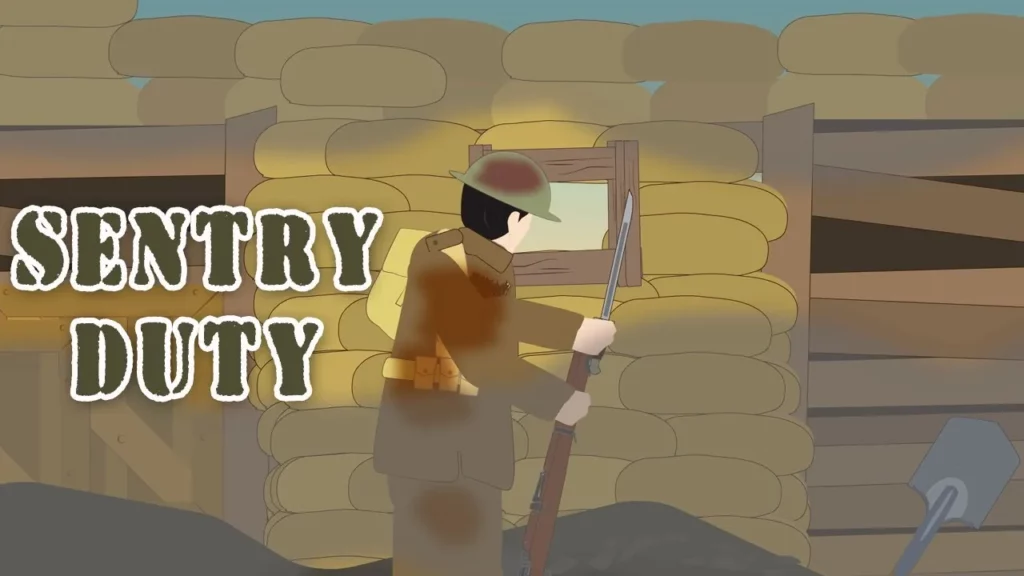
Sentry duty during World War I was a crucial responsibility for soldiers stationed in the trenches, requiring constant vigilance to detect enemy movements and alert their comrades to potential threats. Despite the monotony and exhaustion associated with long shifts, sentries played a vital role in ensuring the safety of their units, allowing other soldiers to rest while remaining prepared for surprise attacks. This demanding task underscored the importance of alertness and teamwork in the harsh realities of trench warfare.
The Treaty that Prevents Russia from Destroying Europe (NATO Article 5)
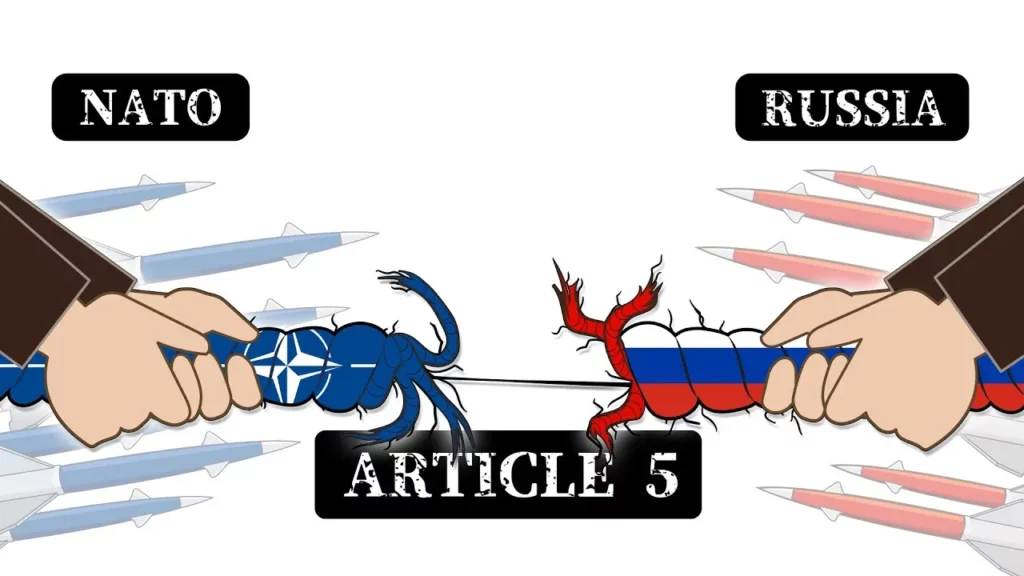
The lesson on NATO’s Article 5 highlights its fundamental role in collective defense, asserting that an attack on one member is an attack on all, a principle established in the aftermath of World War II to counter Soviet threats. It discusses the historical context of NATO’s formation, the invocation of Article 5 following the 9/11 attacks, and the alliance’s evolving strategies to address contemporary challenges, including cyber threats and Russian aggression. As global tensions continue to rise, NATO remains committed to adapting its defense capabilities to ensure the security of its member nations.
The B-21, America’s Ultimate WW3 Deterrent

The B-21 Raider, America’s first new bomber of the 21st century, has been unveiled as a crucial component of the U.S. Air Force’s strategy to enhance military capabilities and deter potential threats, particularly from China’s expanding nuclear arsenal. With advanced features such as stealth technology, long-range strike capabilities, and the ability to operate autonomously, the B-21 is designed for long missions and is expected to play a significant role in maintaining U.S. military strength amidst global security challenges. The program, which has remained within budget, reflects a broader $1 trillion initiative to modernize the U.S. nuclear deterrent and ensure national defense.
Who is Putin?
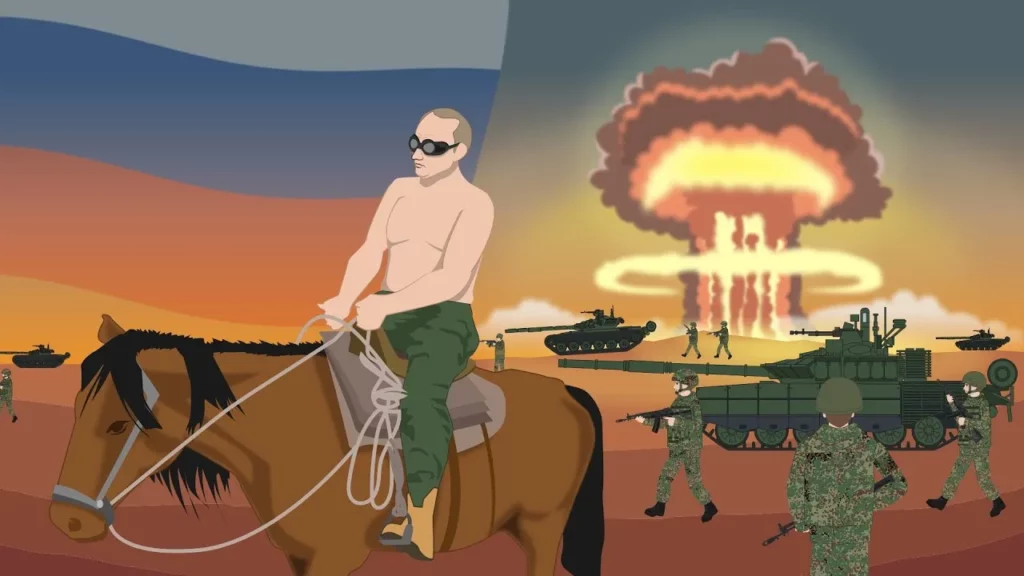
The lesson outlines the life and political journey of Vladimir Putin, highlighting his rise from a law student and KGB officer to a prominent global leader. It details his early political involvement in Leningrad, his ascent to national prominence under Boris Yeltsin, and his consolidation of power through strategic political maneuvers, including the annexation of Crimea and involvement in international conflicts. Putin’s leadership has significantly impacted Russia’s domestic policies and its relations with the world, shaping the current geopolitical landscape.
The Pony Express (1860-61)
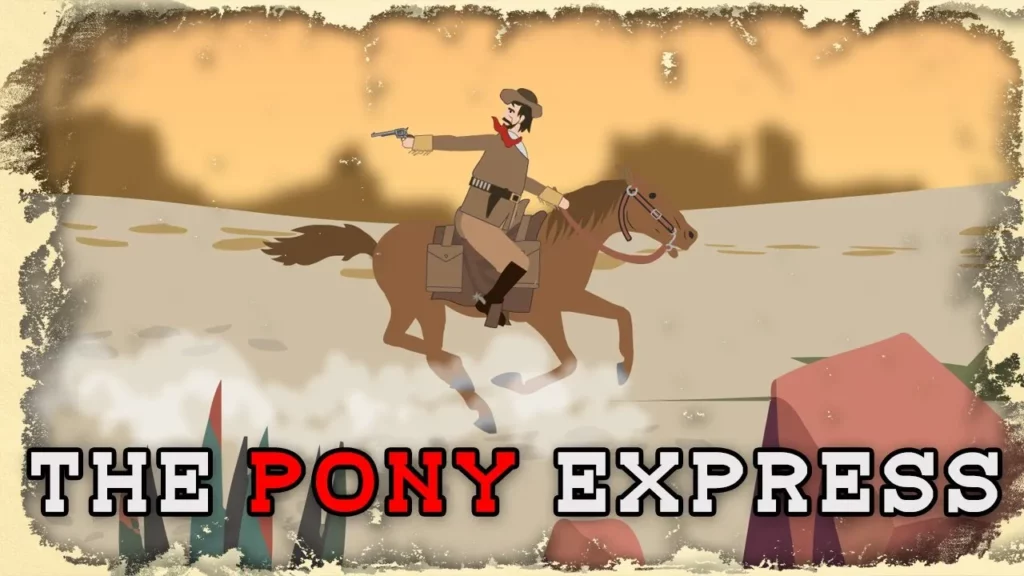
The Pony Express, operational from 1860 to 1861, was a groundbreaking mail delivery service that utilized a relay system of horse-mounted riders to transport letters across the vast and challenging terrain of the United States. Despite its short lifespan of just 18 months, during which it delivered over 35,000 letters, the Pony Express became a symbol of adventure and determination, ultimately succumbing to the advent of the telegraph and the disruptions of the Civil War. Its legacy endures as a romanticized chapter in American history, highlighting the commitment and bravery of its young riders.
The Fighter Ace who Downed 11 planes in a Single Day
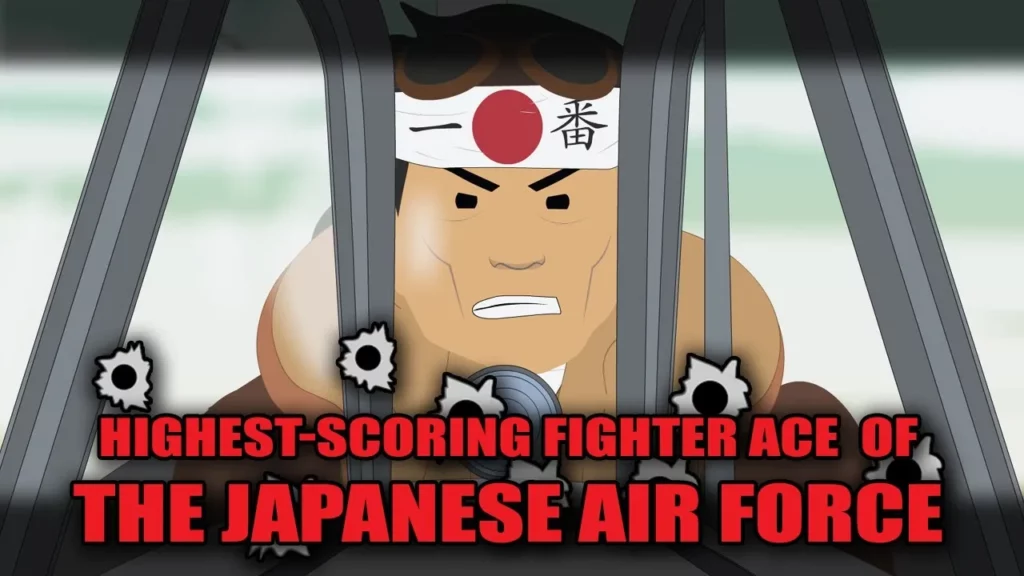
The lesson recounts the remarkable achievements of Warrant Officer Hiromichi Shinohara during the 1939 aerial battles over Tomsk, part of the Soviet-Japanese border conflict. On June 27, Shinohara shot down 11 enemy aircraft in a single day, establishing himself as a legendary fighter ace with a total of 58 aerial victories before his untimely death at the age of 26. His legacy highlights the intense and often overlooked conflicts that preceded World War II, as well as the high stakes and personal sacrifices of pilots during this tumultuous period.