
Creeping Barrage (Military Tactic)
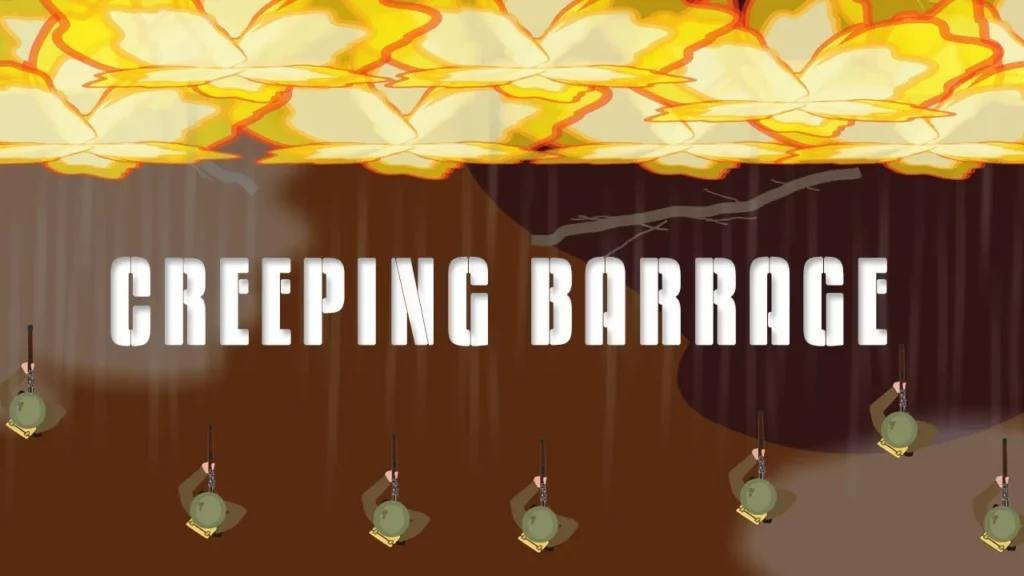
The creeping barrage was a revolutionary artillery tactic developed during World War I to support infantry advances by providing cover through a gradual artillery fire. Initially implemented by the British during the Battle of the Somme, it faced challenges in coordination and execution, leading to mixed results; however, it was successfully utilized by Canadian forces at Vimy Ridge. Although the tactic saw a decline after the war due to advancements in communication technology, it remains a notable innovation in military strategy.
Why were sailors so unhealthy?

The lesson explores the health challenges faced by sailors from the 16th to the 18th century, particularly the prevalence of scurvy due to a poor diet lacking in vitamin C. Despite various ineffective remedies, the breakthrough came in 1747 when Dr. James Lind linked scurvy to diet, and later, in 1793, the successful implementation of lemon juice as a preventive measure by the Royal Navy significantly reduced the disease among sailors. This historical insight highlights the importance of nutrition in maintaining health during long sea voyages.
The 5 Largest Armies in the World
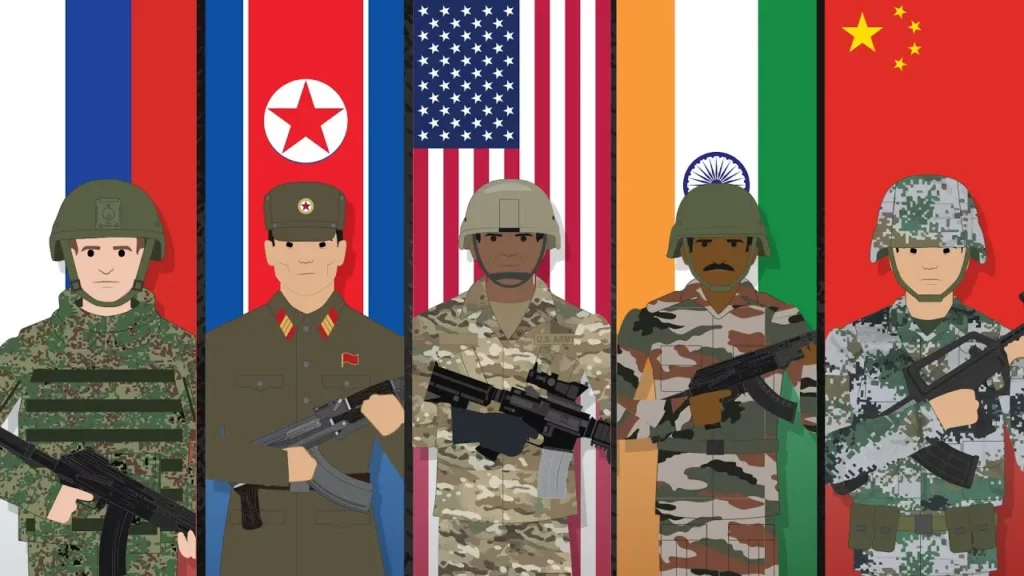
The lesson outlines the five largest armies in the world, highlighting their active personnel, military capabilities, and budgets. The Chinese People’s Liberation Army leads with approximately 2 million active soldiers, followed by India’s 1.45 million, the U.S. with 1.39 million, North Korea at 1.2 million, and Russia with 1.014 million. Each military has unique strengths and modernization efforts, reflecting the ongoing global military dynamics and the influence of these powers on international security.
Improvised Samurai Weapons: the Kiseru (Pipe)
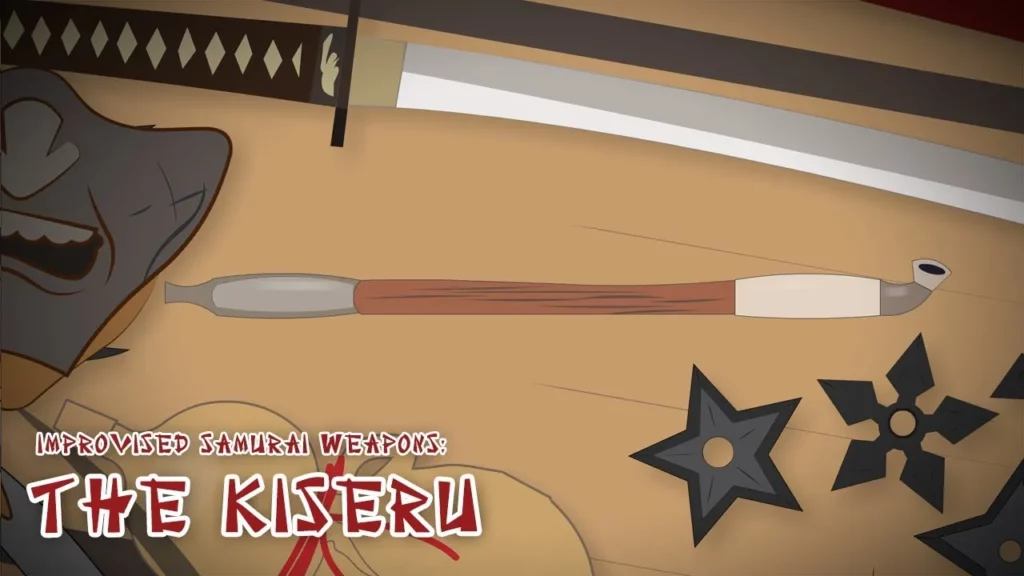
The lesson explores the kiseru, a traditional Japanese tobacco pipe that served not only as a smoking tool but also as an improvised weapon for both samurai and commoners. During the Edo period, the kiseru evolved into a status symbol and, in its combat forms like the kenkakiseru and tachi-kiseru, provided a means of self-defense when swords were unavailable. As societal changes led to the decline of the kiseru’s practical use, it became a cultural artifact, highlighting the adaptability of everyday objects in Japanese history.
Why were SAS Land Rovers Painted Pink?
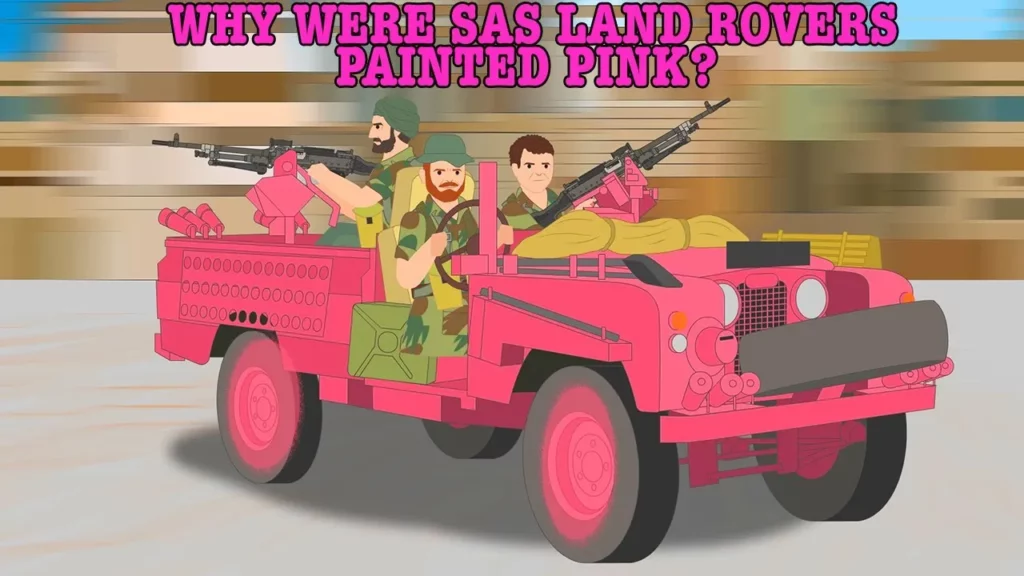
The lesson explores the significance of the pink-painted Land Rovers used by the British Special Air Service (SAS) during their operations, particularly in Oman from 1970 to 1977. The distinctive sand pink color, originally developed during World War II for camouflage in desert environments, allowed these vehicles to blend into their surroundings effectively, earning them the nickname “Pink Panther.” Although the pink Land Rovers were eventually phased out in favor of newer models, their legacy continues within the SAS.
The Actress kidnapped by Kim Jong il and forced to make movies (Strange Stories)

The lesson recounts the extraordinary story of Choi Eun-hee, a South Korean actress kidnapped by Kim Jong-il in 1978 to bolster North Korea’s film industry. Despite her luxurious isolation and forced filmmaking under Kim’s regime, Choi and her ex-husband, Shin Sang-ok, ultimately escaped during the 1986 Berlin Film Festival, highlighting their resilience and the darker side of artistic ambition in a totalitarian state. Their experiences underscore the intersection of art, propaganda, and human endurance.
The Volkswagen Beetle and its Dark origins
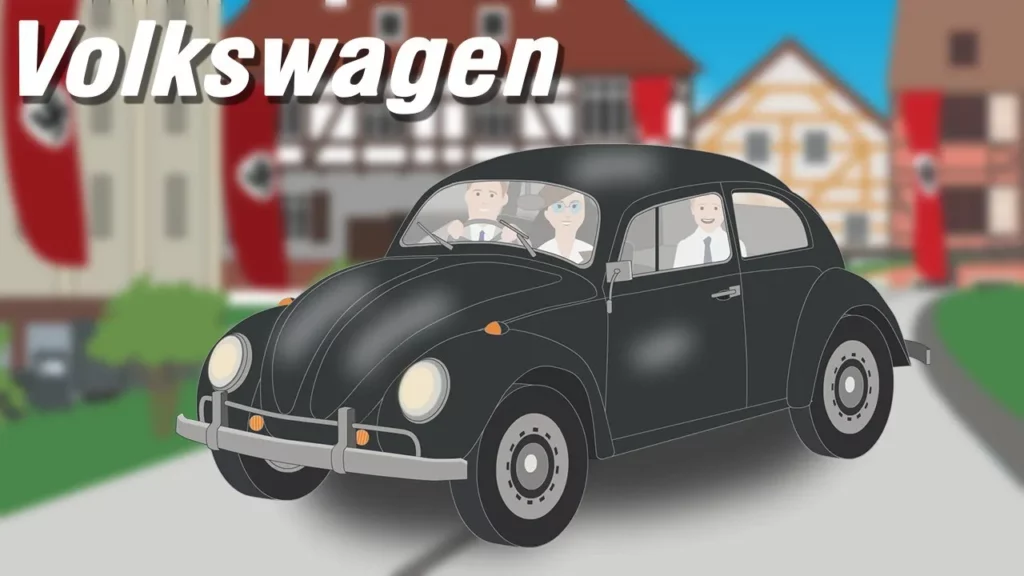
The lesson explores the origins of the Volkswagen Beetle, which was conceived in the 1930s as an affordable and practical car for the masses. Designed by Ferdinand Porsche and produced in a factory built in Germany, the Beetle faced challenges during wartime but ultimately contributed to Germany’s post-war economic recovery. Today, it stands as a symbol of accessible transportation and a significant milestone in automotive history.
Punishments in the Congo Free State under Leopold II
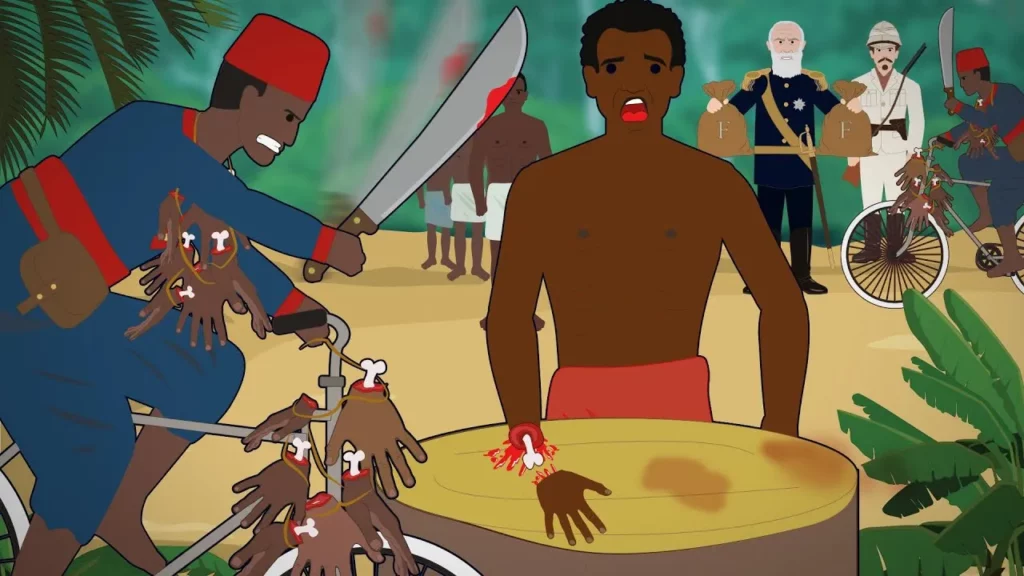
The lesson on punishments in the Congo Free State under King Leopold II highlights the severe exploitation and brutal treatment of the local population from 1885 to 1908, driven by the extraction of resources like rubber and ivory. The implementation of a harsh system of punishments, including physical violence and mutilation, aimed to enforce impossible labor quotas, resulting in millions of deaths and significant social disruption. This dark chapter in history underscores the necessity of international oversight and ethical governance to prevent abuses of power, lessons that remain pertinent in contemporary discussions on human rights.
When a US Marine Survived a LIVE RPG in his Leg
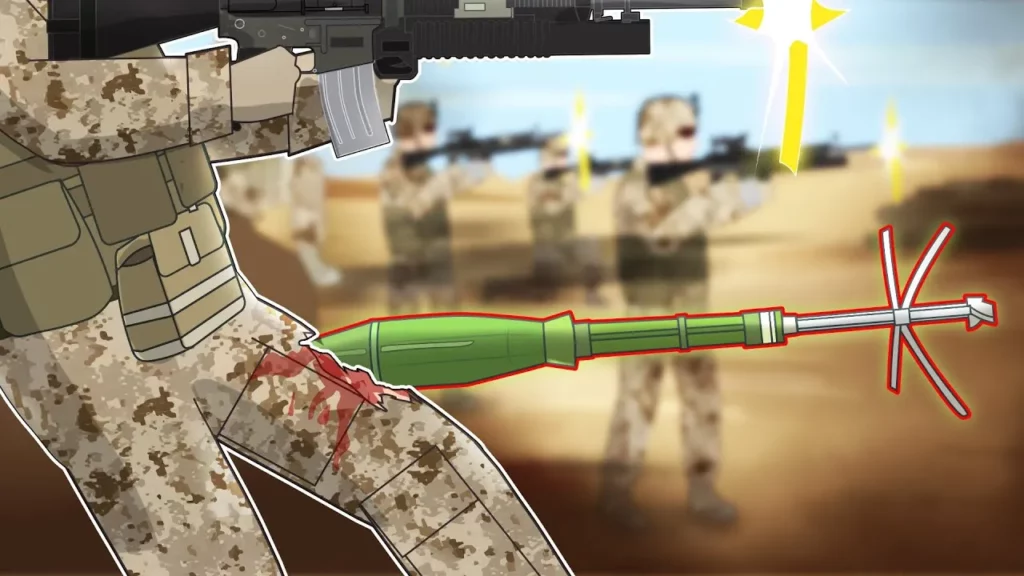
The lesson recounts the harrowing experience of U.S. Marine Lance Corporal Winder Perez, who survived after an unexploded rocket-propelled grenade (RPG) became lodged in his leg during a medical evacuation mission in Afghanistan. The incident underscores the bravery and teamwork of military personnel, particularly the quick decision-making and coordinated efforts of the medevac crew, which ultimately saved Perez’s life despite the immense risks involved. This story exemplifies the dedication and professionalism of those in the armed forces, highlighting their commitment to ensuring the safety of their comrades in life-threatening situations.
How did people try to ‘cure’ the Plague? (Flagellants)

The lesson explores the historical context and responses to the Black Death, a devastating outbreak of the bubonic plague in 14th-century Europe. It highlights the misconceptions about the disease’s transmission, the desperate measures people took, such as the flagellant movement, and the eventual decline of the plague due to improved sanitation and environmental factors, rather than the self-punishment practices. This examination underscores the importance of scientific understanding in addressing health crises.