
Gunslingers of the Wild West
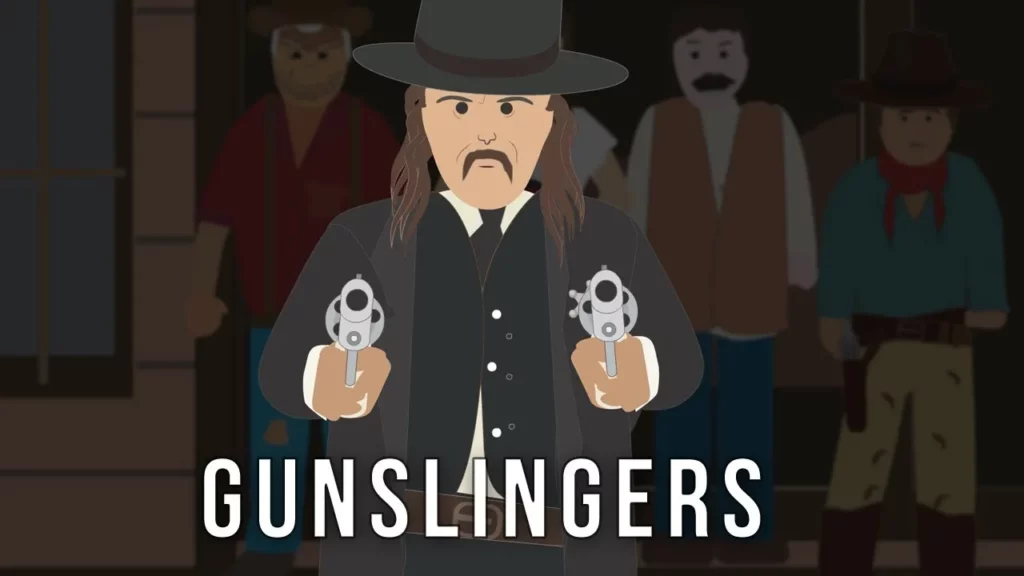
The lesson “Gunslingers of the Wild West” explores the tumultuous period between 1850 and 1890, characterized by minimal law enforcement and the prevalence of gunmen, both outlaws and lawmen. It highlights notable figures such as Wild Bill Hickok, Billy the Kid, Jesse and Frank James, and Wyatt Earp, detailing their infamous exploits and the violent confrontations that defined their legacies in the Old West. These gunslingers became legendary for their quick draw and deadly accuracy, shaping the mythos of the American frontier.
Ned Kelly – The Armored Criminal (Strange Stories)
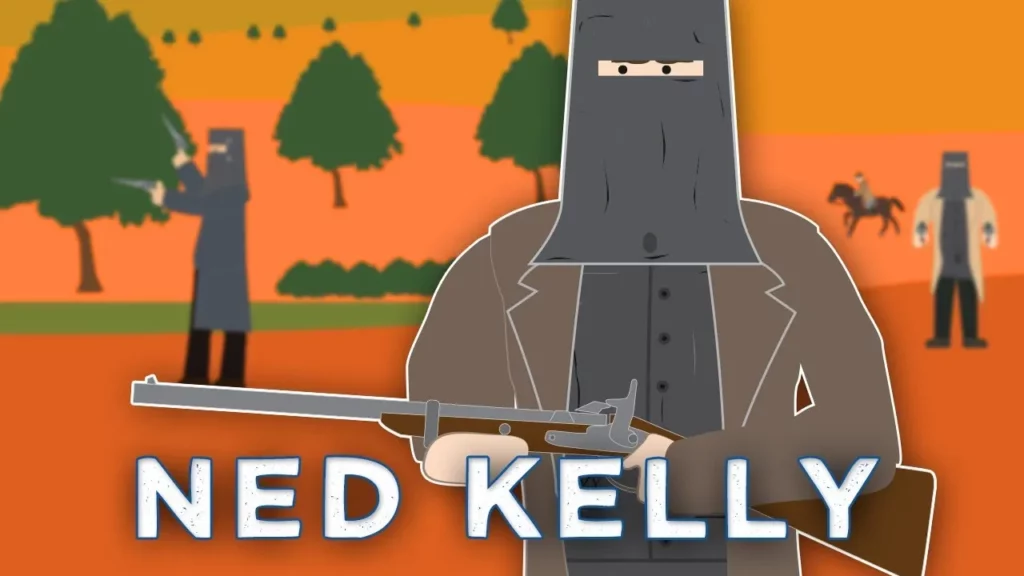
The lesson explores the life of Ned Kelly, a notorious Australian bushranger born in 1855, who became infamous for his criminal activities and the formation of the Kelly Gang. After a series of run-ins with the law, including the murder of police officers, Kelly and his gang crafted makeshift armor for protection during their final standoff with authorities in 1880, which ultimately led to his capture and execution. The lesson also draws a parallel between Kelly’s need for physical protection and the modern necessity of safeguarding personal information online, highlighting tools like ExpressVPN for digital security.
The Cuban Missile Crisis (1962)
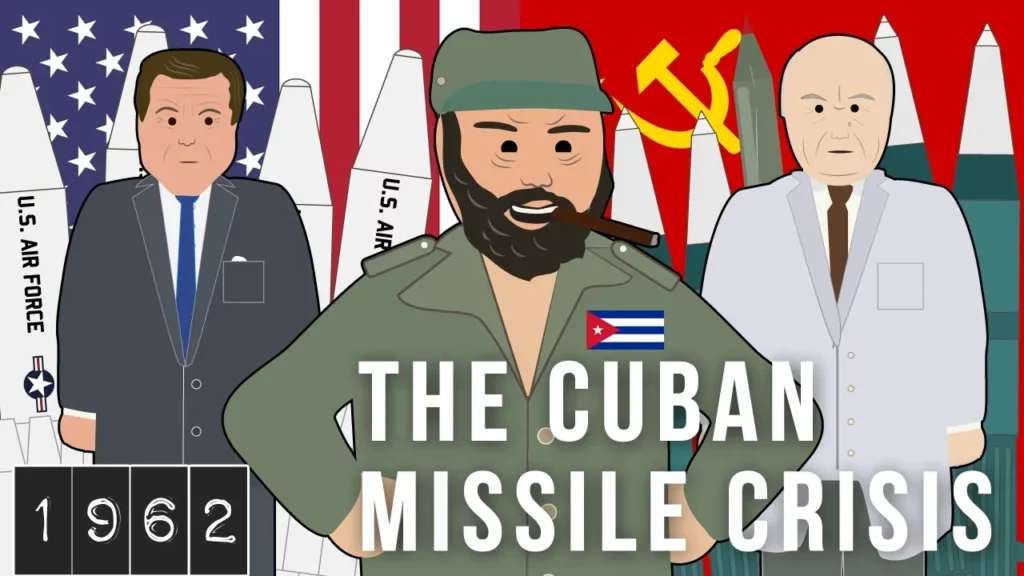
The Cuban Missile Crisis of October 1962 was a pivotal moment in the Cold War, where the United States and the Soviet Union came dangerously close to nuclear conflict due to the placement of Soviet missiles in Cuba. Triggered by previous tensions, including the Bay of Pigs Invasion, the crisis escalated with U.S. surveillance revealing missile sites, leading to a naval quarantine by President Kennedy. Ultimately, through cautious negotiation and communication, the crisis was resolved when Soviet Premier Khrushchev agreed to dismantle the missiles in exchange for a U.S. promise not to invade Cuba, highlighting the critical role of diplomacy in averting disaster.
The Korean War (1950–53)
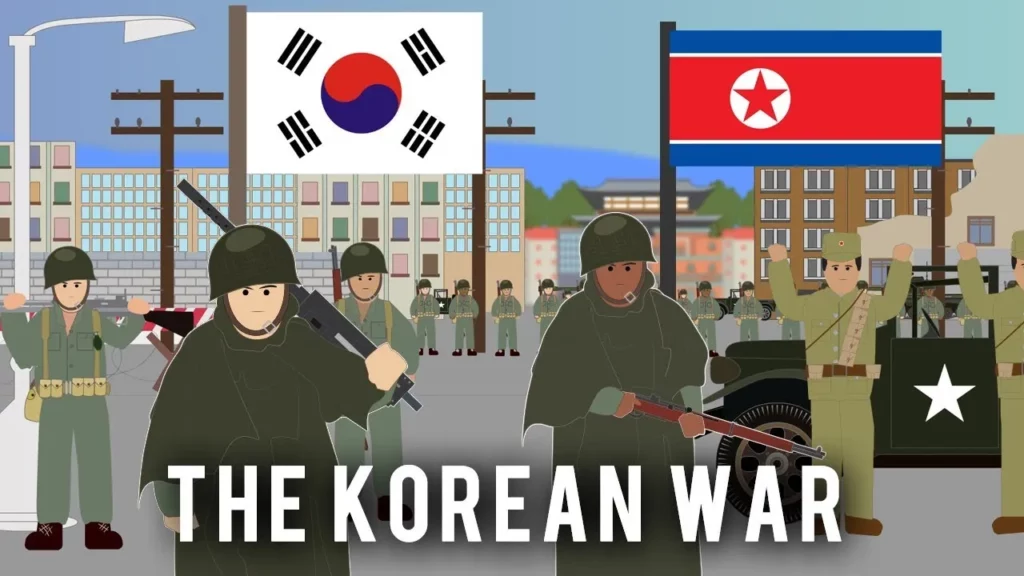
The Korean War (1950–53) emerged from the post-World War II division of Korea into communist North and capitalist South, leading to a surprise invasion by North Korea in 1950. The United States, alongside UN forces, intervened to support South Korea, resulting in a protracted conflict that saw significant international involvement, including Chinese intervention. Ultimately, the war ended in a stalemate with an armistice in 1953, solidifying Korea’s division and underscoring the Cold War tensions between communism and capitalism.
The POW who blinked a secret message on TV
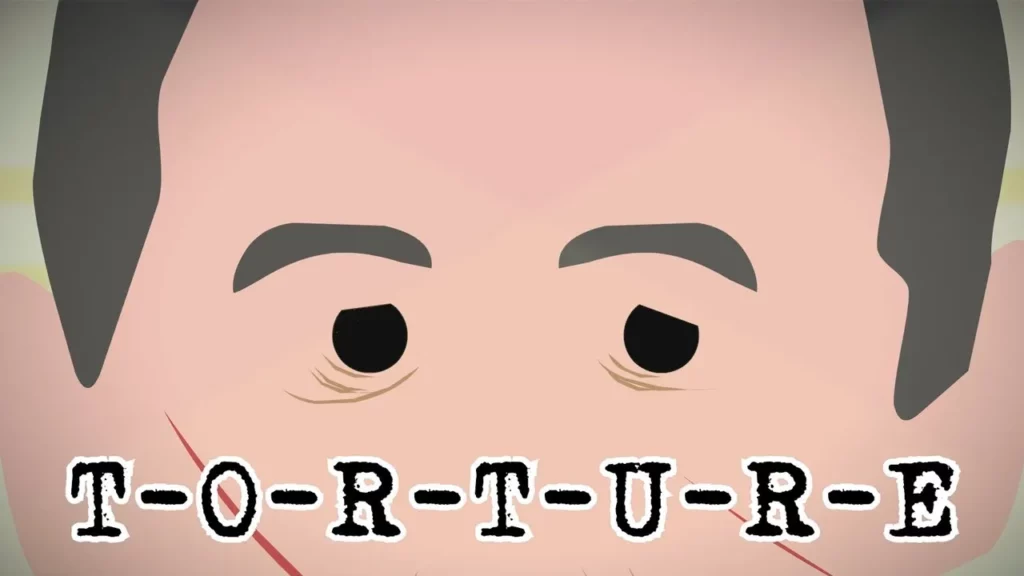
The lesson recounts the harrowing experience of Commander Jeremiah Denton, a U.S. Navy pilot captured during the Vietnam War, who cleverly communicated the word “TORTURE” in Morse code during a staged television interview while being held as a prisoner of war. Despite enduring severe mistreatment and isolation for eight years, Denton’s bravery and leadership shone through, ultimately leading to his release in 1973 and recognition with the Navy Cross for his courage. His actions provided crucial evidence of the inhumane conditions faced by American POWs in North Vietnam.
U.S. Paratrooper (World War II)
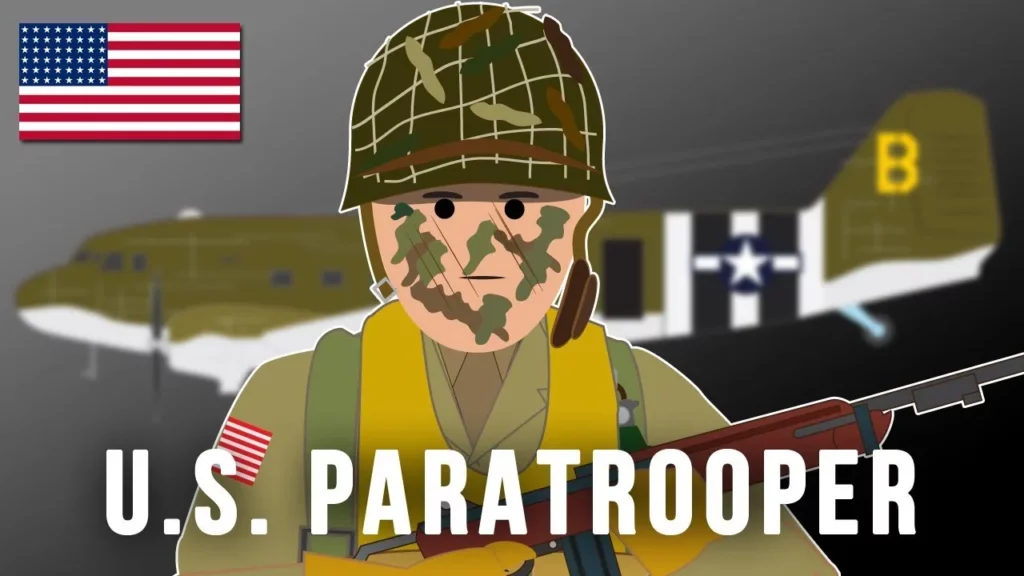
The lesson on U.S. paratroopers in World War II highlights the rapid development and significant contributions of airborne infantry, beginning with the establishment of the first airborne units in 1940 and culminating in their pivotal roles during major operations like D-Day and the Battle of the Bulge. Paratroopers underwent rigorous training and utilized specialized gear and weapons to execute complex missions behind enemy lines, often facing extreme challenges and chaos during combat. Their bravery and effectiveness in various operations not only disrupted enemy forces but also played a crucial role in the overall success of Allied campaigns throughout the war.
Otto von Bismarck (1815–1898) / German Unification
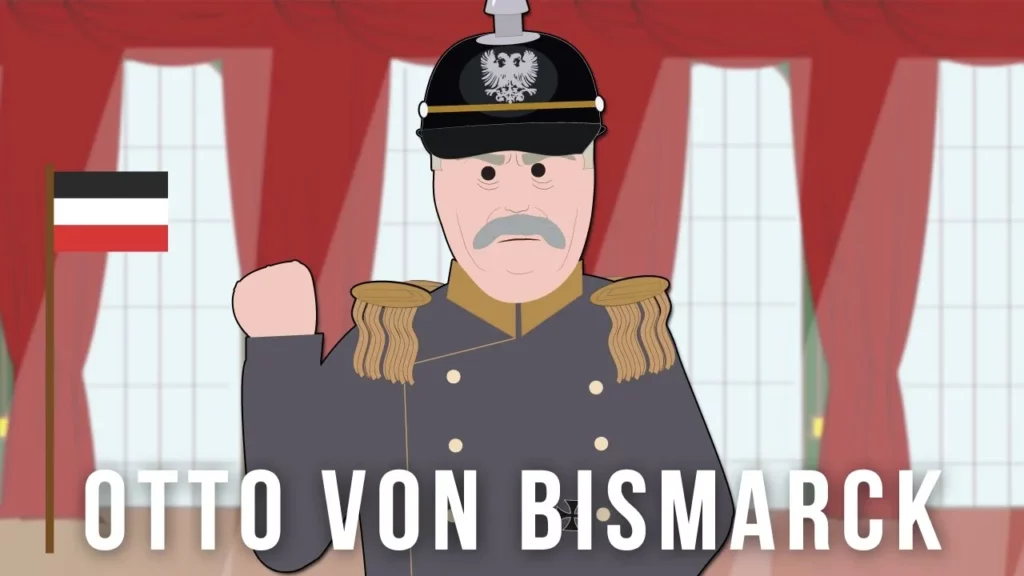
Otto von Bismarck, known as “the Iron Chancellor,” was instrumental in the unification of Germany, transforming a collection of small states into a powerful empire. His strategic diplomacy and military actions, including the Austro-Prussian and Franco-Prussian Wars, facilitated this unification, while his later social reforms established a welfare state that influenced modern social security systems. Bismarck’s legacy as a master strategist and statesman endures, shaping the course of German history.
WWI Tanks: Tank Mk I Heavy Tank
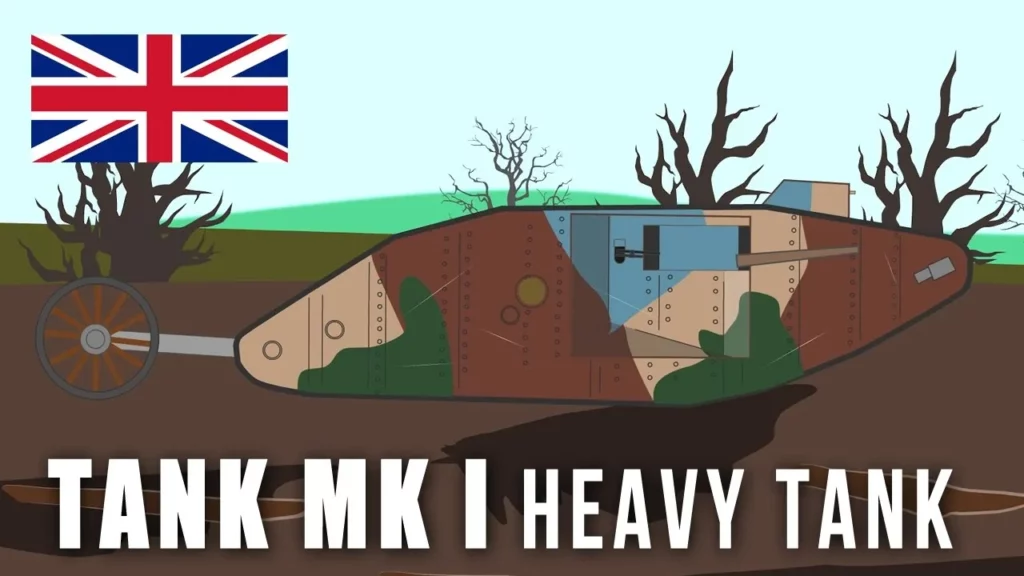
The Tank Mark I was the first heavy tank used in combat during World War I, designed by WG Wilson and based on the prototype “Mother.” Introduced in 1916, it featured a unique high-track design and was armed with 6-pounder guns and machine guns, although its performance was hampered by mechanical issues and battlefield conditions. Despite its initial shortcomings, the Mark I demonstrated the potential of armored warfare, leading to the establishment of the Tank Corps and influencing future tank designs.
The Battle of the Bulge (1944-45)
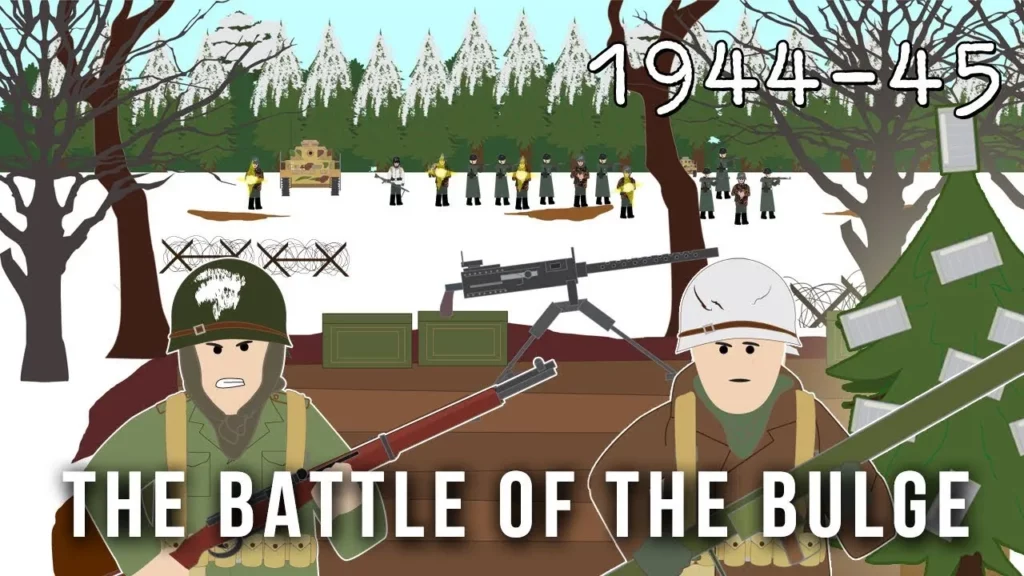
The Battle of the Bulge, fought from December 16, 1944, to January 25, 1945, was a significant World War II confrontation in the Ardennes region of Belgium, where Adolf Hitler launched a surprise offensive against the Allies. Despite initial German successes and the challenging winter conditions, the Allies regrouped and counterattacked, ultimately regaining lost territory and inflicting heavy casualties on German forces. This battle marked a crucial turning point in the war, weakening Germany’s military capabilities and facilitating the Allied advance into Germany.
Harlem Hellfighters (World War I)
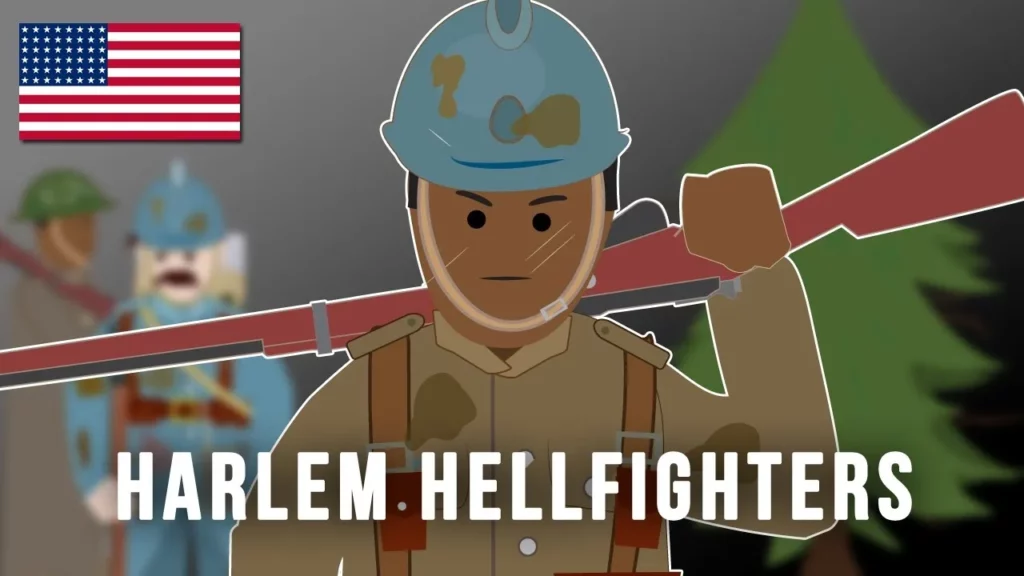
The Harlem Hellfighters, officially the 369th Infantry Regiment, were the first African-American regiment to serve in the American Expeditionary Forces during World War I, demonstrating remarkable bravery and resilience in combat. Under the leadership of Colonel William Hayward, they fought valiantly alongside the French army, participating in key battles such as the Meuse-Argonne Offensive and earning a fierce reputation that led to their nickname, “Hellfighters.” Their contributions not only showcased the capabilities of African-American soldiers but also helped shift perceptions regarding their role in the military, paving the way for future generations.