
How did Neanderthals Hunt Woolly Mammoths?

The lesson explores how Neanderthals effectively hunted woolly mammoths during the Stone Age, highlighting their use of tools and innovative strategies like drive hunting. Initially thought to be primarily scavengers, recent findings reveal that Neanderthals were skilled hunters who competed with early modern humans for large prey. Their advanced hunting techniques and adaptability played a significant role in the decline of mammoth populations, ultimately influencing the evolution of hunting practices in subsequent human societies.
English Longbowman (Medieval Archer)
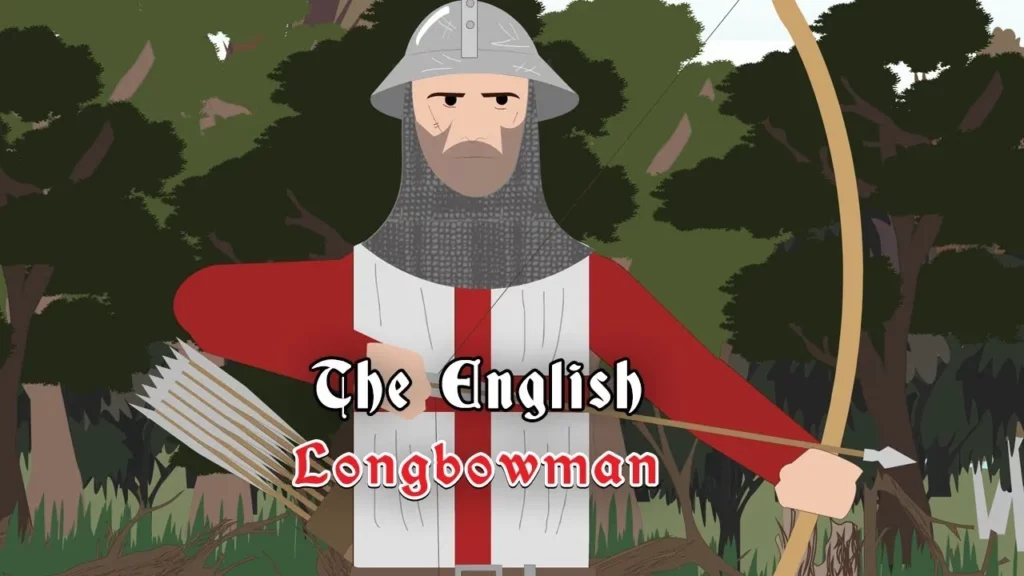
The lesson on the English longbowman highlights the significance of the longbow in medieval warfare, particularly during the 14th and 15th centuries when English and Welsh archers utilized it to achieve remarkable victories in battles like Crécy and Agincourt. Its effective design, requiring extensive training and practice, allowed archers to deliver rapid volleys of arrows, making them a formidable force on the battlefield. Although the longbow eventually declined with the advent of firearms, it remains an iconic symbol in English culture and is still enjoyed in recreational archery today.
The Football war (Weird Wars)
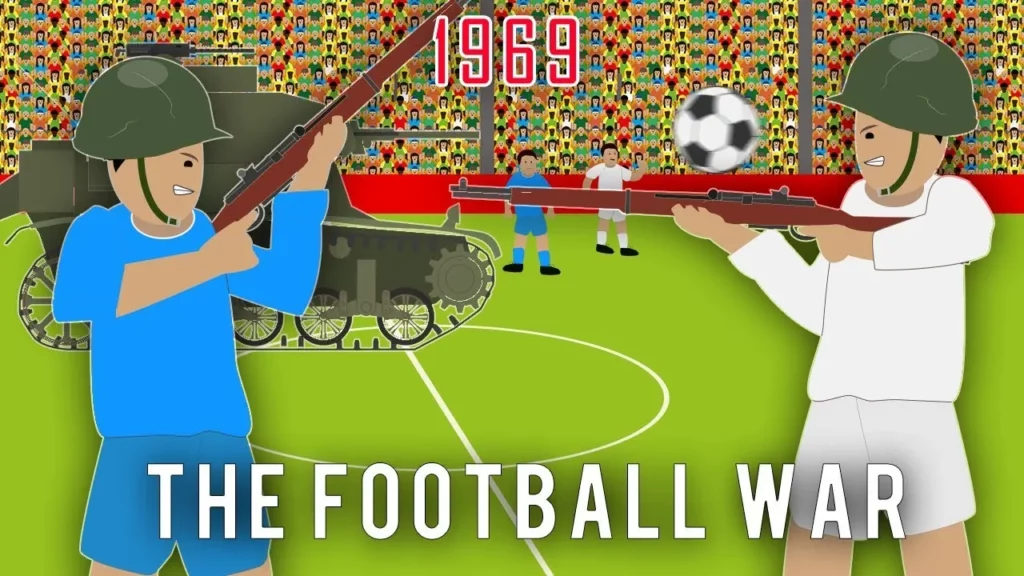
The Football War of 1969 was a brief but intense conflict between El Salvador and Honduras, sparked by rising tensions over land reform and exacerbated by violent incidents during World Cup qualifying matches. Following a series of provocations and escalating violence, El Salvador launched military attacks on Honduras, leading to a four-day war that ended with a ceasefire mediated by the Organization of American States. Although a peace treaty was signed in 1980, the underlying issues between the two nations remained unresolved, leaving many Salvadorans in Honduras facing ongoing discrimination and hardship.
Harries Technique: Accurate Shots in the Dark (Different ways to shoot a gun)
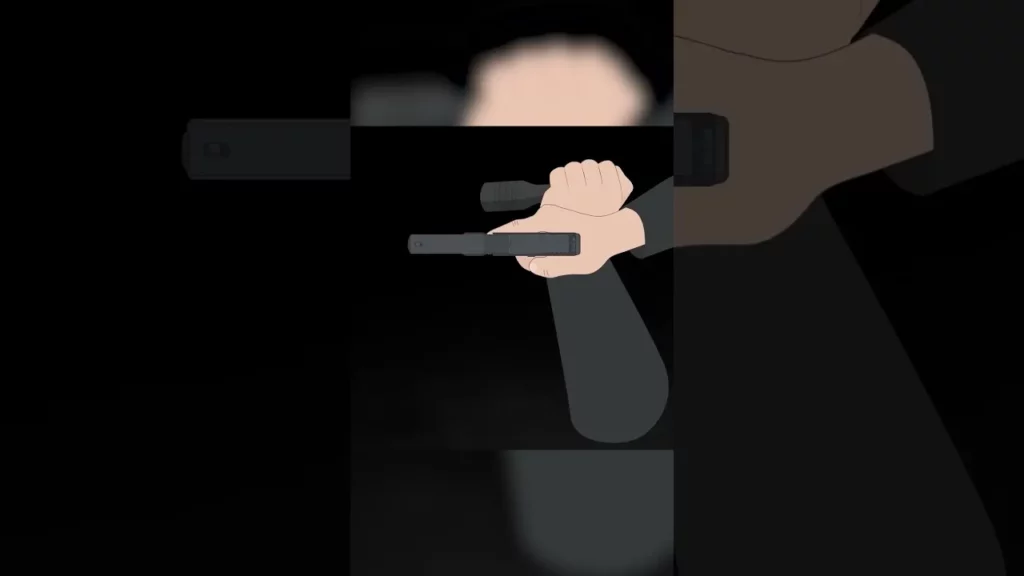
The Harries technique is a method used by law enforcement to effectively shoot in low-light conditions by combining the use of a flashlight and a handgun. By holding the flashlight in the non-dominant hand and creating isometric tension with the dominant hand, shooters can improve stability and accuracy while aiming. This technique not only aligns the flashlight beam with the gun sights for better targeting but also enhances overall firearm proficiency in challenging lighting situations.
Battle of Stalingrad (1942-43)
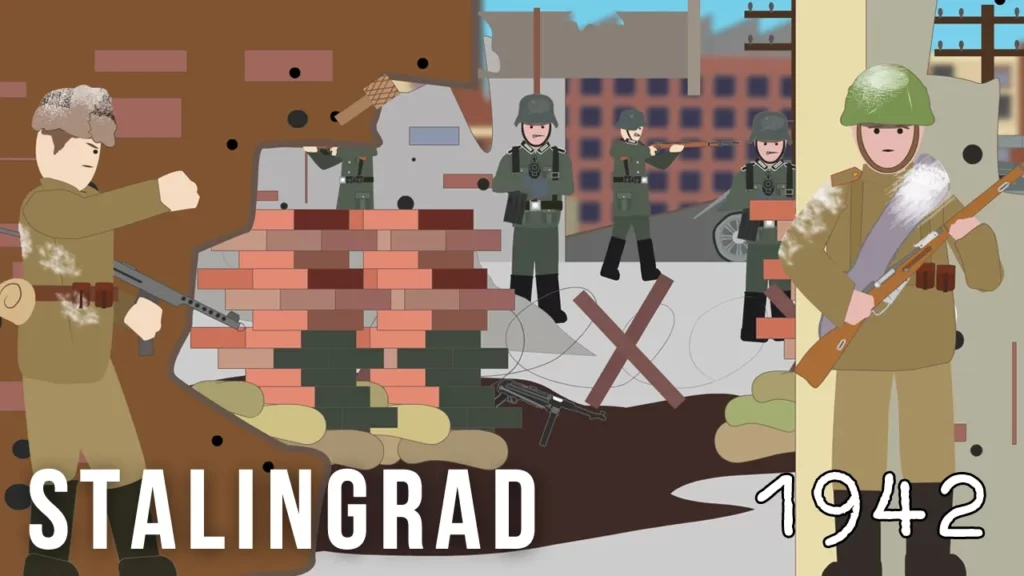
The Battle of Stalingrad, fought from August 23, 1942, to February 2, 1943, was a pivotal confrontation in World War II that marked a significant turning point in the conflict. The Soviet Union’s fierce defense of the city, despite overwhelming German advances and brutal urban warfare, ultimately led to the encirclement and surrender of German forces, severely weakening their military strength and bolstering Soviet morale. This battle exemplified the resilience and determination of the Soviet people, demonstrating their commitment to defending their homeland against formidable odds.
Australian Penal Colonies

The lesson discusses the establishment of penal colonies in Australia as a solution for Britain’s overcrowded prisons following the American War of Independence. Convicts were sent to Australia for various crimes, and upon arrival, they were assigned work based on their skills, contributing to the development of the colonies. The harsh conditions, strict discipline, and interactions with Aboriginal people shaped the experiences of both convicts and free settlers during this period, which lasted from 1788 to 1868.
Infantry weapons of WWII
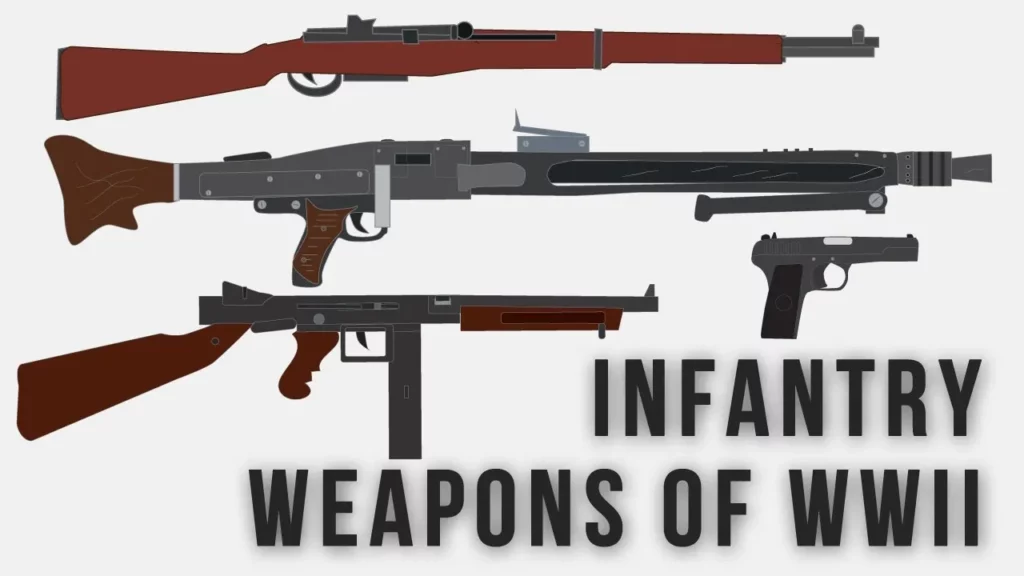
The lesson on Infantry Weapons of WWII highlights the significant advancements and variety of firearms used by soldiers during the conflict. It covers key categories such as bolt-action and semi-automatic rifles, machine guns, submachine guns, assault rifles, handguns, and specialized weapons like flamethrowers and anti-tank devices, illustrating how these innovations shaped warfare tactics and outcomes. The discussion encourages reflection on the historical impact of these weapons and invites further exploration of their roles in the war.
Carrier Pigeons (World War I)
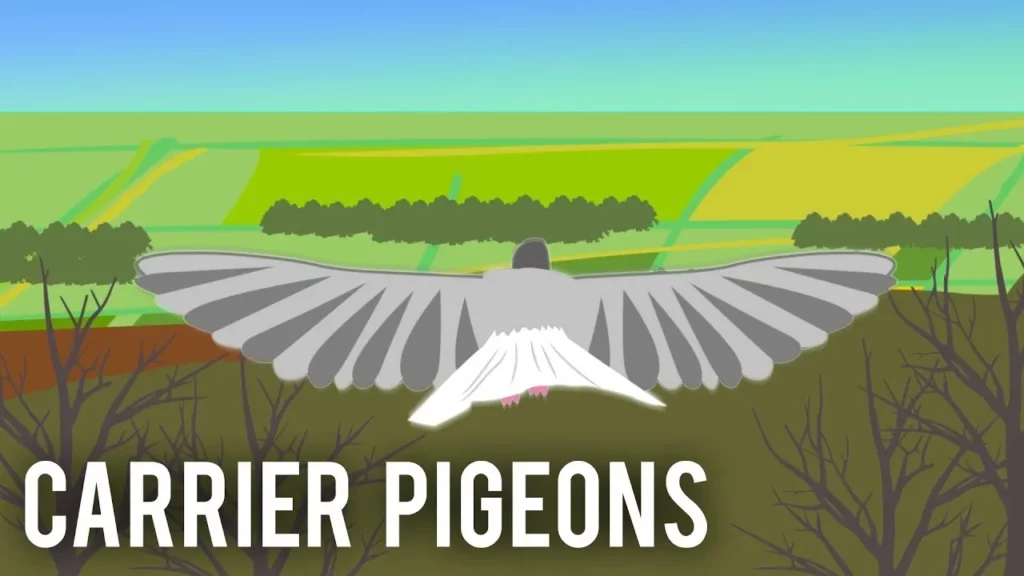
Carrier pigeons, particularly the racing homers, played a crucial role in communication during World War I, especially when traditional communication lines were compromised. Despite facing numerous dangers, including enemy fire and natural predators, these pigeons successfully delivered messages with a remarkable 95% success rate, exemplified by the heroic actions of Cher Ami, who saved 194 soldiers by delivering a critical message under fire. Their legacy as unsung heroes of the war endures, highlighting their significant contributions to military communication.
Fall of Hong Kong (1941)
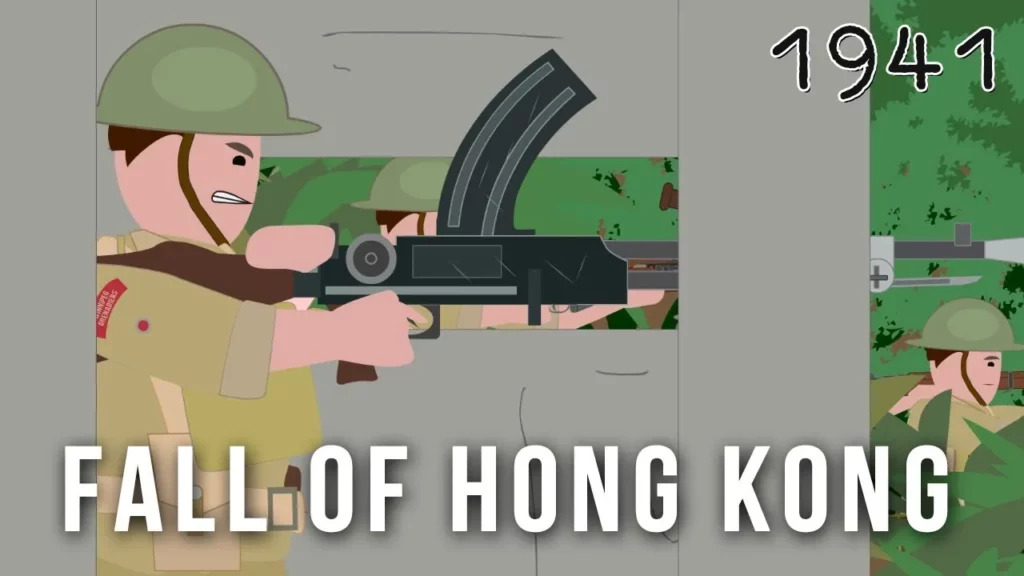
The lesson on the Fall of Hong Kong in 1941 highlights the strategic significance of Hong Kong as a British Crown Colony and the initial underestimation of its defense needs by British leadership. Despite efforts to fortify the garrison with Commonwealth troops, the overwhelming Japanese forces quickly breached defenses and led to the eventual surrender of British and Commonwealth troops on December 25, 1941, marking a significant defeat and the beginning of harsh conditions for many captured soldiers. The event underscored the challenges faced by colonial powers during World War II and the consequences of rapid military aggression.
Fort Sumter (The American Civil War)
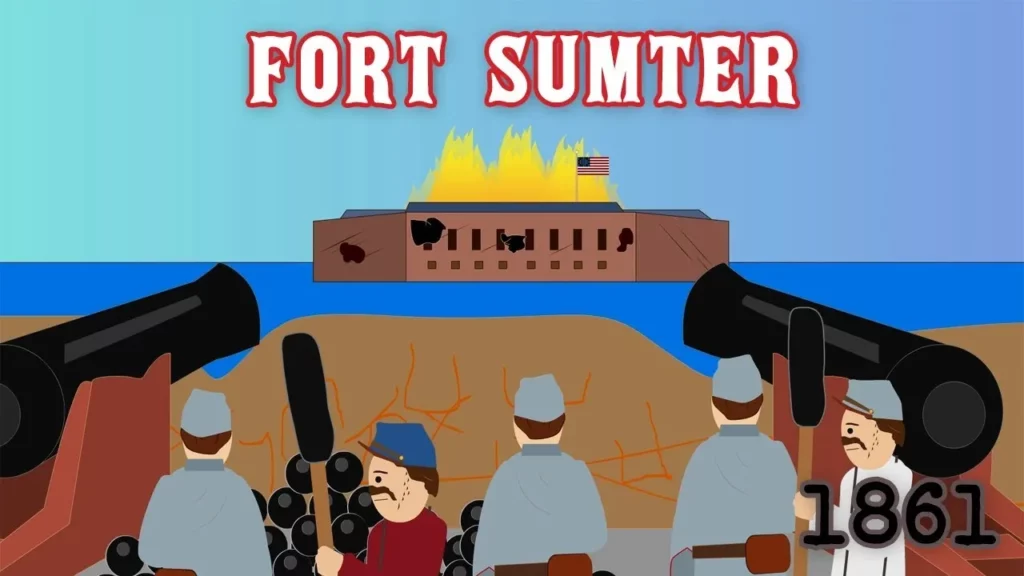
The lesson on Fort Sumter highlights the fort’s construction as part of the United States’ efforts to bolster coastal defenses in the early 1800s and its pivotal role in the onset of the American Civil War. After South Carolina seceded from the Union, tensions escalated, culminating in the Confederate bombardment of Fort Sumter on April 12, 1861, which marked the official start of the war. Despite the lack of casualties during the battle itself, the conflict would lead to significant loss of life and shape the nation’s future over the next four years.