
The Russian Revolution (1917)
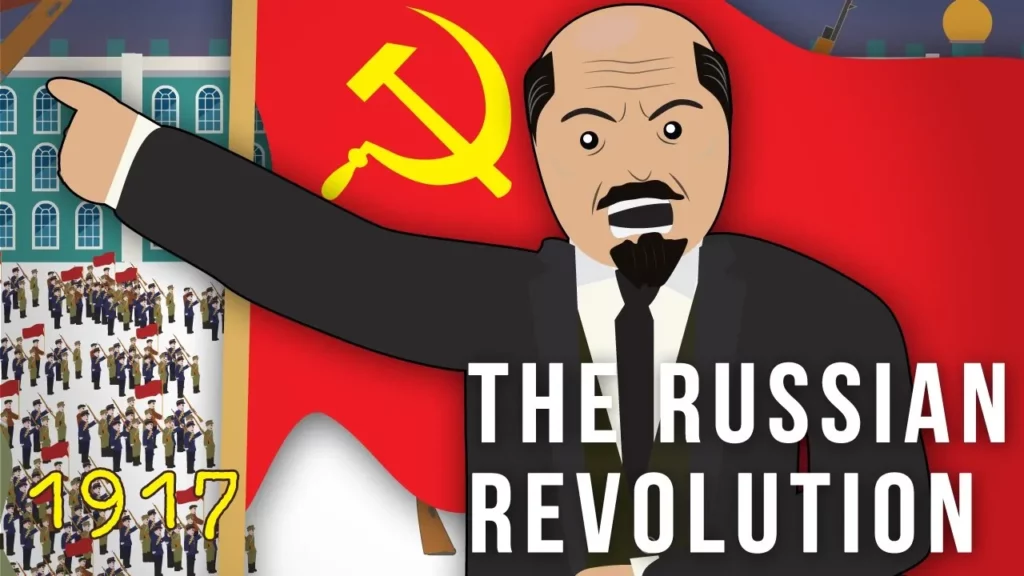
The lesson on the Russian Revolution of 1917 outlines the key events leading to the overthrow of Tsar Nicholas II and the rise of the Bolsheviks. It highlights the dire conditions faced by Russian soldiers and civilians during World War I, the February Revolution’s protests against food shortages, and the eventual coup by Lenin and the Bolsheviks in October 1917, which led to the establishment of a new government. The aftermath saw Russia exit the war through the Treaty of Brest-Litovsk, but this triggered a civil war between the Bolsheviks and their opponents.
ME 262 Jet Fighter
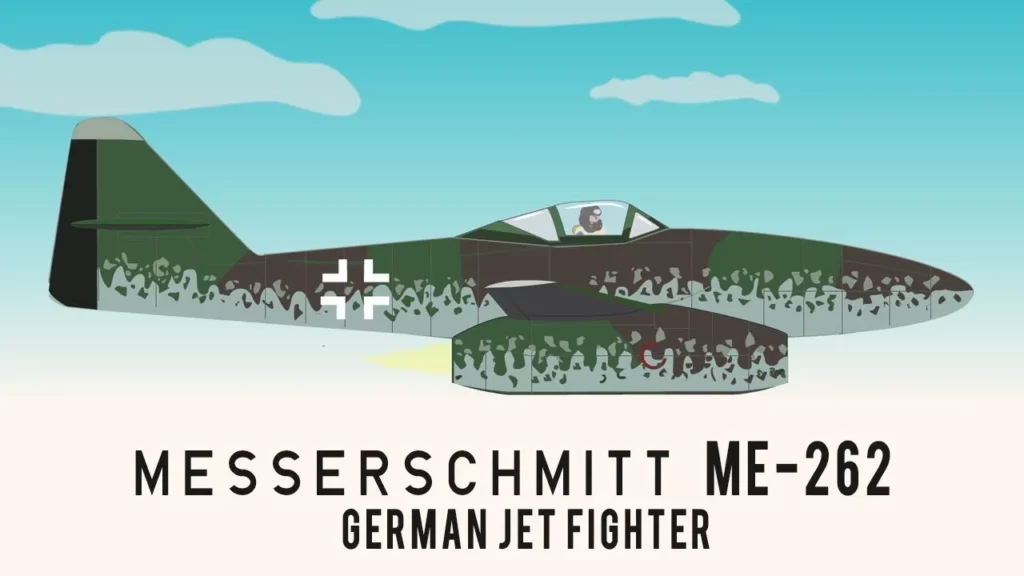
The Messerschmitt Me-262, developed by Nazi Germany during World War II, was the world’s first operational jet fighter, marking a significant advancement in aviation technology. Despite its impressive speed and advanced design, the Me-262 faced challenges in production and pilot training, limiting its impact on the war. Ultimately, it served as a powerful weapon against Allied forces, but its late introduction and the difficulties in mass production hindered its effectiveness in changing the course of the conflict.
B-17 – The Flying Fortress Of The Air #mastersoftheair
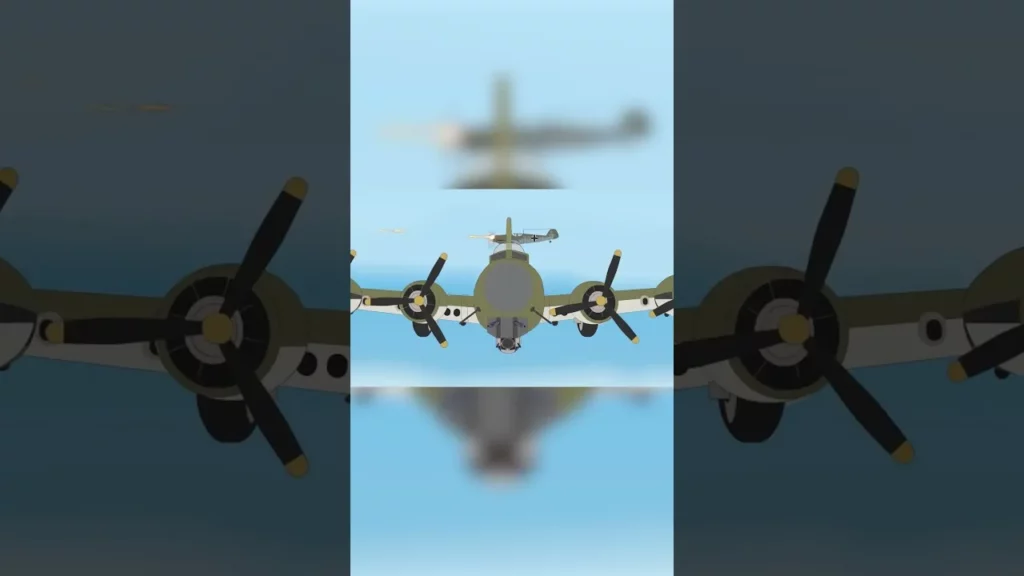
The B-17 Flying Fortress was a pivotal World War II bomber known for its durability and strategic impact, responsible for a significant portion of the bombing campaigns against Germany. Despite its formidable defenses, including multiple machine guns, the aircraft and its crew faced considerable risks, particularly the ball turret gunner, who operated in a perilous position. The lesson highlights the bravery and sacrifices of B-17 crews, emphasizing the aircraft’s legacy in the context of wartime challenges.
Hellriegel 1915 (Secret Weapon)
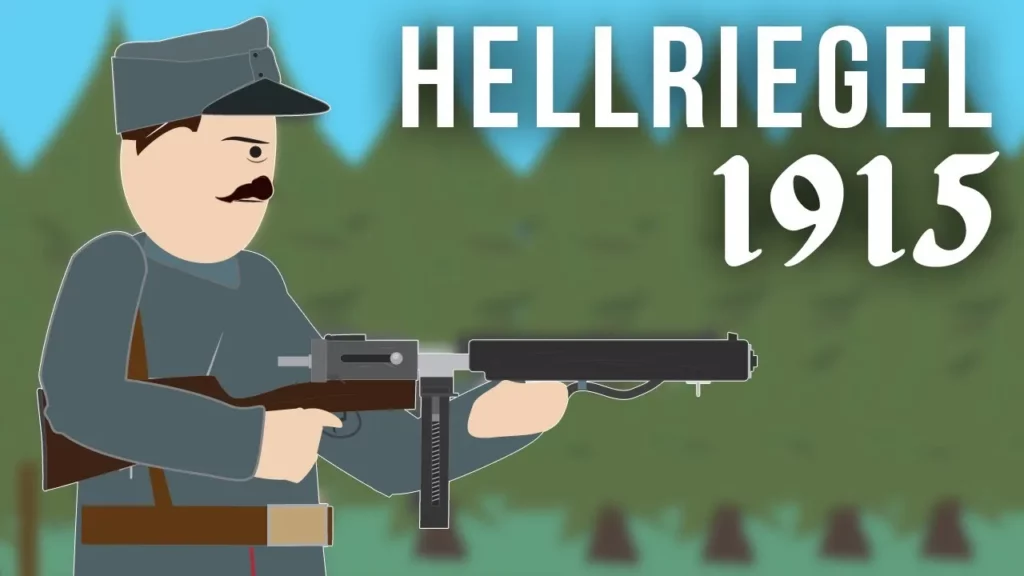
The Hellriegel M1915 was a prototype submachine gun developed by the Austro-Hungarian Empire during World War I, notable for its dual magazine options and innovative water-cooled mechanism to prevent overheating. Designed for the Standschütze, it aimed to provide effective defensive fire while remaining lightweight for mobility, but its development ceased in 1915, leaving it shrouded in mystery. Despite its unique features, challenges such as potential reliability issues with the drum magazine limited its practical use in combat.
The Brusilov Offensive (1916)
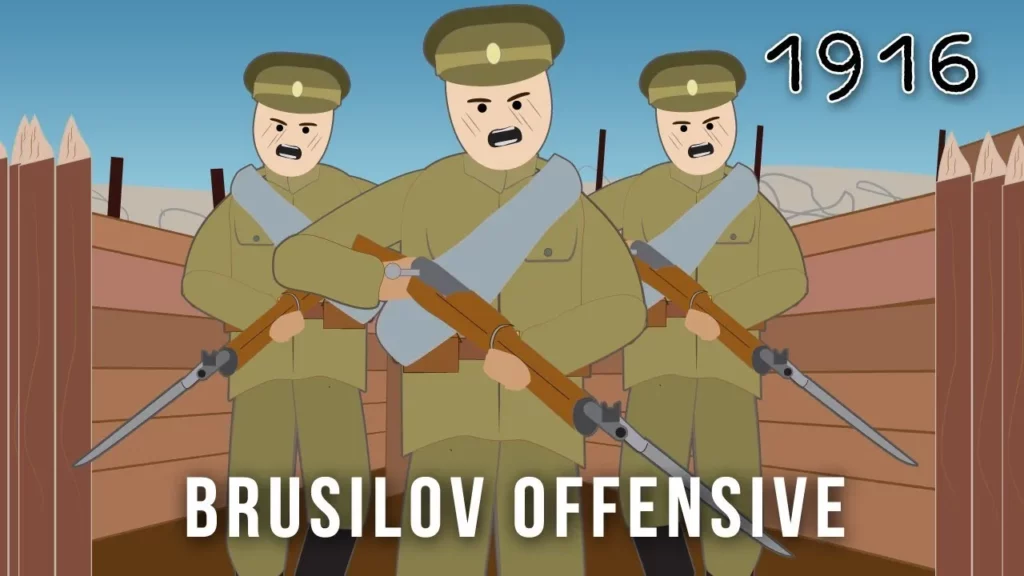
The Brusilov Offensive, conducted by Russia from June to September 1916, was a significant military campaign aimed at relieving pressure on Allied forces in the West. General Alexei Brusilov implemented a surprise attack strategy along a vast front, utilizing short artillery bombardments and innovative tactics with shock troops, which led to substantial gains against the Austro-Hungarian forces. Despite its initial success and the capture of many enemy troops, the offensive ultimately concluded due to dwindling Russian resources, resulting in heavy casualties on both sides and a crisis for the Austro-Hungarian Empire.
Schwerer Gustav – Rail Super Gun (Behemoth)
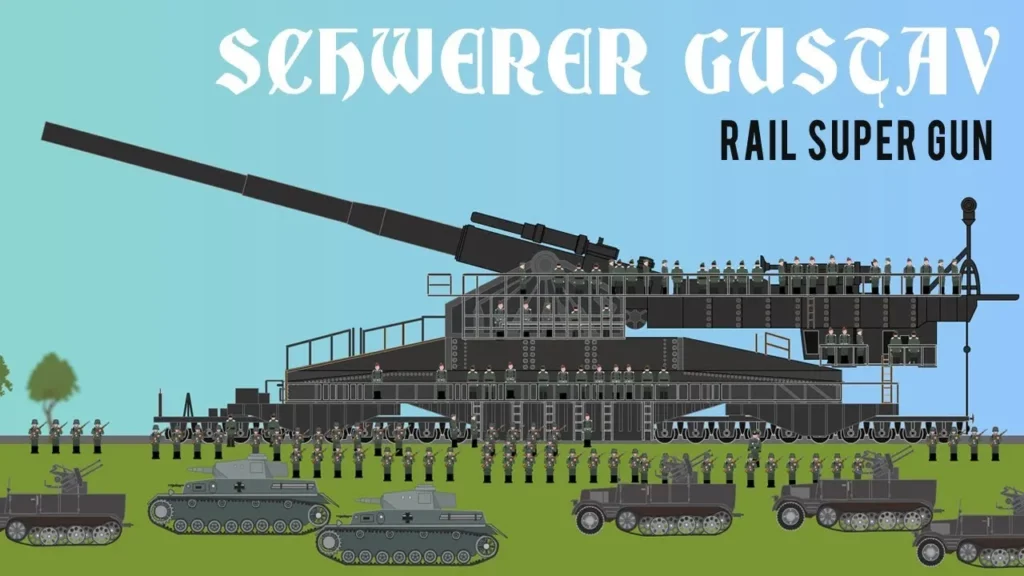
The Schwerer Gustav, or Rail Super Gun, was the largest artillery piece ever constructed, designed by the German company Krupp in the 1930s to breach the Maginot Line during World War II. Weighing 1,350 tons and requiring a massive crew for assembly and operation, it faced significant logistical challenges and was ultimately deemed impractical despite its impressive firepower. Deployed in the Eastern Front, it fired 300 shells during the siege of Sevastopol but was destroyed by the Germans in 1945 to prevent capture, highlighting its limited effectiveness in the war.
The Boston Tea Party 1773, (The American Revolution)

The Boston Tea Party, which took place on December 16, 1773, was a significant protest against the British Tea Act that granted the British East India Company a monopoly on tea sales in America, leading to widespread discontent over taxation without representation. Led by the Sons of Liberty, colonists disguised themselves and dumped a large quantity of tea into Boston Harbor as a bold statement against British rule. This act of defiance not only highlighted the importance of standing up for one’s beliefs but also contributed to escalating tensions that ultimately sparked the American Revolution.
WWI Tanks: FT-17 Light Tank
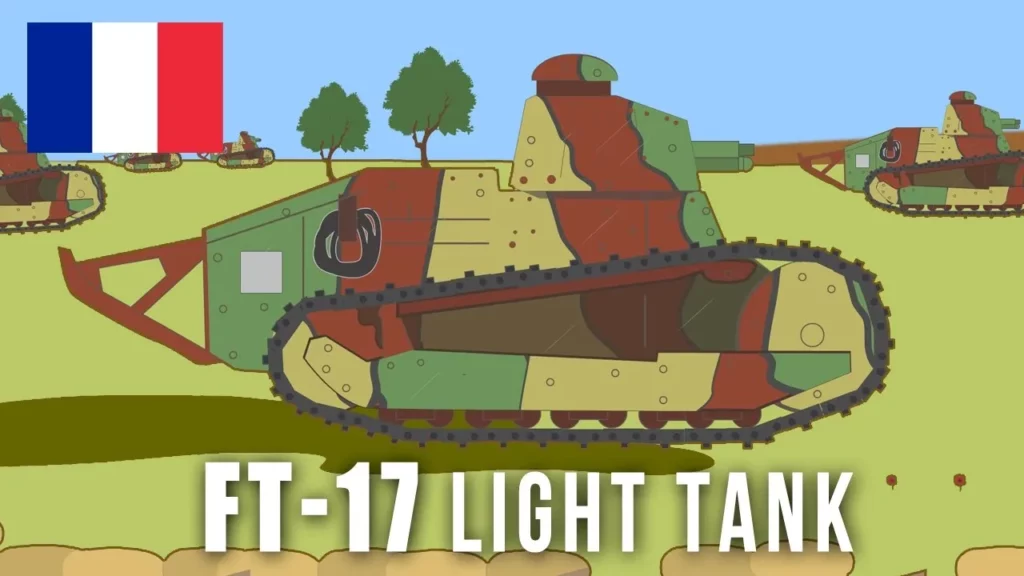
The FT-17 light tank, developed by Renault during World War I, was a groundbreaking design that significantly influenced future tank development. Initially criticized for its cramped space and light armament, it ultimately proved effective with features like a rotating turret and the ability to support infantry directly on the battlefield. Despite maintenance challenges, the FT-17’s innovative design and versatility established it as a key asset in the war and continued to see use in various roles even after the conflict ended.
Attack of the Dead Men (Strange Stories)
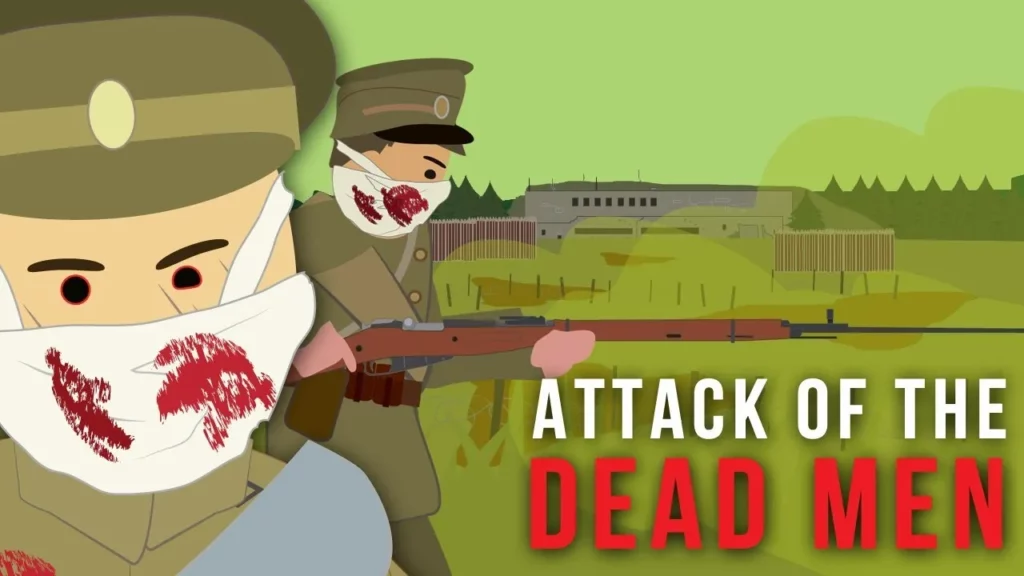
The lesson recounts the dramatic events surrounding the Fortress of Osowiec during World War I, highlighting the fierce battles between German forces and Russian defenders. Despite suffering heavy casualties and facing a devastating poison gas attack, the Russian soldiers launched a surprising counter-attack that caused panic among the German troops, leading to their retreat. This remarkable episode, known as the “Attack of the Dead Men,” illustrates the resilience and bravery of the Russian defenders in the face of overwhelming odds.
The Great Plague of London (1665-66)
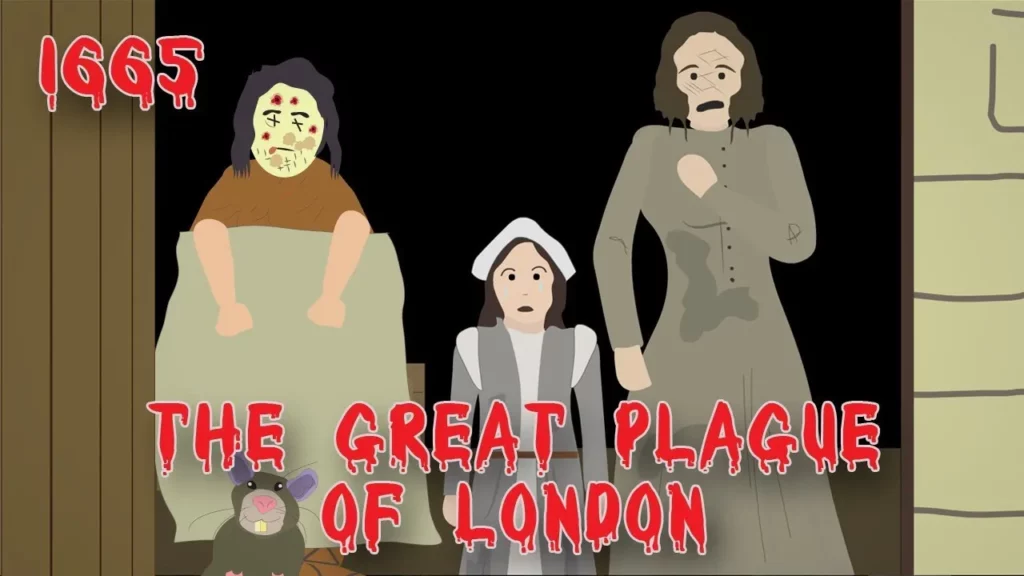
The Great Plague of London (1665-1666) was a devastating outbreak of bubonic plague that began in a poor area and rapidly spread throughout the city, resulting in the deaths of approximately 100,000 people. The disease disproportionately affected the lower classes, who lived in unsanitary conditions and lacked access to effective medical care, while wealthier individuals fled the city. The epidemic prompted strict quarantine measures and highlighted the importance of public health responses, lessons that remain relevant in managing disease outbreaks today.