
The Vietnam War Draft
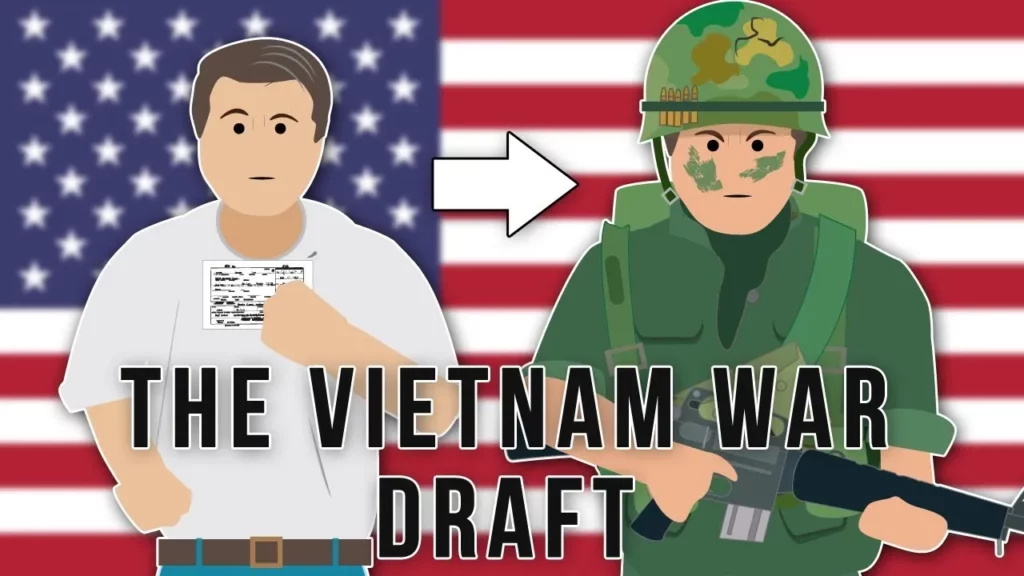
The Vietnam War draft, initiated in 1965 to meet the increasing demand for soldiers, required young men aged 18 to 26 to register with the Selective Service System, leading to significant disparities in who was drafted based on socioeconomic status. While many men found ways to avoid conscription through deferments or resistance, public dissatisfaction with the draft system eventually led to the introduction of a lottery system in 1969. The draft’s legacy highlights ongoing discussions about fairness in military service and the impact of class on conscription.
U.S. Prohibition (1920-33)
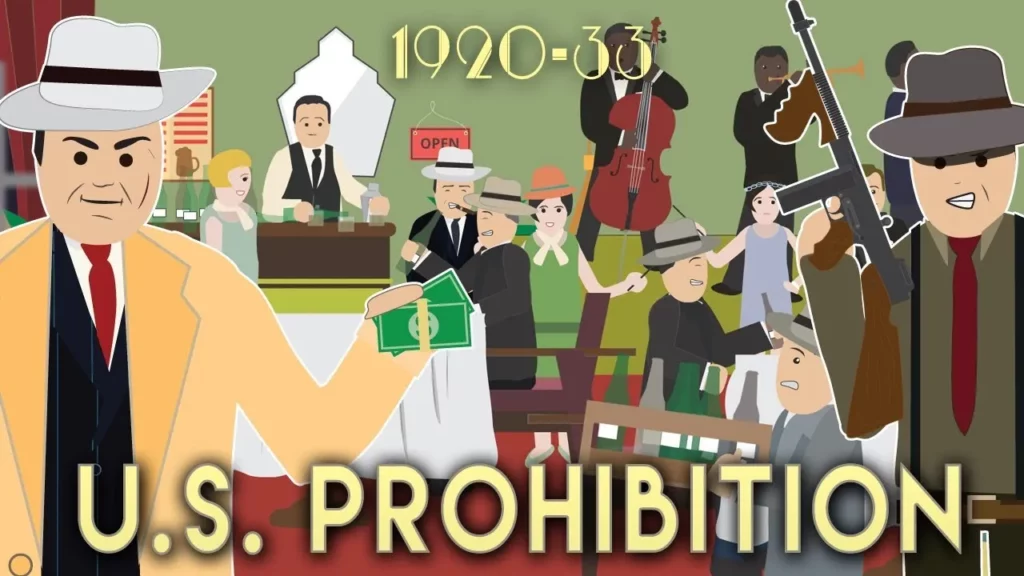
The lesson on U.S. Prohibition (1920-1933) outlines the rise of the temperance movement, which led to the ratification of the 18th Amendment and the establishment of a nationwide ban on alcohol. Despite initial reductions in drunkenness, the law proved difficult to enforce, resulting in the rise of organized crime and illegal alcohol trade, exemplified by figures like Al Capone. Ultimately, the failures of Prohibition, highlighted by increased crime and public dissent, led to its repeal with the 21st Amendment in 1933.
The Colosseum, Rome
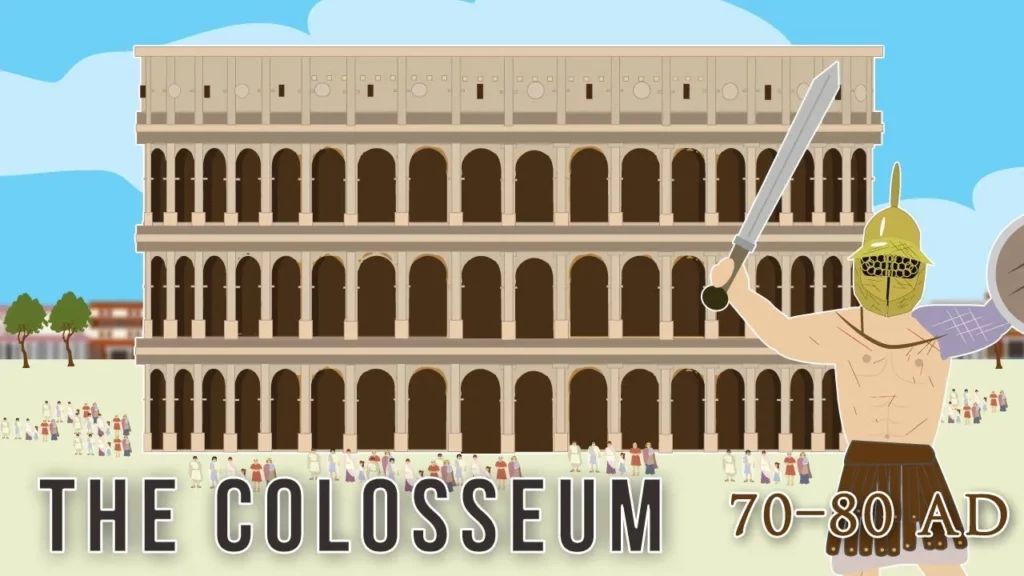
The Colosseum, also known as the Flavian Amphitheatre, is an iconic ancient structure in Rome, completed in 80 A.D. under the Flavian dynasty. This massive oval amphitheater, capable of seating around 70,000 spectators, hosted various events, including gladiator fights and animal hunts, and featured an intricate underground system for staging elaborate performances. Today, it remains a symbol of Rome’s rich history and a popular archaeological site.
George Washington (1732-1799) President of the USA
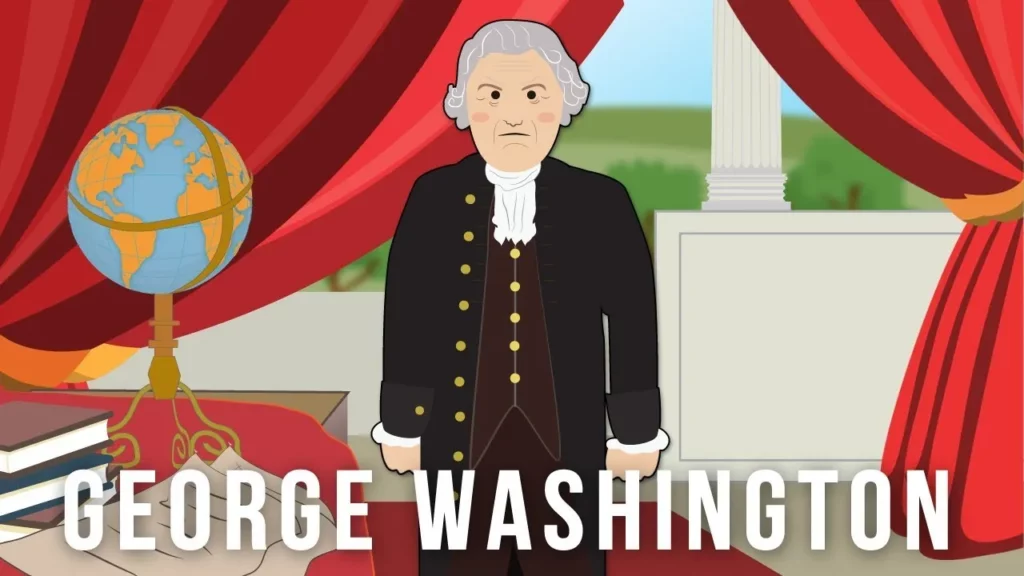
The lesson outlines the life and contributions of George Washington, from his early years as a surveyor and military leader during the French and Indian War to his pivotal role in the American War of Independence. It highlights his leadership in creating the U.S. Constitution and his tenure as the first President of the United States, where he focused on uniting the nation and maintaining neutrality in foreign conflicts. Washington’s legacy is marked by his dedication to public service and the foundational role he played in shaping the United States.
The Treaty of Versailles, What Did the Big Three Want? 1/2
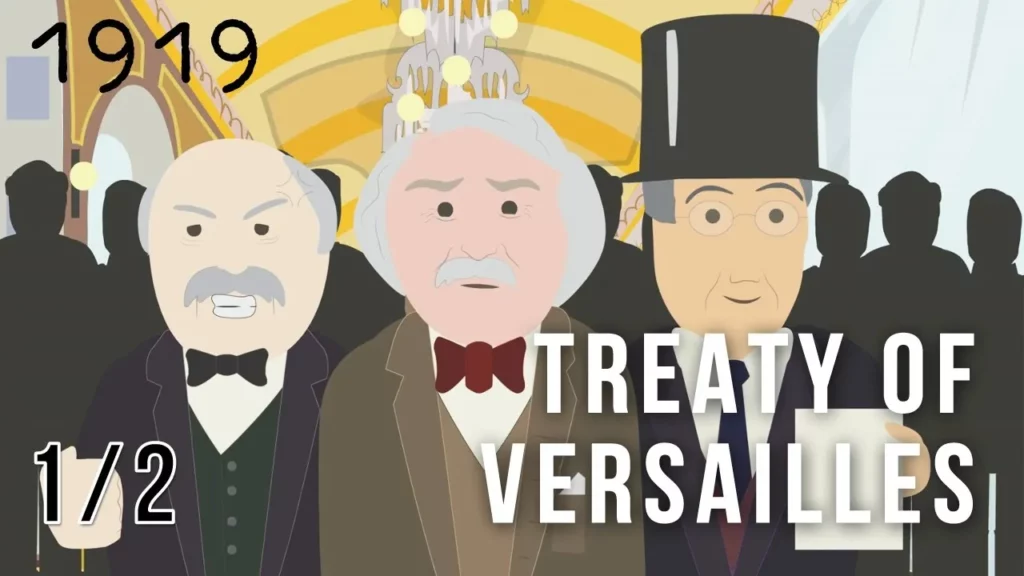
The Treaty of Versailles, signed on June 28, 1919, marked the end of World War I and was shaped by the differing goals of the Big Three leaders: David Lloyd George of Britain, Georges Clemenceau of France, and Woodrow Wilson of the USA. While Clemenceau sought harsh penalties for Germany due to France’s suffering, Wilson advocated for a more lenient approach to foster lasting peace through the League of Nations, and Lloyd George aimed for a compromise that would allow Germany to remain economically viable. Ultimately, Germany was presented with the treaty without negotiation, leading to significant consequences for the nation and the world.
SMLE MKIII & SMLE MKIII*

The SMLE No.1 MkIII, a British rifle, became a legendary weapon during the early 20th century, serving prominently in both World Wars and beyond. Its innovative features, such as a fast bolt action and a 10-round detachable magazine, allowed soldiers to achieve remarkable firing rates, exemplified by the “Mad Minute.” The MkIII variant, along with its simplified version, the MkIII*, showcased the adaptability of military technology and left a lasting impact on military history.
How an Ancient Egyptian Mummy was Made
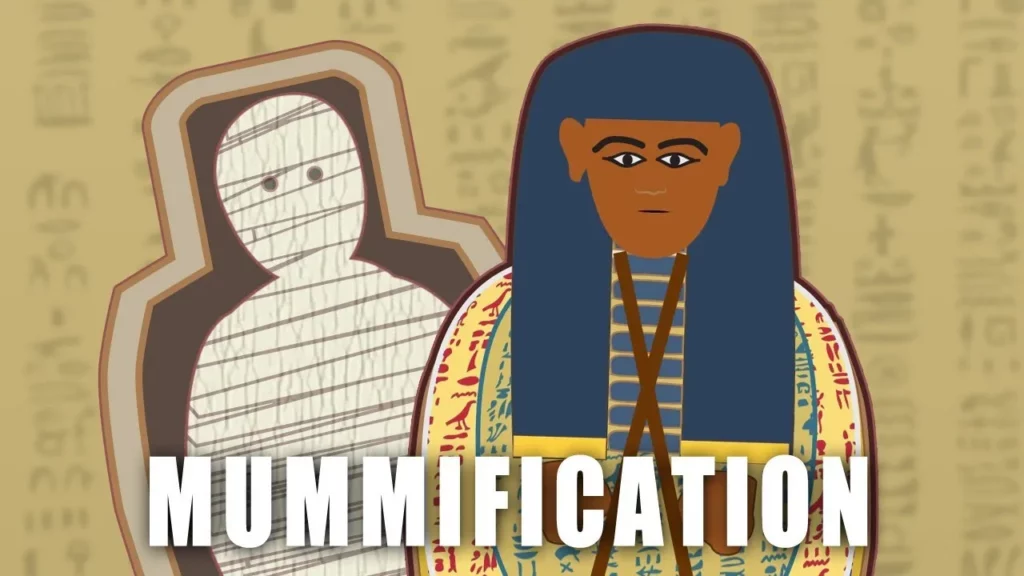
The lesson explains the intricate mummification process practiced in ancient Egypt, which was essential for ensuring a person’s journey to the afterlife. It details the steps involved, including the removal of organs (except for the heart), the use of spices and Natron for preservation, and the final wrapping of the body in linen. The lesson also highlights the significance of mummification for individuals of varying social status and the belief that a well-preserved body was crucial for eternal life.
MP18 Submachine gun
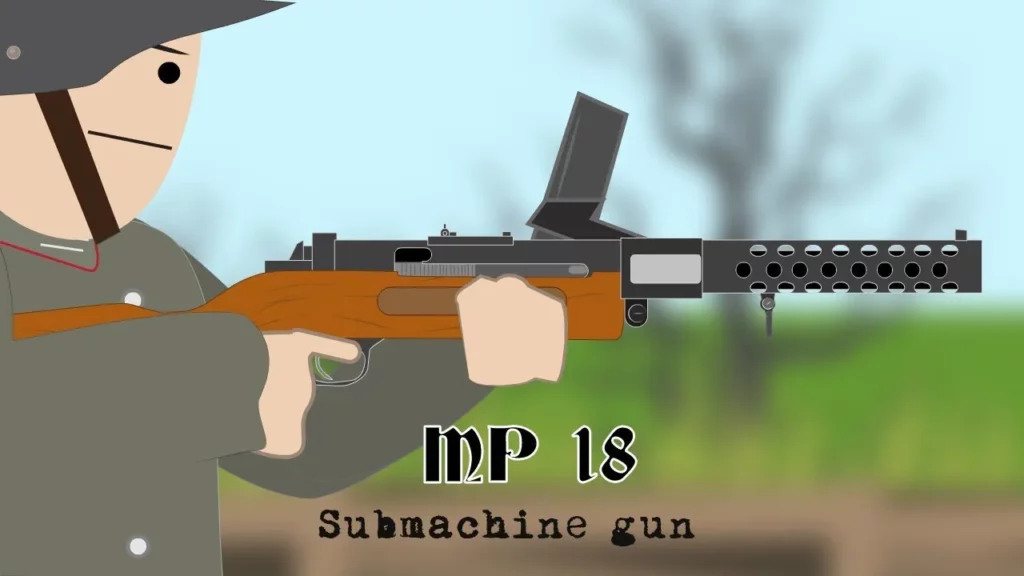
The MP18 submachine gun, developed by Hugo Schmeisser during World War I, was designed to meet the German Army’s need for a powerful close-combat weapon for their stormtroopers in trench warfare. Despite initial challenges with its magazine, the MP18’s compact and fully automatic design significantly influenced future firearms and marked a pivotal shift in combat tactics. Its legacy continues to be felt in modern warfare, showcasing the importance of innovation in military technology.
The Soldier Bear (Strange Stories of World War II)
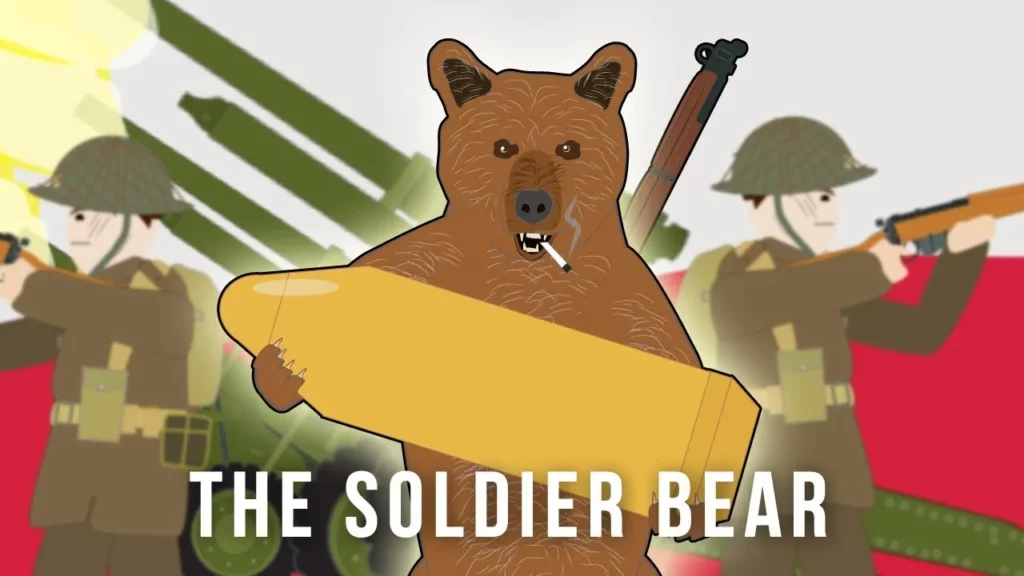
The lesson recounts the heartwarming story of Wojtek, a bear adopted by Polish soldiers during World War II. After being rescued as an orphaned cub, Wojtek became a beloved mascot and even served as a private in the Polish army, famously helping to carry ammunition during the Battle of Monte Cassino. Following the war, he lived in the Edinburgh Zoo, where he remained a cherished figure until his passing in 1963.
WWI Factions: The German Army
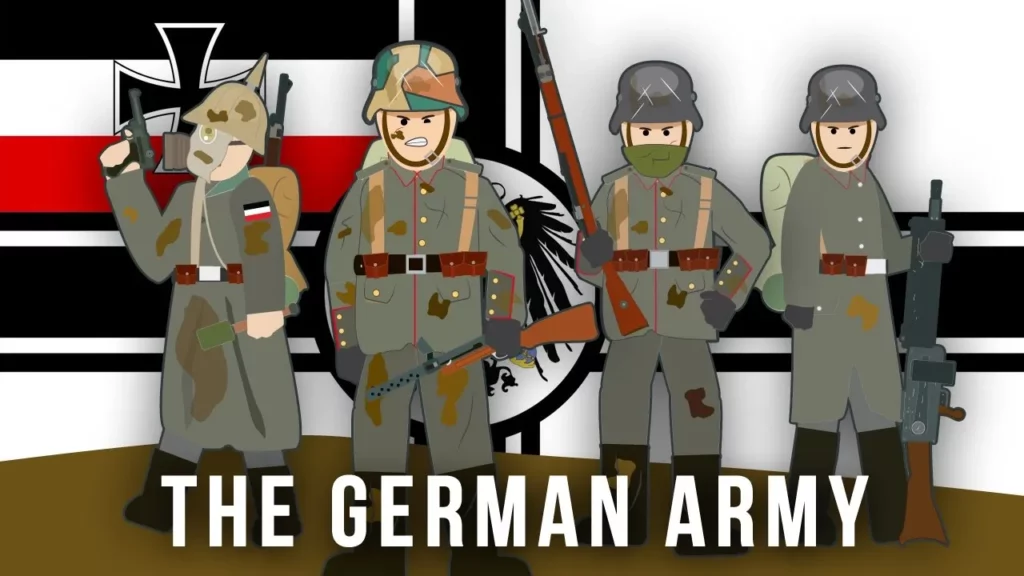
The German Army during World War I was renowned for its strength and efficiency, built on a system of mass conscription that ensured a large reserve of trained soldiers. Key military leaders, including Helmuth von Moltke and Paul von Hindenburg, shaped Germany’s strategies as the army mobilized millions of troops to fight on multiple fronts. However, the war resulted in devastating casualties and ultimately led to significant military restrictions imposed on Germany by the Treaty of Versailles.