
The Treaty of Versailles, Terms of the Treaty 2/2
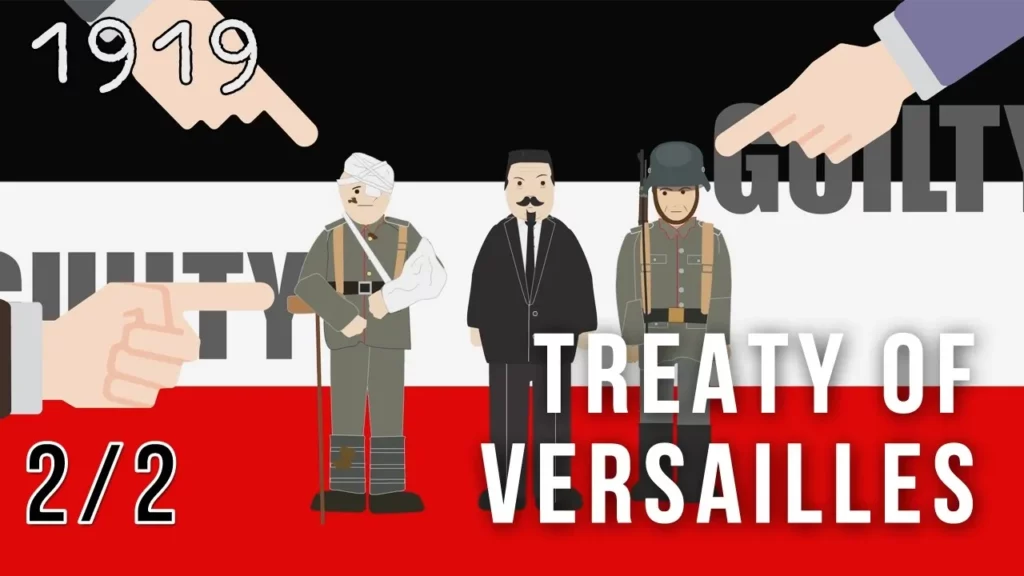
The Treaty of Versailles, signed in 1919, imposed severe territorial, military, and financial restrictions on Germany following World War I. Key provisions included the return of Alsace-Lorraine to France, limitations on the German military, and substantial reparations payments, which many Germans viewed as excessively punitive. The treaty’s unpopularity and perceived injustices contributed to the rise of Adolf Hitler and ultimately played a significant role in the outbreak of World War II.
Drip Rifle – a SELF FIRING GUN that tricked the enemy in WW1
The drip rifle, invented by Australian Lance Corporal William Scurry and his friend Bunty Lawrence during World War One, was a clever device used by the Allies to create the illusion of ongoing gunfire during their evacuation from Gallipoli. By utilizing a simple mechanism involving water dripping from one can to trigger the rifle, the Allies were able to deceive the Ottoman forces into believing that soldiers were still present, allowing for a safe retreat. This innovation highlights the significance of creativity and teamwork in overcoming challenges in wartime.
The Salem Witch Trials (1692) Cartoon
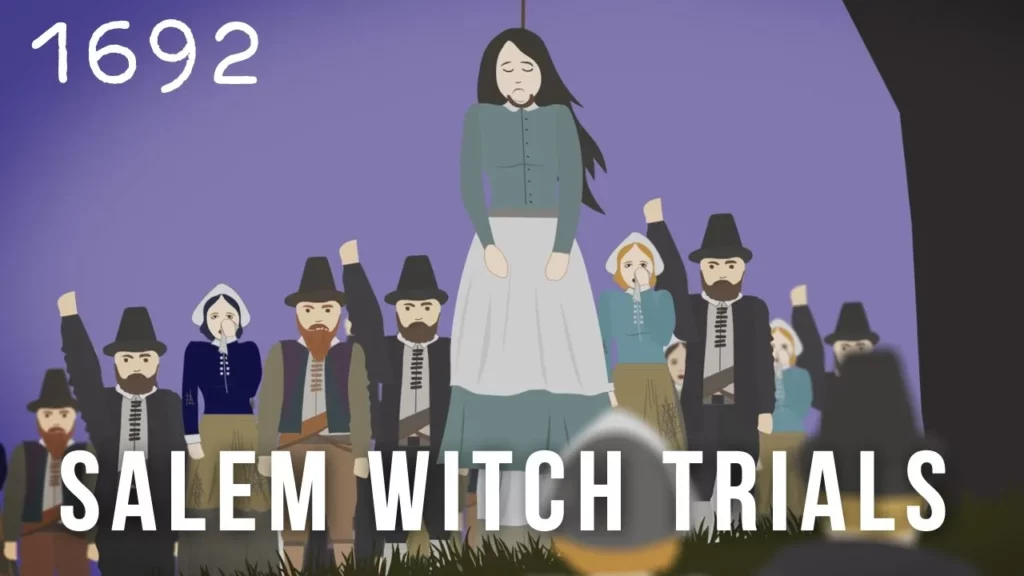
The Salem Witch Trials, which took place from 1692 to 1693 in Salem Village, Massachusetts, began when two young girls exhibited strange behaviors that led to widespread panic and accusations of witchcraft. Fueled by fear of the supernatural and existing tensions in the community, a special court was established, resulting in the execution of nineteen individuals and the imprisonment of many others. By September 1692, the trials began to lose momentum as people started to question the validity of the accusations and the consequences of the hysteria.
Weimar Republic: The Freikorps
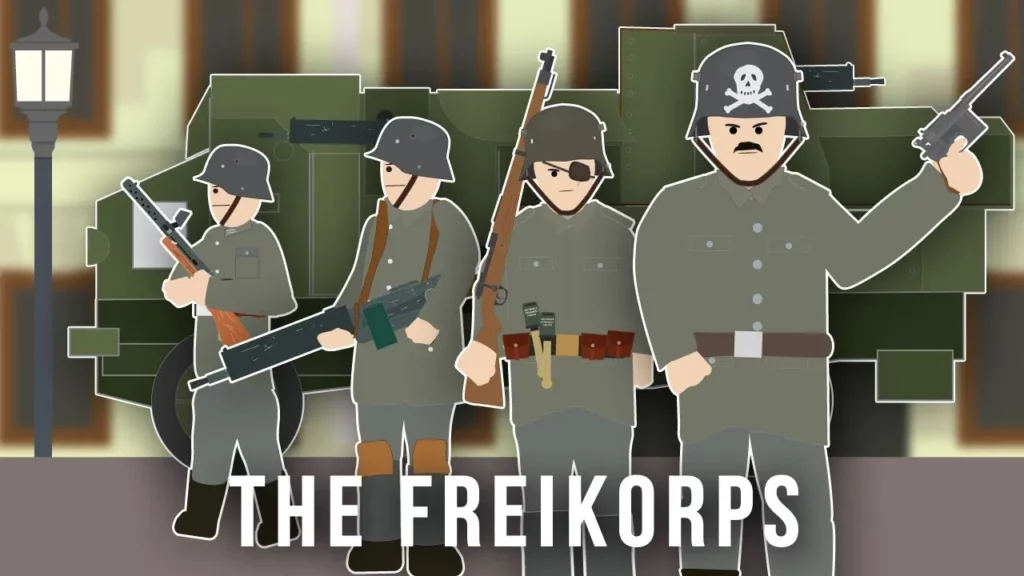
The lesson on the Freikorps during the Weimar Republic highlights the emergence of these nationalist paramilitary units in post-World War I Germany, formed by returning soldiers who opposed the Treaty of Versailles and communism. The Freikorps played a crucial role in suppressing communist uprisings, including the Spartacus Uprising, but their controversial actions, such as the killing of communist leaders, led to criticism of the Weimar government. Ultimately, the disbandment of the Freikorps following the Treaty of Versailles contributed to their members joining the Nazi Party, influencing the political landscape in Germany.
Overweight Soldiers in the Vietnam War (Project 100,000)
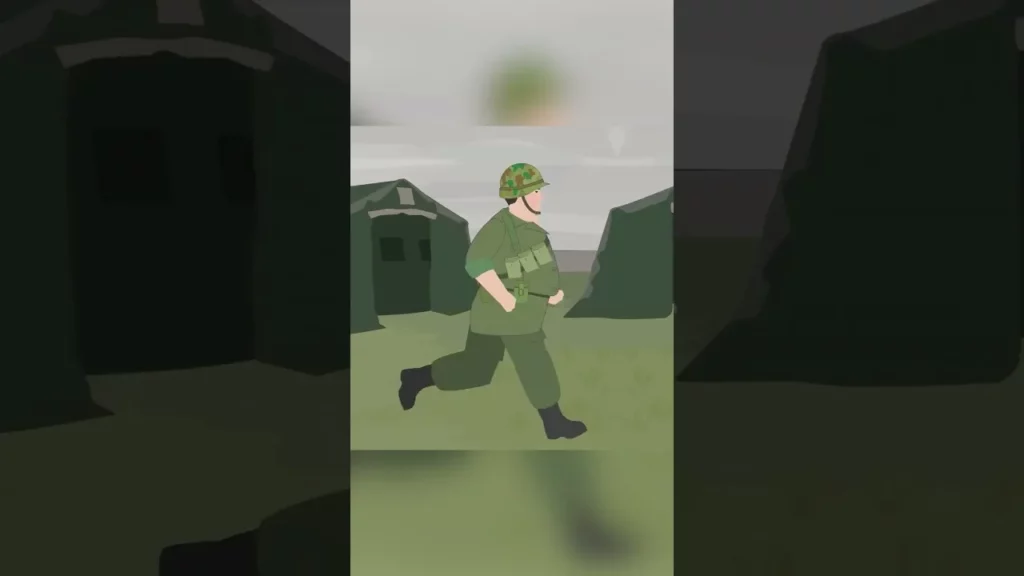
Project 100,000 was a controversial initiative during the Vietnam War aimed at recruiting individuals who typically did not meet military service criteria, including those who were overweight or had lower IQ scores. Despite the challenges these recruits faced, the military maintained rigorous performance standards and implemented additional training programs to help them adapt. The program ultimately demonstrated that with appropriate support, many individuals who were previously overlooked could successfully fulfill military roles.
MREs in WW2 – the 5 Main Rations of a soldier
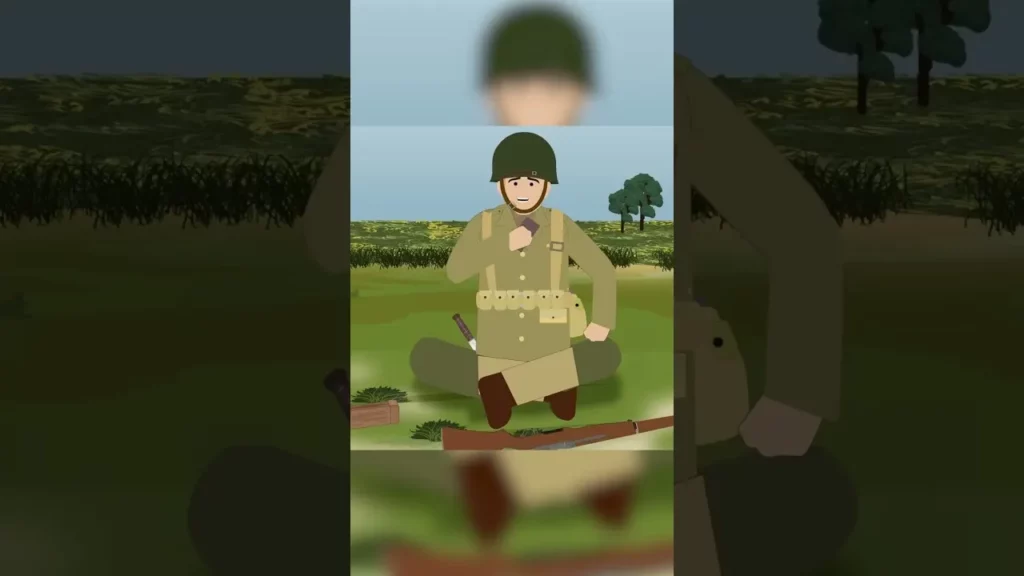
During World War II, soldiers relied on five main types of rations to maintain their energy and readiness: Garrison rations provided fresh food at base camps, B rations consisted of canned foods for those on the move, K rations were compact meals for fast-moving units, D rations served as emergency supplies with high-calorie chocolate bars, and C rations offered pre-cooked meals in cans. Each ration type was specifically designed to meet the diverse needs of soldiers in various situations, ensuring they remained nourished and prepared for action.
First World War tech: Chlorine Gas & Gas Masks
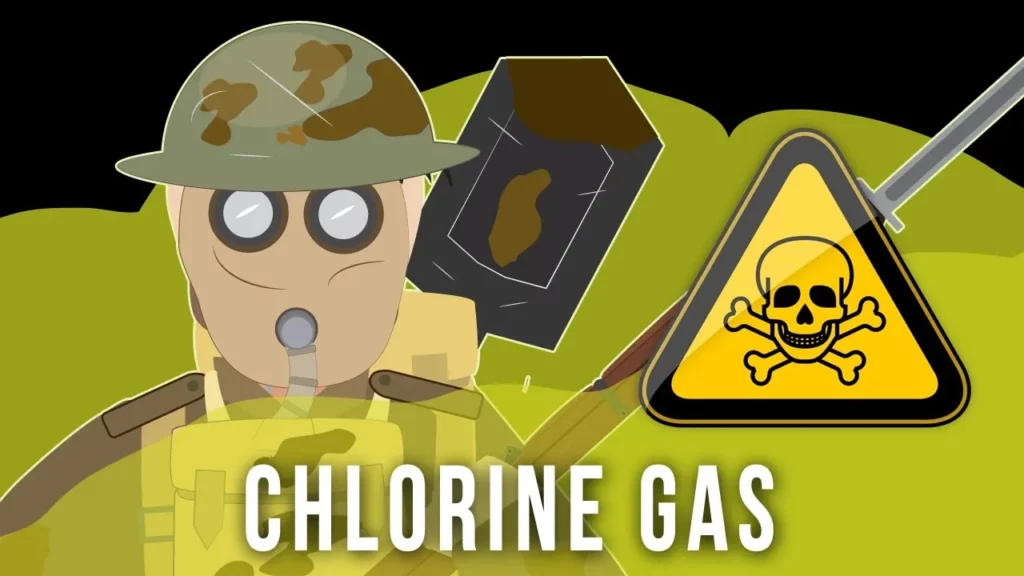
The lesson discusses the introduction and impact of chlorine gas as a weapon during World War I, highlighting its first use by German forces at Ypres in 1915 and the subsequent challenges faced by both attackers and defenders. While chlorine gas caused significant harm and panic among soldiers, it also led to the development of gas masks and more effective delivery methods, such as gas shells, to mitigate the dangers of gas attacks. The lesson emphasizes the evolving nature of warfare technology and the importance of protective measures in combat.
Pearl Harbor (1941)
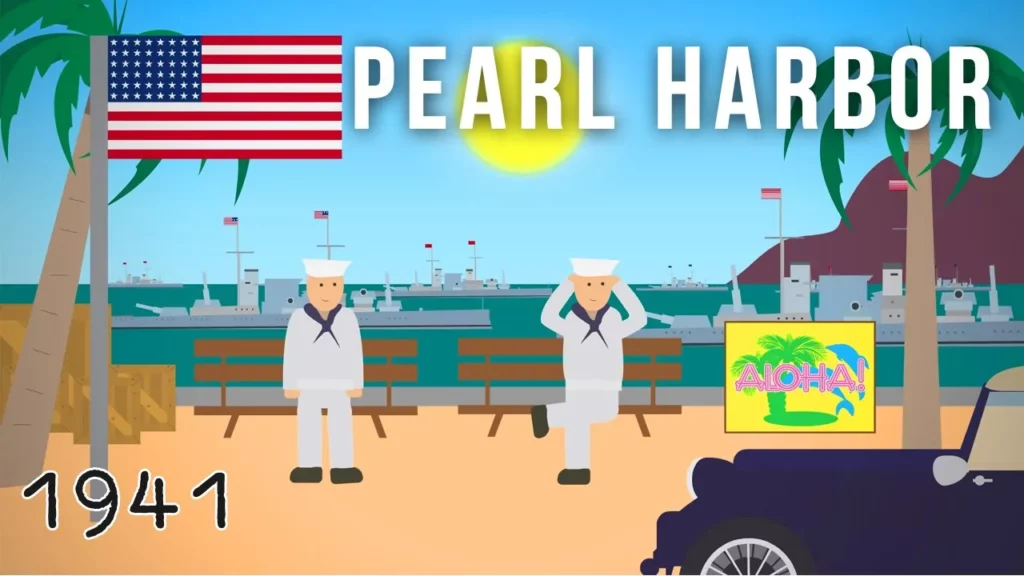
The lesson on Pearl Harbor highlights the surprise attack by Japanese forces on December 7, 1941, which resulted in significant losses for the U.S. Navy and marked a pivotal moment in history. Despite rising tensions between the two nations, the attack caught American forces off guard, leading to nearly 2,500 casualties and prompting the United States to enter World War II. This event not only changed the course of the war but also reshaped international relations in the years to come.
WWI Factions: The Canadian Army
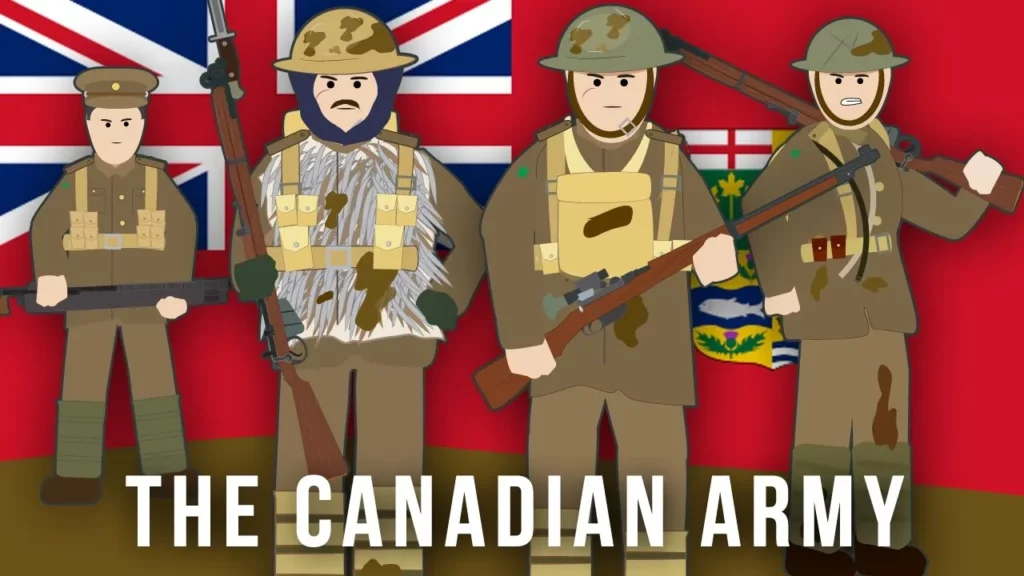
The lesson on the Canadian Army during World War I highlights Canada’s transformation from a young nation with a small military presence to a significant contributor to the Allied forces, with around 600,000 Canadians enlisting. Key victories, such as the capture of Vimy Ridge, under the leadership of Generals Julian Byng and Arthur Currie, showcased the bravery and effectiveness of Canadian soldiers, despite suffering substantial casualties. This period not only played a crucial role in the Allied victory but also helped shape Canada’s national identity and its position on the global stage.
19 Odd Facts About Animal Sex

The lesson explores the diverse and often bizarre reproductive strategies found in the animal kingdom, highlighting unique behaviors such as the extreme mating practices of the antechinus, which can lead to male mortality, and the self-fertilization of hermaphroditic fish like the mangrove killifish. It also discusses various mating rituals, adaptations, and the fascinating ways animals attract mates, showcasing the complexity and variety of reproductive methods across species.