
Misconceptions About Social Media
The lesson addresses common misconceptions about social media, highlighting its historical context and the realities of content ownership, influencer income, data privacy, user demographics, and the impact on mental health. It clarifies that while users retain copyright over their content, social media platforms can use it under their terms, and that not all influencers are wealthy. Additionally, it emphasizes that social media is not just for young people, that it generates revenue through user engagement rather than direct data sales, and that opting out does not guarantee privacy protection.
29 Interesting Archaeological Discoveries Show Ep. 506

This lesson explores 29 remarkable archaeological discoveries that unveil the secrets of ancient civilizations across the globe. Highlights include the giant rats of East Timor, the Rosetta Stone, and the Terracotta Army, each providing unique insights into historical lifestyles, cultures, and technologies. These findings not only enhance our understanding of the past but also spark curiosity about what other mysteries may lie beneath the surface.
6 Wholesome Facts About Terrifying Animals

The lesson highlights six fascinating animals often perceived as terrifying, emphasizing the importance of respect and understanding. By sharing unique and wholesome facts about creatures like the tarantula hawk, scorpions, flying foxes, sharks, anglerfish, and cassowaries, it encourages a shift in perspective, showcasing their remarkable traits and roles in nature. Ultimately, the lesson reminds us that every animal has special qualities that deserve appreciation, regardless of their intimidating appearances.
17 Signs That You’d Qualify as a Witch in the 1600s | List Show | 527
The lesson explores the historical context of witchcraft accusations in the 1600s, particularly focusing on the societal norms and fears that led to the targeting of women. It highlights that women were disproportionately accused due to beliefs about their moral failings, their social interactions, and deviations from expected behaviors, often resulting in tragic consequences. The lesson also discusses specific cases and the irrational reasons behind these accusations, illustrating the dangers of societal expectations and superstition during that era.
Coffee Facts and Life Hacks! Scatterbrained
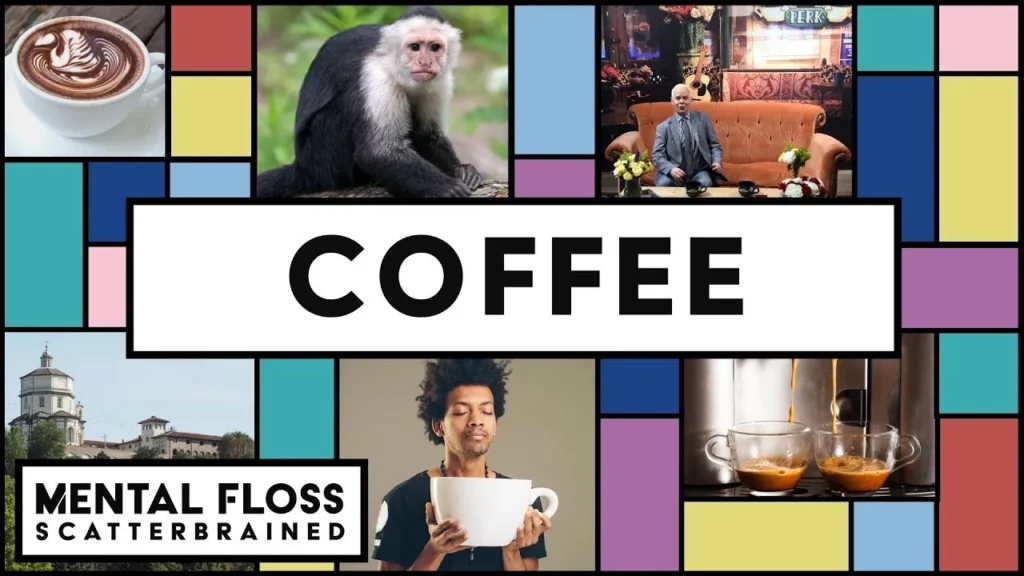
In this lesson, we explored the fascinating world of coffee, including its unique names and rich history, such as the origins of terms like “espresso” and “cappuccino.” We also shared practical coffee life hacks, like making single cups using simple tools and freezing coffee into ice cubes to avoid dilution. Additionally, we discussed the historical significance of coffee houses as social hubs for intellectual discourse and their impact on society.
20 Weird Clubs That Actually Exist

This lesson explores a variety of unusual clubs that exist around the world, highlighting their unique membership criteria and fascinating purposes. From the Martin-Baker Ejection Tie Club for pilots who have survived ejection seat incidents to the Cloud Appreciation Society celebrating the beauty of clouds, these clubs showcase the quirky and diverse interests of their members. The lesson emphasizes how these organizations foster community and shared experiences among individuals with uncommon backgrounds or hobbies.
12 Notable English Language Mistakes

This lesson explores notable English language mistakes, highlighting how errors can inadvertently become part of the lexicon. It discusses examples like the ghost words “dord” and “abacot,” common mix-ups such as “free reign” versus “free rein,” and pronunciation debates surrounding words like “gif” and “forte.” Ultimately, these quirks illustrate the evolving nature of language and the importance of careful editing.
Misconceptions About Robots
The lesson addresses common misconceptions about robots, clarifying the distinction between robotics and artificial intelligence (AI). It highlights that while robots are increasingly integrated into our daily lives, they do not necessarily resemble humans, and emphasizes the importance of understanding their roles in society, including the potential impact on jobs and the need for adaptation to technological changes. The lesson also explores the historical context of robots and their portrayal in science fiction, fostering a nuanced perspective on our relationship with these machines.
22 Weird Old Jobs From 100 Years Ago

The lesson explores various unusual jobs that existed a century ago, highlighting roles such as lectores, town criers, and human computers, which catered to the needs of society before modern technology took over. It discusses how these jobs, from lamp lighters to switchboard operators, played essential roles in daily life and industry, reflecting the social and technological changes of the time. The lesson also touches on the decline of these occupations as advancements in technology and changes in societal norms emerged.
Misconceptions About Journalism
The lesson addresses common misconceptions about journalism, emphasizing its constitutional protection and critical role in democracy. It highlights the ongoing evolution of the media landscape, clarifying that while print journalism is declining, it still holds significant value and credibility compared to digital platforms. Additionally, the lesson dispels myths about bias in journalism, journalist salaries, and the focus on negative news, advocating for a more nuanced understanding of the profession’s challenges and contributions.