
16 Curious Facts About Television
The lesson highlights the profound and often unexpected impact of television on our lives, illustrating its significance through various intriguing facts and anecdotes. From the role of a TV show in exonerating a man wrongfully accused of murder to the creative connections between different series and the evolution of storytelling, the lesson emphasizes television’s cultural influence and its ability to push boundaries. Overall, it showcases how television serves as a powerful medium for creativity, entertainment, and social commentary.
Misconceptions about the Wild West (Ep. 57)
In this lesson, Elliott debunks several common misconceptions about the Wild West, revealing that many popular beliefs are influenced by Hollywood and folklore rather than historical facts. Key points include the prevalence of top hats over cowboy hats, the rarity of bank robberies, and the diverse cultural landscape of the era, which included women owning land and a variety of ethnicities coexisting. Overall, the Wild West was less violent and more complex than often portrayed, with a rich tapestry of stories waiting to be uncovered.
Misconceptions About Japan
The lesson addresses common misconceptions about Japan, emphasizing that cultural practices, such as slurping noodles, are often misunderstood and not strictly enforced. It highlights the complexities of Japanese culture, including the realities of technology use, the diversity of food preferences, and the true cost of living, while also dispelling stereotypes about overcrowding and mask-wearing. Additionally, it touches on evolving perceptions of tattoos and the nature of Japanese game shows, encouraging a deeper understanding of this multifaceted country.
10 Pivotal Battles That Changed History
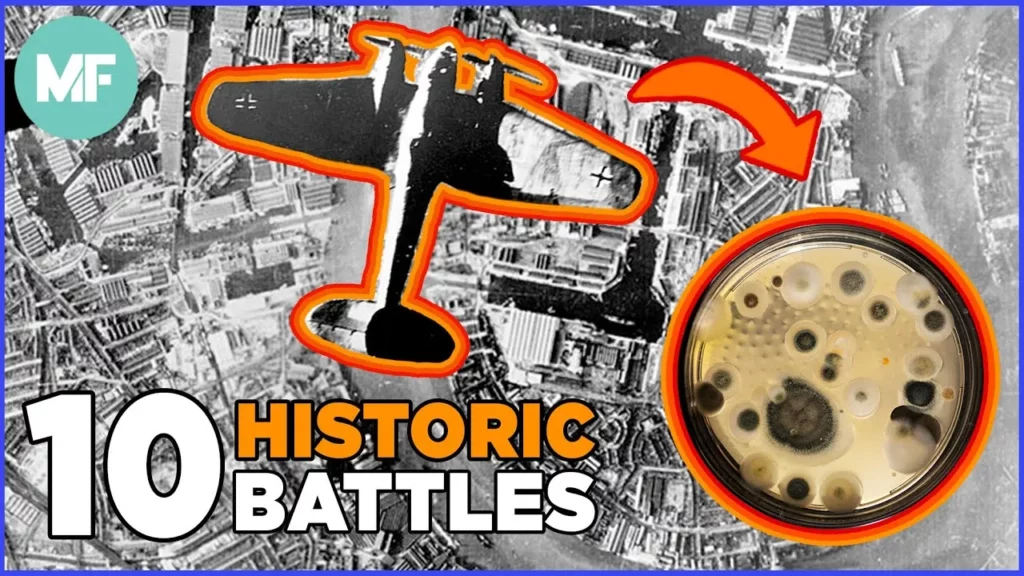
The lesson explores ten pivotal battles throughout history that have significantly influenced cultural, political, and technological developments. Key examples include the Battle of Geisha, which established the Han Dynasty in China, and the Battle of Britain, which not only defended the UK during World War II but also advanced medical innovations. These battles illustrate the profound impact of military conflicts on the course of history and the interconnectedness of global events.
How did eating popcorn become a custom at movie theaters? – Big Questions – (Ep. 213)
The lesson explores the origins of popcorn as a popular snack in movie theaters, tracing its rise from fairs and circuses in the 19th century to its eventual acceptance in cinemas during the 1930s. Initially banned in upscale theaters to maintain a classy atmosphere, popcorn became a staple due to its affordability during the Great Depression and the introduction of sound in films, which made eating less distracting. The story highlights key figures, like Julia Braden, who helped establish popcorn as a beloved movie-time treat, solidifying its place in cinema culture.
26 Amusing Facts About Amusement Parks Show (Ep.218)
This lesson explores the fascinating history and quirky facts about amusement parks, highlighting their evolution from 17th-century “pleasure wheels” in Bulgaria to modern-day attractions like Disneyland and unique parks around the world. It covers early amusement parks, notable rides, and interesting trivia, such as the tallest roller coaster and the origins of various rides, while also touching on the cultural significance and innovations within the amusement park industry.
8 Mysterious Uncracked Codes
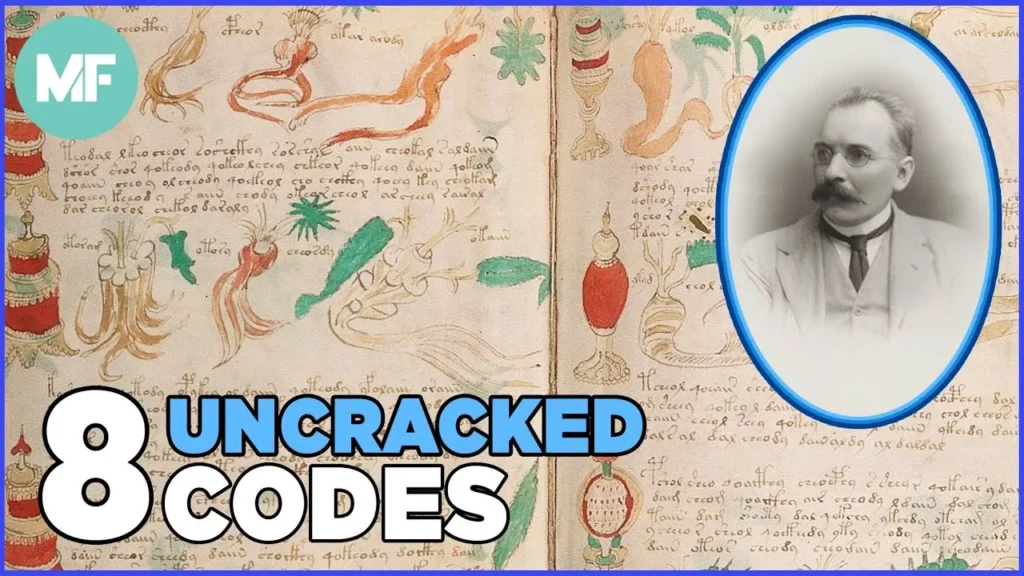
The lesson explores eight enigmatic codes that remain uncracked, highlighting their historical and cultural significance. It delves into the Rongo Rongo script of Easter Island, the Beale Ciphers, the Voynich Manuscript, and other unsolved mysteries, emphasizing the ongoing intrigue and debate surrounding their origins and meanings. Despite extensive efforts by scholars and cryptologists, these codes continue to captivate those seeking to uncover hidden secrets.
25 Amazing Nerdcations Show Ep. 428

This lesson explores 25 unique and fascinating travel destinations that cater to nerdy interests, ranging from natural wonders to literary landmarks and scientific marvels. Highlights include witnessing the synchronized firefly light show in the Great Smoky Mountains, participating in a bison roundup in South Dakota, and exploring the International Spy Museum in Washington, D.C. The lesson encourages curiosity and adventure, inviting travelers to discover experiences that align with their passions.
Misconceptions About Forensic Science
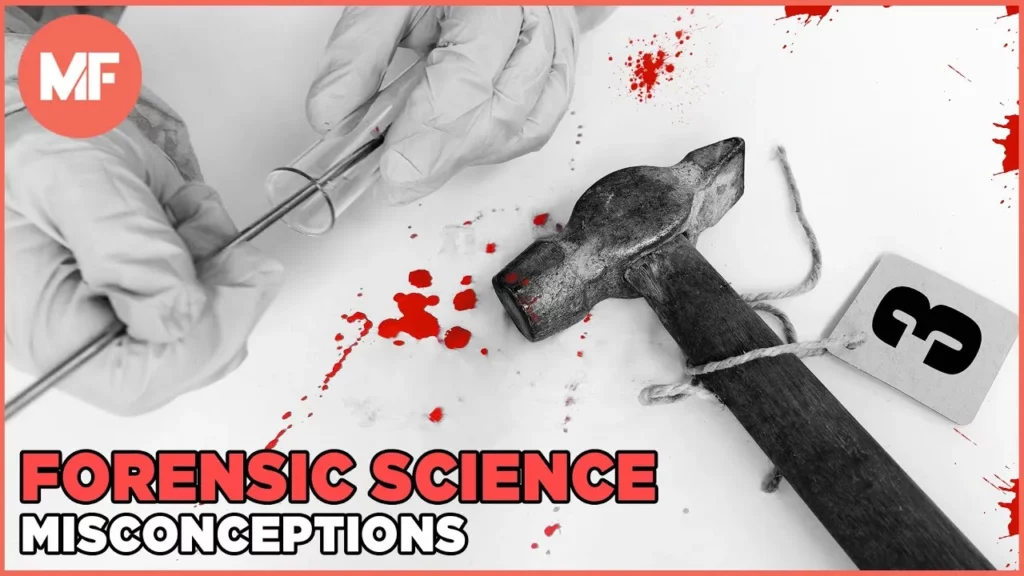
The lesson highlights the misconceptions surrounding forensic science, particularly through the lens of notable cases such as the Scarsdale Diet Doctor case. It emphasizes the limitations and potential unreliability of various forensic methods, including blood spatter analysis, bite mark analysis, and DNA evidence, while also addressing the influence of the “CSI effect” on juror expectations. Ultimately, the lesson calls for a more informed understanding of forensic evidence to ensure its appropriate application in the justice system.
Misconceptions About Bats
The lesson addresses common misconceptions about bats, highlighting that they are often misunderstood due to cultural portrayals, such as in Bram Stoker’s *Dracula*. It clarifies that while vampire bats do exist, they are a small minority that primarily feed on livestock, and emphasizes the ecological benefits of bats, including pest control and pollination. Additionally, it debunks myths about bats being pests, getting caught in hair, being blind, and being related to rats, ultimately portraying bats as beneficial creatures rather than the frightening beings often depicted in popular media.