
30 Stories from Behind the Scenes of Blockbusters

This lesson shares intriguing behind-the-scenes stories from iconic films, revealing unexpected moments and challenges faced by filmmakers and actors. From script changes in *The Empire Strikes Back* to unique prop mishaps in *Rocky*, these anecdotes highlight the creativity and spontaneity that often shape the final product of blockbuster movies. The lesson invites readers to appreciate the hidden complexities and surprises that contribute to the magic of filmmaking.
The Unusual Origins of 9 Household Items

In this lesson, we explore the intriguing origins of various household items, revealing how many were developed through unexpected circumstances or innovative thinking. From the creation of barcodes inspired by Morse code to the accidental invention of smoke detectors and the evolution of products like Lysol and Vaseline, the lesson highlights the fascinating stories behind everyday objects and their impact on our lives.
Misconceptions About the Human Body
The lesson addresses common misconceptions about the human body, such as the belief that most body heat is lost through the head, the standard normal body temperature, the number of bones in the human body, and the definition of the five senses. It clarifies that heat loss through the head is exaggerated, normal body temperature varies, the number of bones can differ among individuals, and humans possess more than just five senses. This highlights the evolving nature of our understanding of human anatomy and physiology.
17 Wild Animal Superlatives
In this lesson, we explore remarkable animal superlatives, highlighting the bootlace worm as the longest animal on Earth, stretching up to 190 feet, and the blue whale as the heaviest, weighing over 200 tons. We also learn about the African savannah elephant as the largest land animal, the incredible strength of dung beetles, and the impressive speeds of cheetahs and peregrine falcons. Additionally, the lesson covers the deadliest creatures, the loudest animals, and some of the oldest and most agile species, showcasing the diverse and fascinating adaptations of wildlife.
Misconceptions about Psychology (Ep. 19)
In this lesson, Elliott addresses common misconceptions about psychology, clarifying that conditions like Tourette’s syndrome do not always involve swearing, and that people are generally attracted to those with similar traits rather than opposites. He also discusses the validity of treatments like electroconvulsive therapy, the limitations of lie detectors, and the differences between psychiatrists and psychologists, while debunking myths such as the Mozart Effect and the misunderstanding of schizophrenia as multiple personalities.
10 Inventions That Changed Food History

The lesson explores ten pivotal inventions that have significantly influenced food history, highlighting their roles in cooking, preservation, and convenience. Key innovations include the wok, which allows for versatile cooking techniques; refrigeration, which has been essential for food preservation; and the invention of sliced bread, which revolutionized how we consume bread. Each invention reflects the evolution of culinary practices and continues to shape our modern dining experiences.
31 Facts about National Parks Show Ep. 515
In this lesson, John Green shares intriguing facts about various national parks in the United States, highlighting their unique histories, geological features, and wildlife. From the military origins of Menominee National Park to the surprising inclusion of sites like the Statue of Liberty within the National Park Service, the lesson celebrates the diverse and often unexpected aspects of these natural treasures. Additionally, it touches on notable events, such as the lightning strikes endured by a park ranger and the historical significance of parks like Yellowstone, emphasizing the rich tapestry of stories that national parks hold.
Spooky Halloween Facts! Scatterbrained
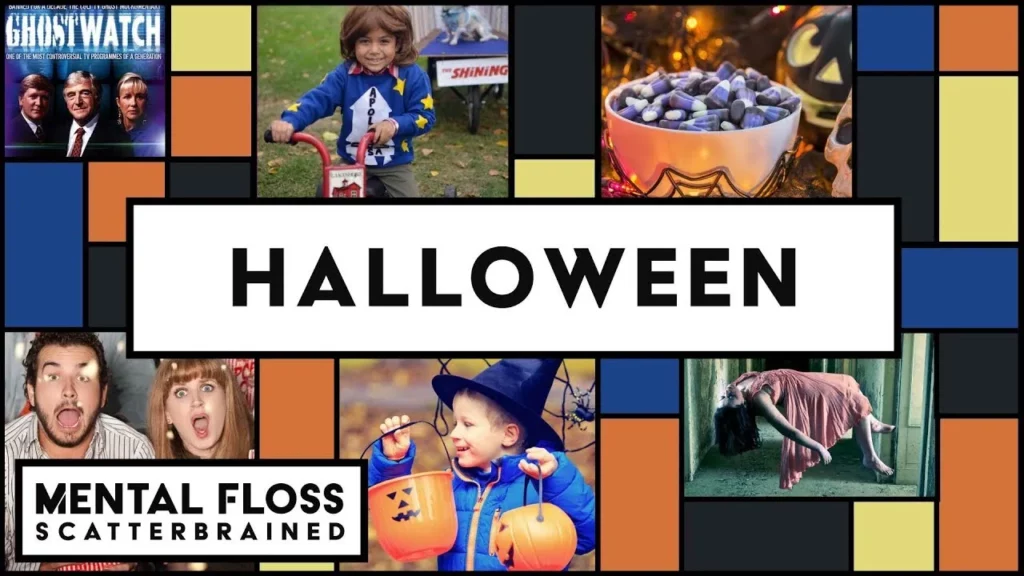
This lesson explores various spooky Halloween facts, debunking myths about poisoned candy and highlighting real-life cases of candy tampering. It also examines the psychological appeal of horror movies and the cultural impact of Halloween-themed media, illustrating why people are drawn to these thrilling experiences. Overall, the article combines historical anecdotes with contemporary research to provide a fun and informative look at Halloween traditions.
16 Facts That Will Warp Your Sense of Time
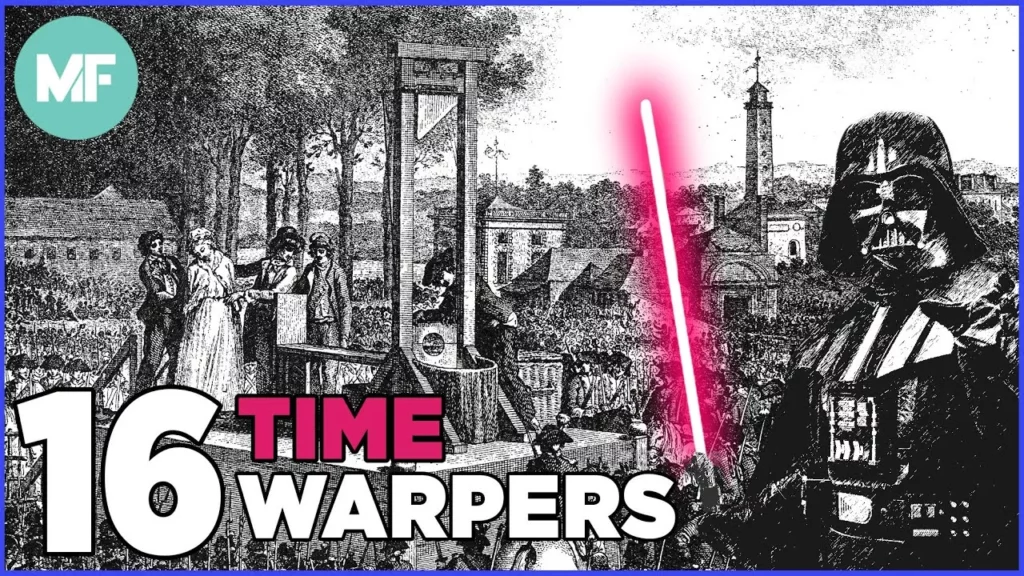
This lesson explores surprising historical facts that challenge our perceptions of time, revealing how events and figures we consider distant are often much closer than we think. From the longevity of the Ottoman Empire and the guillotine’s use into the late 20th century to the coexistence of woolly mammoths and the Pyramids of Giza, the lesson highlights the intricate connections between past and present. Ultimately, it encourages reflection on how our understanding of history can shift dramatically with new perspectives.
Misconceptions about Health Food (Ep. 27)
In this lesson, Elliott addresses common misconceptions about health food, clarifying that many widely held beliefs, such as the superiority of raw food for digestion and the health benefits of dark bread over white bread, are misleading. He emphasizes the importance of scrutinizing food labels and understanding that terms like “natural” and “local” do not always equate to healthier choices, while also highlighting that organic foods may not necessarily contain more nutrients than their non-organic counterparts.