
38 Common Spelling and Grammar Errors (Ep.9)

In this lesson, John Green from Mental Floss highlights 38 common spelling and grammar errors, providing clear explanations and examples to help learners understand and correct them. Key topics include the differences between “lay” and “lie,” the proper use of “who” vs. “whom,” and the distinction between commonly confused words like “your” and “you’re.” The lesson aims to make grammar rules accessible and enjoyable, encouraging viewers to improve their writing skills.
Misconceptions About Deaf People
The lesson addresses common misconceptions about deaf people, emphasizing that deafness is solely related to hearing and does not imply mobility issues, the ability to read Braille, or limitations in driving. It highlights the diversity within the deaf community, including communication preferences and career opportunities, while also clarifying that cochlear implants are not a universal solution and that many deaf individuals prefer to identify as part of a vibrant culture rather than as “hearing impaired.” Understanding these misconceptions fosters respect and appreciation for the deaf community.
6 Hoaxes People Actually Believed

The lesson explores six notable hoaxes that captivated public belief, highlighting the importance of skepticism in the face of seemingly credible information. From the infamous spaghetti tree hoax aired by the BBC to the bizarre claims of Mary Toft giving birth to rabbits, each story illustrates how easily people can be misled. These examples serve as a reminder to critically evaluate the sources of information we encounter, especially on days known for pranks like April Fool’s Day.
28 Fascinating Facts About Time

The lesson explores the multifaceted nature of time, highlighting how our perception of it is influenced by biology, culture, and scientific principles. It discusses the variability in time perception across cultures, the impact of activities on our experience of time, and the evolution of timekeeping methods, including the development of calendars and time zones. Additionally, it touches on Einstein’s theory of relativity, which revolutionized our understanding of time as a relative concept, and speculates on the possibilities of time travel.
Misconceptions About the ’90s
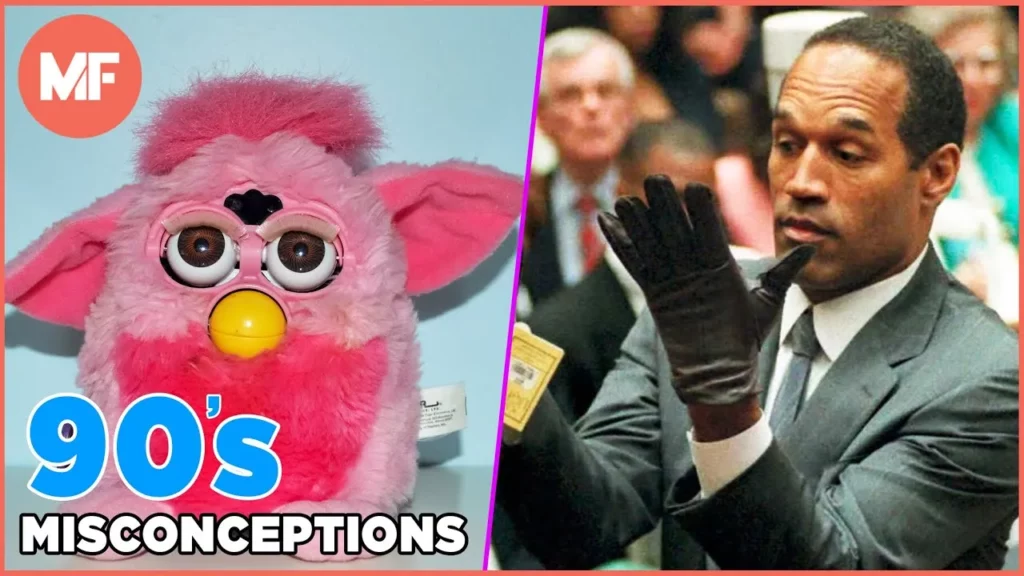
The lesson explores various misconceptions from the 1990s, highlighting how cultural phenomena like Furbies, the O.J. Simpson trial, Y2K, and the identities of Mary-Kate and Ashley Olsen were often misunderstood. It clarifies that Furbies were not spies, the O.J. trial involved more than just the infamous gloves, and the Y2K scare was largely overblown. Additionally, it addresses the distinction between ’90s kids and Millennials, as well as the collaborative nature of the internet’s creation, debunking the myth that Al Gore invented it.
7 Strange Scientific Mysteries

The lesson explores seven intriguing scientific mysteries that continue to baffle researchers, including cases of unexpected language changes following brain injuries, the unexplained Tunguska Event, and the enigmatic Patom Crater. It also delves into phenomena like the placebo effect, the unique Morning Glory clouds, the mysterious death of Mary Reiser, and unexplained sounds from nature. These mysteries highlight the ongoing evolution of science and the importance of curiosity in understanding the world.
Misconceptions About the Middle Ages

The lesson addresses common misconceptions about the Middle Ages, emphasizing that people during this time understood the Earth was round and were not as ignorant as often portrayed. It highlights the period’s advancements in art, architecture, and education, as well as the global connections fostered through travel and cultural exchange. Ultimately, the Middle Ages were marked by significant progress, challenging the notion of a “Dark Age” filled with ignorance and filth.
How Unsolved Mysteries Became TV’s First True-Crime Hit
The lesson explores the rise of “Unsolved Mysteries,” a groundbreaking TV show that transformed the true-crime genre when it premiered in 1987. Initially focused on missing persons, the show expanded to cover a variety of mysterious cases, gaining popularity through its dramatic reenactments and the compelling narration of host Robert Stack. Its success not only captivated audiences but also contributed to solving numerous real-life cases, leaving a lasting legacy that continues with its revival on Netflix.
35 Lesser-Known Inventions of Famous Inventors | List Show | 533

This lesson explores the lesser-known inventions of famous inventors, highlighting their diverse contributions beyond their most recognized achievements. From Alexander Graham Bell’s metal detector to George Washington Carver’s peanut cream, the lesson showcases a variety of innovative gadgets and ideas that reflect the inventors’ creativity and problem-solving skills. Through these stories, we gain insight into the broader impact of these inventors on technology and society.
18 Famous People Who Are Missing Body Parts (Ep.202)
In this episode of MentalFloss, host Josh Sundquist highlights the inspiring stories of famous individuals who have overcome the challenges of missing body parts, particularly in recognition of Amputee Awareness Month. From actors like Robert David Hall and Matthew Perry to adventurers like Aron Ralston and surfers like Bethany Hamilton, these remarkable figures demonstrate resilience and determination in the face of adversity. The lesson also touches on intriguing facts about fingernail growth, encouraging viewers to engage with curious questions.