
16 Old-Timey Insults We Should Bring Back
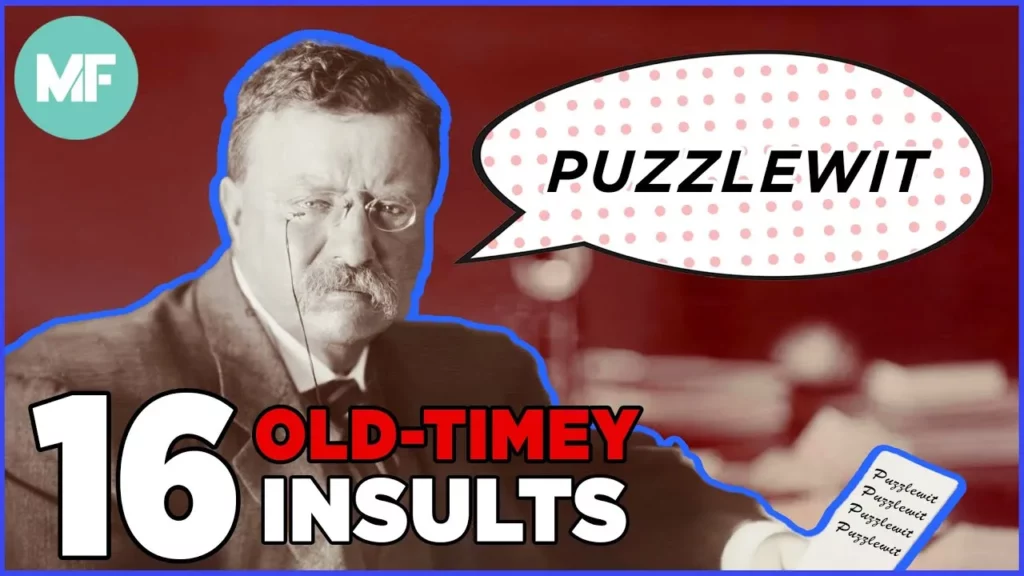
In this lesson, Erin McCarthy highlights 16 old-timey insults that could add flair to modern conversations, emphasizing their cleverness compared to contemporary insults. Each term, such as “shabaroon” and “puzzlewit,” is accompanied by its origin and meaning, showcasing the richness of language and the potential for creative expression in everyday interactions. The lesson encourages readers to revive these unique insults for a more colorful way to address unkind behavior.
28 Birthday Traditions From Around the World (Ep.201)

In this lesson, John Green explores diverse birthday traditions from around the world, highlighting how different cultures celebrate this special day in unique ways. From Denmark’s flag display to Brazil’s earlobe-pulling and Vietnam’s collective celebrations during Tet, the lesson showcases the rich tapestry of customs associated with birthdays globally. Additionally, it touches on significant age milestones in various cultures, emphasizing the importance of these celebrations in marking personal and communal transitions.
How JNCO Jeans Made Absurd Fashion History

The lesson explores the rise and fall of JNCO jeans, a fashion phenomenon from the 1990s that became emblematic of teenage rebellion and self-expression. Founded by the Rava brothers, JNCO jeans gained popularity for their ultra-wide legs and urban aesthetic, appealing to teens who sought to defy authority and school dress codes. Despite their initial success and clever marketing strategies, the brand eventually declined as fashion trends shifted, but it was later revived to cater to nostalgic consumers, highlighting its lasting impact on fashion history.
26 Facts about Libraries Show Ep. 518

In this lesson, John Green shares intriguing facts about libraries, highlighting their rich history, unique collections, and cultural significance. From the oldest operating library in Morocco to the Library of Congress’s vast collection and quirky items, the lesson emphasizes libraries as vital community resources that foster learning and connection. Additionally, it touches on innovative projects like the Human Library and library vending machines, showcasing the evolving role of libraries in modern society.
23 Unusual Animals (Ep. 31)

In this lesson, Emily from the Brain Scoop introduces a variety of unusual animals, highlighting their unique traits and fascinating behaviors. From the rare cloud rat and the quirky saiga antelope to the peculiar aye-aye and the colorful oscillated turkey, each creature showcases the incredible diversity of the animal kingdom. The lesson encourages curiosity and exploration of these remarkable species, many of which face conservation challenges.
The Real Origins of 13 Mythical Creatures
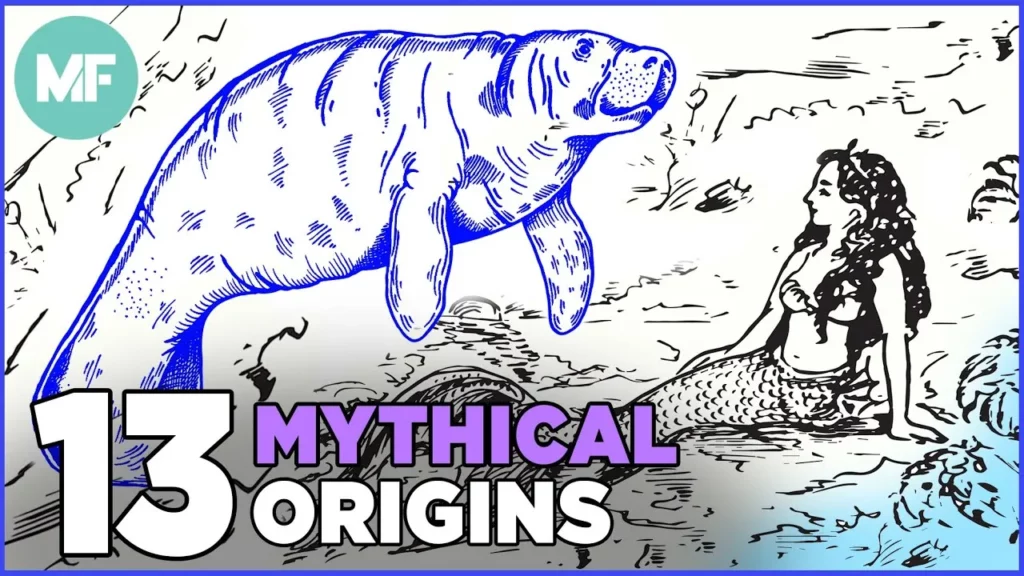
The lesson explores the origins of various mythical creatures, revealing how many of these legends are rooted in real animals or cultural beliefs. For example, unicorns may have been inspired by oryxes and rhinoceroses, while mermaids were likely misidentified manatees. The lesson highlights how stories of creatures like werewolves, vampires, and dragons have evolved over time, often influenced by historical events and natural phenomena.
Misconceptions About the Victorian Era
The lesson dispels several common misconceptions about the Victorian Era, highlighting that the period was not as prudish as often portrayed. Myths such as the scandal over exposed table legs, the excessive modesty of Victorians, and the origins of the vibrator are examined, revealing a more nuanced reality that includes humor, erotic literature, and cultural complexity. Ultimately, the Victorian Era was marked by contradictions, showcasing a rich tapestry of social norms and artistic expression.
31 Explosive Facts about Volcanoes Show Ep. 508

This lesson explores the fascinating world of volcanoes, highlighting their significance in shaping the Earth’s surface and their impact on climate and human history. It covers key concepts such as the classification of volcanoes, the Volcanic Explosivity Index, and unique volcanic phenomena, while also touching on cultural references and ongoing scientific discoveries. Through engaging facts and examples, the lesson emphasizes the dynamic nature of volcanoes and their role in both natural and human environments.
Misconceptions about English (Ep. 26)
In this lesson, Elliott from Mental Floss addresses common misconceptions about the English language and grammar, highlighting that many widely held beliefs are actually myths. He discusses various points, such as the acceptability of starting sentences with conjunctions, the flexibility of paragraph length, and the evolving meanings of words like “literally” and “decimate,” emphasizing the importance of understanding context and consistency in language use.
History of Fun: Cooperative Board Games
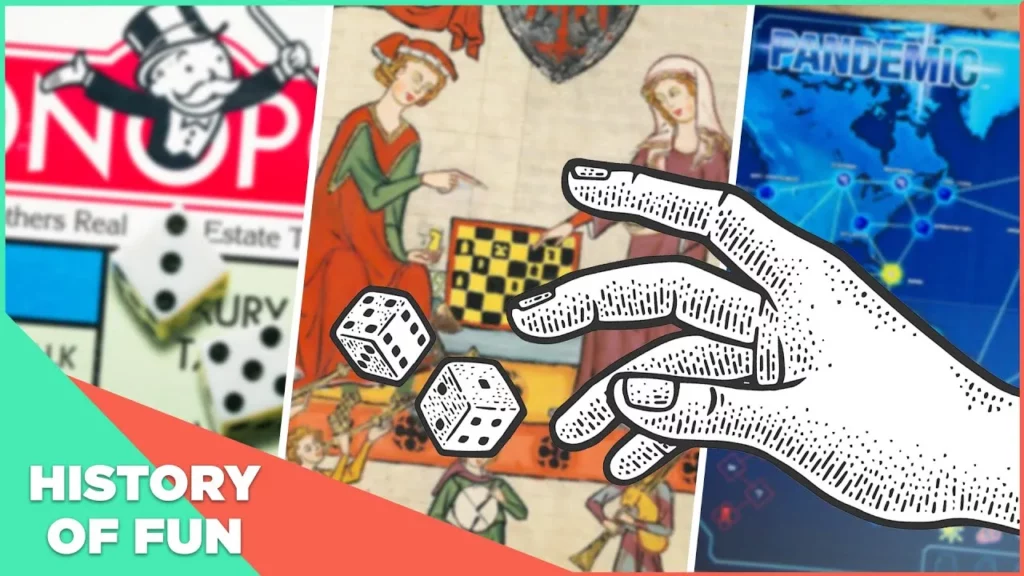
The lesson explores the history and evolution of cooperative board games, beginning with Elizabeth Maggie’s “The Landlord’s Game” in 1903, which introduced the concept of players working together for mutual benefit. It highlights the growing popularity of cooperative games, such as “Pandemic” and “Gloomhaven,” emphasizing their ability to foster teamwork and shared experiences, even in defeat. The lesson also discusses the social and educational value of these games, showcasing how they enhance collaboration and community engagement in a fun and meaningful way.