
What’s the difference between American and Canadian Thanksgiving? – Big Questions – (Ep. 212)

The lesson explores the differences between American and Canadian Thanksgiving, highlighting their unique histories, dates of celebration, and cultural significance. Canadian Thanksgiving, celebrated on the second Monday of October, originates from a 1578 feast by Sir Martin Frobisher and focuses on the harvest, while American Thanksgiving, held on the fourth Thursday of November, commemorates the Pilgrim Harvest Festival of 1621. Both holidays feature traditional meals, but the customs and foods can vary, reflecting the distinct cultural identities of each country.
The Roller Coaster’s Thrilling History

The lesson explores the thrilling history of roller coasters, tracing their origins from 15th-century Russian sled rides to modern marvels like the Shell Razor, which boasts the steepest drop in the world. It highlights key developments in roller coaster design, including the introduction of carriages, loops, and safety features, while also acknowledging influential figures like Lamarcus Thompson, who helped popularize American roller coasters. The evolution of these rides reflects humanity’s enduring fascination with speed and excitement, paving the way for future innovations in thrill rides.
A Well-Rounded History of Bagels
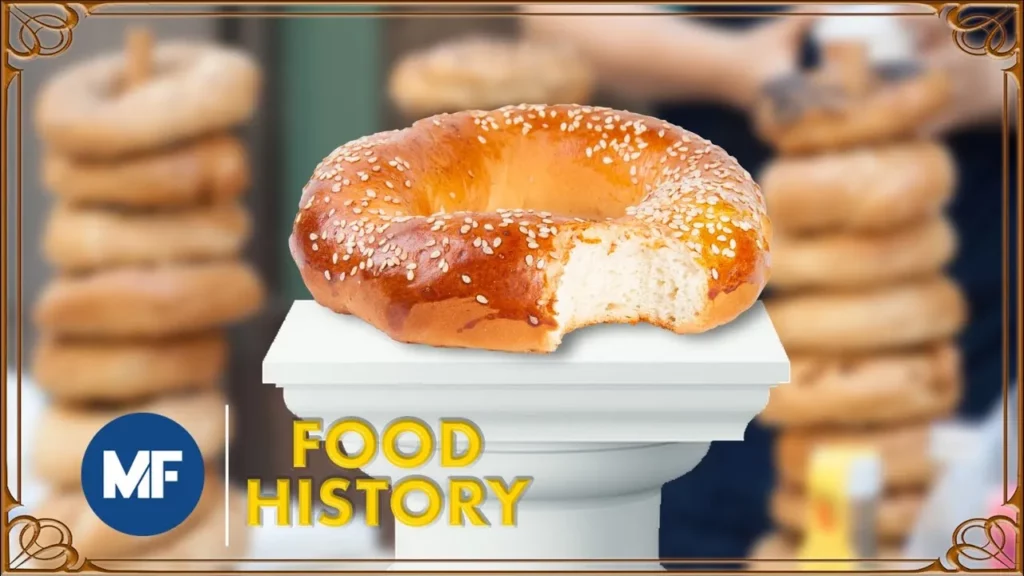
The lesson provides a comprehensive overview of the history and evolution of bagels, tracing their journey from a local favorite among Jewish immigrants in 19th-century America to a widely enjoyed breakfast item by 2020. It highlights the unique preparation methods, including boiling and resting the dough, which contribute to the bagel’s distinctive texture, and discusses the cultural significance and variations, such as Montreal-style bagels. Additionally, the lesson touches on the impact of labor unions in the bagel industry and the introduction of frozen bagels, which revolutionized their availability across the U.S.
The Disputed History of the Hot Dog
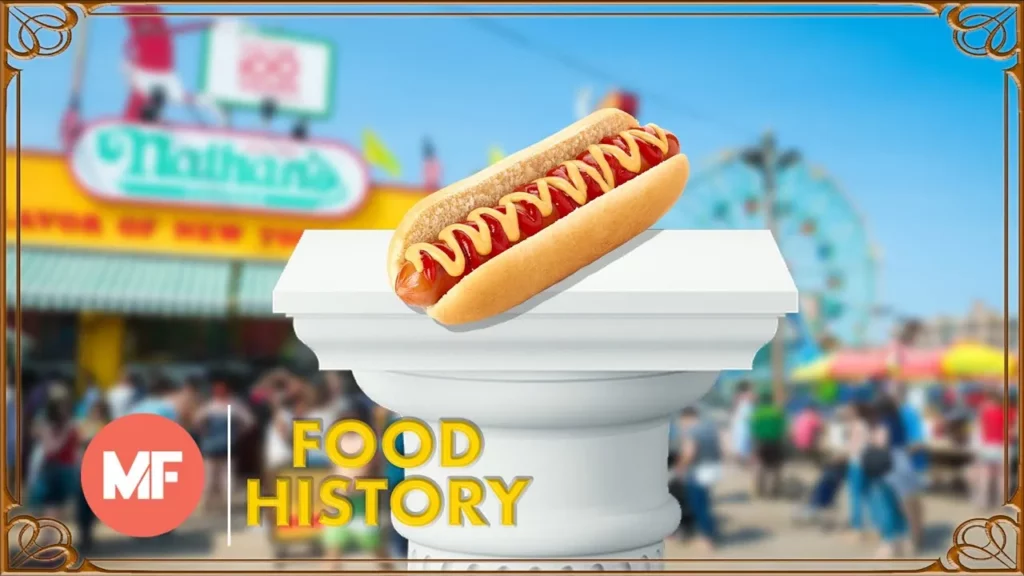
The lesson explores the intriguing and often disputed history of the hot dog, highlighting the origins of Nathan’s Famous hot dog eating contest and the complexities surrounding its inception. While the contest is popularly believed to have started in 1916, evidence suggests it may have been fabricated for marketing purposes, with the first documented contest occurring in 1967. Additionally, the lesson delves into the hot dog’s origins, its various cultural interpretations, and the ongoing debate about whether it qualifies as a sandwich, showcasing its significance in American food culture.
27 Facts about James Bond Show Ep. 416

In this lesson, Elliott Morgan shares 27 fun facts about the iconic character James Bond, exploring his origins, notable actors, and behind-the-scenes anecdotes. From the character’s creation by Ian Fleming to the introduction of memorable elements like “Q” and the famous Bond theme, the lesson highlights both official and unofficial Bond films, as well as interesting trivia about the actors and songs associated with the franchise. Overall, it provides an engaging overview of the cultural impact and legacy of the world’s most famous spy.
Why does my hair feel dry from chlorine? – Big Questions – (Ep. 205)

In this lesson, Craig explains why hair feels dry after swimming in chlorine pools, highlighting that chlorine breaks down the natural oils (sebum) that keep hair moisturized. He also clarifies that while chlorine can cause a green tint in light-colored hair due to reactions with metals like copper, it doesn’t directly turn hair green. To protect hair from chlorine damage, he suggests rinsing with clean water before swimming, using a pre-swim conditioner, or wearing a swim cap.
Why Are White Diamonds So Expensive? – Big Questions (Ep. 10)

This lesson explores the reasons behind the high cost of white diamonds, focusing on the four key factors known as the “four C’s”: color, cut, clarity, and carat. Each of these elements significantly influences a diamond’s beauty and rarity, with the cut affecting its sparkle, clarity determining its imperfections, carat representing its weight, and color indicating its purity. Understanding these factors helps explain why white diamonds are considered particularly valuable.
26 Little Things That Changed History Forever Show (Ep. 234)

In this lesson, John Green explores how seemingly minor events and misunderstandings have had significant impacts on history. From a misinterpreted Japanese word influencing the decision to drop atomic bombs to the accidental invention of safety glass, these stories illustrate that small actions can lead to monumental consequences. The lesson emphasizes the importance of recognizing the interconnectedness of events in shaping our world.
Misconceptions About Sex

The lesson on misconceptions about intimacy highlights the differences between intimacy and exercise, revealing that while intimacy has health benefits, it does not burn as many calories as a moderate workout. It also addresses common myths surrounding intimacy, such as the definition of losing virginity, the potential for pregnancy during menstruation, and the transmission of infections through oral activities. By debunking these misconceptions, the lesson emphasizes the importance of understanding sexual health and fostering open discussions about intimacy.
The History of Magic: From Ancient Scams to Las Vegas
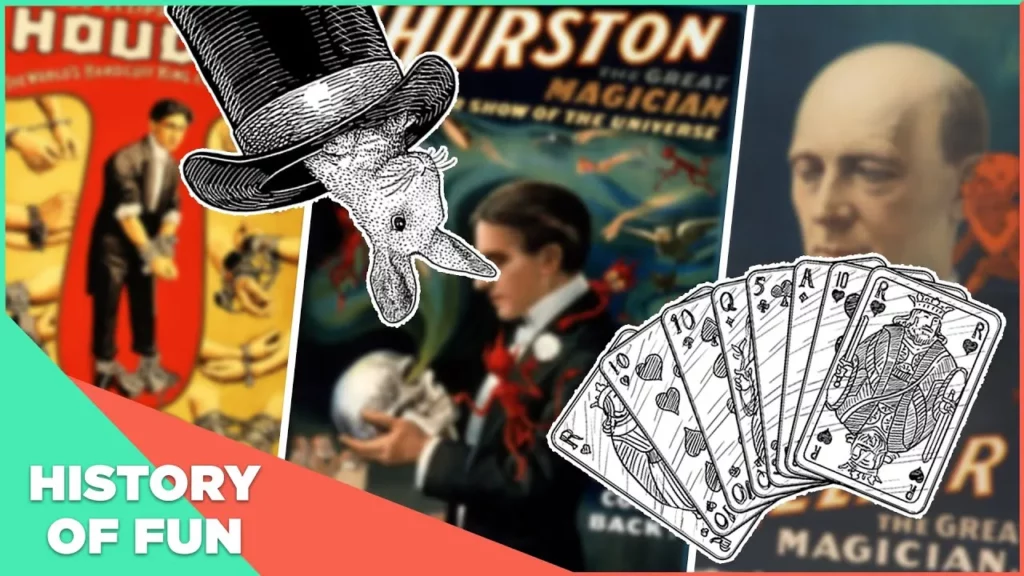
The lesson explores the rich history of magic as a form of entertainment, tracing its origins from ancient Egypt to modern-day performances in Las Vegas. It highlights the evolution of magic tricks, the transition from scams to respected art forms, and the psychological appeal of magic that captivates audiences by playing with perception and the thrill of the impossible. Ultimately, the lesson emphasizes that while magic continues to adapt with technology, the fundamental joy of experiencing illusions remains timeless.