
10 of the Unluckiest People in History
In this lesson, we explore the intriguing stories of ten of the unluckiest people in history, highlighting their misfortunes and the unpredictable nature of life. From a filmmaker excluded from a life-changing lottery win to a man whose farm was a battlefield during the Civil War, these narratives showcase resilience and the human spirit in the face of adversity. Each tale serves as a reminder of how unexpected events can shape our lives, often with a blend of humor and determination.
30 Harry Potter Spells and Word Origins

This lesson explores the origins and meanings of various terms and spells from the Harry Potter series, highlighting how J.K. Rowling creatively derived names and words to enrich the magical world. For instance, “muggle” is a playful term for non-magical people, while spells like “expelliarmus” and “lumos” draw from Latin roots. The lesson also delves into character names and their meanings, showcasing Rowling’s thoughtful approach to language in her storytelling.
25 Things You Didn’t Know About Dreams Show Ep. 321

This lesson delves into the intriguing world of dreams, highlighting their nature, frequency, and the various factors that influence them. Key points include the potential benefits of video gaming on lucid dreaming, the emotional content of dreams, and the phenomenon of precognitive dreams, alongside fascinating insights into dream recall, the impact of scents, and gender differences in dream content. Overall, the lesson emphasizes the complexity of dreams and their significance across different cultures and experiences.
Misconceptions about Lawns (Ep. 18)
In this lesson, Elliott addresses common misconceptions about lawn care, emphasizing that brown grass may simply be dormant rather than dead, and that cutting grass too short can actually harm it. He also clarifies the importance of proper fertilization timing, the benefits of clovers and grass clippings, and the helpful roles of moles, ants, and worms in maintaining a healthy lawn.
13 Unbelievable Unfinished Projects

The lesson explores various notable unfinished projects across different fields, including art, literature, architecture, and film. Examples include Gilbert Stuart’s unfinished portrait of George Washington, Chaucer’s incomplete *The Canterbury Tales*, and the ongoing construction of Barcelona’s Basilica de la Sagrada Familia. These unfinished works highlight the challenges of realizing ambitious ideas and serve as intriguing reminders of what could have been, inspiring future creativity.
1 Misconception About Each Planet
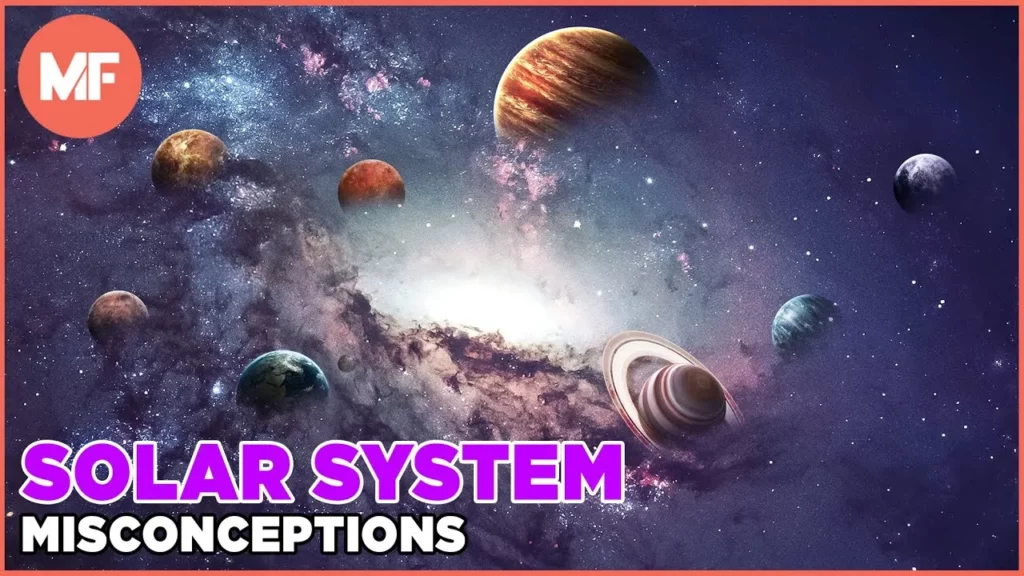
The lesson addresses common misconceptions about our solar system, particularly the reclassification of Pluto from a planet to a dwarf planet by the International Astronomical Union in 2006, based on specific criteria for planetary status. It also highlights intriguing facts about each planet, such as Mercury being the closest but not the hottest, Venus having the highest temperatures, and Earth’s irregular shape, while providing insights into the unique characteristics of the other planets, including gas giants like Jupiter and Saturn, and the distant worlds of Uranus and Neptune.
Nintendo: From A “Love Hotel” to Video Game Dominance

The lesson outlines Nintendo’s evolution from a struggling playing card company in the 1960s to a dominant force in the video game industry by the late 1980s. Despite early failures in various business ventures, Nintendo found success by focusing on video games, launching popular products like the Game & Watch and the Nintendo Entertainment System (NES), and creating iconic games through talented developers like Shigeru Miyamoto. Their commitment to quality control and innovative marketing strategies ultimately solidified their legacy and transformed the gaming landscape.
Food History: Coffee and Tea
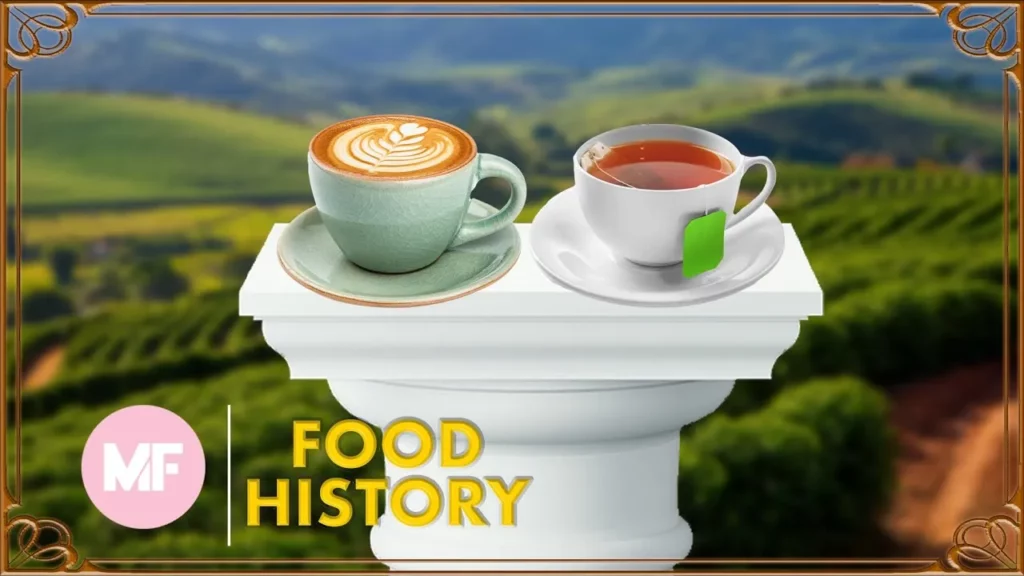
The lesson explores the rich history of coffee and tea, highlighting their significant cultural, economic, and historical impacts. It delves into their mythical origins, the labor-intensive processes of cultivation, and their roles in religious practices and social movements, such as the Enlightenment and the American Revolution. Ultimately, the lesson emphasizes how these beverages have shaped societies globally and continue to hold cultural significance today.
Food History: Fruitcake
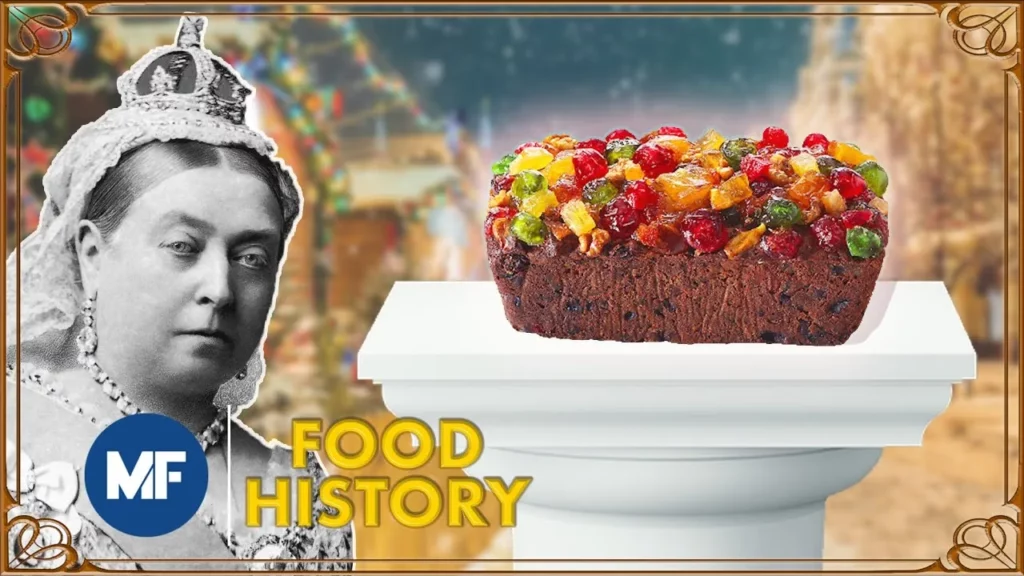
The lesson on fruitcake explores its historical significance, tracing its origins from ancient Rome to its evolution in Europe, particularly in England during the Victorian era when it became associated with Christmas celebrations. The discovery of a well-preserved fruitcake from Robert Falcon Scott’s ill-fated Antarctic expedition highlights its durability and nutritional value, making it a practical choice for explorers. Despite mixed opinions about its taste, fruitcake remains a notable part of culinary history, symbolizing tradition and longevity.
11 Curious Facts About Books & Authors

In this lesson, Erin McCarthy shares intriguing facts about notable authors and their unique career paths, highlighting how their experiences influenced their literary works. From George Orwell’s role as a propagandist during WWII to Kazuo Ishiguro’s time as a grouse beater, the lesson explores unexpected connections among writers and their creative processes, including title changes and memorable beginnings in their novels. Additionally, it touches on the quirky culinary ideas of F. Scott Fitzgerald and the motivational notes of Octavia Butler, celebrating the diverse backgrounds and inspirations of beloved authors.