
1 Funny Town Name From Each State

This lesson explores the amusing and often quirky names of towns across the United States, highlighting the unique stories behind each name. From Hell, Michigan, to Why, Arizona, and Bumpass, Virginia, these towns embrace their humorous identities, often reflecting historical events, local legends, or geographical features. Each name adds a layer of charm and intrigue, making these places interesting destinations for exploration and learning.
Food History: TV Dinners
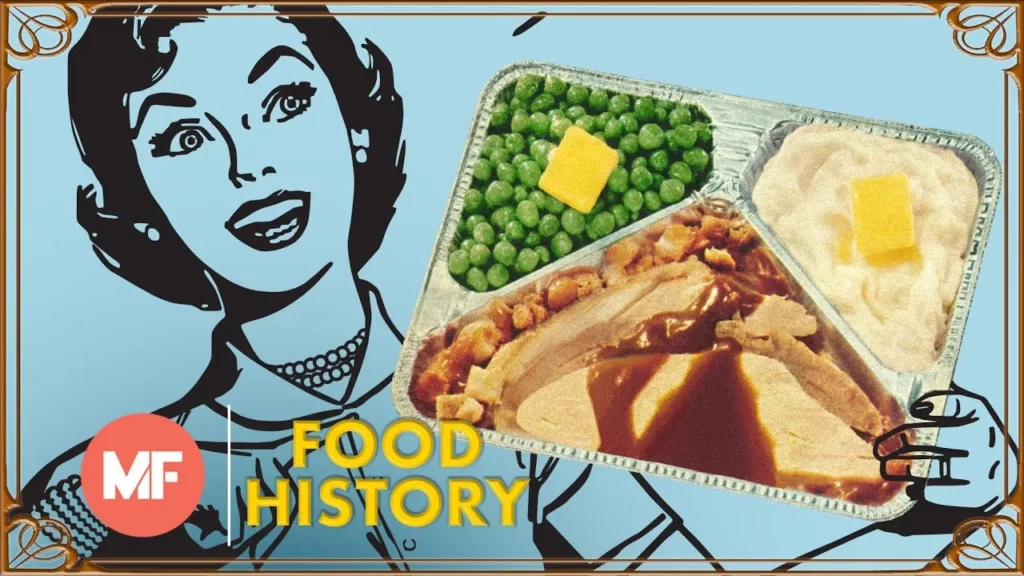
The lesson on TV dinners explores their origins, particularly the story of Jerry Thomas and Swanson’s innovative approach to using leftover Thanksgiving turkey to create a convenient meal option in 1952. It highlights the impact of refrigeration technology on food storage and preparation, which allowed for the rise of frozen meals, and discusses the balance between convenience and nutrition that TV dinners represent. The lesson also touches on the marketing strategies that linked TV dinners to the growing popularity of television in American households.
Food History: Bacon Egg & Cheese
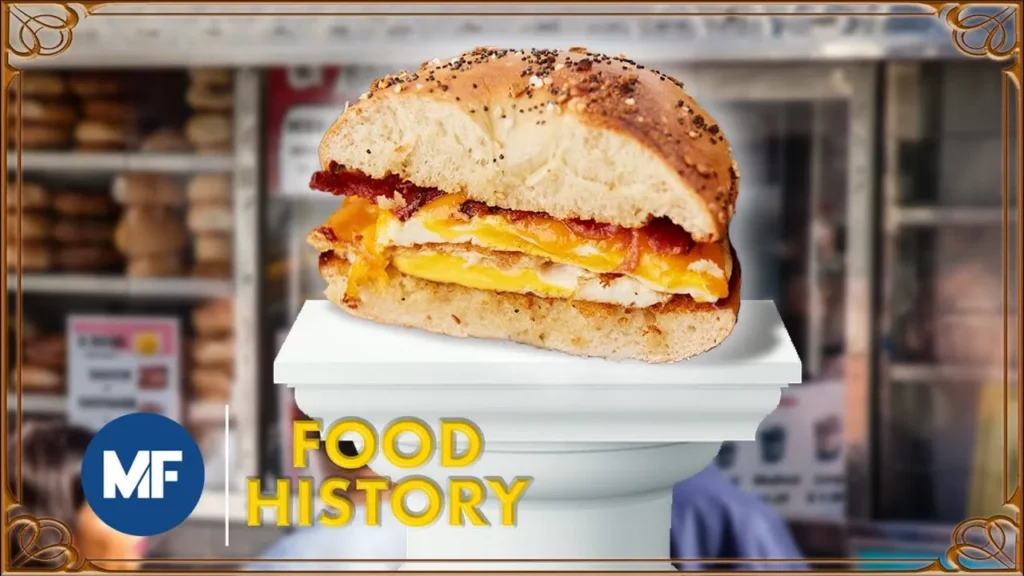
The lesson explores the history and cultural significance of the bacon, egg, and cheese sandwich, highlighting its origins during the Industrial Revolution and its evolution into a beloved breakfast staple in New York City and beyond. It discusses the sandwich’s practicality, affordability, and the various global variations of egg sandwiches, while also examining the role of public relations in popularizing bacon and processed cheese. Ultimately, the bacon, egg, and cheese sandwich exemplifies a perfect blend of convenience and flavor, making it a cherished choice for many.
50 Weird Laws (Ep.5)

In this lesson, John Green explores 50 bizarre laws from various states across the United States, highlighting the unusual and sometimes humorous regulations that exist. From Vermont’s protection of clotheslines to Alabama’s prohibition against impersonating a religious figure, the lesson showcases the quirky side of American legislation, illustrating how these laws can reflect cultural values and local concerns.
Misconceptions about the Ocean (Ep. 44)
In this lesson, Elliot addresses common misconceptions about the ocean, highlighting that seawater’s saltiness comes from a mix of minerals, not just table salt, and that ocean depth varies with features like trenches and mountains. He clarifies the differences between undertows and rip currents, explains the nature of rogue waves, and dispels myths about icebergs, the ocean’s color, and marine animals such as corals, dolphins, and whales. Overall, the lesson emphasizes the complexity and richness of oceanic knowledge that often goes misunderstood.
Misconceptions About Cryptocurrency

The lesson addresses common misconceptions about cryptocurrency, particularly focusing on Bitcoin. It clarifies that Bitcoin has a capped supply of 21 million coins, operates differently from traditional currencies, and is not guaranteed to increase in value. Additionally, it highlights the environmental impact of Bitcoin mining, the distinction between cryptocurrencies and NFTs, and the ongoing regulatory challenges faced by digital currencies.
8 Real Secret Societies
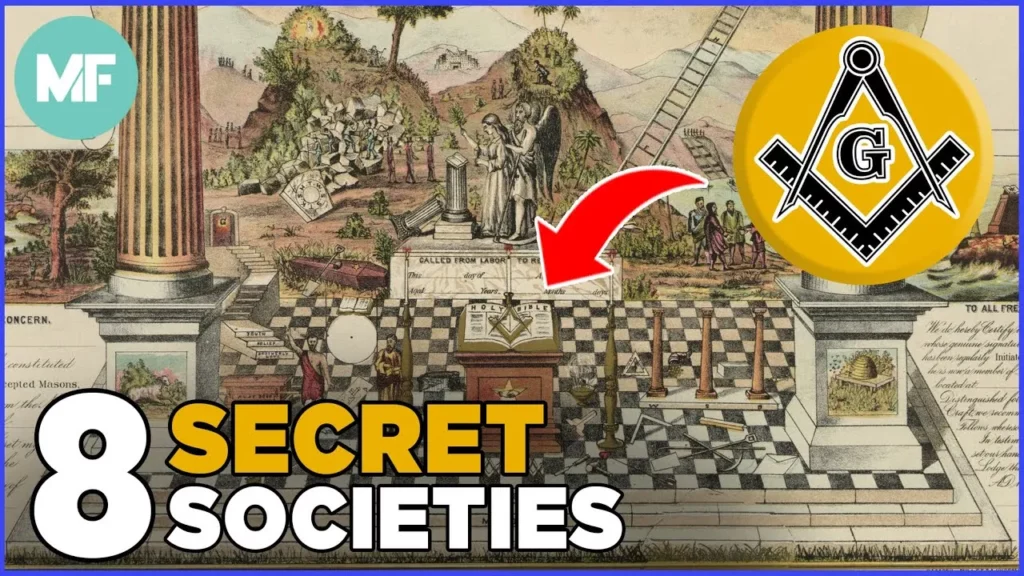
The lesson explores the allure and significance of various secret societies, highlighting their unique rituals, exclusive memberships, and notable members. From the artistic Bohemian Club and the elite Skull and Bones at Yale to the adventurous Explorers Club and the historically rich Freemasons, these groups reflect a blend of camaraderie, influence, and mystery that continues to captivate public interest. Ultimately, the lesson underscores the enduring fascination with these societies and their impact on culture and history.
Misconceptions About The Amish

The lesson addresses common misconceptions about the Amish, highlighting that they are not entirely isolated from modern society and technology. While they maintain unique practices and values, such as using horse-drawn buggies and gathering for worship in homes, many Amish individuals successfully run businesses and navigate a complex relationship with technology based on community guidelines. Ultimately, the lesson emphasizes the importance of understanding the shared values of family, community, and simplicity that resonate with broader society.
23 Money Tips for Any Occasion Show (Ep. 229)

In this lesson, John Green shares 23 unique money-saving tips that cover various aspects of spending, from shopping strategies to negotiation techniques. Key insights include the impact of shopping environments on spending behavior, practical savings methods like toilet training cats, and creative ways to utilize savings, such as renting unique locations. Overall, the lesson emphasizes smart financial habits and fun alternatives to traditional spending.
Misconceptions about Illegal Drugs (Ep. 37)
In this lesson, Elliott from Mental Floss addresses common misconceptions about illegal drugs and marijuana, highlighting that many widely held beliefs are inaccurate. For instance, the notion that everyone in the 1960s was a marijuana user is debunked by polling data, while myths about LSD’s effects and the supposed dangers of “crack babies” are clarified with research findings. The lesson emphasizes the importance of understanding the realities of drug use and addiction, rather than relying on urban legends and misconceptions.