
Misconceptions About Love

The lesson addresses common misconceptions about love, emphasizing that people are generally more attracted to similarities rather than differences in relationships, as supported by research on social dynamics and attraction. It also explores the role of oxytocin in fostering trust and connection, the complex origins of Valentine’s Day, and the nuances of marriage and divorce trends, while distinguishing between romantic and platonic love. Overall, the lesson encourages a deeper understanding of love beyond popular myths.
Everything You Need to Know about Space Scatterbrained
In this lesson, we explored the fascinating world of space exploration, highlighting both the challenges faced by various missions to planets like Venus and Mars and the quirky items astronauts have taken into space. From early failures like the Pioneer II and Mariner 1 missions to the unique human studies conducted aboard the International Space Station, we learned how space travel impacts both technology and human health. Additionally, we discovered the lighter side of space with unusual items, such as toys and personal mementos, that astronauts have brought along, showcasing the blend of serious research and personal touches in the journey beyond Earth.
31 Facts About Sharks | List Show | 534

This lesson explores the fascinating world of sharks, highlighting their diversity with over 500 species, their unique behaviors, and their historical significance. It debunks common myths, such as the fear surrounding shark attacks, which are extremely rare, and emphasizes the importance of conservation efforts. Additionally, it shares intriguing facts about various shark species, their adaptations, and their long-standing presence in the ocean ecosystem.
How Did April Fools Day Come About? – Big Questions (Ep.4)

The lesson explores the origins of April Fool’s Day, highlighting its connections to various ancient festivals such as Hilaria, Holi, and the Feast of Fools, which all feature elements of playfulness and trickery. It explains that the celebration on April 1st stems from historical changes in the calendar, where some people continued to observe the New Year during this time, leading to the term “April fools” for those who were pranked. Overall, the holiday is a blend of diverse traditions and cultural practices.
21 Defunct Disney Rides and Lands | List Show | 535

This lesson explores 21 defunct Disney rides and lands, highlighting their unique themes and experiences, such as the celebrity-filled Superstar Limo and the thrilling ExtraTERRORestrial Alien Encounter. It also discusses various attractions that have been replaced or revamped over the years, including the nostalgic Submarine Voyage and the educational Adventure Through Inner Space. The lesson concludes by reflecting on unbuilt concepts like Lilliputian Land, showcasing the imaginative history of Disney parks.
The History of Pizza is Deliciously Debatable
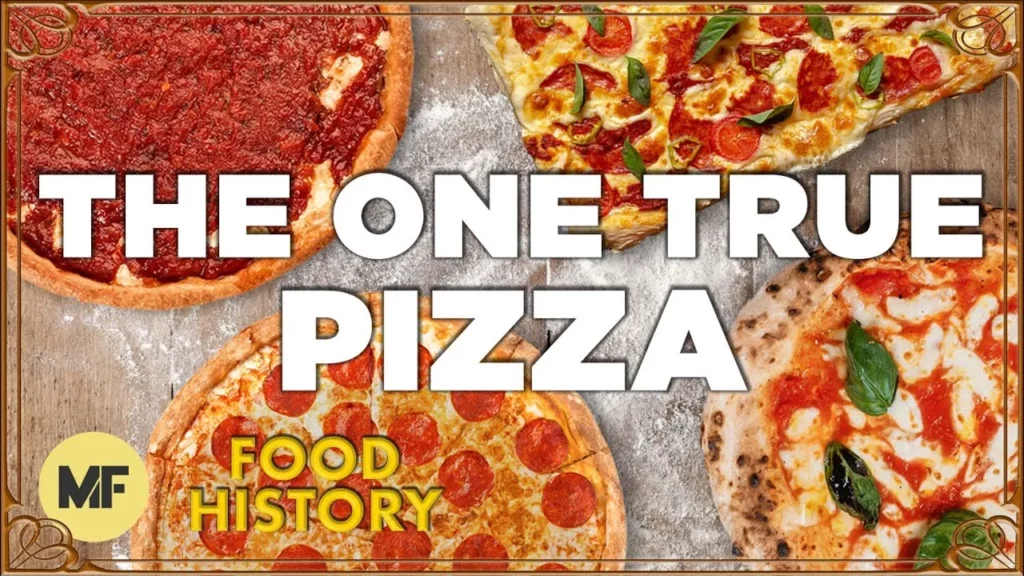
The lesson explores the rich and often debated history of pizza, highlighting its origins, various styles, and cultural significance. It discusses myths surrounding pizza’s creation, such as the story of Queen Margherita and the influence of U.S. soldiers during World War II, while also examining the evolution of pizza ingredients and regional variations. Ultimately, the lesson emphasizes pizza’s status as a beloved global dish that reflects diverse culinary traditions.
Misconceptions about Sharks (Ep. 30)

This lesson addresses common misconceptions about sharks, revealing the truth about their eyesight, diet, intelligence, and behavior. It clarifies that sharks have excellent vision, are selective eaters, and can even breathe while stationary, while also debunking myths about their supposed invulnerability to cancer and the nature of their predators. Overall, the lesson emphasizes the need for a better understanding of these fascinating creatures and the challenges they face from human activities.
Misconceptions About Serial Killers
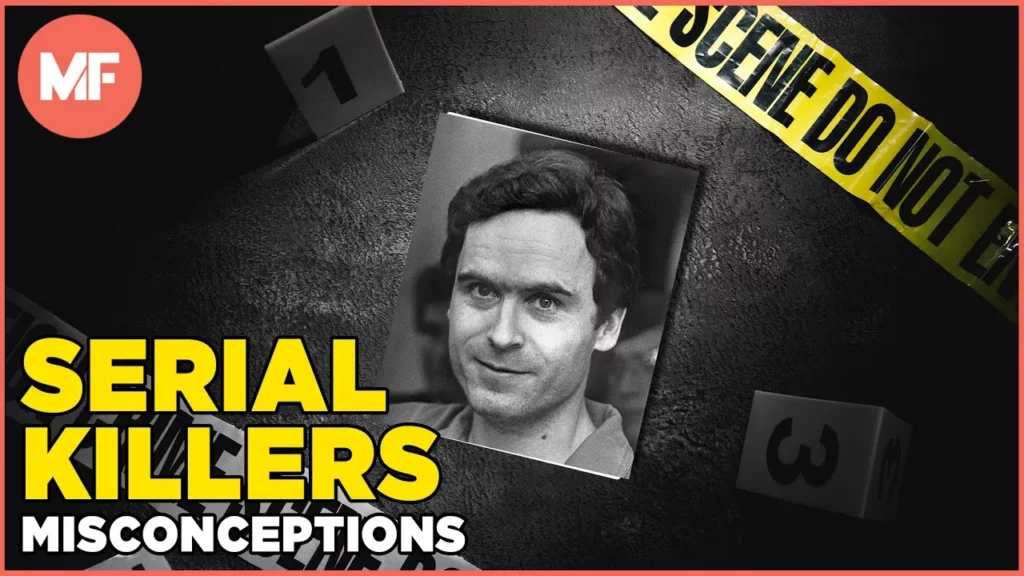
The lesson addresses common misconceptions about serial killers, emphasizing that they are not necessarily highly intelligent or mentally ill, and that their average IQ is comparable to the general population. It highlights that many serial killers lead normal lives, often have varied motives beyond sexual urges, and that they pose a smaller threat to society than sensationalized media portrayals suggest, accounting for less than 1% of all murders in the U.S. Additionally, it points out the limitations of criminal profiling and the evolving nature of a killer’s methods.
Why do my joints hurt more when it rains? – Big Questions – (Ep. 203)

In this lesson, Craig from Mental Floss explores the common belief that joint pain can worsen with rainy weather, particularly among those with arthritis. While studies show that many individuals report increased pain during weather changes, experts suggest that this may be more about pain perception rather than a direct impact of weather on arthritis. The prevailing theory points to barometric pressure changes affecting joint fluid, leading to swelling and discomfort, especially in sensitive joints.
Are there good viruses? – Big Questions – (Ep. 204)
In this lesson, Craig discusses the surprising concept of “good viruses,” highlighting that not all viruses are harmful and some can actually provide benefits to human health. He explores historical examples, such as the use of cowpox in developing the smallpox vaccine, and recent findings that suggest certain viruses may play a role in healthy organ development and even help combat harmful bacteria. Additionally, he mentions ongoing research into viruses like GB virus C, which may have potential therapeutic effects for conditions like HIV and Ebola.