
Why does sudden exposure to the sun cause sneezing? – Big Questions – (Ep. 216)

The lesson explains the photic sneeze reflex, a genetic trait that causes some individuals to sneeze when suddenly exposed to bright light, affecting 10% to 35% of the population. This phenomenon may result from overlapping nerve pathways between the optic and trigeminal nerves, and while the exact genetic cause remains unidentified, it can be inherited. Understanding this reflex could provide insights into other neurological conditions, making it a significant area of ongoing research.
Everything You Need to Know about the Holidays- Scatterbrained

This lesson explores various intriguing aspects of holiday traditions and history, including the calendar shift from the Julian to the Gregorian calendar in the 1500s, the evolution of holiday celebrations at the White House, and the complexities of childhood memories associated with the holiday season. Additionally, it highlights the significance of the song “Auld Lang Syne,” which symbolizes reconnecting with friends as the year ends. Overall, the lesson provides a rich tapestry of stories that enhance our understanding of holiday customs and their emotional resonance.
10 Dark Origins of Nursery Rhymes

The lesson explores the dark and often surprising origins of popular nursery rhymes, revealing connections to historical events and figures, such as Viking attacks, Queen Mary I’s reign, and the Great Plague of London. While these rhymes are typically seen as innocent children’s songs, many have unsettling backstories that reflect societal issues and historical conflicts. Ultimately, the lesson highlights how folklore and history intertwine to shape the nursery rhymes we know today.
Food History: Hot Sauce
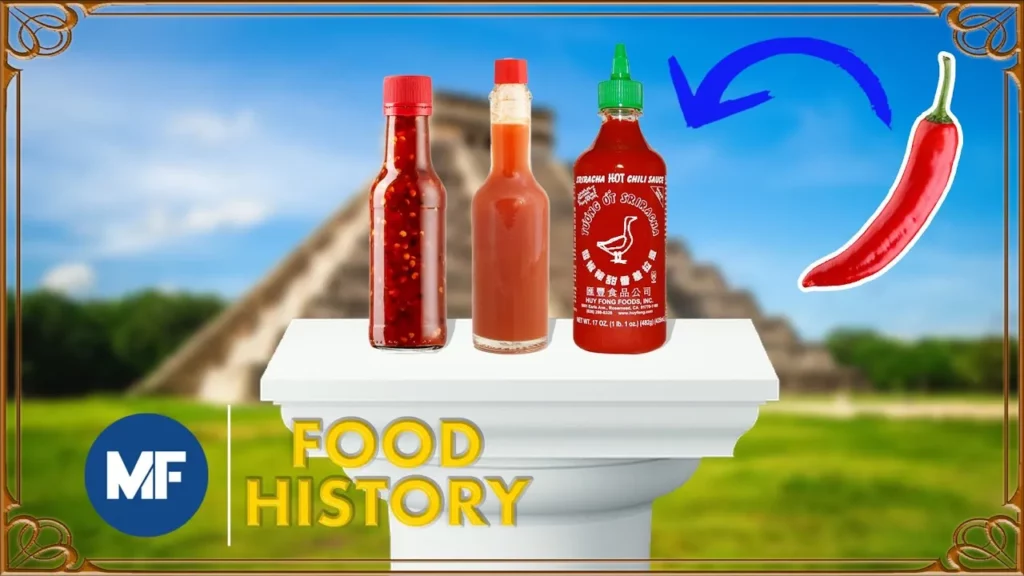
The lesson on hot sauce explores its rich history, tracing its origins back to ancient Central and South America, where it was used not only for flavor but also for medicinal purposes. It delves into the science of capsaicin, the compound responsible for the heat in peppers, and discusses the global journey of hot sauce, highlighting its evolution and cultural significance across various regions. From the creation of iconic sauces like Tabasco and Sriracha to the Scoville Heat Units that measure their spiciness, the lesson emphasizes the diverse and flavorful world of hot sauce.
Misconceptions About Babies

The lesson on “Misconceptions About Babies” highlights the surprising complexities of newborns, debunking common myths such as their ability to cry tears and the notion that they are blank slates devoid of knowledge. It reveals that babies possess awareness, basic numerical understanding, and even moral judgment capabilities, while also addressing misconceptions about baby development tools and practices, such as baby walkers and educational DVDs. Overall, the lesson emphasizes the rich inner lives of infants and the importance of understanding their true capabilities.
26 Facts about Love Show Ep. 406

In this lesson, Adrien explores the intriguing science behind love, highlighting various studies that reveal how factors like eye contact, genetics, and even romantic comedies can influence feelings of affection and relationship success. Key insights include the role of eye contact in fostering love, the potential genetic basis for partner selection, and the surprising similarities between love and addiction, suggesting that love can have profound effects on both our emotions and biology.
Misconceptions about Famous Directors (Ep. 51)

In this lesson, Ellie addresses common misconceptions about famous film directors, clarifying their actual roles and contributions to notable films. She highlights misunderstandings surrounding directors like Tim Burton, Steven Spielberg, Alfred Hitchcock, and others, emphasizing the importance of recognizing the true creators behind iconic works and dispelling myths that have persisted over time.
100 Amazing Facts (Ep.225)

In this lesson, John Green shares 100 amazing and intriguing facts across various categories, including history, science, entertainment, and quirky trivia. Highlights include historical tidbits like Hitler’s nephew’s article, fun with numbers such as anagrams, and unique insights into inventions and cultural phenomena, all designed to entertain and educate viewers. The lesson emphasizes the fascinating connections and oddities found in everyday life, encouraging curiosity and a sense of wonder.
The Surprising History of School! Scatterbrained
In this lesson, we explored the fascinating history and evolution of school, uncovering interesting facts about effective study habits, historical pranks, and the origins of summer vacations. Key takeaways include the benefits of varying study environments, the importance of taking breaks, and the advantages of handwritten notes for better understanding. Additionally, we celebrated remarkable child prodigies and learned how summer breaks were introduced to accommodate students during hot weather.
Why are blueprints blue? – Big Questions – (Ep. 206)

In this lesson, Craig explains the historical significance of blueprints, which were originally blue due to a chemical process involving ammonium iron citrate and potassium ferrocyanide that allowed for easier and cheaper copying of architectural designs. The blue color results from a chemical reaction that creates a blue compound, while the areas blocked by the original design remain white. Although modern technology has largely replaced blueprints with photocopies, the unique history and process behind blueprints remain an intriguing aspect of architectural and engineering practices.