
21 Things That Turned 21 This Year List Show (240)

In this lesson, John Green highlights 21 notable cultural and technological milestones from 1993 that have now turned 21 years old. Key highlights include the formation of the Backstreet Boys, the debut of “Bill Nye the Science Guy” and “The X-Files,” the release of iconic films like “Jurassic Park,” and the launch of significant innovations such as IMDb and the “Got Milk?” campaign. The lesson serves as a nostalgic reflection on the influential trends and events that shaped the early ’90s.
Satanic Panic & The Dangers of Cultural Hysteria
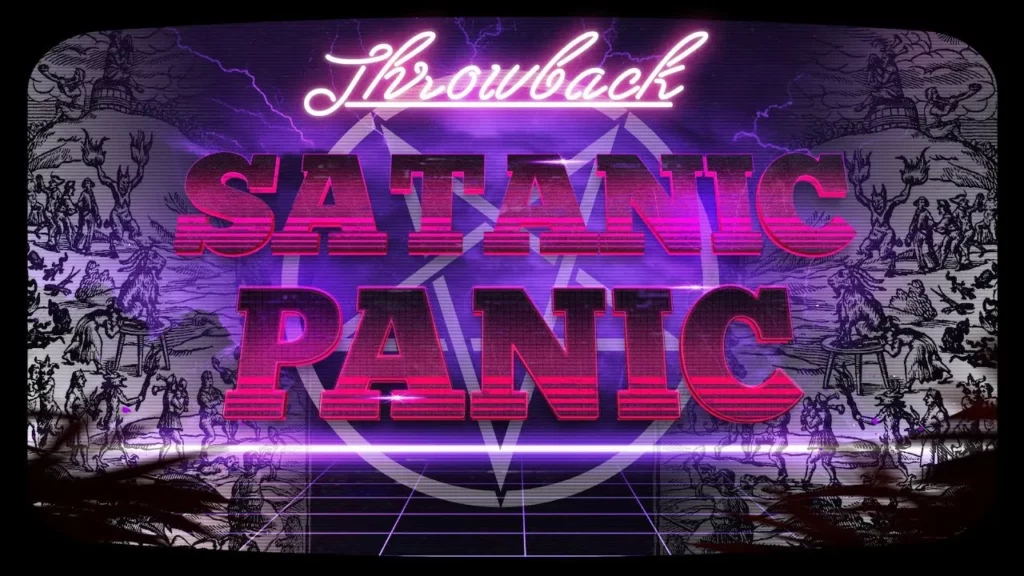
The lesson on “Satanic Panic & The Dangers of Cultural Hysteria” explores the widespread fear in the 1980s that daycare centers were involved in satanic rituals, leading to wrongful accusations and significant societal impact. Fueled by sensational media coverage, urban legends, and discredited sources, this cultural hysteria resulted in notable cases like the McMartin preschool trial and accusations against various companies and entertainment, highlighting how unfounded fears can spread and influence public perception. Ultimately, the lesson serves as a cautionary tale about the power of mass hysteria and the importance of critical thinking in the face of fear-driven narratives.
Why do we blush when we’re embarrassed? – Big Questions – (Ep. 35)

The lesson explores the physiological and social aspects of blushing, explaining that it is a response linked to the body’s sympathetic nervous system and the release of adrenaline, which causes blood vessels in the face to widen and create a red appearance. While blushing can vary between individuals and situations, it may serve social functions, such as signaling recognition of a mistake and fostering trust among others. Ultimately, the lesson encourages embracing blushing as a natural response that can enhance social interactions.
Food History: Dumplings

The lesson on the history of dumplings explores their origins, evolution, and cultural significance across various cuisines. It begins with a legend from the Han Dynasty in China, attributing the creation of dumplings to a doctor named Zhang Zhongjing, and discusses how dumplings have transformed over time, with evidence suggesting that filled dumplings may have originated in Central Asia. The lesson highlights the diverse forms of dumplings worldwide, from Chinese jiaozi and har gow to Italian ravioli and Polish pierogi, illustrating their enduring popularity and adaptability in global culinary traditions.
17 Crazy Hair Myths (incl. Can a MARCHING BAND cause HAIR LOSS?!) List Show (244)

In the lesson “17 Crazy Hair Myths Debunked,” Craig explores and debunks various misconceptions about hair care, such as the belief that baldness is inherited solely from the mother’s side and that shaving hair makes it grow back thicker. The session highlights the historical context of certain myths, the actual causes of common hair issues like dandruff, and the importance of understanding hair growth and care practices without falling for outdated superstitions.
26 Fourth of July Facts Show Ep. 427

In this lesson, Mike Retta shares intriguing facts about the Fourth of July, highlighting its historical significance and unique connections to notable figures. He discusses the origins of the holiday, including the adoption of the Declaration of Independence, and explores various traditions and celebrations, such as fireworks, parades, and the famous hot dog eating contest. Additionally, Retta notes that the Fourth of July is celebrated not only in the U.S. but also in the Philippines and Rwanda, each with its own significance.
8 Old-Timey Scams, Grifts, and Cons

The lesson explores various historical scams, grifts, and cons, highlighting notorious figures and their deceptive tactics. From Geraldine Elizabeth Carmichael’s fraudulent car venture during the 1970s fuel crisis to Charles Ponzi’s infamous investment scheme, the lesson illustrates how these scams preyed on people’s hopes and trust. It emphasizes the importance of skepticism and caution when faced with offers that seem too good to be true, as these deceptive practices have persisted throughout history.
Misconceptions from Television (Ep. 14)

In this lesson, Elliott from Mental Floss explores various misconceptions perpetuated by television, particularly in crime and medical dramas. He highlights inaccuracies such as the unrealistic speed of fingerprint scanning, the flawed perception of forensic lab accuracy, and the misrepresentation of police procedures, among others, emphasizing that these portrayals can lead to misunderstandings about real-life processes and professions. Overall, the lesson aims to debunk these myths and provide a clearer understanding of how television can distort reality.
Misconceptions About Health & Wellness

The lesson addresses common misconceptions about health and wellness, particularly focusing on hydration, vitamin C, and other beliefs. It clarifies that the widely held notion of needing to drink eight glasses of water daily is a myth, as actual hydration needs vary and can be met through food and other beverages. Additionally, it discusses the limited effectiveness of vitamin C in preventing colds, the lack of evidence linking knuckle cracking to arthritis, and the placebo effect associated with the use of crystals for healing.
Why does your nose get runny when it’s cold? – Big Questions – (Ep. 40)

The lesson explains why our noses become runny in cold weather, a phenomenon known as “cold-induced rhinorrhea” or “skier’s nose.” This occurs because the nose produces extra mucus to warm the cold air we breathe in, protecting our lungs, and the moisture from exhaled warm air also contributes to the runny sensation. To alleviate this, methods such as using a nasal spray or wearing a scarf can be effective.