
The Delicious History of 14 Pasta Shapes
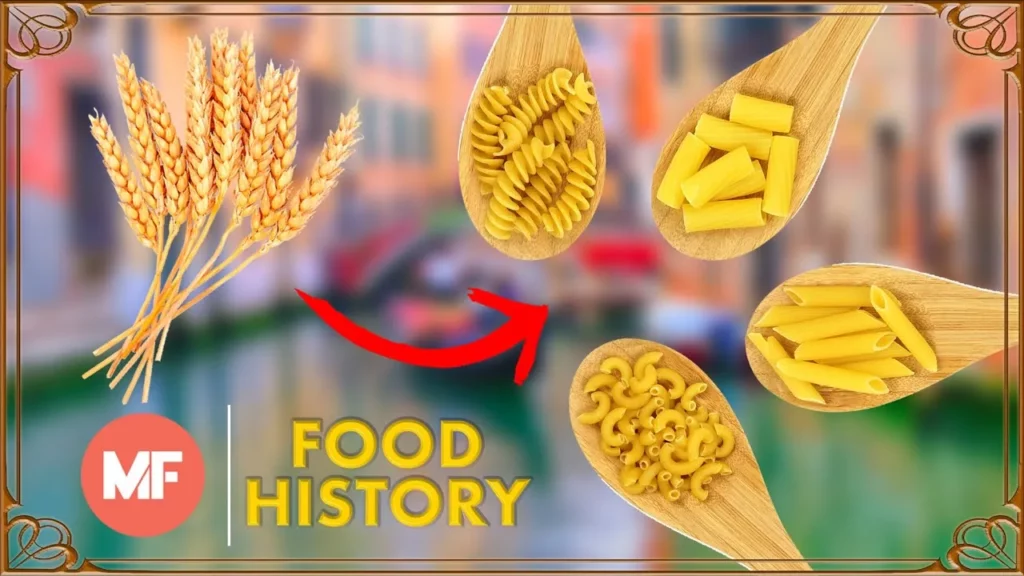
This lesson explores the rich history and origins of various pasta shapes, revealing how they evolved over time and their cultural significance. It highlights unique types like Strong Couture from Calabria, the ancient roots of lasagna, and the impact of durum wheat on pasta production in Italy. Additionally, it delves into the etymology of names like vermicelli and macaroni, showcasing the delightful diversity of pasta in culinary traditions.
Misconceptions about Weather (Ep. 31)
In this lesson, Elliott addresses common misconceptions about weather phenomena, clarifying that lightning can originate from both clouds and the ground, and that snow can occur even in extremely cold temperatures. He also explains the nature of tsunamis, the polar vortex, and the dangers associated with tornadoes, emphasizing that safety measures during severe weather events, such as seeking shelter in buildings rather than under highway overpasses, are crucial.
The Real Origins of 15 Urban Legends

The lesson explores the origins of various urban legends, highlighting how many of these spooky tales are rooted in real-life events. From the chilling story of Ruth McCoy, which inspired the “Candyman” film, to the infamous babysitter legend linked to a tragic murder, the lesson illustrates how folklore often reflects societal fears and historical incidents. Additionally, it examines other legends involving mythical creatures, wedding myths, and pop culture rumors, revealing the blend of fact and fiction that shapes our understanding of these stories.
100 Facts About Gen X

The lesson on Generation X explores the origins and characteristics of this demographic, defined as those born between 1965 and 1980. It highlights the cultural influences that shaped their identity, including literature, music, and economic challenges, while also addressing their unique parenting styles and health trends. Ultimately, Generation X is portrayed as a resilient group that has significantly impacted society and culture, navigating the complexities of modern life with a blend of nostalgia and innovation.
Why are there silent letters in English words? – Big Questions – (Ep. 42)

In this lesson, Craig explains the presence of silent letters in English, noting that approximately 60% of words contain them. He categorizes silent letters into auxiliary letters, which contribute to unique sounds, and dummy letters, which do not affect pronunciation. The lesson highlights the historical reasons for silent letters, including changes in pronunciation over time, the influence of classical languages, and the incorporation of borrowed words.
The Interesting Etymology Behind 70 Words

This lesson explores the intriguing etymology of various words, revealing their historical and cultural origins. For example, “vaccine” is derived from the Latin word for cow, linking it to Edward Jenner’s pioneering work in immunization, while “clue” traces back to Greek mythology, symbolizing a means to solve mysteries. By understanding these origins, we gain insight into the evolution of language and its connections to history and culture.
Why do things taste bad after you brush your teeth? – feat. The Muppets! – Big Questions – (Ep. 30)
In this lesson, we learned that the strange taste of certain foods, like orange juice, after brushing our teeth is due to ingredients in toothpaste, specifically surfactants like sodium lauryl sulfate. These surfactants alter our taste perception by diminishing sweet flavors and enhancing bitter ones, making foods taste different for about an hour post-brushing. With the help of Dr. Bunsen Honeydew and Beaker, we explored this fascinating interaction between toothpaste and our taste buds.
Food History: Nachos
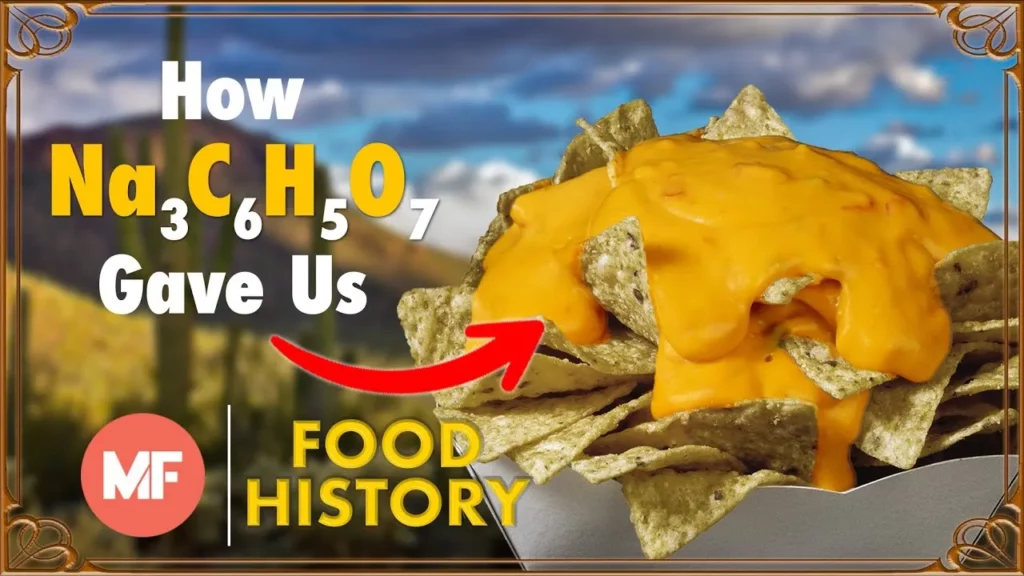
The lesson explores the fascinating history of nachos, which were invented in the 1940s by Ignacio “Nacho” Anaya in Mexico when he created a dish for hungry customers using tortilla chips, cheese, and jalapeños. It traces the evolution of corn and tortilla chips, highlighting the nixtamalization process that made corn more nutritious and the commercialization of tortilla chips in the mid-20th century. Today, nachos have transformed into a popular global dish with a variety of toppings, showcasing a blend of traditional ingredients and modern culinary creativity.
How Does Deodorant Work? – Big Questions (Ep.3)

In this lesson, Craig from Mental Floss explains the differences between deodorants and antiperspirants, highlighting that deodorants mask body odor while antiperspirants also reduce sweating. He discusses the science behind sweating and body odor, noting that sweat itself is odorless, but bacteria on the skin create unpleasant smells. The lesson also covers the ingredients in these products, such as fragrances, alcohol, and aluminum compounds, while addressing common myths about their safety.
Misconceptions About ADHD
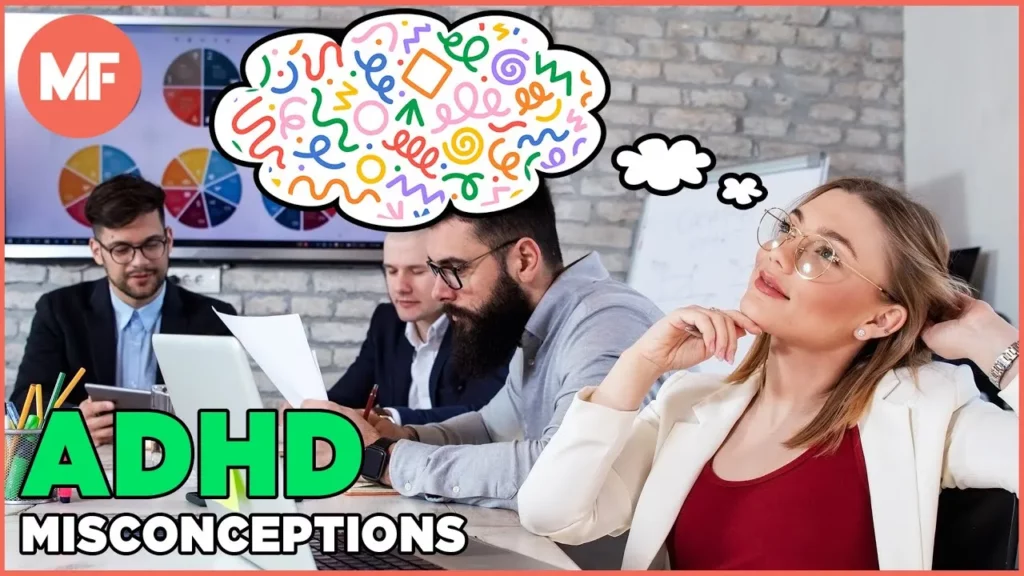
The lesson on misconceptions about ADHD emphasizes that ADHD is a complex condition that goes beyond mere forgetfulness or distractibility, affecting various aspects of daily life. It highlights the importance of understanding the different types of ADHD, the phenomenon of hyperfocus, and the fact that ADHD can persist into adulthood. Additionally, it addresses the challenges of diagnosis, the misconceptions surrounding effort and attention management, and the need for professional evaluation rather than self-diagnosis.